
Oregon has long been renowned for its stunning landscapes and diverse wildlife, with salmon playing a vital role in both its ecosystems and economy. However, the impacts of climate change are becoming increasingly apparent, leading to shifts in salmon migration patterns and population dynamics. Understanding these changes is crucial for conservation efforts and maintaining the balance of this iconic species.
Oregon’s Iconic Salmon Species

Salmon form a cornerstone of Oregon’s aquatic ecosystems. The state is home to several species, including Chinook, Coho, and Sockeye. These fish are anadromous, meaning they are born in freshwater, migrate to the ocean, and return to freshwater to spawn. Their life cycle intricately links them to the health of both terrestrial and marine environments.
Understanding Salmon Runs

A “salmon run” refers to the migration of adult salmon from the ocean back to their natal freshwater habitats to reproduce. This journey is fraught with challenges and is essential for their life cycle. Peak salmon runs in Oregon typically occur from late summer to fall, depending on the species.
The Role of Climate in Salmon Habitats

Salmon habitats are acutely sensitive to climate conditions. Water temperature, flow rates, and stream conditions all influence salmon survival and reproductive success. Even slight variations can have cascading effects, influencing food availability and predator-prey dynamics.
Rising Water Temperatures

One of the most direct impacts of climate change on salmon is the increase in water temperatures. Warmer waters can be detrimental to salmon, affecting their metabolism, growth, and survival rates. Prolonged exposure to elevated temperatures can be particularly harmful during critical life stages.
Changing Precipitation Patterns
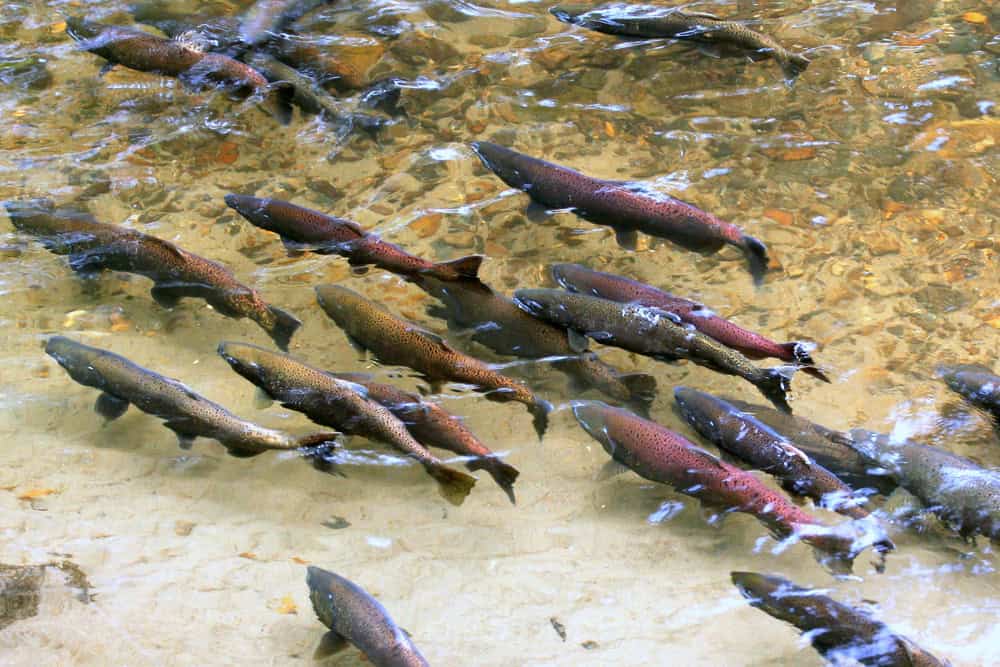
Climate change is altering precipitation patterns, leading to more intense storms and variable river flows. Sudden deluges can scour riverbeds and damage spawning grounds. Conversely, prolonged droughts reduce water levels, impeding migration and breeding activities.
Impact on Salmon Food Sources
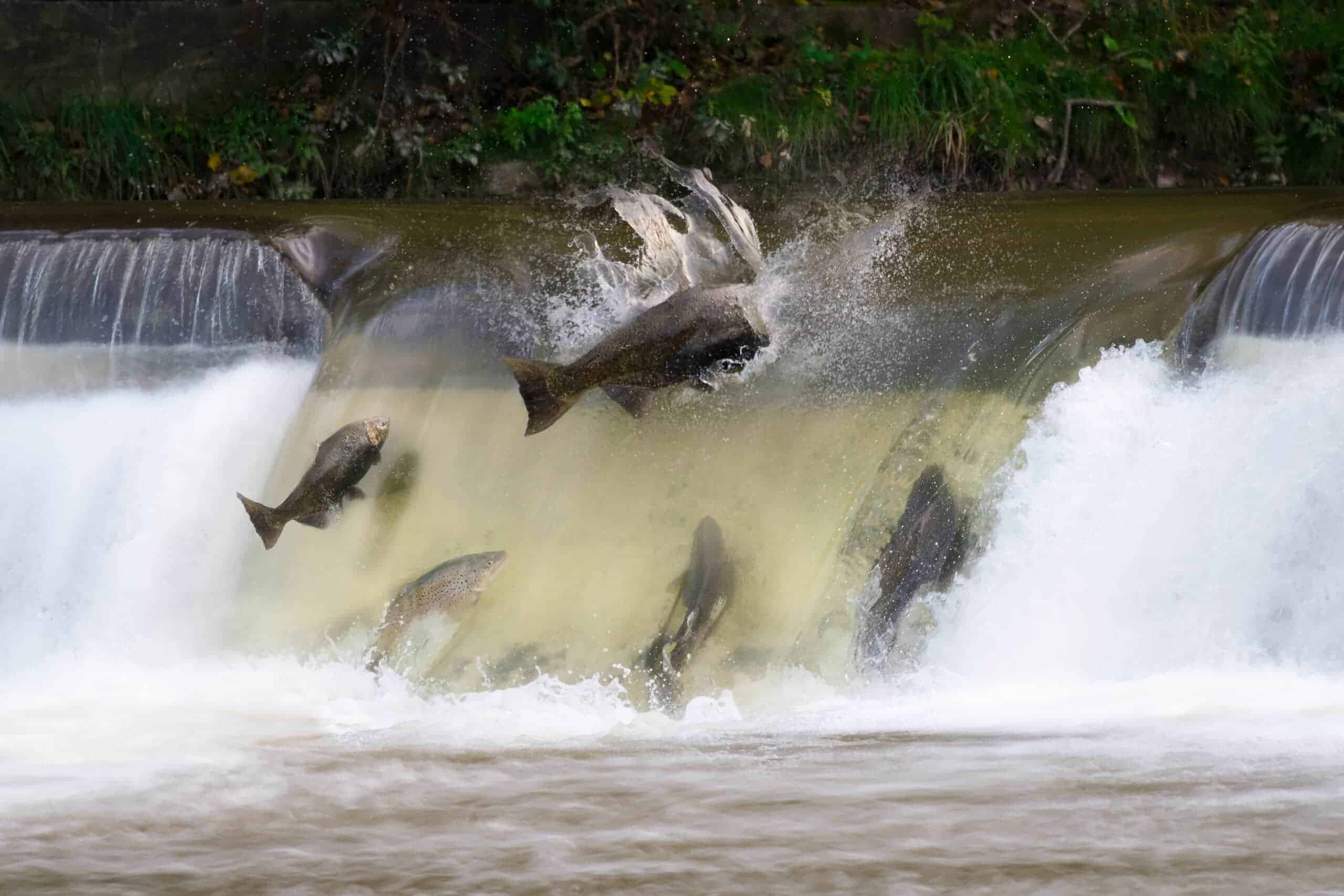
Changes in ocean conditions, such as warming and acidification, affect the availability of prey species for salmon. Reduced food supply in the ocean can lead to smaller, less healthy salmon returning to spawn, impacting future generations.
Adaptation and Resilience

While salmon have displayed remarkable adaptability over millions of years, the current rate of climate change poses unprecedented challenges. Some populations exhibit resilience through genetic diversity, potentially offering hope for adaptation. Conservation efforts aim to protect and enhance this resilience.
Conservation Efforts and Strategies
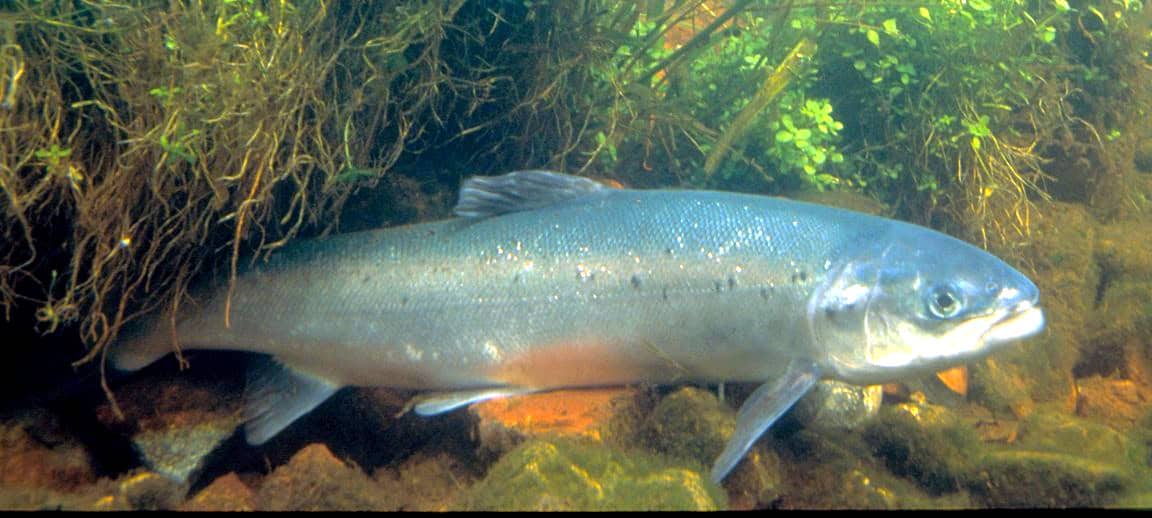
Numerous initiatives are underway to support salmon populations in Oregon. Stream restoration projects, such as removing barriers to migration and improving habitat complexity, are critical measures. Collaborative efforts between government agencies, conservation groups, and local communities are key to these endeavors.
Role of Indigenous Knowledge

Indigenous tribes have fished Oregon’s rivers for centuries and offer invaluable traditional ecological knowledge. Collaborative management efforts incorporating this wisdom are vital for sustainable salmon fisheries and habitat restoration.
The Economic Implications

Salmon are not only ecologically significant but also economically valuable. The fishing industry and tourism around salmon runs support local economies, making the consequences of declining salmon runs multifaceted. Ensuring their sustainability is crucial for economic resilience.
Public Awareness and Engagement

Raising public awareness about climate change impacts on salmon is essential. Education and community involvement can lead to better support for conservation initiatives. Citizen science projects and local conservation groups are excellent ways for people to contribute to salmon preservation efforts.
Looking to the Future
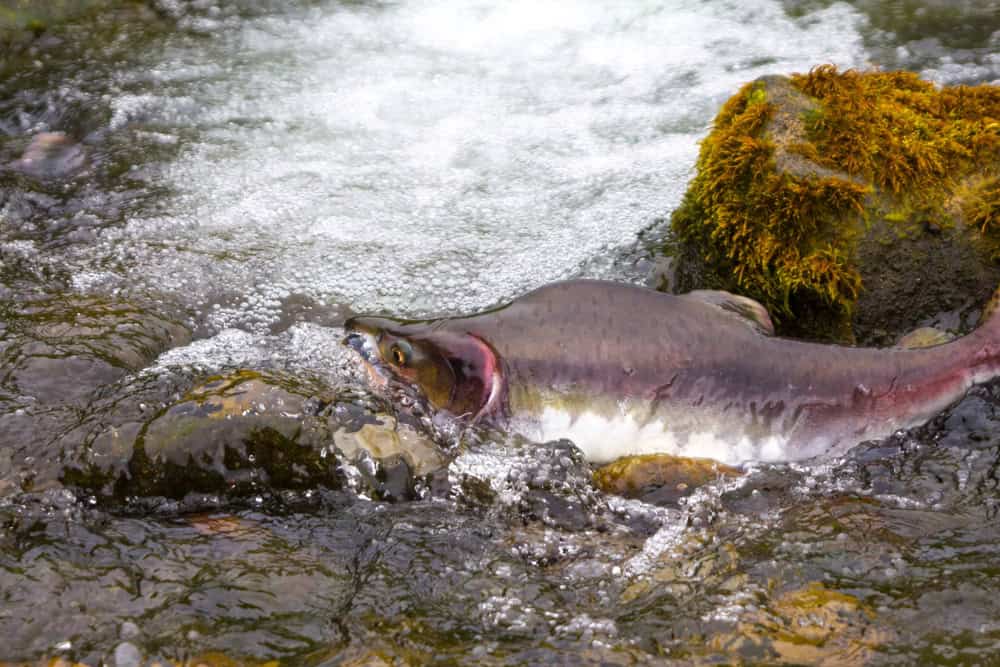
The future of Oregon’s salmon runs depends on concerted efforts to mitigate climate impacts and support salmon habitats. Continued research and adaptive management are critical in navigating these changes. Protecting salmon biodiversity will require a combination of scientific innovation, collaborative governance, and public commitment.
Oregon’s salmon are at a crossroads, facing new challenges from a shifting climate. By understanding the complexities of their changing habitats and promoting collaborative conservation, we can work to safeguard these iconic fish, ensuring they continue to run through Oregon’s rivers for generations to come.

- Could Whale Poop Actually Help Fight Climate Change? - August 13, 2026
- This Tiny Frog Is Loud Enough to Hurt Human Ears - August 13, 2026
- 11 States With Surprisingly Dangerous Native Animals - August 13, 2026