

Throughout history, few birds have captured human imagination and fascination like eagles. These majestic birds of prey have been associated with strength and power across various cultures. Among them, one eagle stands out not just for its breathtaking size but also for the legends surrounding its capabilities. The Haast’s eagle, now long extinct, is believed to have been the largest eagle ever to exist, leading to the question: Could it carry off humans? This article delves into the science and history of this incredible predator.
History and Discovery of the Haast’s Eagle

Haast’s eagle (Harpagornis moorei) was first described by scientists in the late 19th century. Discovered in the South Island of New Zealand, this eagle was named after Sir Julius von Haast, a geologist who played a pivotal role in its identification. Fossils of the Haast’s eagle were uncovered in various swamps and forests, providing significant insights into its life and environment.
Understanding the Size of Haast’s Eagle

The Haast’s eagle dwarfed modern eagles, with paleontologists estimating a wingspan of up to 3 meters (approximately 10 feet) and a weight that could exceed 15 kilograms (around 33 pounds). This massive size made it the largest known eagle, earning it the title of an apex predator in its ecosystem.
Physical Characteristics and Adaptations

Exhibiting a striking array of features, the Haast’s eagle had powerful talons over 9 centimeters long, adept for grasping and puncturing prey. Its robust legs supported a formidable build, while a short yet broad wingspan allowed for maneuvering through dense forests. This adaptability was crucial for hunting in its forested habitat.
The Terrifying Prey Moa Birds

The predominant prey of the Haast’s eagle was the moa, a collection of flightless bird species native to New Zealand. Some moa species could weigh up to 230 kilograms (about 510 pounds), demonstrating the immense strength and ferocity required for the Haast’s eagle to hunt such substantial targets. The moa’s extinction was closely linked to the disappearance of its predator, the Haast’s eagle.
Could the Haast’s Eagle Really Carry Off Humans

While stories abound of the Haast’s eagle carrying off humans, scientific consensus leans towards skepticism. Theoretically, given its powerful build and deadly talons, the eagle could overpower a child-sized human. However, these legends likely stem from rare interactions and exaggerations, as human predation wasn’t part of its regular behavior or necessity.
Behavioral Traits and Hunting Techniques
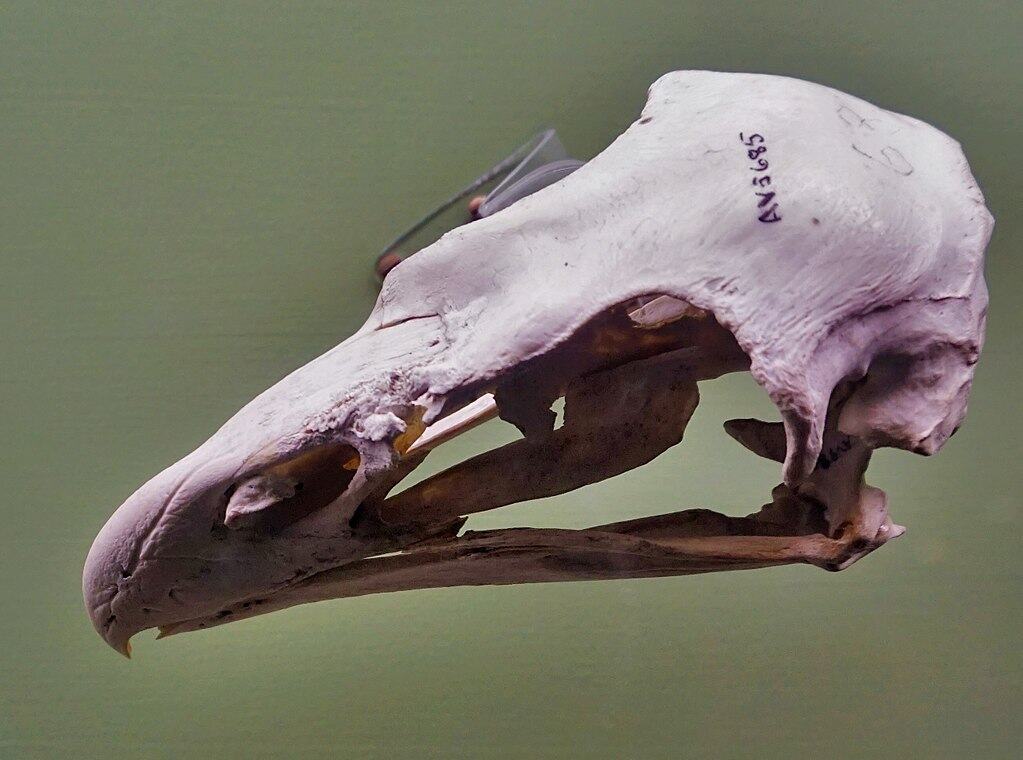
The Haast’s eagle was a stealthy hunter, using the element of surprise to ambush its prey. It would perch silently amid the foliage, scanning for movement below. Once spotted, it would swoop down with incredible speed and precision, utilizing its weight and momentum to overpower the prey, a technique effective against even the largest moa birds.
Habitat and Environmental Context
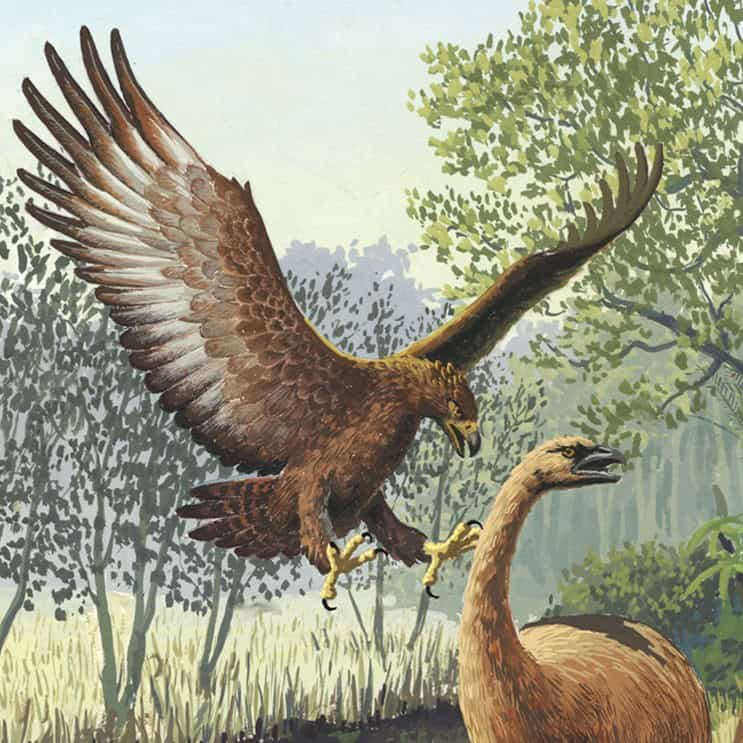
This eagle thrived in the diverse ecosystems of New Zealand’s South Island, which provided an ideal habitat full of dense forests and open lands. Its physical adaptations were well suited to the varied landscapes, enabling efficient navigation and hunting throughout its range.
Theories Behind Its Extinction
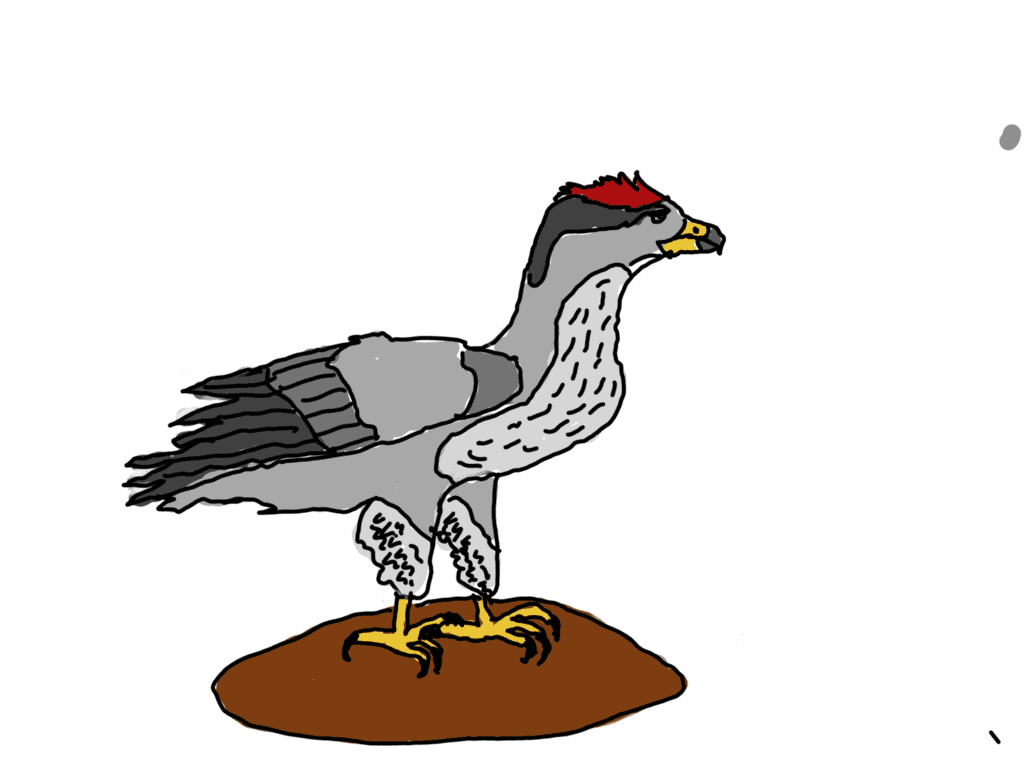
The extinction of the Haast’s eagle is closely tied to the arrival of humans to New Zealand around 1400 CE. Human hunting of the moa for food led to a decline in the eagle’s primary food source, eventually driving both predator and prey to extinction. Additionally, habitat changes accelerated the eagle’s disappearance.
Comparisons with Modern-Day Eagles

When placed alongside today’s largest eagles, such as the harpy eagle and the Philippine eagle, the Haast’s eagle still stands out due to its unparalleled size and strength. Although modern eagles are formidable predators, they lack the sheer physical dominance that characterized the Haast’s eagle.
In Cultural Myths and Indigenous Narratives

In Māori legend, the Haast’s eagle is often linked with the mythical Pouakai, described as a monstrous bird capable of human predation. These stories add a rich layer of cultural folklore to the eagle’s already fascinating description, merging historical encounters with narrative embellishments.
Haast’s Eagle in Popular Media and Literature
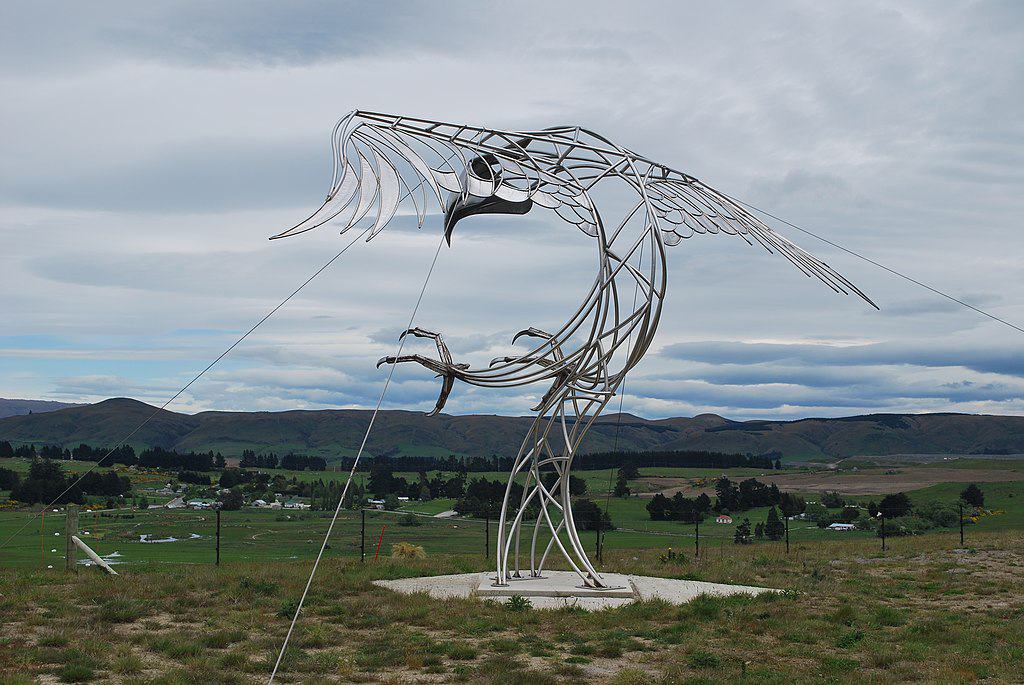
The Haast’s eagle has captured attention in books, documentaries, and various media forms. Its formidable presence serves as inspiration for compelling narratives that explore themes of extinction, power, and the intricate balance of ecosystems.
The Legacy of Haast’s Eagle

The legacy of the Haast’s eagle endures beyond its extinction, as it serves a powerful reminder of nature’s capacity for birthing creatures of immense strength and adaptability. This giant eagle symbolizes the fragile balance within ecosystems and the lasting impacts of human intrusion into pristine environments.
In conclusion, the Haast’s eagle, with its staggering size and predator skills, remains a subject of awe and fascination. While it likely never carried off humans, its existence reshapes our understanding of prehistoric ecosystems and humanity’s impact on wildlife. The narrative of the Haast’s eagle is a solemn yet captivating echo from the past, urging contemplation of our current relationship with the natural world.

- The Largest Eagle Ever to Exist Could Carry Off Humans - July 12, 2026
- Why Great Whites Are Flocking to These US Beaches - July 11, 2026
- How Certain Insects Use Sound Waves to Stun Their Prey - July 11, 2026
Leave a comment
You must be logged in to post a comment.