


The majestic sight of wild horses galloping freely across vast landscapes is a spectacle that captivates many. These creatures, symbols of freedom and untamed beauty, have been at the center of a heated debate for years. The battle over wild horses is not just about their existence but also about their habitat and the implications of their presence on these lands. While some view them as a natural treasure, others see them as a burden on the ecosystem. This controversy is a tapestry woven with threads of history, ecology, and human interest.
The Legacy of Wild Horses

Wild horses, or mustangs as they are often called, have a rich history that dates back centuries. They are descendants of domesticated horses brought to the Americas by European explorers and settlers. Over time, these horses escaped or were released, thriving in the wild and forming the herds we see today. Their story is one of survival and adaptation, a testament to their resilience. However, this legacy is not without its challenges as their expanding populations have sparked debates about land use and conservation.
Where Do Wild Horses Roam?

Wild horses primarily roam the Western United States, with large populations in states like Nevada, Wyoming, and Montana. These areas provide the open spaces and resources necessary for their survival. The Bureau of Land Management (BLM) oversees these lands, balancing the needs of wildlife, livestock, and human activities. However, the vastness of these territories does not mean unlimited freedom for the horses. The competition for resources among different species and human interests adds layers of complexity to their existence.
The Role of the Bureau of Land Management

The BLM plays a crucial role in managing wild horse populations. Tasked with ensuring a sustainable balance between the horses and their environment, the agency faces immense pressure. They must consider the ecological impact of overpopulation, ensuring that the lands can support all forms of life. This responsibility often leads to controversial decisions such as roundups and relocations, which are met with both support and opposition from various groups.
The Ecological Impact of Wild Horses

The presence of wild horses can significantly impact the ecosystems they inhabit. While they are a natural part of the landscape, their grazing habits can lead to overgrazing, affecting plant life and soil health. This, in turn, impacts other wildlife that relies on these resources. The challenge lies in finding a balance where horses can thrive without disrupting the delicate ecological fabric. This task is complicated by climate change and human activities that further strain these habitats.
Controversy Over Roundups

Roundups are one of the most contentious aspects of wild horse management. The BLM conducts these operations to control horse populations and protect the environment. However, the methods used, such as helicopters, are often criticized for being inhumane. Animal rights activists argue that these roundups cause unnecessary stress and injury to the horses. On the other hand, proponents believe they are essential for maintaining ecological balance and preventing starvation due to overpopulation.
The Adoption Dilemma

Once rounded up, many wild horses are put up for adoption, a solution aimed at reducing numbers on public lands. The adoption program offers individuals the chance to own a piece of American history while providing a home for these majestic creatures. However, the reality is that not all horses find homes. Some end up in holding facilities, which raises concerns about their welfare and the financial burden on taxpayers.
The Role of Advocacy Groups

Advocacy groups play a significant role in the wild horse debate. Organizations like the American Wild Horse Campaign lobby for the protection and humane treatment of these animals. They work tirelessly to raise awareness and influence policy changes that favor non-lethal management methods. Their efforts have led to increased public interest and support, highlighting the importance of grassroots activism in shaping the future of wild horses.
Impact on Livestock and Ranchers
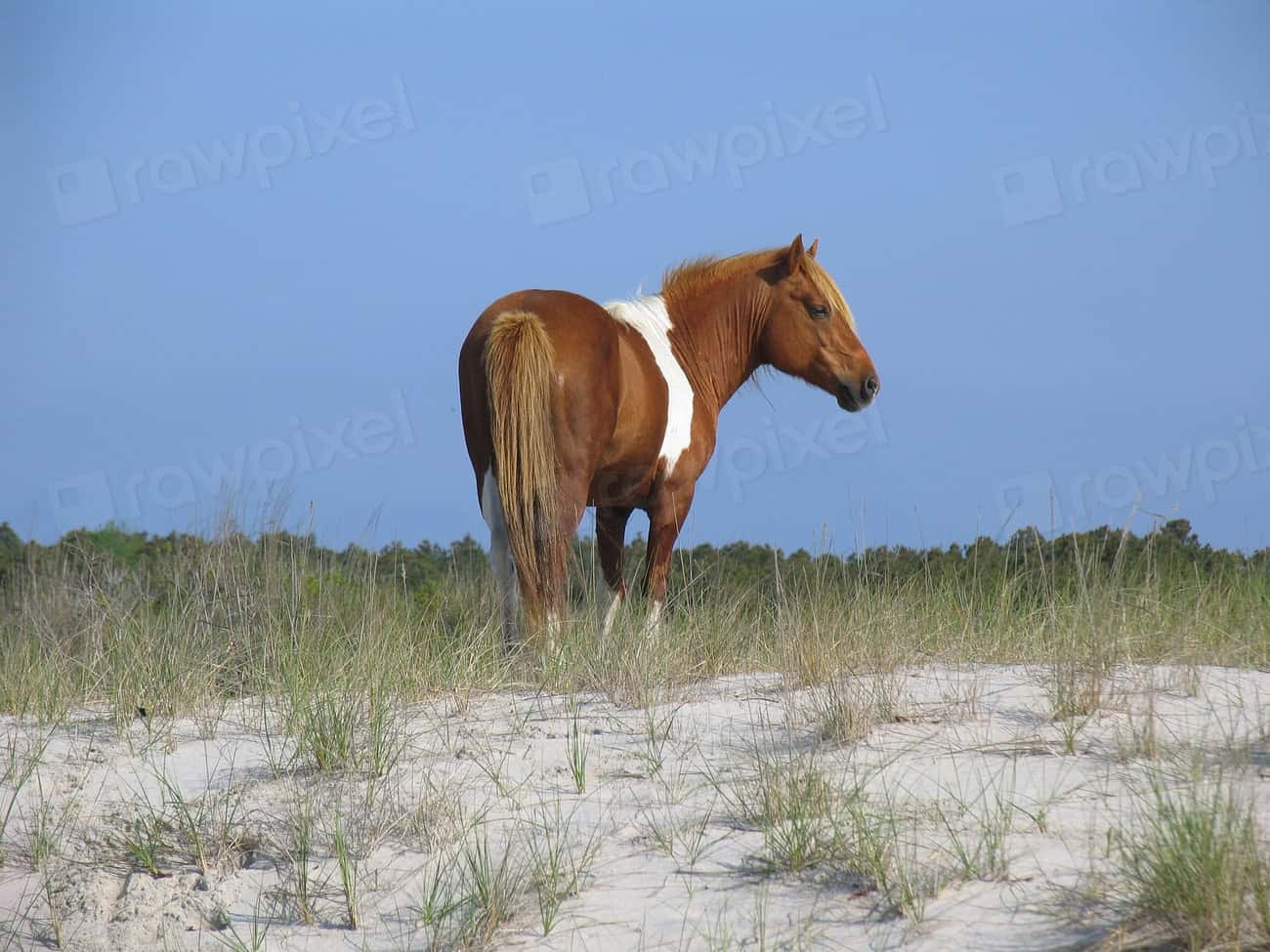
The presence of wild horses often conflicts with the interests of ranchers who rely on the same lands for grazing livestock. Many ranchers argue that horses compete with cattle for limited resources, affecting their livelihoods. This conflict underscores the broader debate over land use and resource allocation in the West. Finding a solution that accommodates both wildlife and agriculture remains a significant challenge.
Economic Considerations
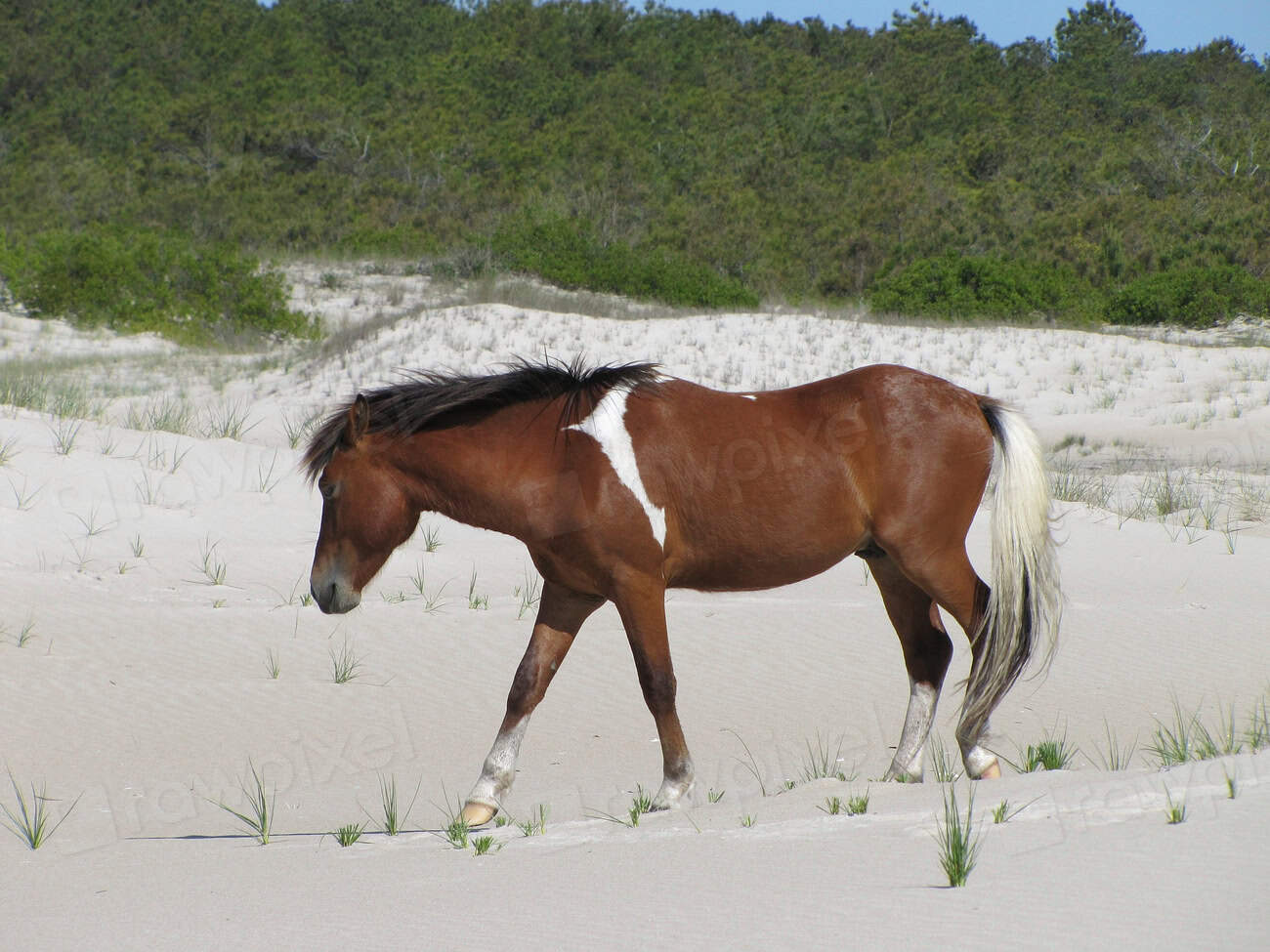
Managing wild horse populations is not only an ecological issue but also an economic one. The costs associated with roundups, holding facilities, and adoption programs are significant. Taxpayer money funds these efforts, leading to debates about the most cost-effective and humane methods of management. Balancing economic realities with ethical considerations is a complex task that requires careful planning and cooperation among various stakeholders.
The Cultural Significance of Wild Horses
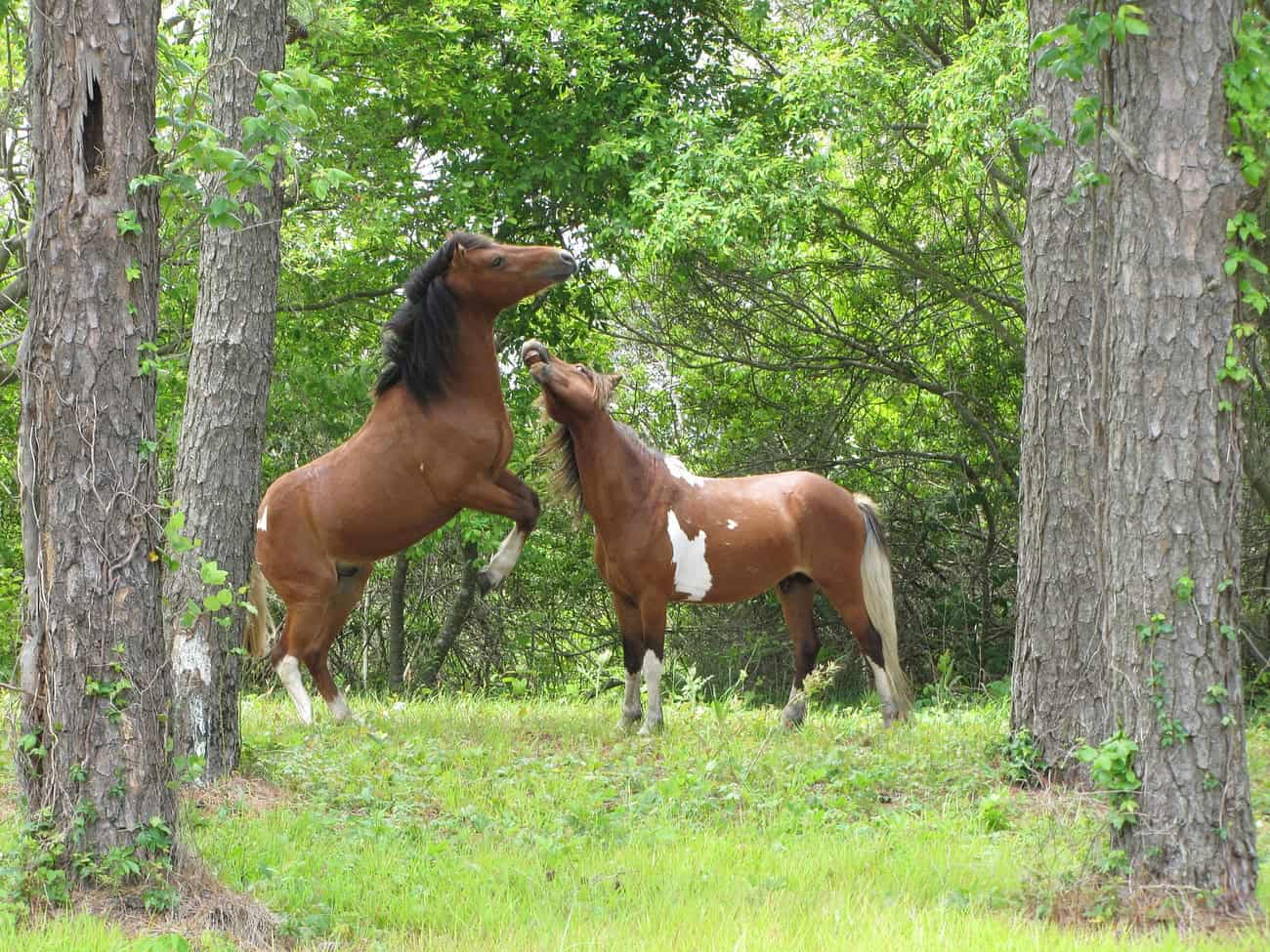
Wild horses hold a special place in American culture, symbolizing freedom and the spirit of the West. They have been immortalized in art, literature, and film, capturing the imagination of generations. This cultural significance adds another layer to the debate, as many see their preservation as a way to honor the nation’s heritage. Balancing cultural values with practical management needs is a delicate endeavor that requires sensitivity and respect for diverse perspectives.
Alternative Management Strategies
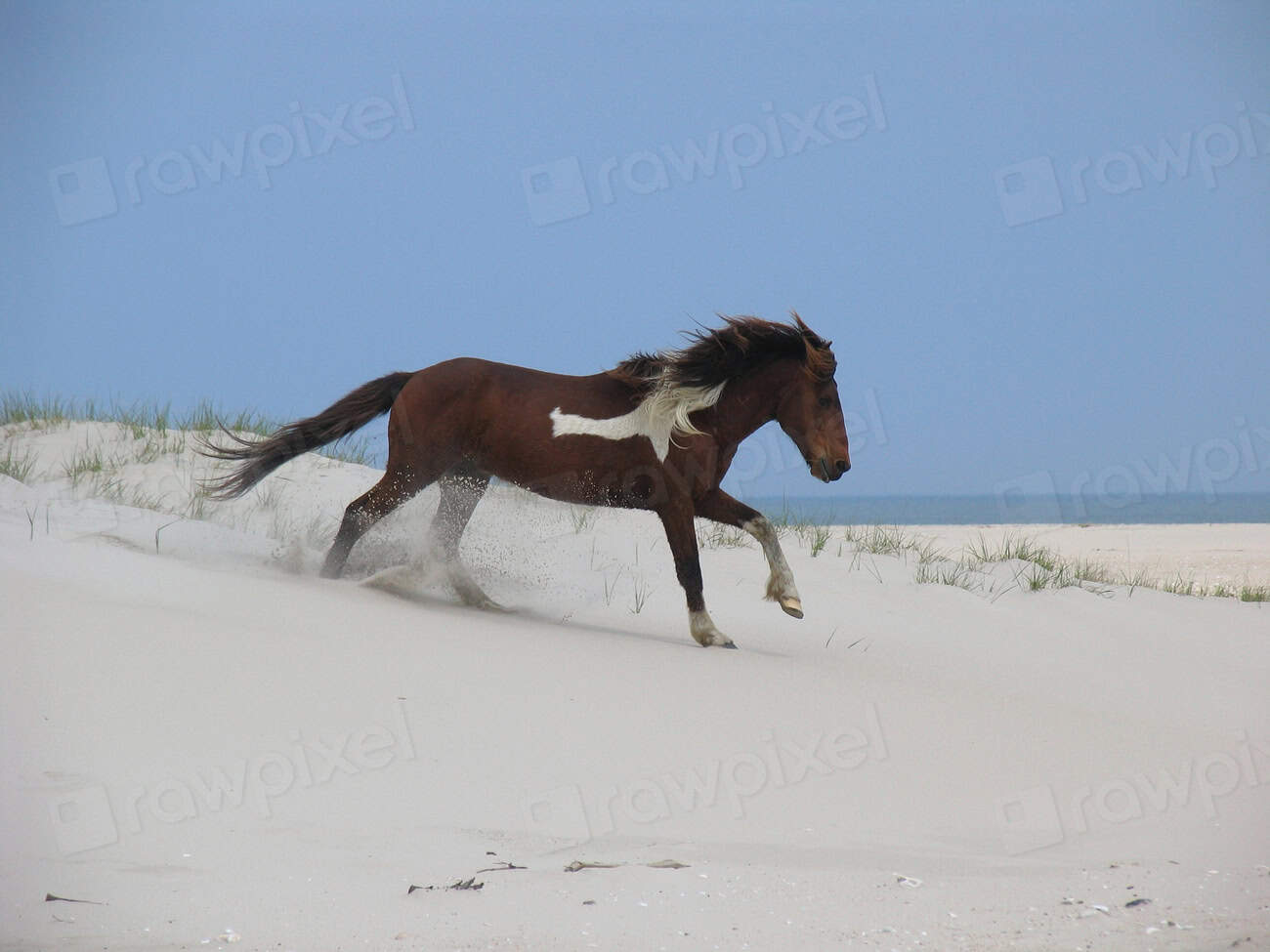
In response to the controversies surrounding traditional management methods, alternative strategies are being explored. These include fertility control, such as vaccines that prevent mares from conceiving, and habitat restoration projects. These approaches aim to reduce populations naturally and sustainably, minimizing the need for disruptive interventions. However, implementing these strategies requires time, research, and cooperation among various parties.
The Global Perspective on Wild Horses

While the battle over wild horses is particularly pronounced in the United States, similar issues exist worldwide. Countries like Australia and Mongolia also grapple with the challenges of managing wild equine populations. Sharing knowledge and strategies on a global scale can provide valuable insights and foster international cooperation. Understanding the broader context can help inform local solutions and promote sustainable practices.
The Role of Technology in Management
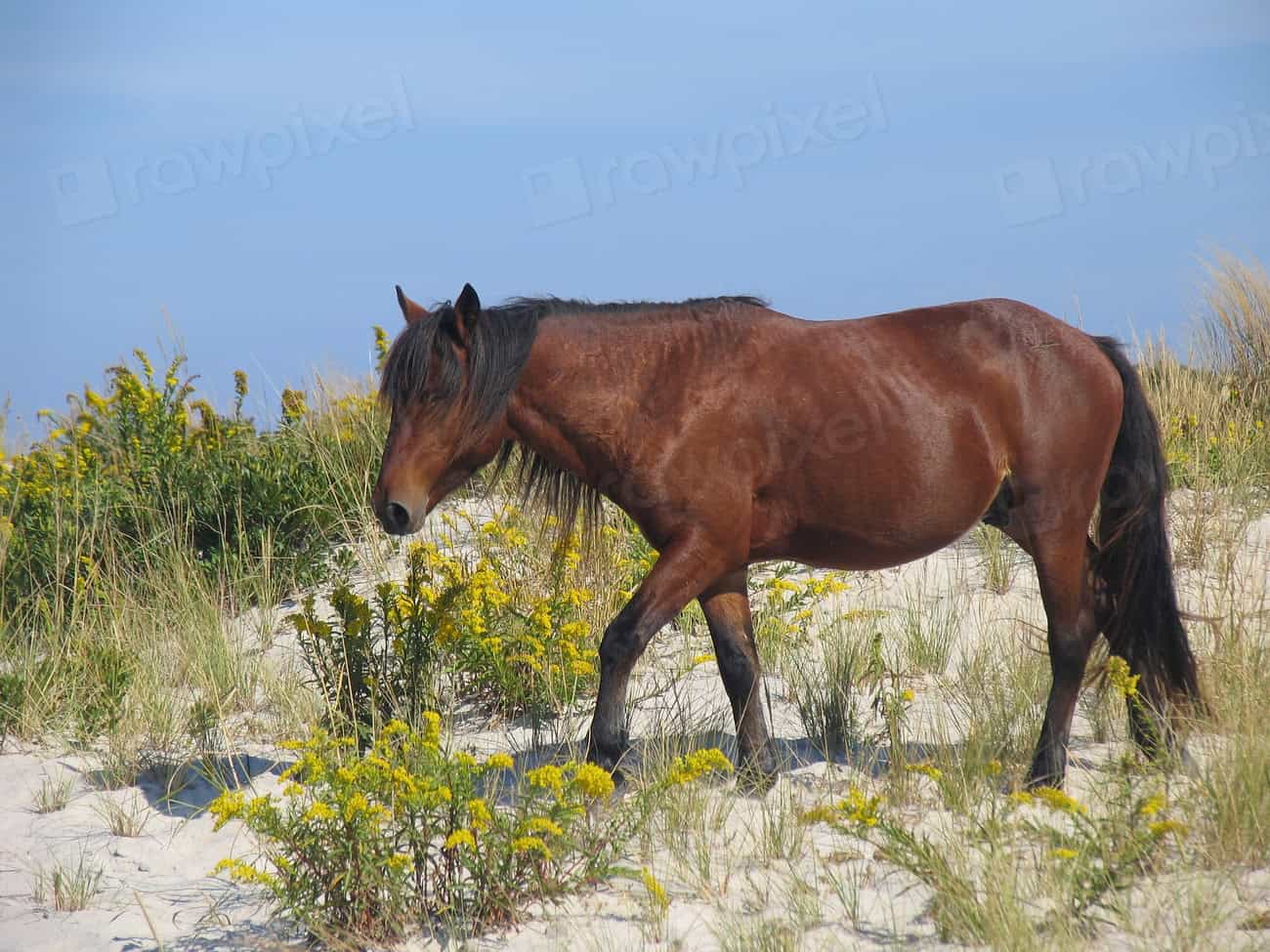
Advancements in technology offer new possibilities for managing wild horse populations. Drones and satellite imagery can provide accurate data on herd sizes and movements, aiding in decision-making. These tools enable more efficient and humane management practices, reducing the need for invasive interventions. Embracing technology can enhance our understanding of wild horses and improve the effectiveness of conservation efforts.
The Future of Wild Horses
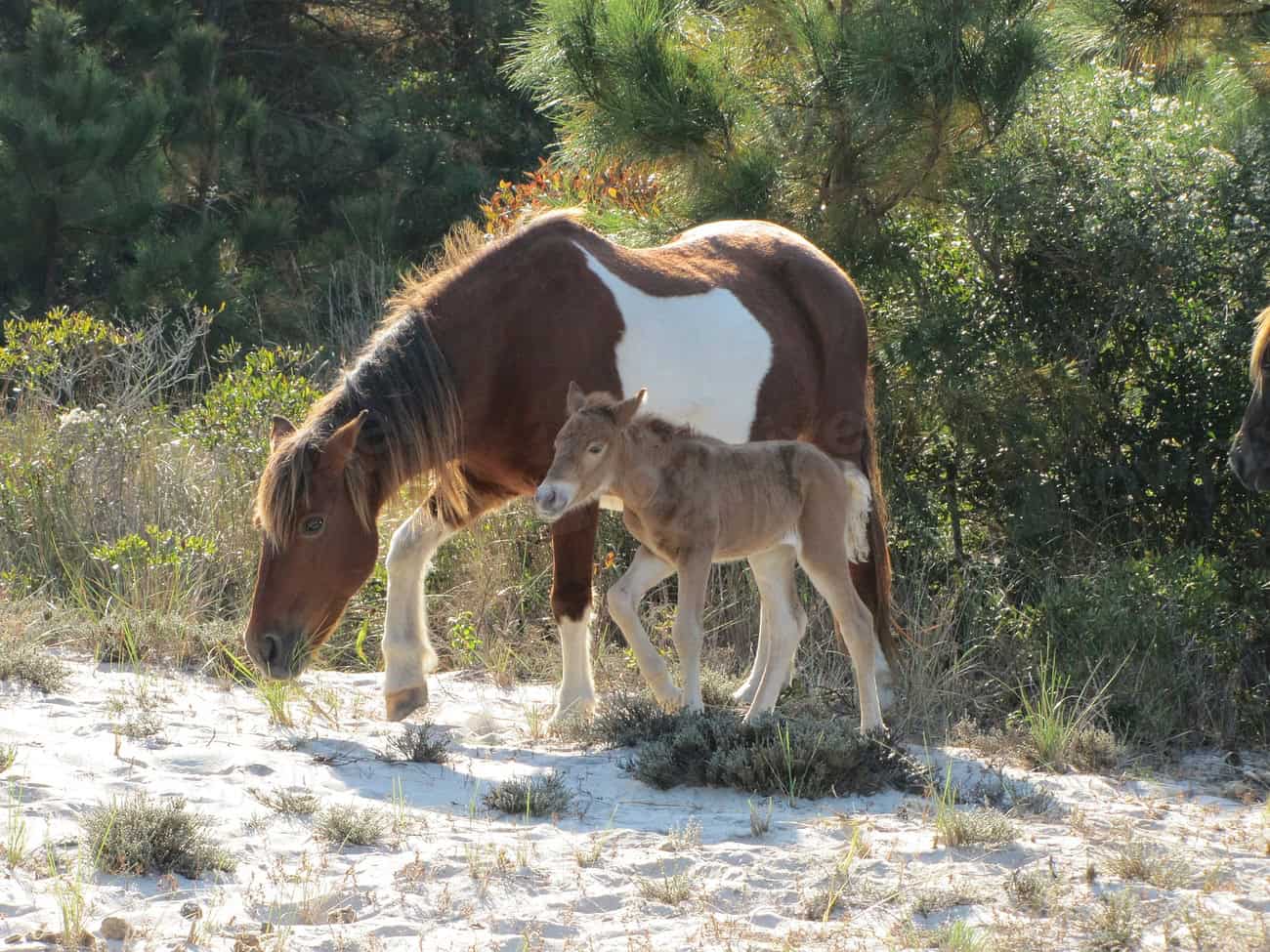
The future of wild horses depends on finding a balance between preservation and practicality. As public awareness and interest grow, so does the opportunity to implement innovative solutions. Collaboration among government agencies, advocacy groups, and local communities is essential for ensuring the long-term survival of these iconic animals. The journey ahead requires commitment, creativity, and a willingness to embrace change.
The Emotional Connection to Wild Horses

For many, wild horses elicit a deep emotional connection. Their beauty and grace inspire awe and admiration, capturing the hearts of animal lovers worldwide. This emotional bond fuels the passion and dedication of those who fight for their protection. Recognizing the emotional aspect of the debate is crucial for fostering understanding and empathy among different stakeholders.
The Importance of Education and Awareness
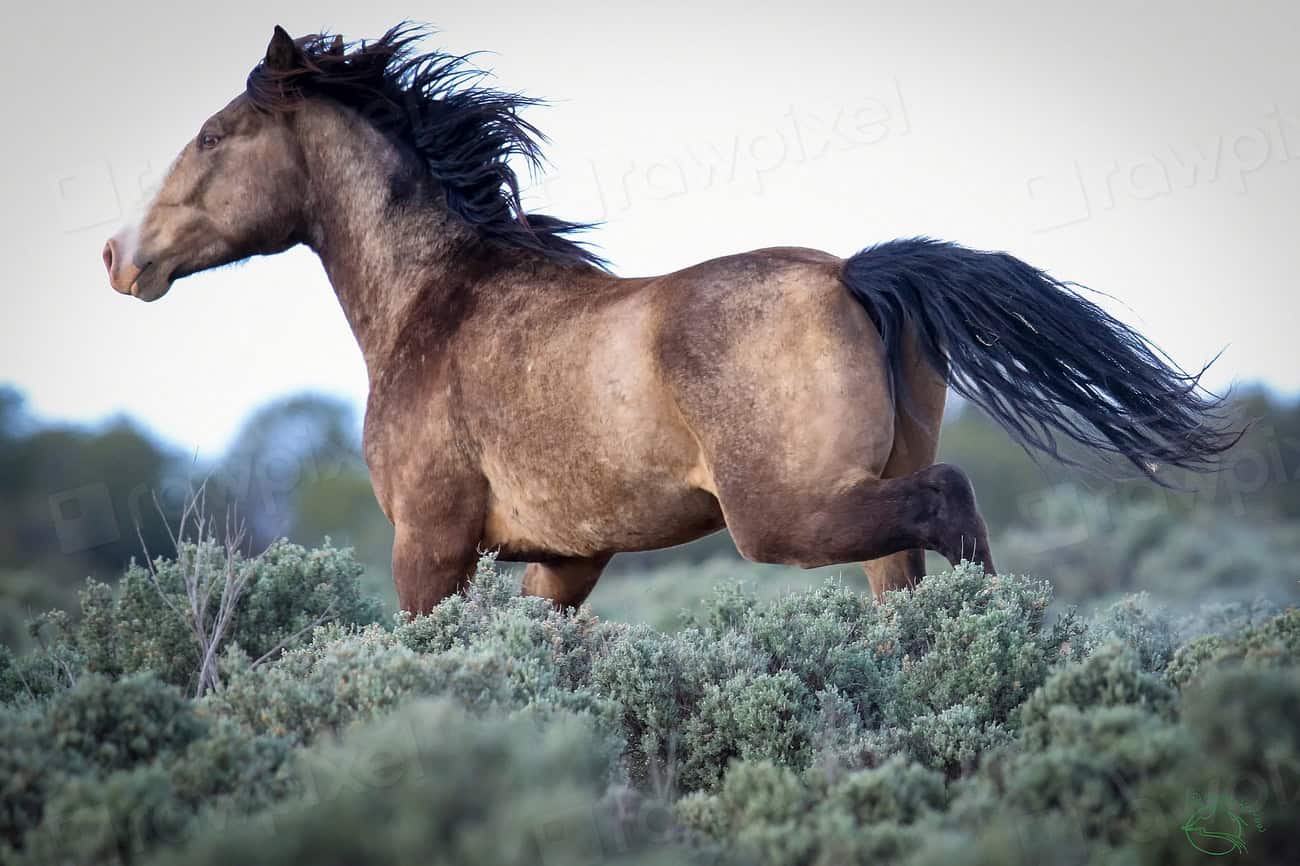
Education and awareness are vital components of the wild horse debate. Informing the public about the complexities of the issue can lead to more informed and compassionate decisions. Schools, media, and community programs play a crucial role in spreading knowledge and promoting dialogue. By fostering a culture of awareness, we can empower individuals to contribute positively to the future of wild horses.
Conclusion

The controversy surrounding wild horses is a multifaceted issue that touches on history, ecology, and human emotion. Navigating this complex landscape requires a thoughtful approach that considers the needs of all stakeholders. With continued dialogue and collaboration, there is hope for a future where wild horses can coexist harmoniously with the world around them.

As a little kid, I fell in love with nature, wildlife, and animals. Living in the USA, South Africa, Italy, China and Germany gave me the opportunity to discover the world's Wildlife. My favorite animals are Mountain Gorillas, Siberian Tigers, and Great White Sharks.
I'm a certified PADI Open Water Diver, went to Everest Base Camp and Trekked Gorillas in Uganda. I hold a Master of Science in Economics and Finance.
Please send any feedback to feedback@animalsaroundtheglobe.com
- 10 Most Unique Reptiles You will See in the US - July 21, 2026
- 3 Dangerous Invasive Species the USA Must Eradicate - July 21, 2026
- 10 Things That Calm Cats And 4 That Make Them Nervous - July 21, 2026