


Seals, those charismatic marine mammals known for their playful antics and soulful eyes, have garnered significant attention as they increasingly appear on U.S. shores. While their presence is usually celebrated by beachgoers, there is growing curiosity and concern about why these animals are hauling out—leaving the water to rest on beaches—in record numbers. This article explores the various factors contributing to this phenomenon, aiming to provide clarity and insight into these fascinating creatures’ lives.
The Marine World of Seals

Seals are pinnipeds, a group of marine mammals that also includes sea lions and walruses. They are highly adapted to life in the water, with streamlined bodies, flippers for swimming, and thick layers of blubber for insulation in cold ocean waters. However, seals also spend a substantial amount of time on land, known as “hauling out.”
Understanding Hauling Out
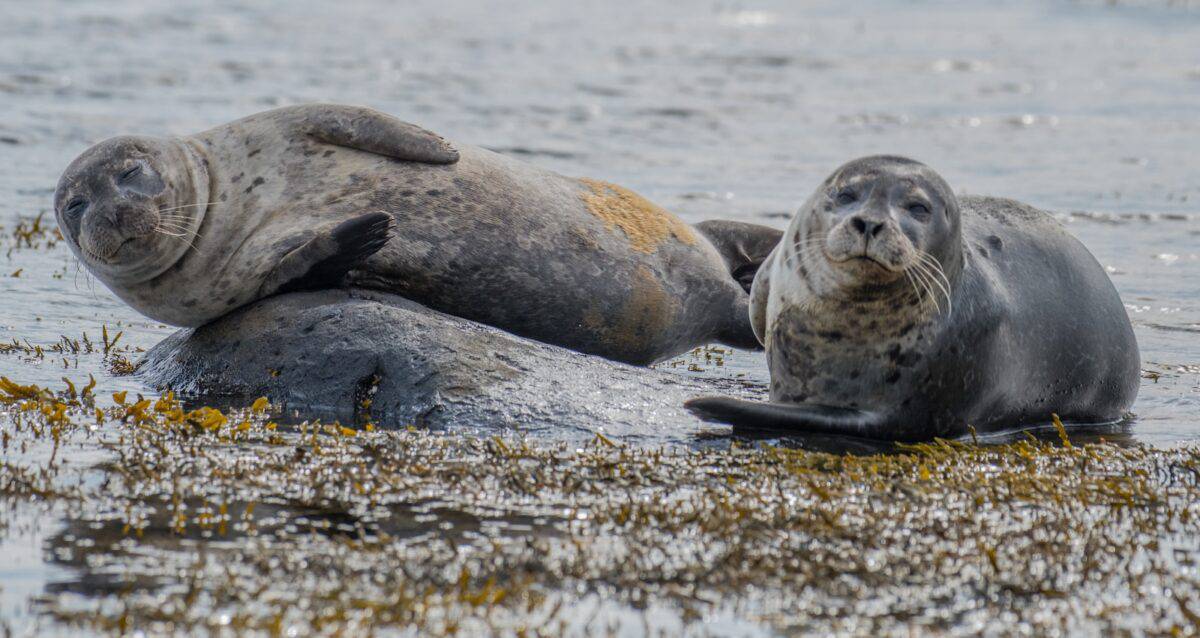
Hauling out is a natural behavior where seals leave the water to rest, molt, or give birth. This behavior allows them to conserve energy, maintain body temperature, and care for their young away from predators. Typically, hauling out occurs in remote, undisturbed locations, so an increase in beach occurrences is noteworthy.
Environmental Factors

Several environmental changes might be contributing to the increased sightings of seals on U.S. beaches. Rising ocean temperatures, shifting prey distribution, and changes in sea ice cover can drive seals to seek alternative resting spots. As oceanic conditions fluctuate, seals may find familiar haul-out sites less accessible, prompting them to explore new areas.
Human Influence

Human activities have a profound impact on seal behavior. Coastal development, commercial fishing, and increased marine traffic alter marine ecosystems and may inadvertently attract seals to populated coastal regions. Moreover, conservation efforts have contributed to a rebound in seal populations, resulting in more frequent beach gatherings.
Nutritional Needs

Feeding is a crucial component of a seal’s life. Seals follow their prey, primarily fish and squid, which may lead them closer to shorelines if these species experience migratory shifts. An abundance of food near the coast can encourage seals to haul out for more extended periods to rest between foraging trips.
Monitoring Seal Populations
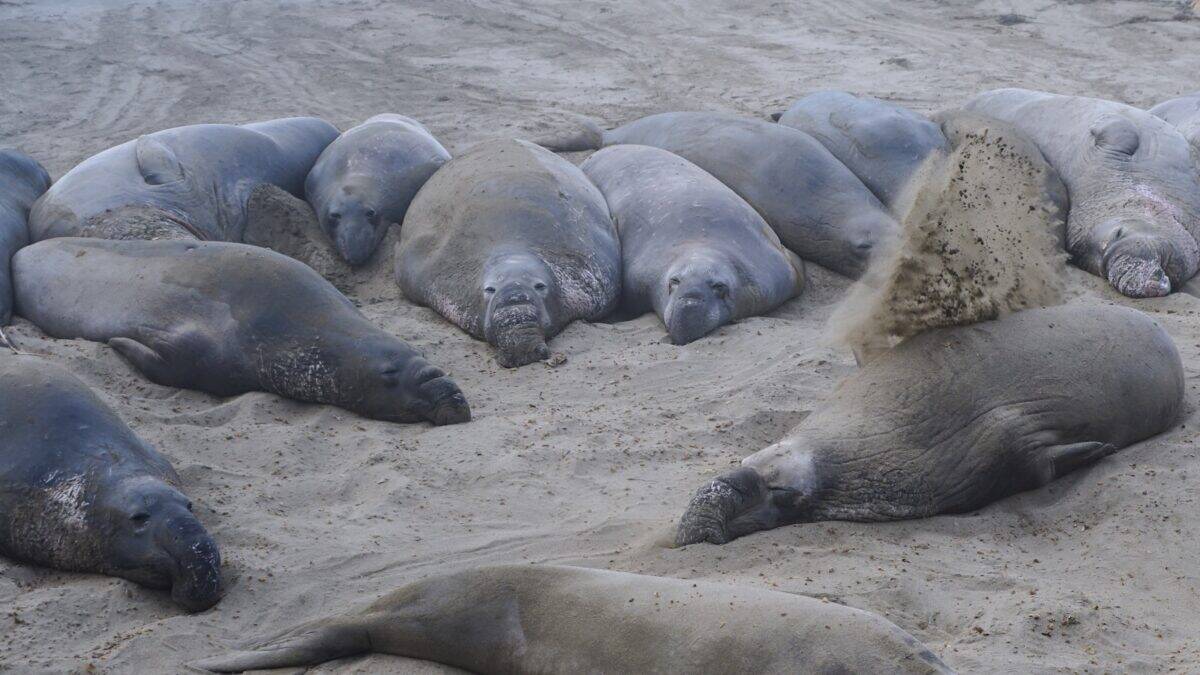
Wildlife agencies and researchers keep a close eye on seal populations to understand their habits and health. With the increase in haul-out events, scientists are more actively studying seals to determine the causes and implications of their growing beach presence. This research is essential for ensuring their continued conservation and protection.
Impact of Climate Change

Climate change affects marine life profoundly, and seals are no exception. Changes in ocean currents, temperature, and ice cover directly impact seal habitats and food availability. As these changes intensify, seals may adapt by resting on beaches more often, seeking stable environments as their natural habitats become less predictable.
Public Interaction and Education
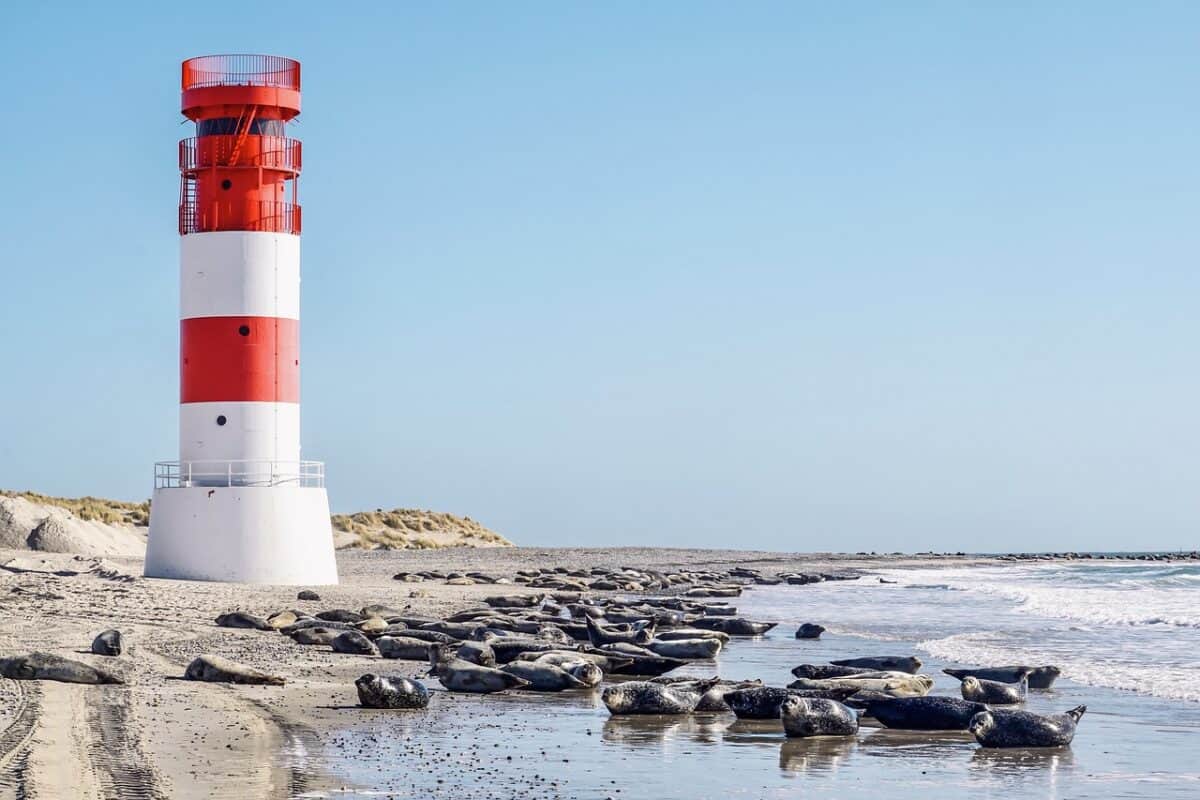
The visibility of seals on beaches provides a unique opportunity for public education. Beachgoers, often delighted by the close encounters, can learn about marine life and conservation efforts. However, it is crucial to maintain a safe distance and respect wildlife to minimize stress on the animals.
Health and Well-being of Seals
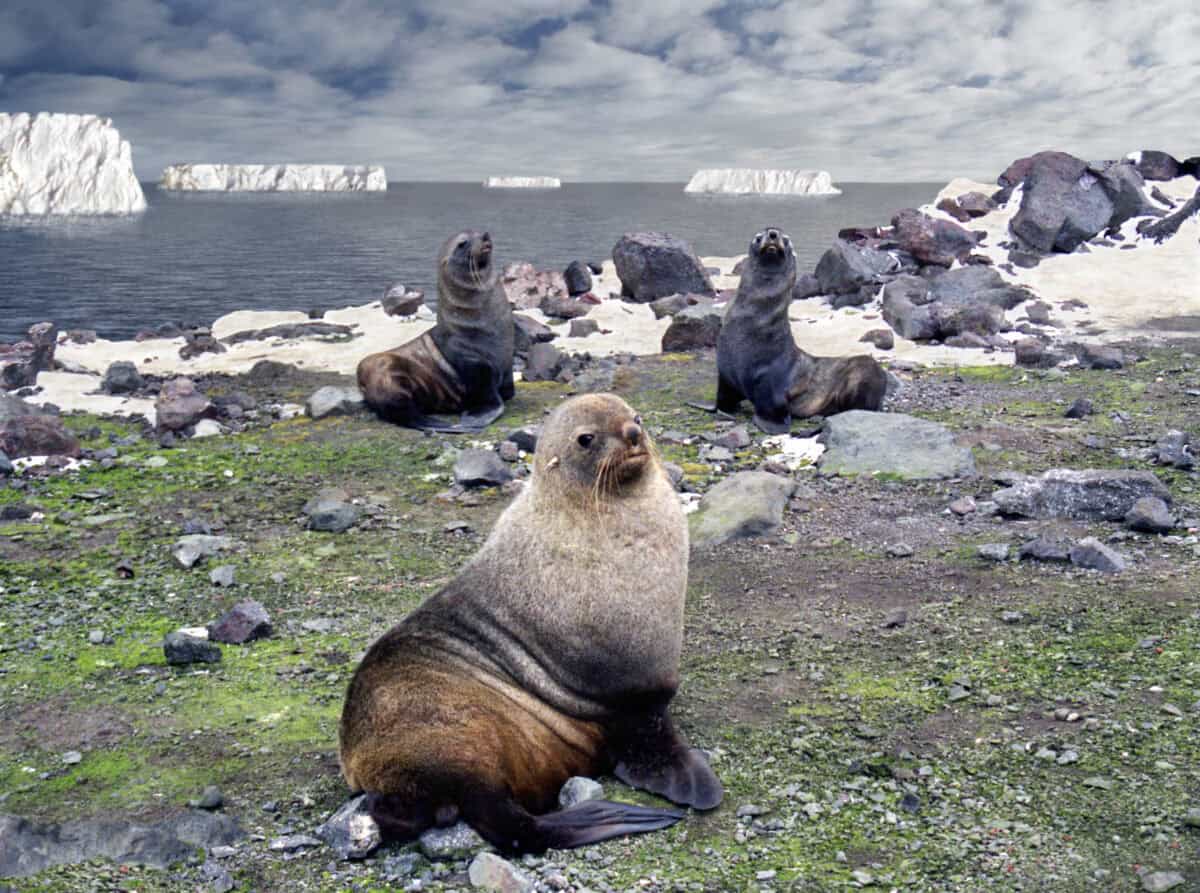
While hauling out is a normal activity, it can sometimes indicate stress or health issues. Seals may come ashore if they are sick, injured, or malnourished, seeking respite and safety. Wildlife experts often assess these animals to provide assistance when necessary.
Seal Conservation Efforts
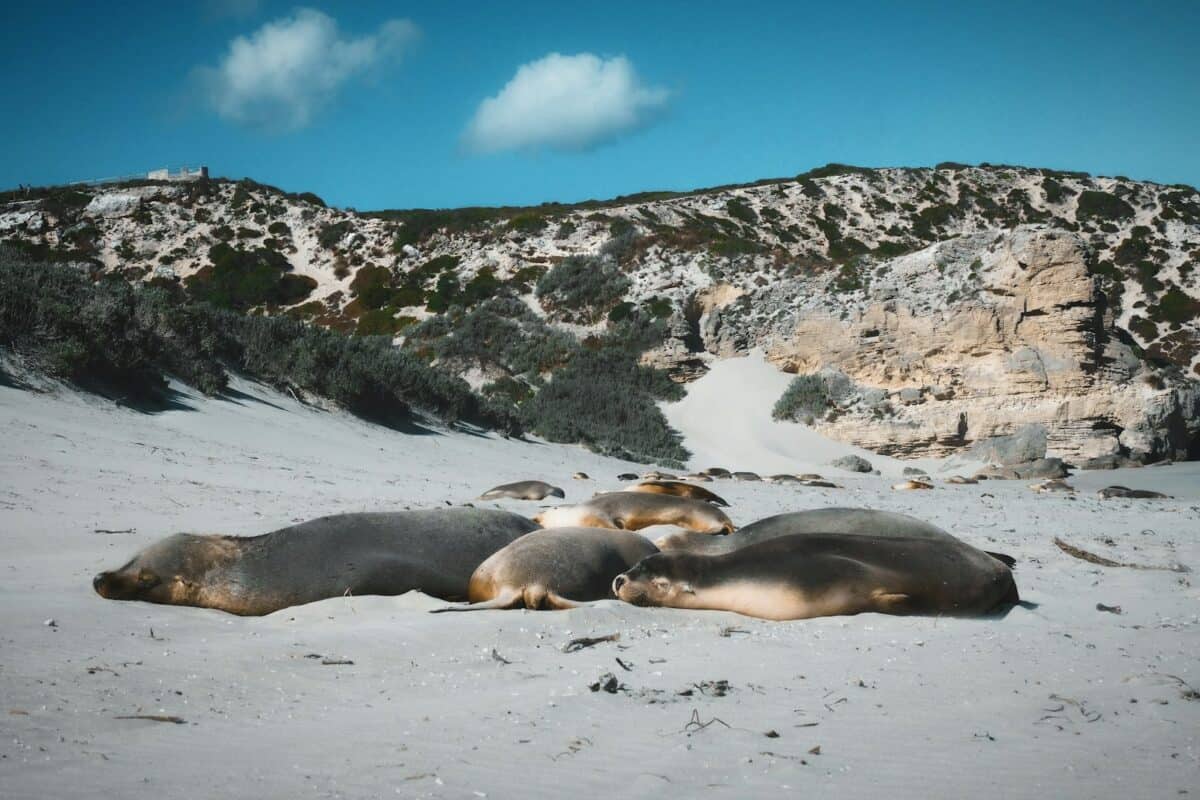
Conservation efforts for seals focus on protecting their natural habitats and ensuring the sustainability of their prey. Organizations advocate for marine conservation zones, sustainable fishing practices, and pollution reduction to maintain healthy marine ecosystems.
Legal Protections for Seals
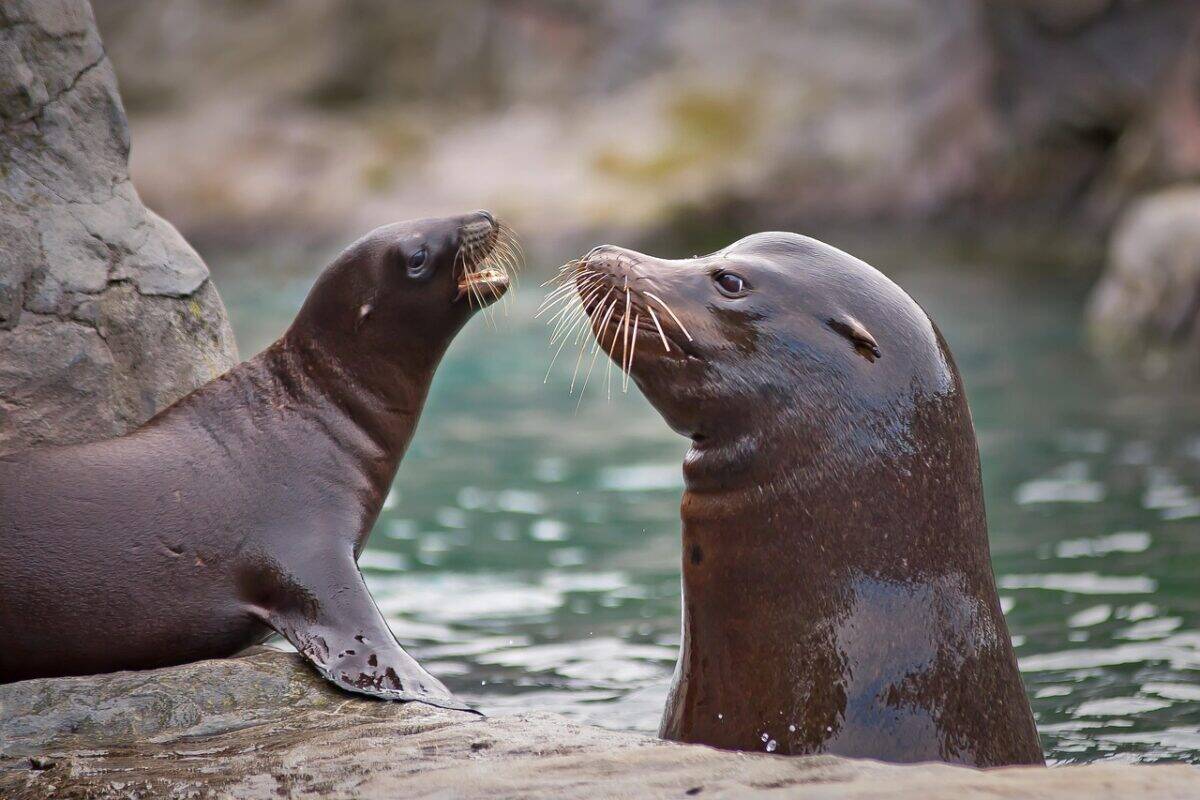
In the U.S., seals are protected under the Marine Mammal Protection Act (MMPA), which prohibits harassment, hunting, or killing of marine mammals. These protections are vital for maintaining stable populations and ensuring that seals can continue to thrive in both their aquatic and terrestrial habitats.
The Role of Beachgoers

Beach visitors play a crucial role in the welfare of seals. Maintaining a respectful distance, minimizing noise and disturbance, and avoiding leaving trash that might harm marine life are simple actions that can have a significant positive impact on these animals’ well-being.
Seals hauling out in record numbers on U.S. beaches reflect a complex interplay of environmental changes, human activity, and natural behaviors. By understanding and addressing the factors influencing this increase, we can contribute to the conservation and protection of these incredible marine mammals. Through thoughtful engagement and informed action, we support the delicate balance of ocean ecosystems—a vital step for both seals and humans alike.

- The Story Behind the Red Panda’s Endangered Status - July 18, 2026
- Are You Really Swallowing Spiders in Your Sleep? - July 18, 2026
- Why Japanese Macaques Love Hot Springs - July 17, 2026