


In the world of nature, there are few spectacles as captivating—and sometimes unsettling—as a large-scale insect invasion. Among these, one stands out in American history due to its sheer peculiarity and unexpected consequences: the Mormon cricket swarms. These infestations have been known to occur across several states, creating a chitinous blizzard that farms and towns are often ill-prepared to handle. This article delves into the fascinating world of these insects, exploring how they turn from curiosity to calamity.
Understanding the Mormon Cricket

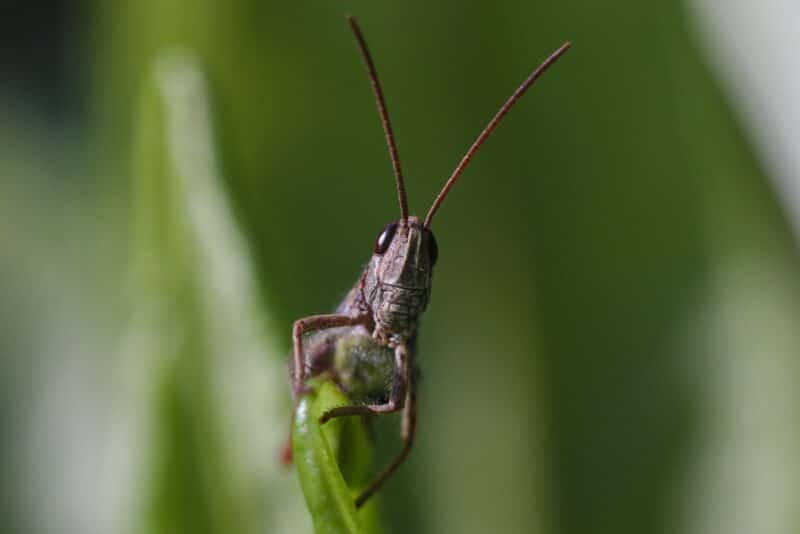
The Mormon cricket, despite its name, is not actually a true cricket but a flightless katydid. Scientifically known as Anabrus simplex, it is native to the western United States. These insects can grow up to three inches long and are notorious for their swarming behavior, which has impacted agriculture and infrastructure in several states.
A Historical Perspective

The name “Mormon cricket” dates back to an event in the mid-19th century when these voracious insects threatened the crops of Mormon settlers in Utah. The damage was so severe that the event became known as the “Miracle of the Gulls,” where seagulls were said to have saved the settlers by devouring the hordes of crickets.
Life Cycle and Swarming Behavior

Mormon crickets undergo a complex life cycle that spans several stages from egg to adult. They are most notorious during their swarming phase, which can consist of millions of insects marching across the landscape, consuming almost all vegetation in their path. This behavior is typically driven by environmental factors and resource availability.
Impact on Agriculture
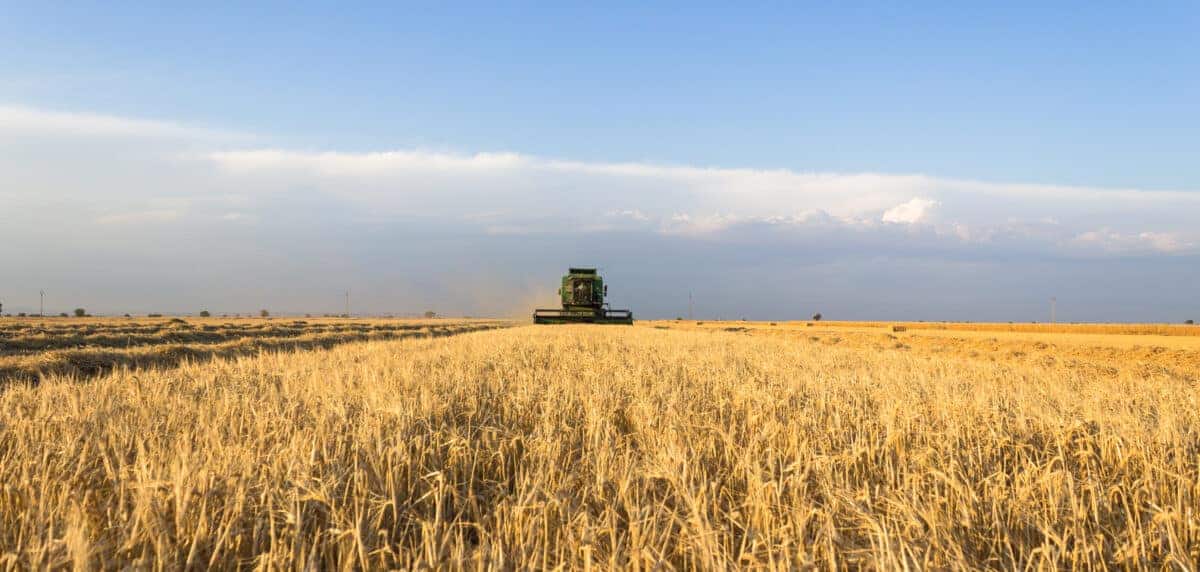
The appetite of the Mormon cricket is both their signature and bane, as swarms can devastate pastures and crops, leading to significant agricultural losses. A single swarm can march over an area for days, leaving a path of destruction that can take seasons to recover from, costing farmers thousands of dollars in damages.
Why Do They Swarm?

The swarming behavior of Mormon crickets is primarily attributed to two main factors: overcrowding and food scarcity. When resources are limited, these insects band together, which provides safety in numbers against predators, and they migrate en masse to new feeding grounds.
Geographical Reach of the Invasion

Mormon cricket invasions occur predominantly in the western United States, affecting states such as Idaho, Montana, Utah, and Nevada. The breadth of these invasions makes them particularly challenging to manage as they can stretch over vast areas of land, impacting multiple communities simultaneously.
Environmental and Ecological Effects

Aside from their agricultural impact, Mormon cricket swarms can also disrupt local ecosystems. They can outcompete native species for food and cause imbalances in the vegetation, which can lead to longer-term ecological consequences.
Countermeasures and Control

Managing a Mormon cricket invasion is challenging due to the sheer number of insects and their widespread reach. Farmers and local governments have employed various strategies, including pesticides, trapping, and even biological controls, though these methods often have varied success rates.
The Role of Weather Patterns

Weather patterns play a significant role in the life cycle and population booms of Mormon crickets. Warm, dry conditions are favorable for their reproduction, leading to more frequent and intense invasions during certain climate cycles.
Modern-Day Incidents
In recent years, the United States has seen a resurgence in Mormon cricket invasions, posing renewed challenges for contemporary agriculture. Understanding and anticipating these events is critical to mitigating their impact on farming communities.
The Future of Mormon Cricket Management
Research is ongoing to find more effective and sustainable methods for managing Mormon cricket populations. Innovations in biology, technology, and environmental science offer hope for reducing the intensity of future invasions.
Conclusion: The Lessons Learned
The bizarre and often overwhelming invasions of the Mormon cricket serve as a reminder of nature’s unpredictability and its impact on human life. Through a combination of historical knowledge, scientific research, and innovative strategies, it is possible to better prepare for these cyclical events and minimize their effects on agriculture and the environment. In conclusion, understanding the behavior and biology of the Mormon cricket provides valuable insights that can aid in mitigating the impact of future invasions. By fostering a collaborative approach between scientists, farmers, and policymakers, communities can build resilience against these and other insect invasions.

As a little kid, I fell in love with nature, wildlife, and animals. Living in the USA, South Africa, Italy, China and Germany gave me the opportunity to discover the world's Wildlife. My favorite animals are Mountain Gorillas, Siberian Tigers, and Great White Sharks.
I'm a certified PADI Open Water Diver, went to Everest Base Camp and Trekked Gorillas in Uganda. I hold a Master of Science in Economics and Finance.
Please send any feedback to feedback@animalsaroundtheglobe.com
- 18 Animal Facts Every U.S. Kid Learns in School But Forgets - July 28, 2026
- 13 Bison Behaviors You Should Never Ignore - July 28, 2026
- 15 Reasons the Bald Eagle Is More Than Just a Symbol - July 28, 2026
Leave a comment
You must be logged in to post a comment.