


The United States is home to an extraordinary array of landscapes, each fostering unique ecosystems teeming with diverse wildlife. These national parks not only provide breathtaking views and recreational opportunities but also serve a crucial role in conserving the delicate balance of nature. In this article, we celebrate 14 of the most iconic national parks that serve as sanctuaries for countless species, ensuring the future of America’s rich biodiversity. Join us on this journey as we explore these stunning parks and the wildlife they protect.
Yellowstone National Park
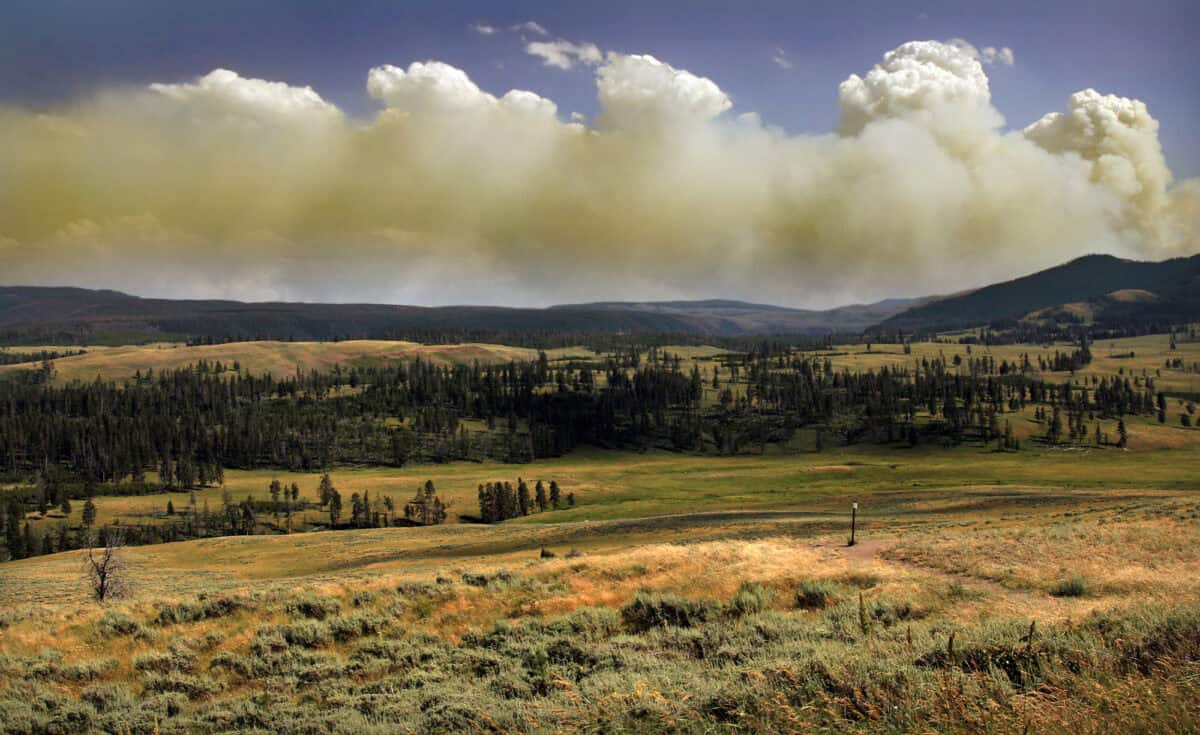
As America’s first national park, Yellowstone is renowned for its geothermal features and stunning landscapes, covering parts of Wyoming, Montana, and Idaho. It hosts a vibrant ecosystem with species such as bison, wolves, and grizzly bears. The park’s expansive area allows large mammals to roam freely, exemplifying the North American wilderness at its finest.
Yosemite National Park

Located in California’s Sierra Nevada mountains, Yosemite National Park is famous for its giant, ancient sequoias and sweeping granite cliffs. This biodiversity hotspot is home to black bears, bobcats, and mule deer, alongside a rich diversity of bird species. The park’s preservation efforts focus on maintaining the ecological integrity of its diverse habitats.
Grand Canyon National Park

Arizona’s Grand Canyon, a UNESCO World Heritage site, is more than just a stunning landscape; it’s a treasure trove of unique wildlife. The park’s varied elevations house diverse species, including the California condor, one of the most critically endangered birds in the world, and distinct reptiles and amphibians adapted to desert conditions.
Great Smoky Mountains National Park

Straddling the border between North Carolina and Tennessee, this park is celebrated for its ancient mountains and diverse wildlife. Known for its unparalleled biodiversity, it’s particularly famous for inhabiting black bears, white-tailed deer, and salamanders. The dense forests and streams provide ideal environments for countless species to thrive.
Rocky Mountain National Park
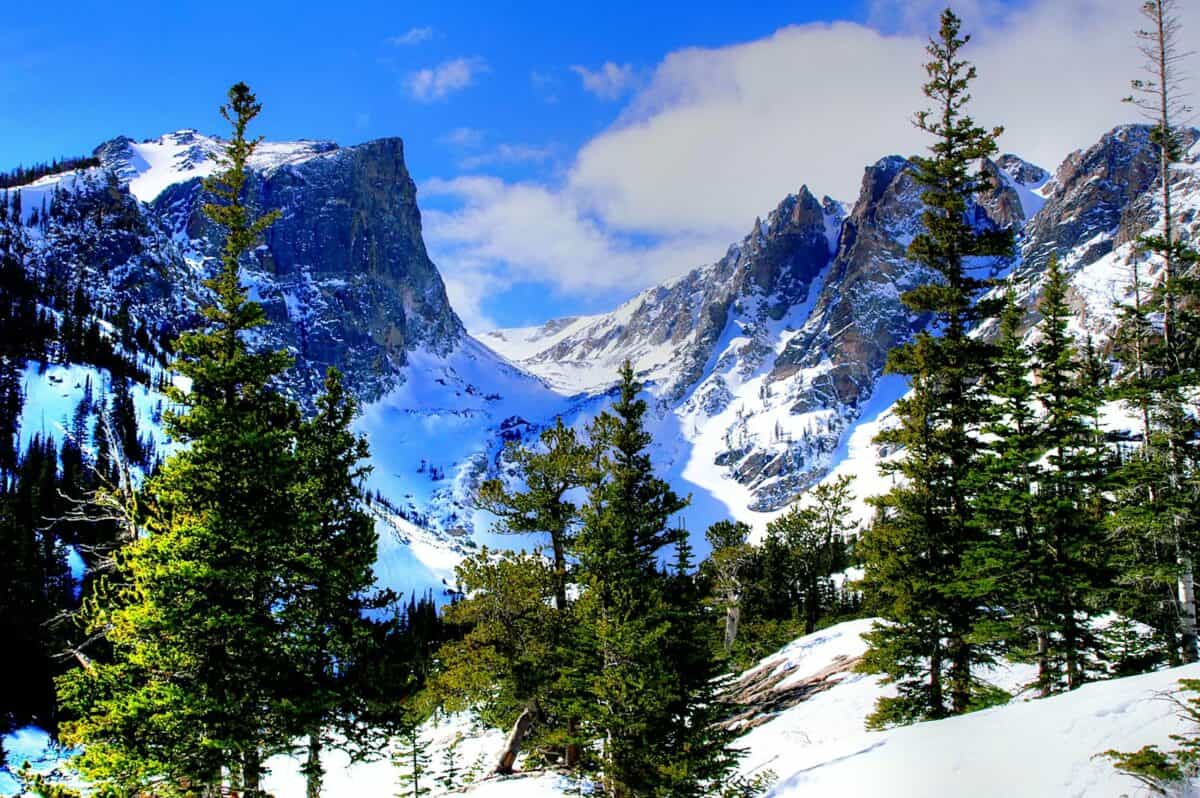
Nestled in Colorado, Rocky Mountain National Park boasts majestic mountain landscapes and a diversity of wildlife. Elk, mountain lions, and bighorn sheep make their homes in the park’s varied ecosystems, ranging from montane forests to alpine tundra. This park highlights the dynamic interconnections found in mountain ecosystems.
Zion National Park

Utah’s Zion National Park is famed for its striking red rock formations and deep canyons. The park supports a rich blend of wildlife, including mule deer, peregrine falcons, and the elusive mountain lions. Its diverse habitats range from desert to riparian areas, promoting a wide range of animal and plant species.
Glacier National Park

Lying on the border of Montana and Canada, Glacier National Park is often referred to as the “Crown of the Continent.” It’s a sanctuary for glaciers, rugged mountain peaks, and wildlife like the elusive wolverine, mountain goats, and grizzlies. The park’s diverse ecosystems are critical habitats for numerous species at risk.
Acadia National Park

On the rugged coast of Maine, Acadia National Park offers a blend of forested, coastal, and aquatic ecosystems. Visitors may spot moose, red foxes, and a variety of seabirds. The park’s diverse landscapes and oceanfront locations are vital for shorebirds and marine life, making it a unique conservation site.
Everglades National Park
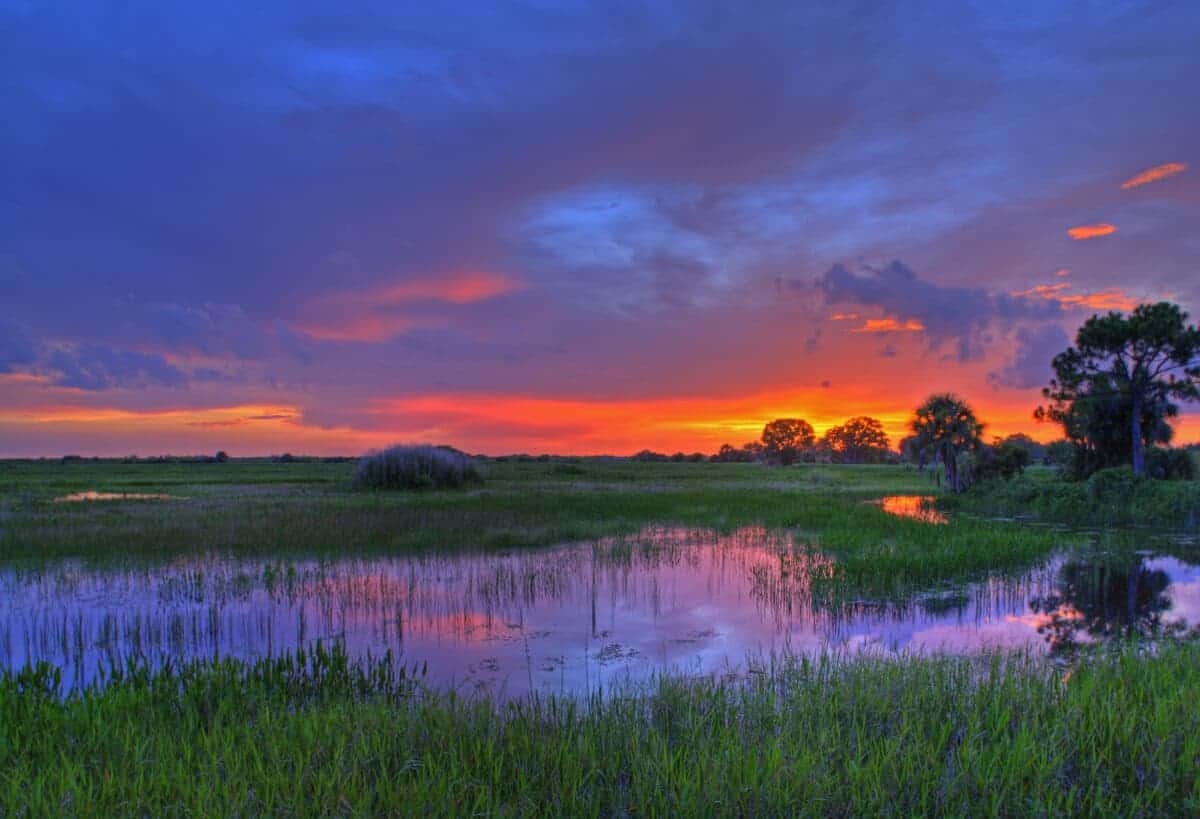
Florida’s Everglades is a vast wetland known for its slow-moving waters and rich wildlife, including alligators, manatees, and the endangered Florida panther. As one of the world’s most significant subtropical wilderness areas, its mangroves and sawgrass marshes provide critical habitats for numerous species.
Denali National Park

Located in the heart of Alaska, Denali National Park is home to the highest peak in North America, Mount Denali. The park supports an abundance of wildlife such as caribou, wolves, and brown bears. Its intact ecosystem presents a pristine wilderness where animals roam as they have for millennia.
Olympic National Park

Washington’s Olympic National Park features rugged coastlines, lush rainforests, and alpine peaks. This ecological diversity supports black bears, Roosevelt elk, and an array of marine life. Its varied environments offer researchers a remarkable laboratory for studying nature’s complexities and adaptations.
Joshua Tree National Park

In the Mojave Desert of California, Joshua Tree National Park is where two distinct desert ecosystems converge. Wildlife like desert tortoises, bighorn sheep, and various reptile species thrive in its arid landscapes, illustrating the extraordinary adaptations of desert life.
Sequoia and Kings Canyon National Parks

These contiguous parks in California protect giant sequoias and dramatic landscapes. They are a haven for black bears, mountain lions, and numerous smaller mammals. Conservation efforts focus on combating threats such as wildfires and climate change to preserve these ancient trees and the wildlife they shelter.
Summing Up the Majesty of U.S. National Parks

The United States’ national parks are invaluable treasures that safeguard stunning landscapes and countless species of wildlife. From the geothermal wonders of Yellowstone to the glacial expanses of Glacier National Park, each park is a testament to the country’s commitment to preserving nature’s wonders for future generations. These iconic parks underscore the importance of conservation, inspiring us all to cherish and protect the natural world.

As a little kid, I fell in love with nature, wildlife, and animals. Living in the USA, South Africa, Italy, China and Germany gave me the opportunity to discover the world's Wildlife. My favorite animals are Mountain Gorillas, Siberian Tigers, and Great White Sharks.
I'm a certified PADI Open Water Diver, went to Everest Base Camp and Trekked Gorillas in Uganda. I hold a Master of Science in Economics and Finance.
Please send any feedback to feedback@animalsaroundtheglobe.com
- The Mysterious Pink River Dolphins of the Amazon - July 31, 2026
- 12 Bald Eagle Comebacks That Prove Conservation Works - July 31, 2026
- 16 Pet Breeds Perfect for Apartment Living - July 31, 2026
Leave a comment
You must be logged in to post a comment.