

Animals exhibit a myriad of fascinating behaviors that captivate our curiosity and imagination. While science has uncovered many secrets of the animal kingdom, some behaviors remain elusive, challenging our understanding of the natural world. From inexplicable migrations to puzzling social dynamics, these mysteries remind us of nature’s boundless complexity. Dive into the enigmatic world of animal behavior as we explore 13 phenomena that continue to baffle scientists.
Mysterious Whale Songs

Whale songs have long intrigued both researchers and the general public. These low-frequency sounds can travel vast distances across the ocean, yet their purpose is still largely debatable. While some scientists believe these vocalizations play a role in mate attraction or navigation, others suggest they are a form of social interaction. The exact function of these haunting melodies remains one of the great mysteries of marine biology.
Animal Suicides Fact or Folklore?

The notion of animals committing suicide is a contentious topic. While stories of lemmings jumping off cliffs have been debunked as myths, there are documented cases of mass animal deaths that seem to beg an explanation. For instance, the beaching of whales and dolphins in large numbers is a phenomenon with no definitive scientific consensus, posing questions about environmental stressors, navigation errors, and more.
The Enigma of Cat Headbutts

Cats often engage in a behavior known as “bunting,” where they nuzzle or headbutt humans and other animals. While this behavior is generally understood to be a sign of affection, marking territory with scent glands, or seeking attention, the deeper motivations and subtleties of bunting are still being investigated. What’s clear is that this behavior strengthens social bonds, demonstrating the intricate ways cats communicate with their companions.
Dolphin Echolocation More Than Meets the Ear

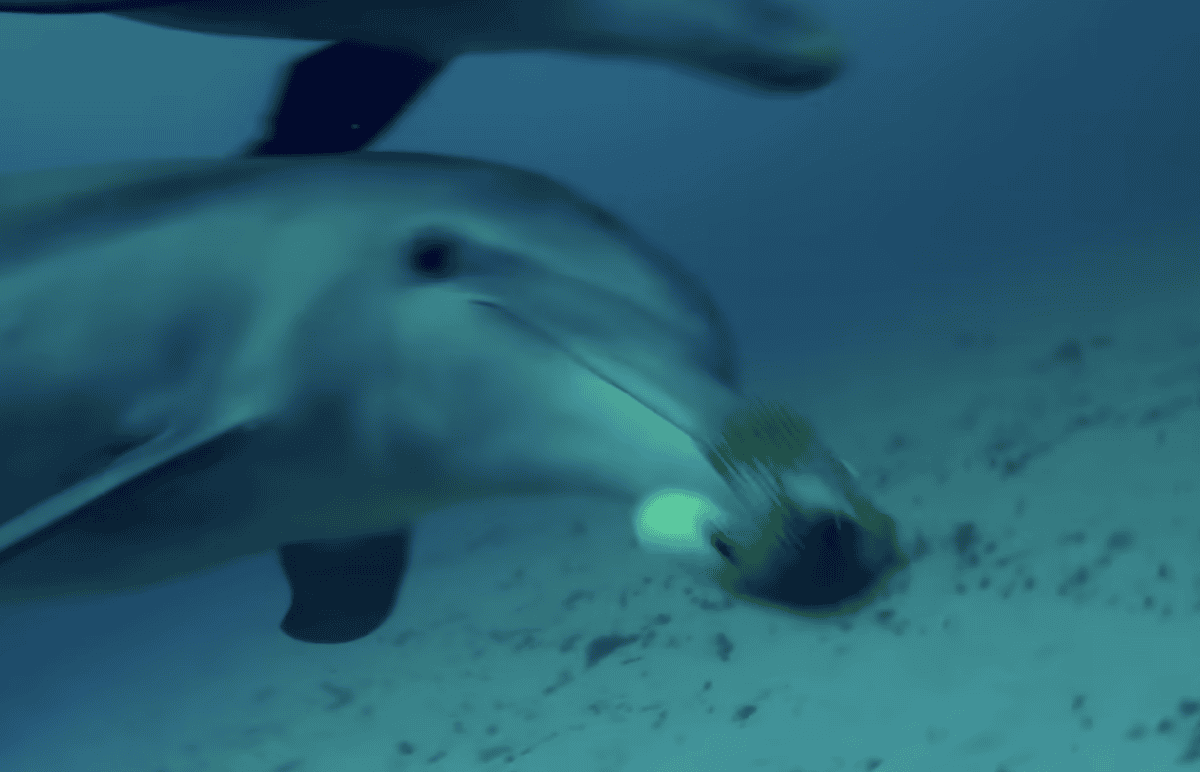
Dolphins are renowned for their sophisticated echolocation abilities, using sound waves to hunt and navigate. However, the full extent of this skill and its neurological underpinnings remain largely unexplored. Some studies suggest that echolocation might also serve a social function, providing dolphins with a means of complex communication. The cognitive processes involved in this advanced sonar system continue to intrigue researchers.
Migration Mysteries Monarch Butterflies

Each year, millions of monarch butterflies migrate thousands of miles from North America to central Mexico. This journey is a marvel of nature, yet how these delicate insects navigate such distances with precision is still not fully understood. Hypotheses include the use of the sun’s position, Earth’s magnetic field, and inherited genetic instructions, but a comprehensive explanation remains elusive.
Elephant Mourning Rituals

Elephants are known for their intelligence and social complexity, traits that are especially evident in their mourning rituals. Observations of elephants lingering over deceased companions, showing distress, and covering the bodies with branches or leaves suggest these animals exhibit behaviors similar to human grief. While these actions imply an emotional response, the depth and nature of elephant mourning remain topics of scientific exploration.
Ant Rafts Ingenious Survival Strategy
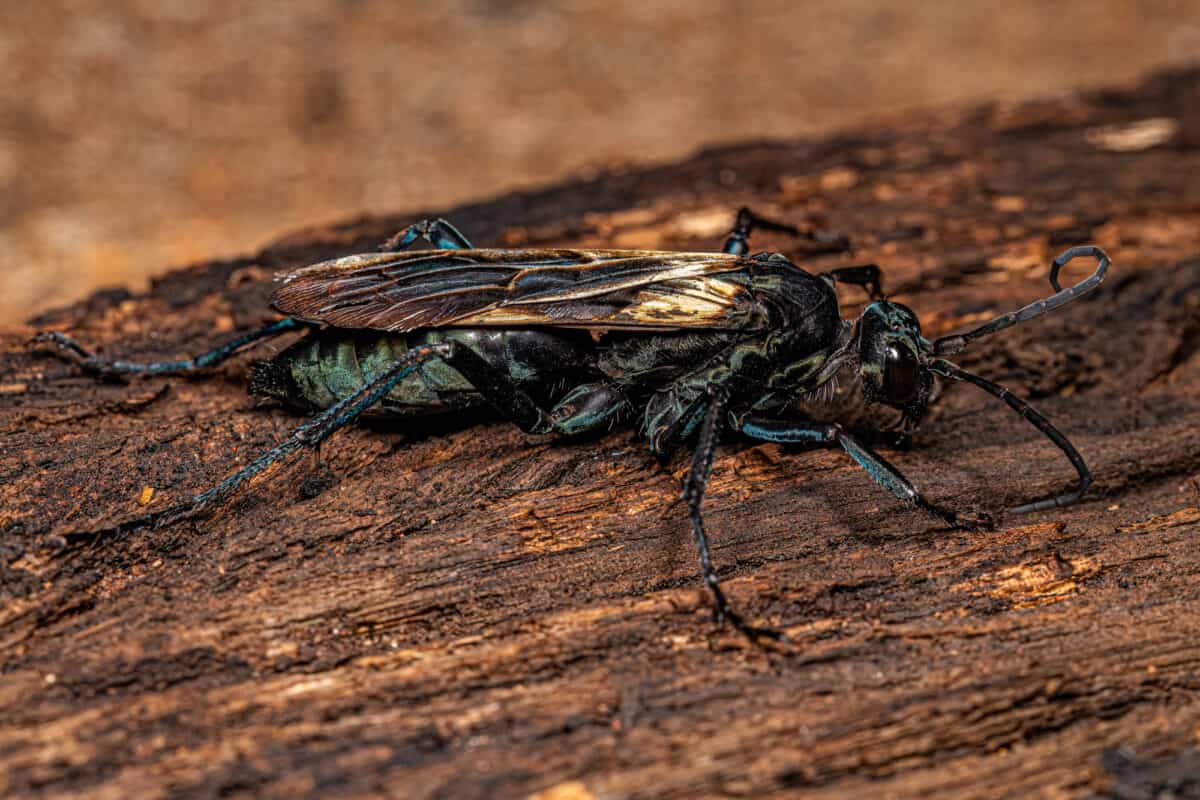
During floods, fire ants exhibit a remarkable survival behavior by forming living rafts. These structures can float for weeks, allowing colonies to withstand adverse conditions. The precise communication and coordination required for this feat fascinate scientists, as it demonstrates complex social behavior and resourcefulness. Yet, the exact mechanisms of how ants organize and maintain these rafts remain partially understood.
Octopus Intelligence Puzzle in the Deep
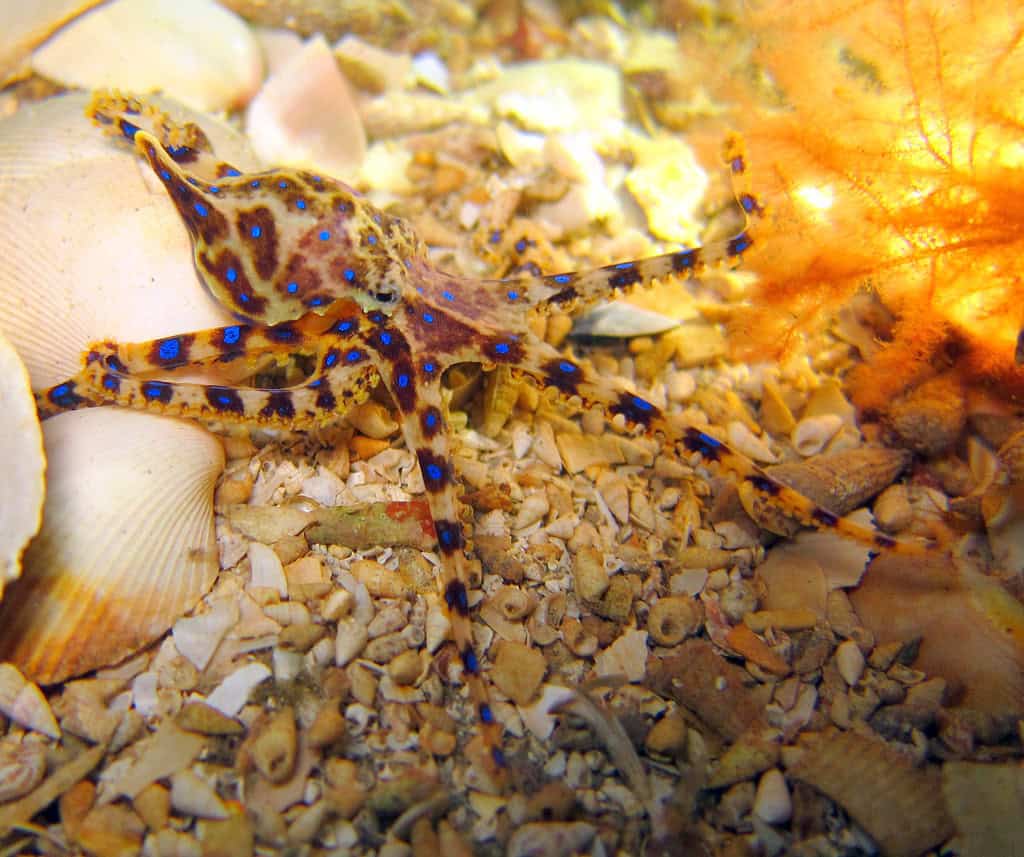
Octopuses are cephalopods known for their remarkable problem-solving skills and intelligence. They can manipulate objects, escape from enclosures, and even use tools. Despite understanding these cognitive capabilities, researchers are puzzled by the extent and application of octopus intelligence in the wild. Their solitary nature raises questions about the evolution of their advanced cognitive abilities.
Peacock Feather Displays Signals Beyond Beauty
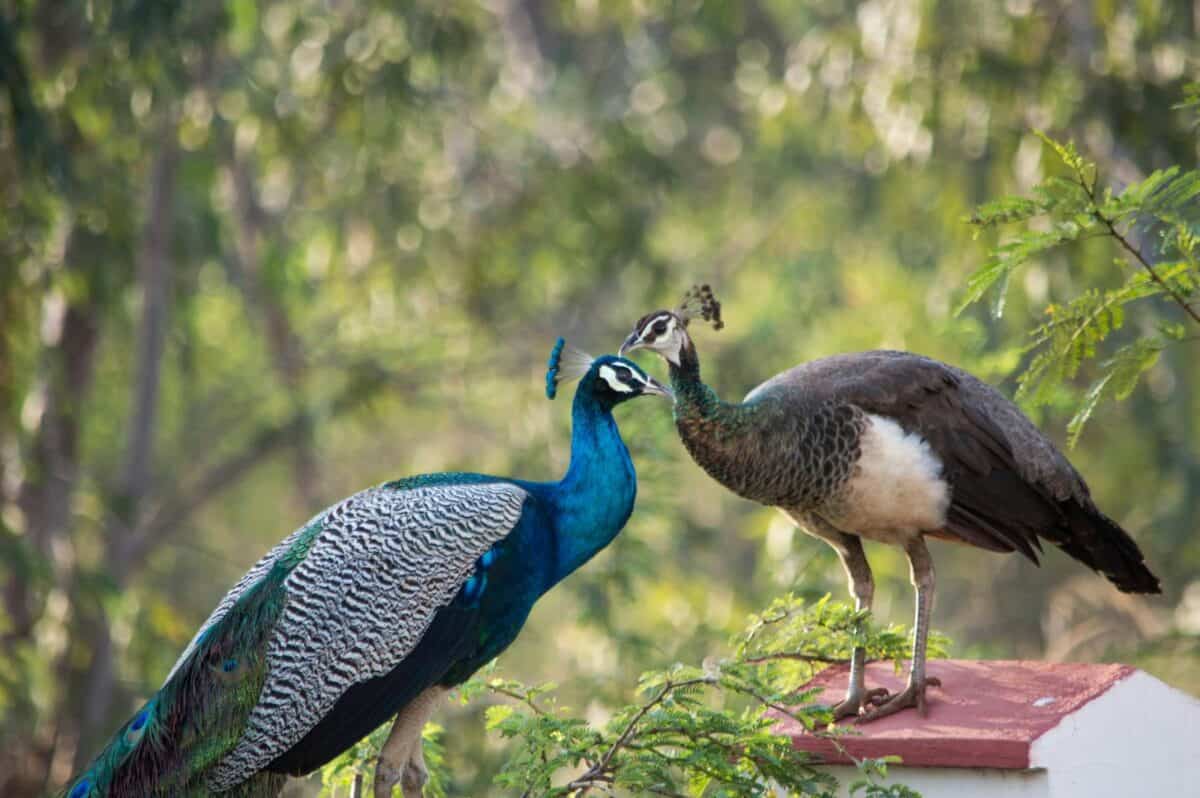
The resplendent tail feathers of male peacocks are iconic, often cited as a textbook example of sexual selection. However, the precise message that these displays communicate to potential mates is still not entirely clear. While it is understood that larger and more colorful feathers indicate good health or genetic quality, the intricate ways peahens interpret and respond to these signals are subjects of ongoing study.
Spider Ballooning Riding the Wind

Many spider species practice a dispersal method known as ballooning, where they release silk strands to catch the wind and travel considerable distances. This behavior allows spiders to colonize new areas, but how they decide when and where to balloon is not fully understood. Factors like weather conditions, internal cues, and terrain likely play roles, but the complexity of these choices is yet to be fully unraveled.
Dormancy in Tardigrades
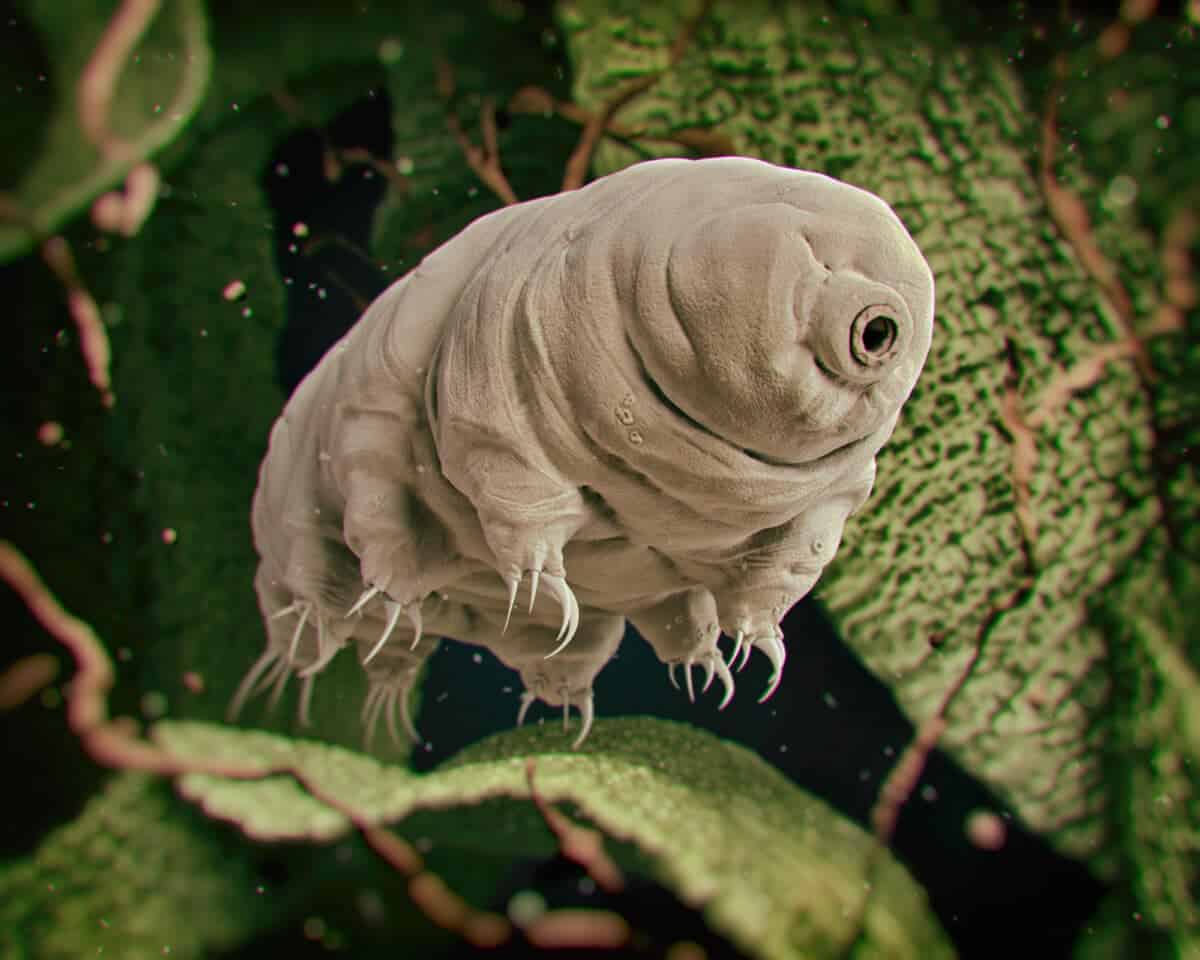
Tardigrades, or water bears, are micro-animals capable of surviving extreme conditions by entering a state of cryptobiosis, essentially pausing life processes. This ability raises questions about the biochemical and genetic mechanisms that enable such resilience. Understanding this behavior could have implications for fields ranging from biology to space exploration, yet remains an enigmatic aspect of tardigrade biology.
Altruistic Warning Calls in Meerkats

Meerkats are known for their cooperative behavior, especially their social vigilance and alarm calls, which warn the group of predators. Some researchers propose that this altruism is driven by genetic relatedness, while others suggest it plays a role in maintaining group cohesion. The complex social dynamics and evolutionary benefits of such selfless behavior continue to intrigue scientists.
Bpumping in Dogs Searching for an Explanation

Dog owners often observe their pets engaging in what is known as zoomies, short bursts of energy marked by rapid and playful running. While bimpying is generally seen as a display of joy and exuberance, the exact triggers and purpose behind this behavior are not entirely understood. It may be a stress release mechanism or simply a way to burn excess energy, highlighting the joyfulness innate to canine companions.
Conclusion

In conclusion, animal behaviors span a vast range of complexities and intricacies, some of which defy our current scientific understanding. These mysteries not only highlight the limitations of our knowledge but also inspire continued research and exploration. As we delve deeper into the animal kingdom, we further appreciate the intricate tapestries of life that enrich our planet, reminding us of the fascination inherent in nature’s wonders.

As a little kid, I fell in love with nature, wildlife, and animals. Living in the USA, South Africa, Italy, China and Germany gave me the opportunity to discover the world's Wildlife. My favorite animals are Mountain Gorillas, Siberian Tigers, and Great White Sharks.
I'm a certified PADI Open Water Diver, went to Everest Base Camp and Trekked Gorillas in Uganda. I hold a Master of Science in Economics and Finance.
Please send any feedback to feedback@animalsaroundtheglobe.com
- The Fascinating World of Cats Unraveling Their Mysteries and Charms - July 18, 2026
- 10 Traits of a Strong Pack And 3 That Signal Trouble - July 18, 2026
- 14 Most Curious Animal Adaptations Found in the U.S. - July 18, 2026