

Grizzly bears are one of nature’s most awe-inspiring creatures, embodying both the beauty and danger of the wild. Renowned for their powerful presence and untamed nature, these magnificent animals have always fascinated and humbled those lucky enough to witness them. Embarking on a journey through the heart of the U.S. wilderness, we explore the incredible story behind the largest grizzly bear ever spotted.
The Enormity of the Encounter

In the vast wilderness of the U.S., a remarkable sighting of an enormous grizzly bear captivated scientists, adventurers, and nature enthusiasts alike. The bear, which was spotted in the remote regions of Alaska, was estimated to weigh over 1,500 pounds, a size rarely recorded in modern history. Its breathtaking stature was a testament to the abundance and thriving nature of its habitat.
Understanding Grizzly Bears: An Overview

Grizzly bears, a subspecies of the brown bear, inhabit the wilderness areas of North America. Known scientifically as Ursus arctos horribilis, these creatures have a distinctive hump on their shoulders, which is actually a robust muscle mass supporting their formidable digging capabilities. Grizzlies typically weigh between 400 to 600 pounds; however, males can reach weights of up to 1,500 pounds in exceptional cases.
The Habitat of Grizzly Bears

Their habitat ranges from dense forests and alpine meadows to tundra regions, primarily in Alaska and parts of western Canada. The abundance of resources like salmon runs, vegetation, and prey in these areas contributes to their growth and sustenance. Protected wilderness areas have enabled some grizzlies to reach record sizes, thriving amidst minimal human interference.
Grizzly Bear Behavior and Diet

Grizzly bears are omnivores with a varied diet that includes fish, especially during salmon spawning seasons, berries, roots, and small mammals. Their foraging habits change with the seasons, and their opportunistic nature allows them to adapt to available food sources. This dietary adaptability is crucial for their survival in fluctuating environmental conditions.
A Day in the Life of a Grizzly
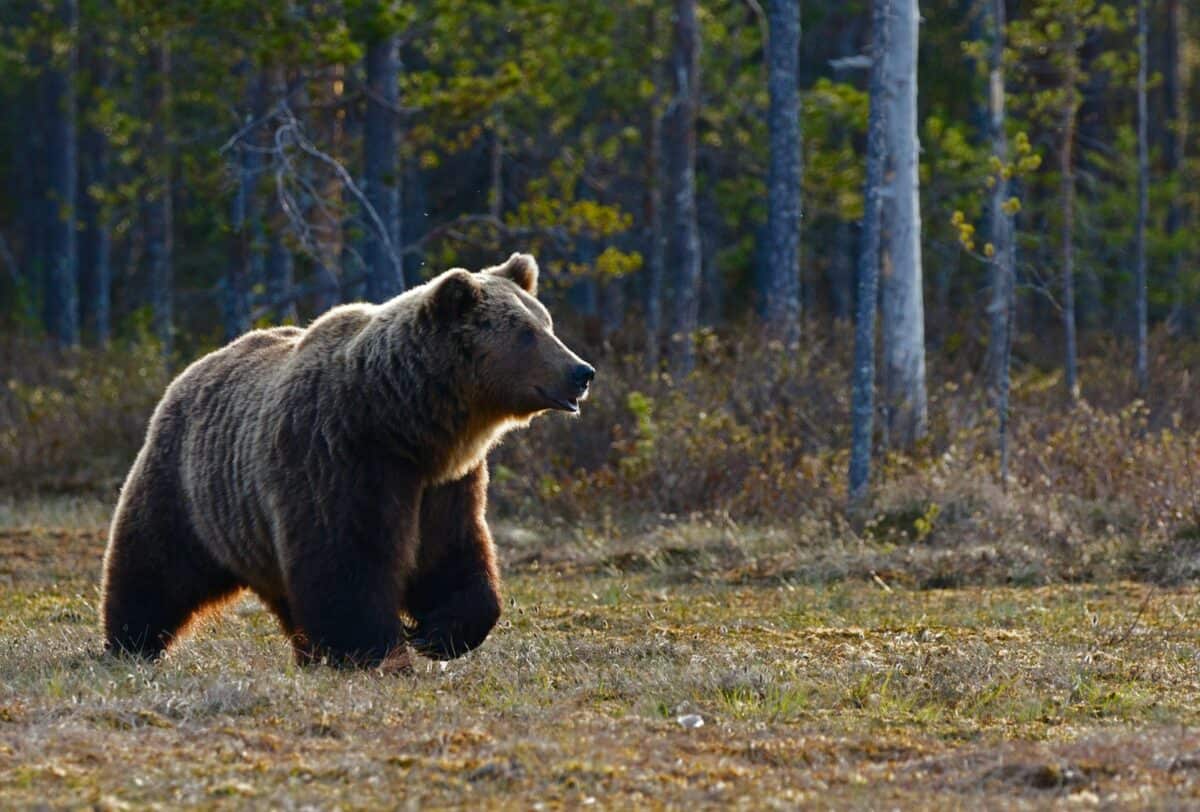
A typical day for a grizzly bear involves searching for food, roaming its home range, and resting. These bears display solitary behavior, except for mothers with cubs or during the mating season. An evolutionary marvel, their biological clock dictates a period of hyperphagia in late summer and autumn, allowing them to build reserves for winter hibernation.
How Grizzlies Adapt to Their Environment

Grizzly bears possess an incredible capacity to adapt to their environment. Their thick fur insulates against cold and wet conditions, while their sharp claws and powerful limbs allow effective foraging and hunting. Seasonal changes in their metabolism enable them to survive long periods without food during their winter denning.
The Role of Grizzlies in the Ecosystem

Grizzlies play a critical role in their ecosystems. As apex predators, they help maintain a balance by controlling herbivore populations and promoting vegetation growth. Their foraging behavior aids in seed dispersal, contributing to the ecological diversity and resilience of their habitats.
Threats Facing Grizzly Bears Today

Despite their ferocity and prominence in the wild, grizzly bears face numerous threats. Habitat loss due to human encroachment, climate change, and illegal poaching have all led to a decline in their populations. Conservation efforts are vital to ensure their continued existence and the health of the ecosystems they support.
Conservation Efforts: Protecting the Giants

Conservation initiatives across North America focus on preserving grizzly habitats, minimizing human-bear conflicts, and fostering ecological research. Protected national parks, like Yellowstone and Glacier, serve as critical sanctuaries, allowing these majestic animals to roam freely and safely.
Encounters Between Humans and Grizzlies

While encounters with grizzlies can be awe-inspiring, they require respect and caution from humans. Understanding bear behavior, carrying bear spray, and following recommended guidelines are essential for safe coexistence. Education and awareness campaigns are integral in reducing the potential for conflict.
Grizzly Myths and Facts: Dispelling Misconceptions

Grizzlies have been the subject of numerous myths and stories, sometimes painting them as ferocious man-eaters. While dangerous if threatened, grizzlies are generally peaceful and avoid human interaction. Understanding their true nature can help foster appreciation and respect for these remarkable creatures.
The Significance of the Largest Grizzly

The sighting of the largest grizzly bear in U.S. wilderness is a powerful reminder of nature’s grandeur and secrets yet to be uncovered. Such encounters symbolize hope and the importance of preserving these irreplaceable environments. They motivate ongoing efforts to conserve the natural world for future generations.
In conclusion, the story of the largest grizzly bear ever spotted in U.S. wilderness captivates and educates us about these magnificent creatures. Their role in the ecosystem and the challenges they face underline the need for continued conservation efforts. By ensuring their survival, we preserve not only a vital part of the ecosystem but also the wild essence that inspires human wonder and respect.

- The Deepest-Diving Whale Can Hold Its Breath for Over 2 Hours - August 14, 2026
- If Animals Had Olympics — Who Would Win Gold? - August 14, 2026
- Are Dory Fish Actually Forgetful? The Science Behind Blue Tangs - August 14, 2026