

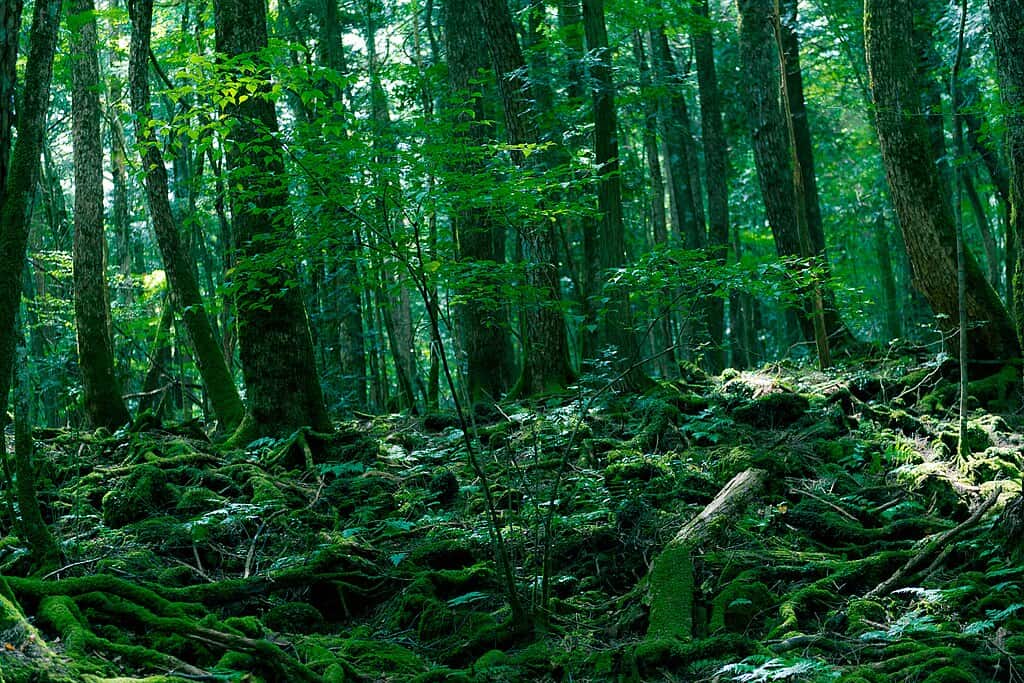
The relentless march of civilization is sometimes halted by the even more powerful force of nature. When humanity builds its structures and cities, it often forgets that nature was there first. Yet, there are moments when nature reclaims what was once hers, reminding us of her enduring presence and power. This article explores 14 instances where nature has gracefully, and sometimes forcefully, taken back what humans tried to control.
The Enigmatic Forest of Chernobyl

The Chornobyl disaster in 1986 left an indelible mark on history. Yet, in the wake of human tragedy, nature began its slow reclamation. The once bustling town of Pripyat, now a ghost town, is enveloped by verdant forests. Trees grow through windows and roofs, and wildlife thrives in the absence of human activity. The forest has become a symbol of resilience, demonstrating nature’s ability to heal and flourish even in the face of nuclear devastation.
Angkor Wat Trees as Guardians

The ancient temple complex of Angkor Wat in Cambodia is a testament to human ingenuity. However, the roots of towering trees have woven themselves throughout the stone structures, creating a magnificent blend of architecture and nature. These trees, like guardians, stand watch over the ruins, their roots embracing the stones as if to protect them. The harmony between stone and root illustrates how nature can coexist with human history, enhancing its beauty.
The Abandoned Island of Hashima
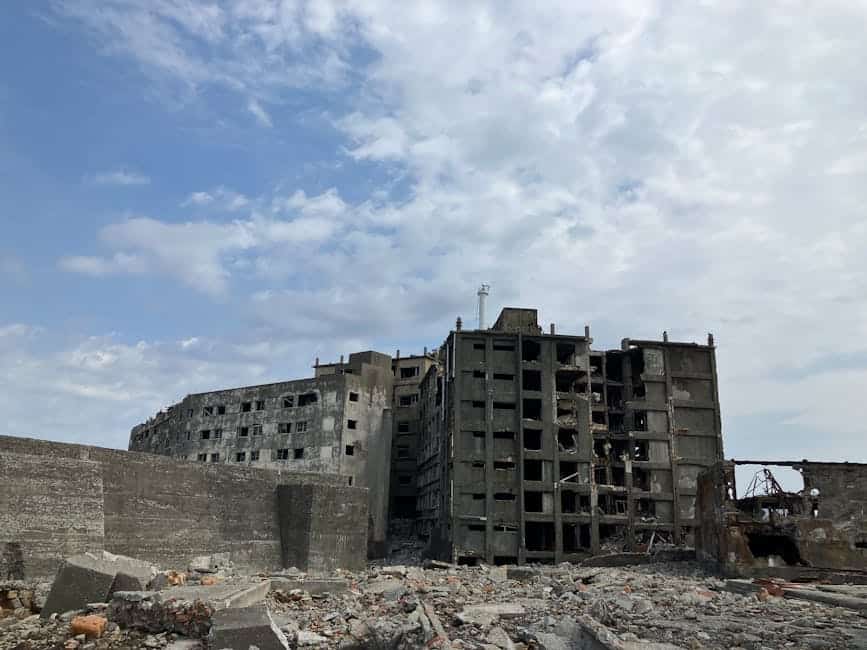
Once a bustling coal mining facility off the coast of Japan, Hashima Island is now a haunting relic. After the mines were depleted, residents left, and nature began its quiet takeover. Vines and shrubs crept over the concrete structures, and the sea claimed parts of the island’s perimeter. Hashima, with its crumbling buildings and lush vegetation, serves as a poignant reminder of the transient nature of human endeavors.
New York’s High Line A Green Revival

The High Line in New York City is an inspiring example of nature reclaiming urban space. Originally an elevated railway, it was abandoned until a visionary project transformed it into a green walkway. Native plants now flourish where trains once ran, offering a lush escape amidst the city’s hustle and bustle. This transformation highlights how integrating nature into urban environments can create spaces of tranquility and beauty.
Kowloon Walled City’s Natural Rebirth
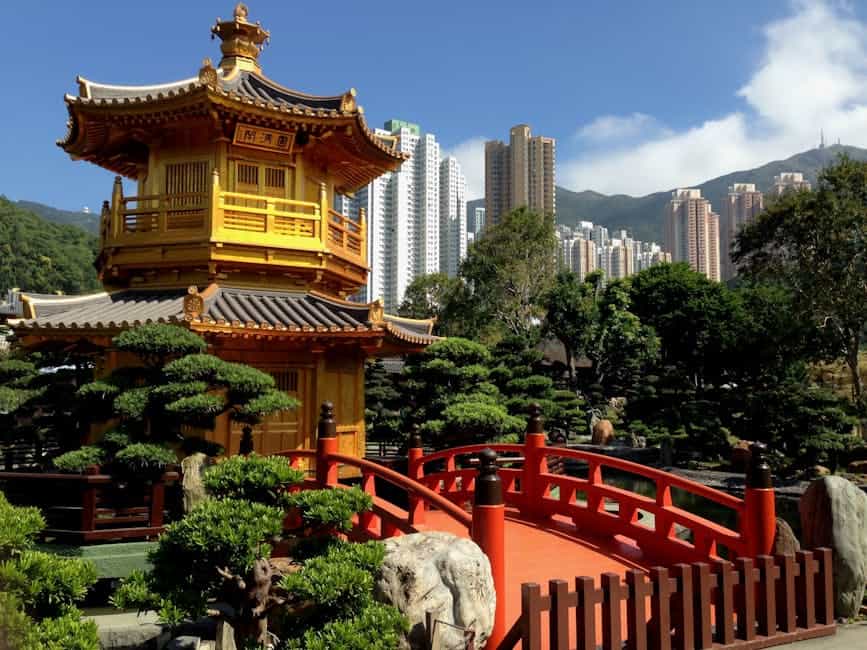
Once the most densely populated spot on Earth, Kowloon Walled City in Hong Kong was demolished in 1993. In its place, a serene park emerged, with nature softening the harsh lines of its past. Trees and gardens now replace labyrinthine corridors, providing a peaceful retreat in the heart of the city. The transformation from chaos to calm is a testament to nature’s ability to heal and renew.
The Sunken City of Port Royal

In 1692, an earthquake and tsunami plunged the bustling city of Port Royal, Jamaica, into the sea. Over time, coral reefs and marine life claimed the submerged ruins, turning them into an underwater wonderland. The city, once known for its vibrancy and vice, now thrives beneath the waves as a thriving marine ecosystem. It serves as a reminder of nature’s ability to adapt and create beauty from disaster.
Fukushima’s Radiant Wildlife

Following the Fukushima nuclear disaster in 2011, humans vacated the area, but nature remained. Surprisingly, wildlife has flourished in the exclusion zone. Boars, bears, and birds roam freely, undisturbed by human presence. This unexpected resurgence of life illustrates nature’s resilience and adaptability, even in the face of human-induced catastrophes.
The Deserted Town of Oradour-sur-Glane
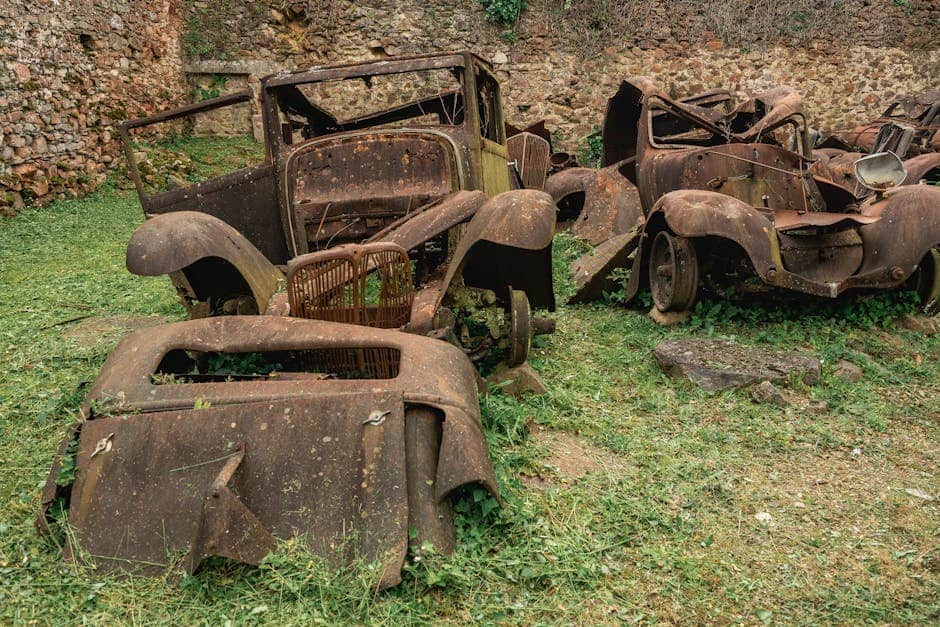
In the aftermath of World War II, the French village of Oradour-sur-Glane was left abandoned, preserved as a memorial. Over the decades, nature has quietly softened the stark remains. Grass and wildflowers grow between the cobblestones, and trees provide shade over the crumbling ruins. The village stands as a poignant reminder of history, with nature acting as a gentle custodian of memory.
The Green Canals of Venice
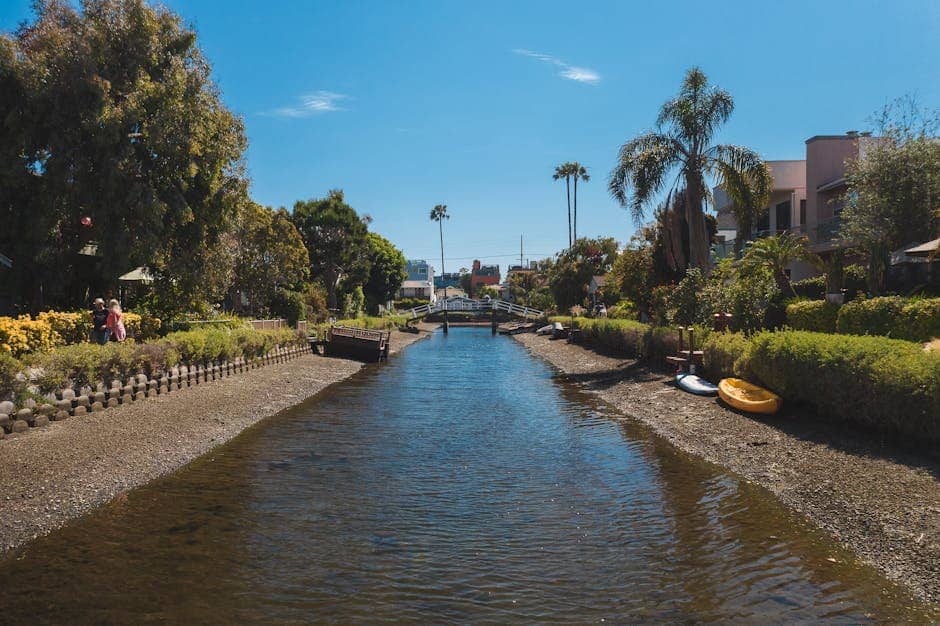
Venice, the city of canals, faces constant challenges from rising sea levels. Yet, when the pandemic halted tourism and boat traffic, the canals underwent a temporary transformation. Clear waters revealed fish and plant life, showing a glimpse of what Venice might have been before human intervention. This brief return to nature reminded the world of the delicate balance between civilization and the environment.
The Lost City of Machu Picchu
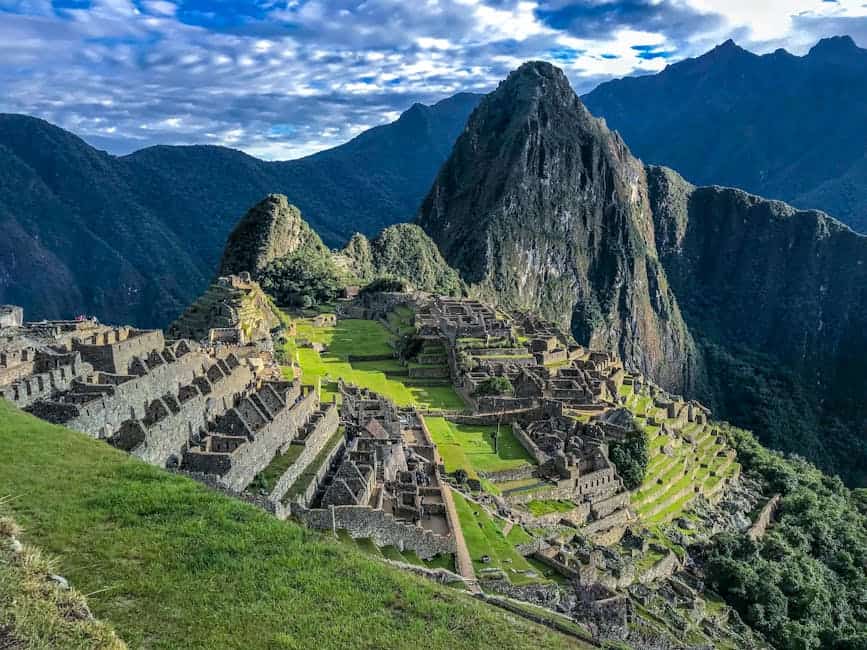
Nestled high in the Andes, Machu Picchu remained hidden for centuries, shrouded in lush jungle. When rediscovered, it was embraced by nature, with terraces and stone structures intertwined with verdant growth. The site exemplifies the harmony that can exist between human achievement and the natural world. The presence of native flora and fauna adds to its mystical allure, drawing visitors from around the globe.
The Overgrown Railway of the Tunnel of Love
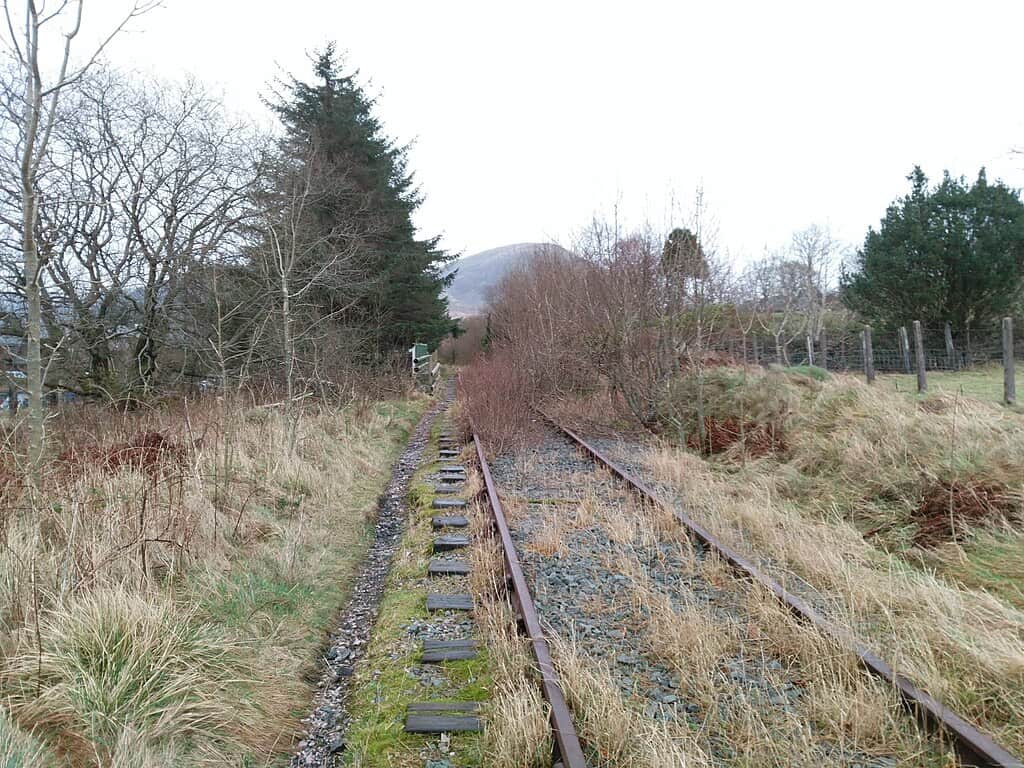
In Ukraine, an industrial railway line transformed into a natural wonder known as the Tunnel of Love. Trees and shrubs have grown around the tracks, forming a lush, green canopy. This enchanting tunnel attracts couples and photographers, illustrating how nature can turn mundane infrastructure into something magical. The Tunnel of Love is a testament to nature’s ability to create beauty in unexpected places.
The Reclaimed Ruins of Pompeii
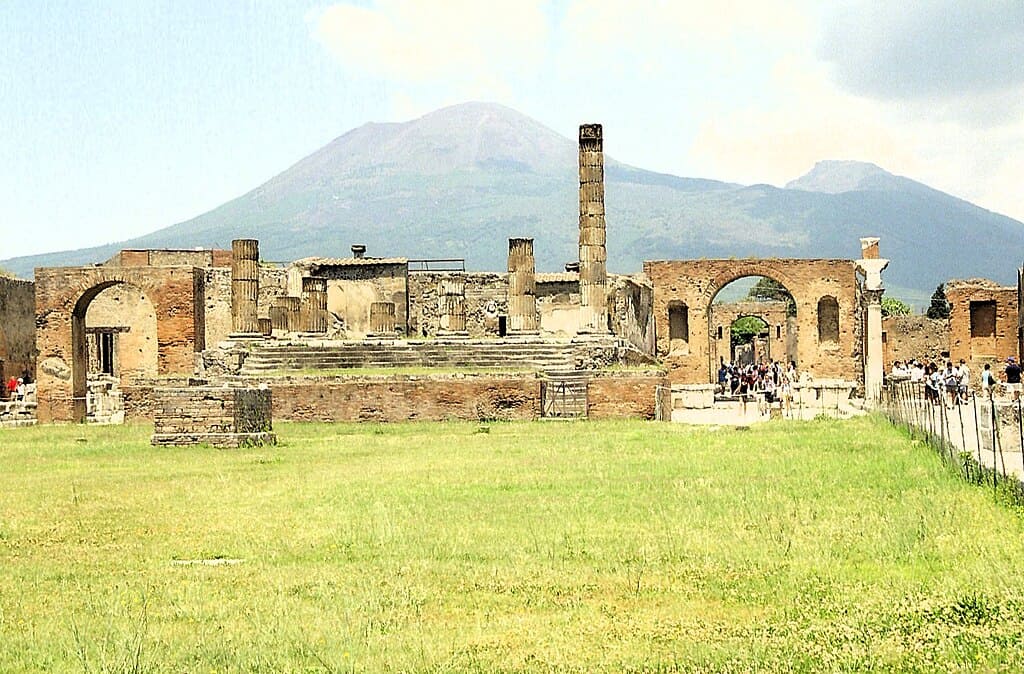
The ancient city of Pompeii, buried by the eruption of Mount Vesuvius, lay hidden for centuries. When excavations began, nature had already started its reclamation. Vines and grasses covered the ruins, adding an eerie beauty to the preserved city. Today, visitors can witness how nature and history intertwine, with flowering plants adorning ancient streets and buildings.
The Wild Reclamation of Detroit
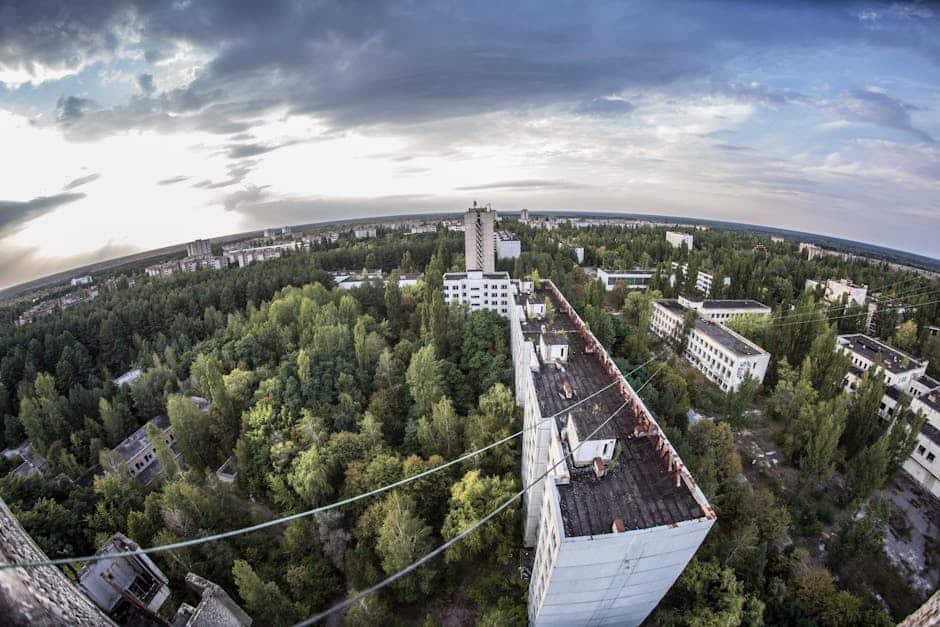
Detroit, once a thriving industrial hub, faced economic decline and population loss. As people left, nature began to reclaim the urban landscape. Vacant lots turned into meadows, and wildlife returned to the city. This transformation illustrates the potential for urban renewal through natural processes, offering hope for future revitalization efforts.
The Enchanting Ruins of Hampi
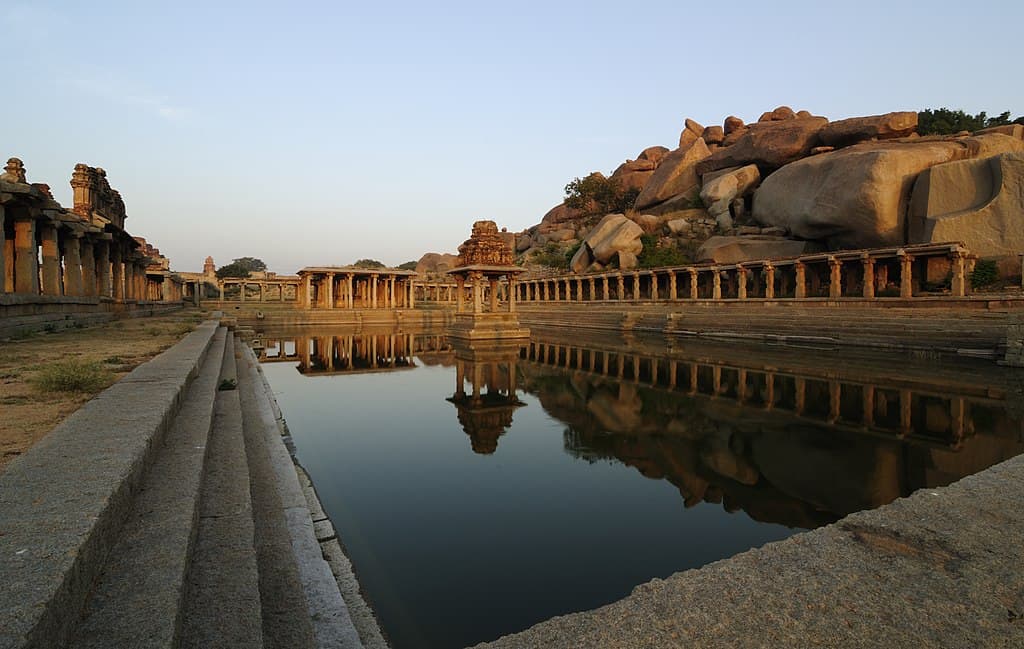
The ancient city of Hampi in India was once a bustling center of commerce and culture. Today, its majestic ruins are embraced by nature, with boulders and trees intertwining with temples and monuments. The landscape is a breathtaking blend of human history and natural beauty. Hampi’s ruins remind us of the impermanence of civilization and the enduring power of nature.
Conclusion

Each of these instances of nature reclaiming civilization serves as a powerful reminder of the delicate balance between human endeavors and the natural world. While we build, conquer, and expand, it is nature that ultimately endures, reminding us of her timeless beauty and resilience.

As a little kid, I fell in love with nature, wildlife, and animals. Living in the USA, South Africa, Italy, China and Germany gave me the opportunity to discover the world's Wildlife. My favorite animals are Mountain Gorillas, Siberian Tigers, and Great White Sharks.
I'm a certified PADI Open Water Diver, went to Everest Base Camp and Trekked Gorillas in Uganda. I hold a Master of Science in Economics and Finance.
Please send any feedback to feedback@animalsaroundtheglobe.com
- 14 Times Nature Reclaimed Civilization - July 31, 2026
- 15 Beginner-Friendly Horse Breeds Trainers Actually Trust - July 31, 2026
- 15 Most Powerful Earthquakes Ever Recorded - July 31, 2026
Leave a comment
You must be logged in to post a comment.