


Our planet is marked by scars from its tumultuous history, with craters serving as direct evidence of Earth’s violent encounters with celestial bodies. These natural formations have both fascinated and puzzled scientists, revealing insights into the early solar system’s dynamics and our planet’s geological evolution. Join us as we journey through 11 of the most telling craters that lay bare Earth’s turbulent past.
11. Chicxulub Crater: Remnants of Doom

The Chicxulub crater, nestled beneath the Yucatán Peninsula in Mexico, is perhaps one of the most famous. Formed approximately 66 million years ago, this 150-kilometer-wide crater is linked to the mass extinction event that wiped out the dinosaurs and reshaped life on Earth. The asteroid that created this crater unleashed energy billions of times more powerful than atomic bombs, resulting in dramatic climate shifts.
10. Vredefort Crater: Earth’s Largest Impact

The Vredefort crater, located in South Africa, holds the title of Earth’s largest confirmed impact structure. Spanning 300 kilometers, the structure dates back over 2 billion years. This massive crater indicates the incredible power of impact events and offers a window into Earth’s early crustal dynamics.
9. Sudbury Basin: A Mining Legacy
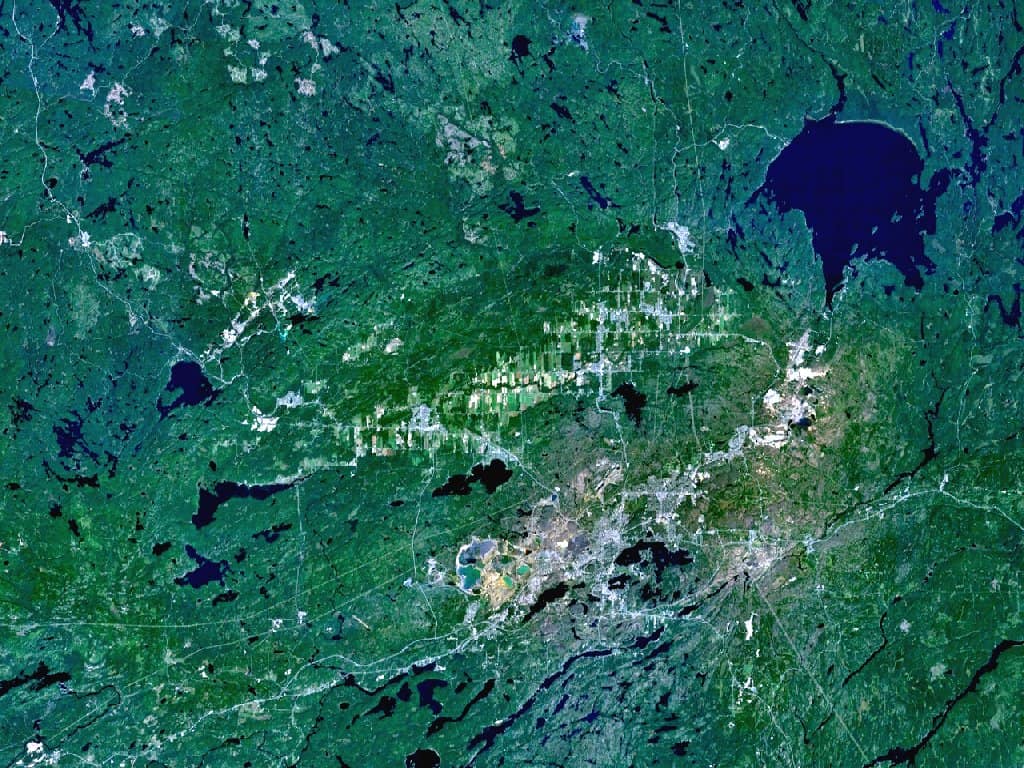
Sudbury Basin in Ontario, Canada, is a crater formed nearly 1.8 billion years ago by a colossal impact. Besides being an impressive geological footprint, the basin is rich in nickel and copper, serving as one of the largest mining regions in the world. The resources scattered by the impact have been instrumental in modern industry.
8. Popigai Crater: A Diamond-Studded Remnant
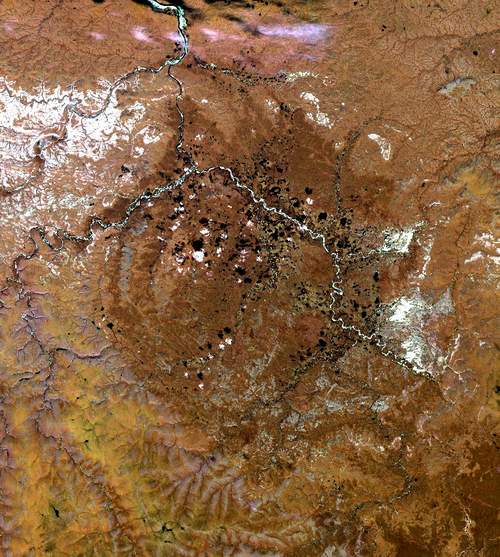
In northern Siberia lies the Popigai crater, forged by an immense impact around 35 million years ago. Notably, the heat and pressure from the collision transformed graphite deposits into diamonds, creating one of the planet’s largest diamond fields. This crater underscores the transformational power of such impacts.
7. Manicouagan Crater: The Eye of Quebec

The Manicouagan crater, known as the “Eye of Quebec,” is a striking annular lake visible from space. Formed around 214 million years ago in what is now Canada, this crater bears witness to a bygone era and is a popular site for studying the dynamics of large impacts.
6. Chesapeake Bay Crater: America’s Underwater Giant
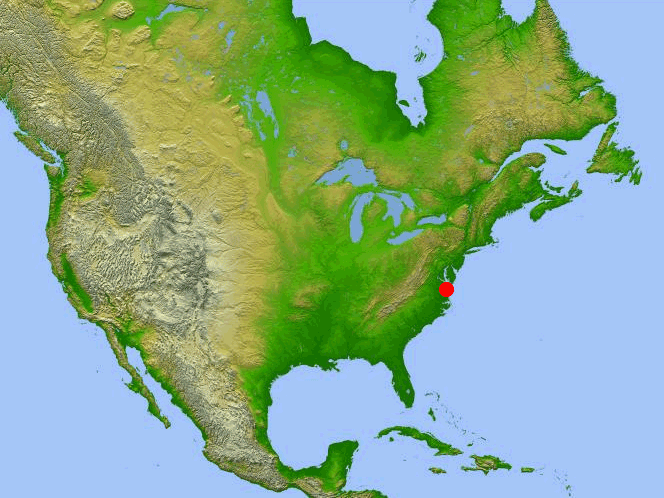
Buried under the waters of the Chesapeake Bay in the United States, this crater was formed about 35 million years ago. The impact modified the Atlantic coast significantly and continues to influence groundwater salinity and geological properties in the region to this day.
5. Woodleigh Crater: Australia’s Hidden Gem
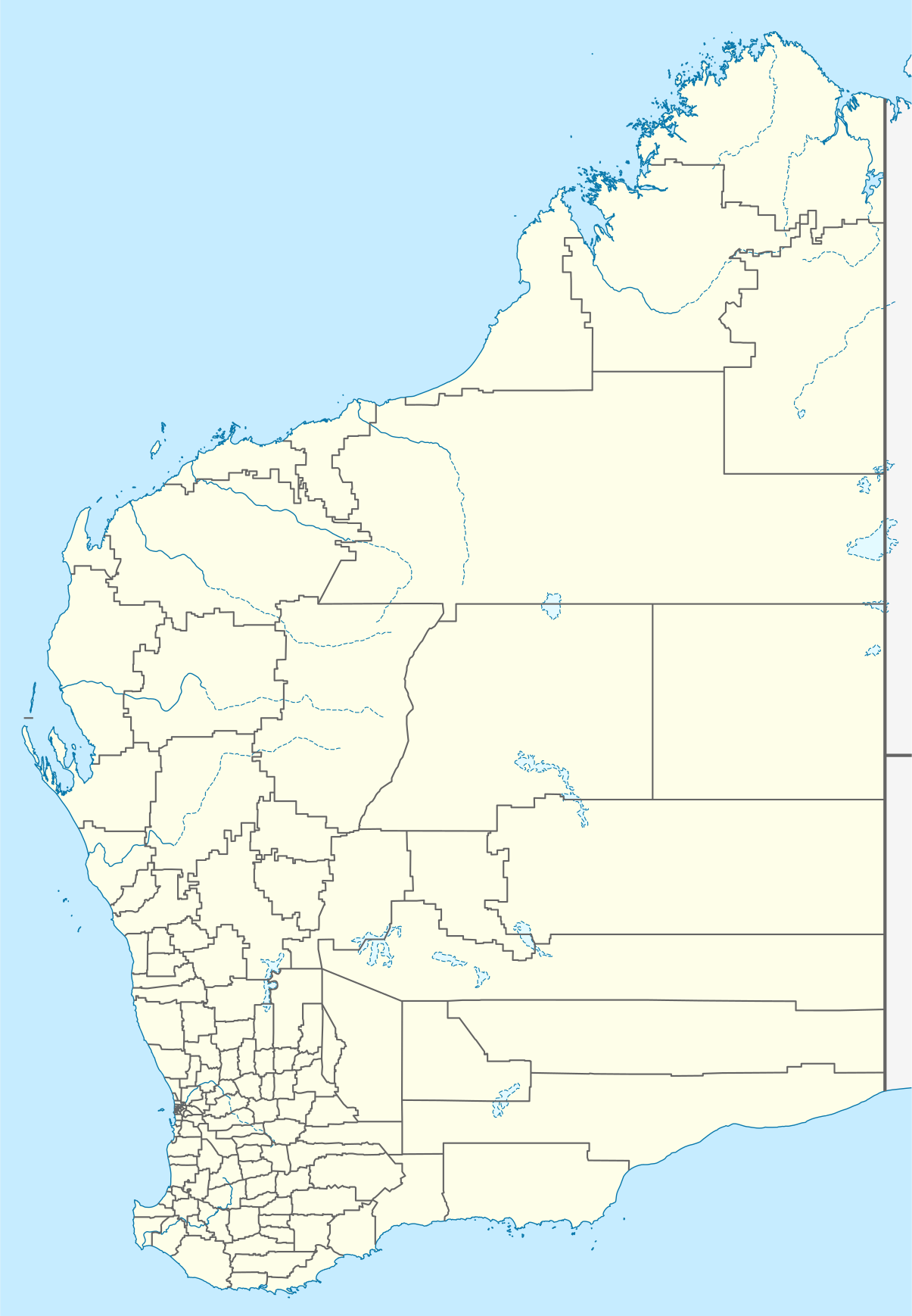
The Woodleigh crater, concealed beneath the Western Australian landscape, spans about 120 kilometers. Though the exact age remains debated, estimates suggest it occurred over 300 million years ago. Woodleigh is notoriously difficult to study due to its disguise below layers of sediment.
4. Clearwater Lakes: Double Impact in Canada
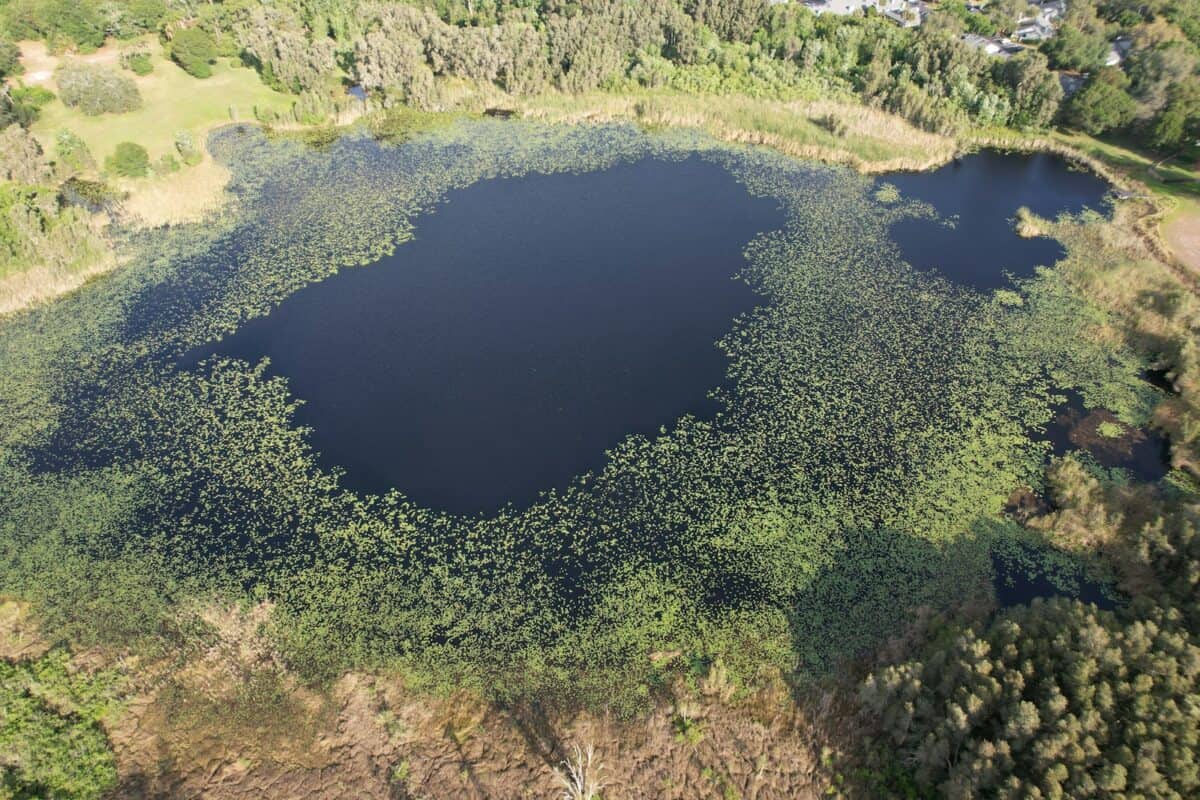
The Clearwater Lakes in Quebec, Canada, are a pair of craters suspected to have been formed by a binary asteroid impact roughly 290 million years ago. These twin structures provide compelling evidence of binary asteroid systems’ potential devastation and offer key insights for studying impact processes.
3. Kara Crater: The Pleistocene Phenomenon
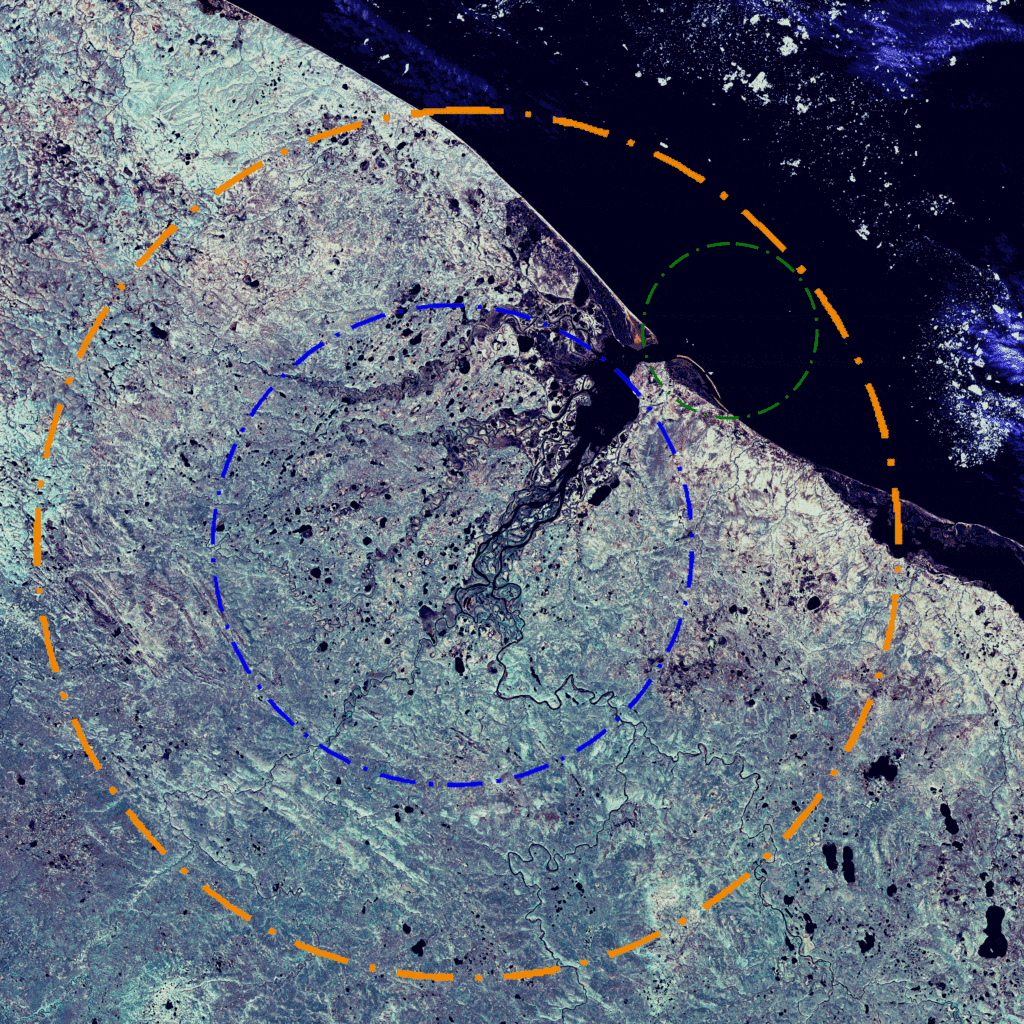
Situated in the Arctic Urals, the Kara crater is part of a larger impact structure that dates back to the Pleistocene epoch, roughly 70 million years ago. Its isolation makes it a particularly challenging site for research, but it remains a crucial piece of the planet’s impact puzzle.
2. Lonar Crater: A Scientific Curiousity
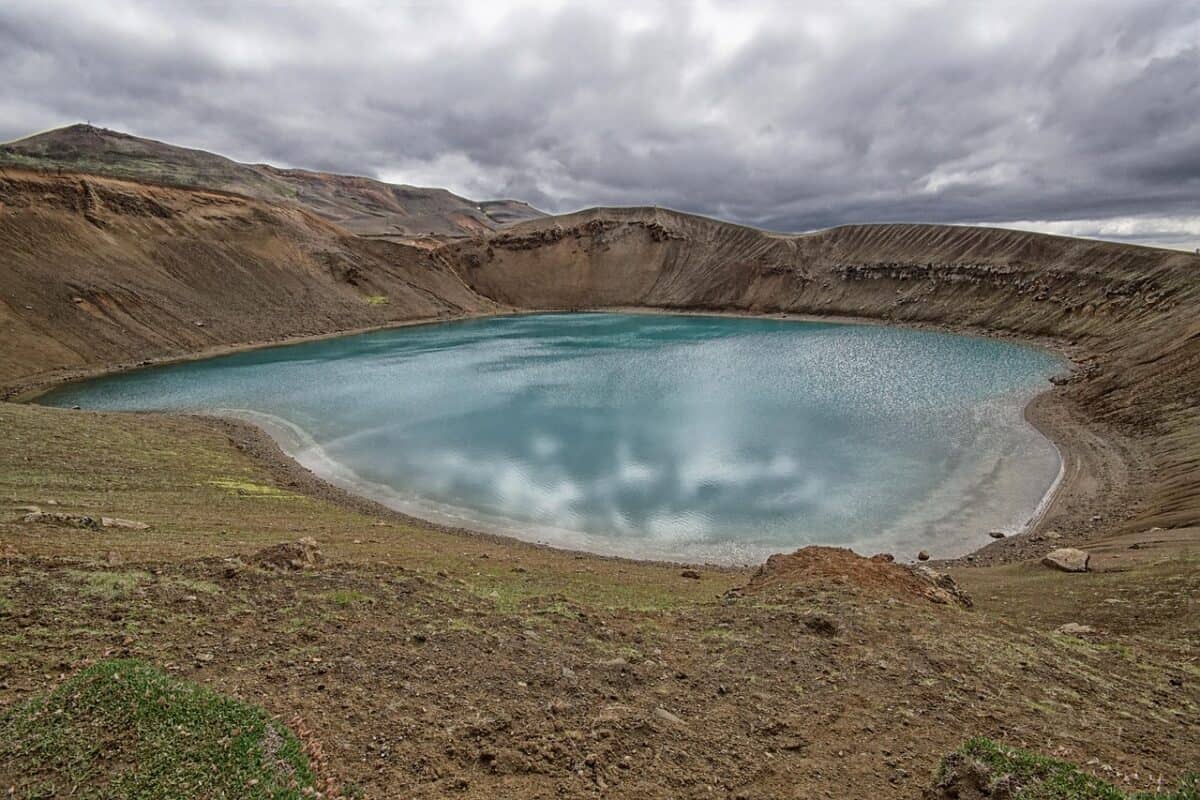
Among India’s geological wonders is the Lonar crater, created by a meteorite impact within the last 100,000 years. This well-preserved site offers excellent opportunities to study impact mechanics in basaltic terrains, which are atypical for terrestrial craters.
1. Meteor Crater: A Classic Impact Site
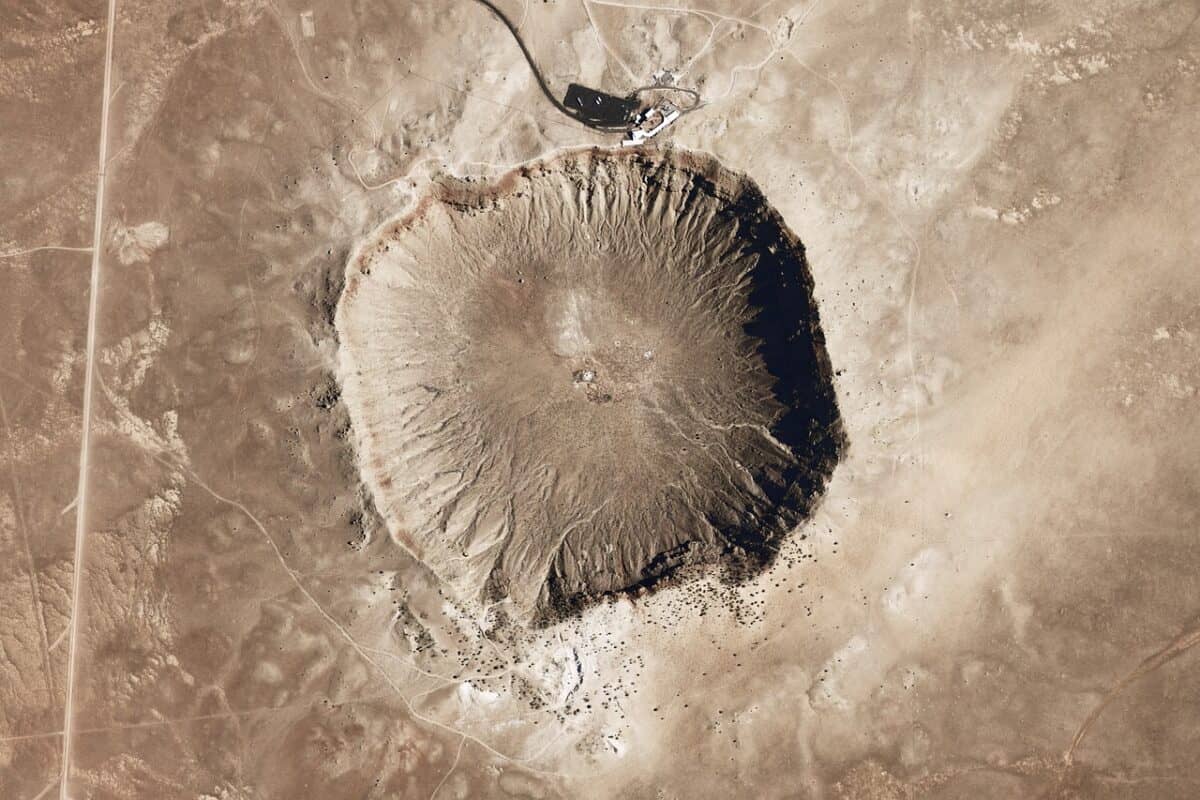
Located in Arizona, USA, Meteor Crater is one of the best-preserved impact sites on Earth. Formed roughly 50,000 years ago by a nickel-iron meteorite, this site has served as a training ground for Apollo astronauts and continues to be a focal point for impact studies.
The craters scattered across our planet are not merely geological features; they are chapters in Earth’s narrative of change and survival. These formations open windows into our violent cosmic neighborhood, revealing the destructive potential of the universe while also posing questions about our planet’s endurance and resilience. By studying these craters, scientists gain critical insights into both our past and the possible threats of the future, reminding us of our place in the cosmos and the forces that have shaped our world.

- What’s Hiding in the Forests of the Pacific Northwest - July 21, 2026
- Tarsiers: The Tiny Primates with Giant Eyes - July 21, 2026
- Are Zoos Still Ethical in 2025? - July 21, 2026