


Elk, majestic members of the deer family, are an iconic symbol of North America’s wildlife. Known for their grandeur and prominence in the ecosystem, these animals are facing an unexpected threat: potential extinction. Understanding why America’s biggest elk are at risk is crucial to ensuring their survival for future generations. Through this article, we will explore various aspects of this predicament, assessing both the challenges and opportunities for conservation.
The Historical Significance of Elk in America

Elk have roamed North America for thousands of years, playing a significant role in the continent’s ecological and cultural landscapes. Indigenous tribes revered them for their meat, hides, and antlers, which served as vital resources. Today, elk continue to be a treasured game species, drawing hunters and wildlife enthusiasts alike. Their historical prevalence and importance underscore the gravity of their potential extinction.
Understanding the Elk Species

The elk is one of the largest terrestrial mammals in North America. Scientifically known as Cervus canadensis, they are most recognized for their impressive antlers and distinctive bugle calls. Found predominantly in the western states, they inhabit dense forests, meadows, and mountainous terrains. Their ecological role includes seed dispersal and providing prey for predators, contributing to biodiversity.
The Current Status of Elk Populations
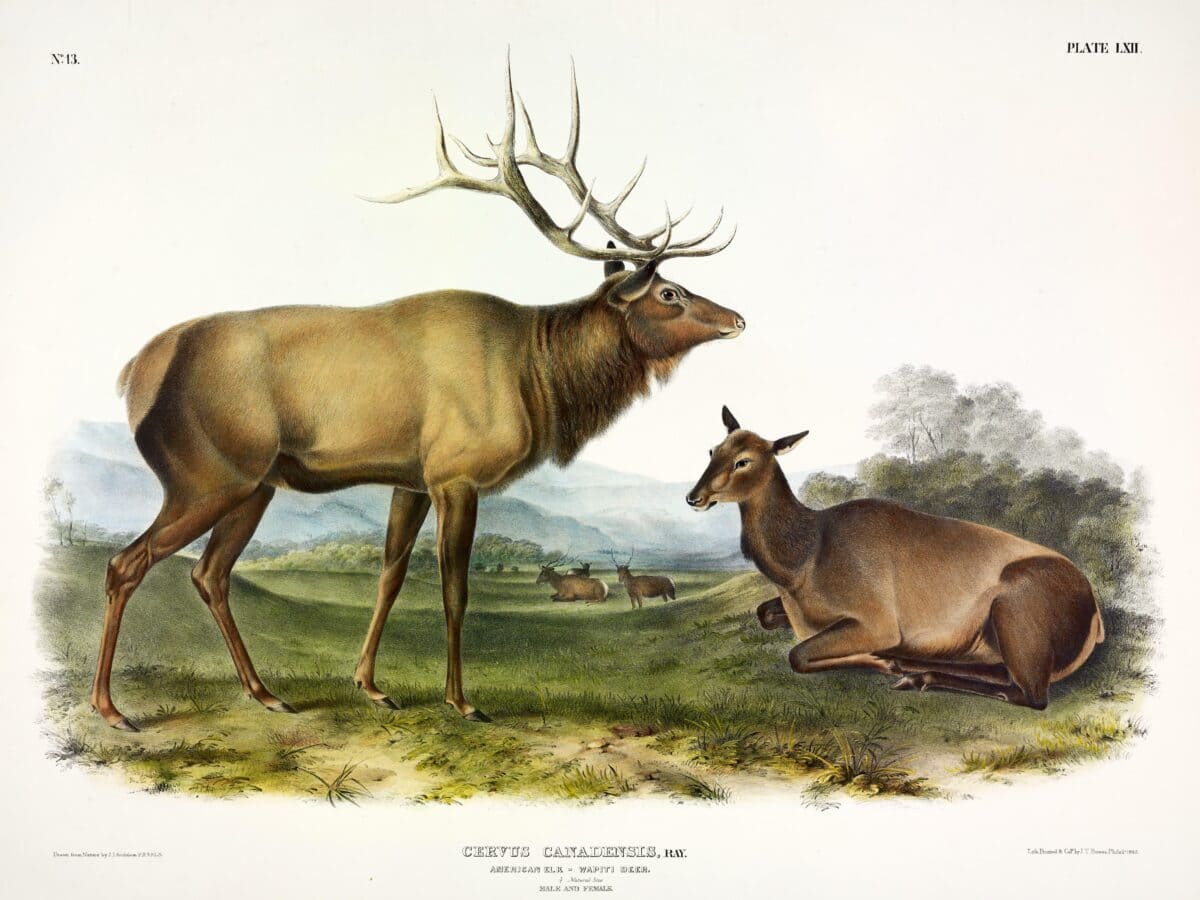
Despite their historical abundance, elk populations have dramatically declined in areas across America. Various subspecies like the Eastern Elk have already vanished, and others are experiencing decreasing numbers. Factors such as habitat loss, climate change, and hunting pressures contribute to these declines, necessitating urgent intervention to understand and mitigate these threats.
Impact of Habitat Loss on Elk

Habitat loss is arguably the most significant threat facing elk populations today. Urban expansion, agriculture, and deforestation are encroaching on traditional elk habitats, reducing their available range. This not only limits their ability to forage and migrate but also increases encounters with human activity, leading to potential conflicts and mortalities.
Climate Change and Its Influence

Climate change impacts elk by altering the habitats they depend on. Changes in temperature and precipitation affect vegetation patterns, water availability, and disease prevalence. Warmer winters can lead to more extended periods of snow cover or erratic weather patterns, complicating elk migration and survival strategies.
Challenges with Disease and Predation
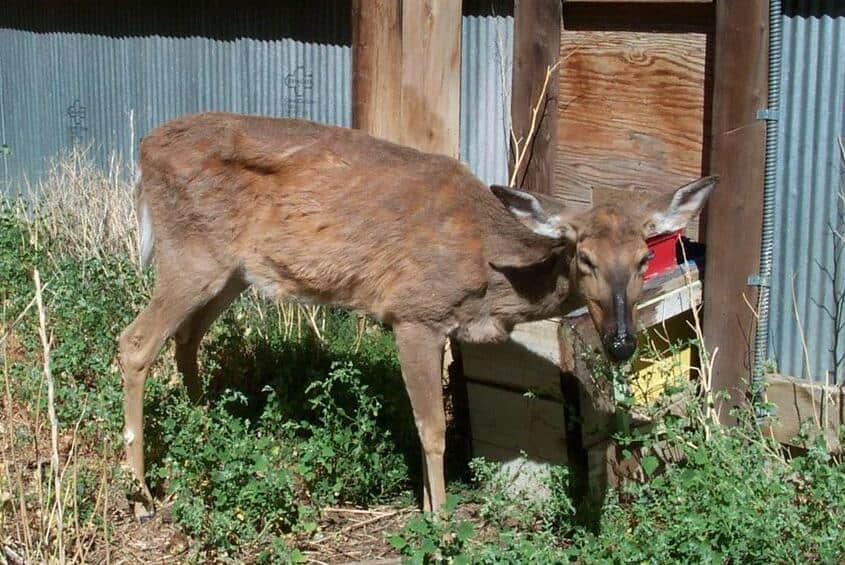
Elk face numerous natural threats, including diseases such as chronic wasting disease (CWD). This contagious neurological illness affects their behavior, weakening them, and often resulting in death. Moreover, predation by wolves and bears, while natural, can further stress populations that are already in decline.
Human Activities and Hunting Pressures

While regulated hunting has historical significance and economic benefits, overhunting and poaching present real threats. Some elk populations have become “trophy” targets, leading to skewed sex ratios and genetic diversity loss. Balancing hunting practices with conservation efforts is crucial for sustainable elk populations.
The Role of Conservation Efforts

Conservation initiatives, such as creating protected areas and habitat restoration, are vital. Organizations and government bodies collaborate to reintroduce elk into native ranges, monitor populations, and conduct research. These efforts are crucial in counteracting factors leading to extinction and fostering a safer environment for elk.
Community Involvement in Elk Conservation

Local communities play a pivotal role in conservation success. Education on the importance of elk to ecosystems, ethical wildlife viewing, and responsible hunting can foster community support. Engaging local populations through awareness programs encourages participation in and compliance with conservation regulations.
Technological Advancements in Monitoring Elk

Utilizing technology like GPS tracking and drones provides new opportunities for monitoring elk movement and health. This data helps scientists understand migration patterns, habitat use, and the effects of environmental changes, thereby improving management strategies.
Legal Protections for Elk

Legal frameworks at state and federal levels aim to protect elk populations. Laws regulating hunting seasons, preserving critical habitats, and protecting endangered subspecies are critical. Continuous advocacy is necessary to maintain and strengthen these protections in the face of new threats.
The Future of Elk in North America

The potential extinction of America’s biggest elk is a multifaceted issue that requires comprehensive solutions. Concerted efforts involving scientific research, public education, and strong policies can help mitigate the threats faced by these magnificent creatures. Safeguarding elk is not only about preserving a species but also about maintaining the balance and richness of North America’s wildlife heritage.
By understanding the challenges and cultivating a proactive approach to conservation, we can ensure that elk continue to thrive, enriching our ecosystems and cultural landscapes for future generations.

- How Penguins Use Pebbles as Part of Their Courtship Ritual - July 22, 2026
- Did You Know Red Pandas Are More Closely Related to Raccoons Than Bears? - July 22, 2026
- Why Flamingo Feathers Turn Pink From Their Diet - July 22, 2026