

Weather plays a pivotal role in the world’s ecosystem, influencing the daily lives and long-term habits of animals. From birds migrating across continents to fish diving deep to escape a sudden drop in temperature, animals have evolved fascinating ways to respond to and anticipate changes in weather patterns. Let’s delve into the diverse strategies animals use to cope with their ever-changing environment.
Understanding Animal Sensitivity to Weather

Many animals have finely tuned senses that allow them to detect atmospheric changes, often before humans can. This includes an ability to sense barometric pressure changes, which can signal approaching storms. These adaptations are critical for survival, as they help animals find shelter and prepare for adverse conditions.
The Role of Barometric Pressure

Barometric pressure, a measure of atmospheric pressure, drops when a storm is approaching. Animals such as birds, fish, and even domesticated pets can sense these shifts. For instance, birds may alter their flight patterns, and fish may swim deeper into the ocean to avoid turbulent surface waters. These behaviors help them avoid the potentially deadly conditions associated with severe weather.
Birds: Nature’s Meteorologists

Birds are particularly sensitive to weather changes. Many species are known for their incredible sense of timing when it comes to migration. They often begin their journeys just before seasonal shifts. During sudden weather changes, such as impending thunderstorms, birds might fly lower to avoid turbulence or find temporary shelter to wait out the storm.
Insect Response to Weather Changes

Insects showcase varied responses to sudden weather changes. Ants, for instance, are known to build up their mounds and close off entrances when heavy rain is in the forecast. Honeybees will remain in their hives during harsh weather, conserving energy and maintaining the hive’s temperature, while butterflies might seek shelter in thick vegetation.
Amphibians and Their Sensory Adaptations
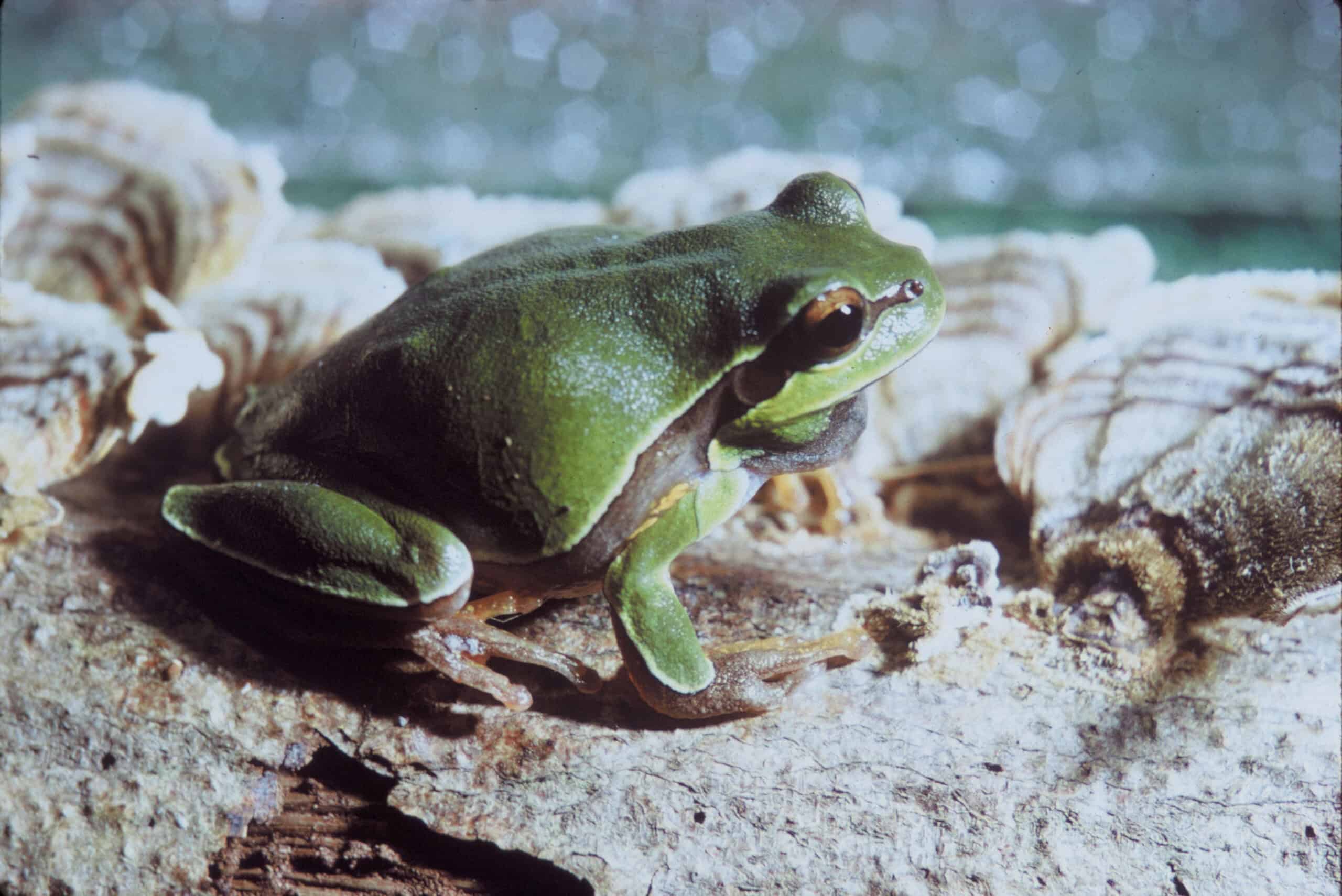
Known for thriving in moisture-rich environments, amphibians are acutely aware of hydration levels in their habitats. As atmospheric humidity increases, indicating rain, many amphibians such as frogs and salamanders become more active. This adaptive behavior ensures they can take advantage of breeding opportunities that arise with increased water availability.
Mammals: From Hibernation to Urgent Alertness
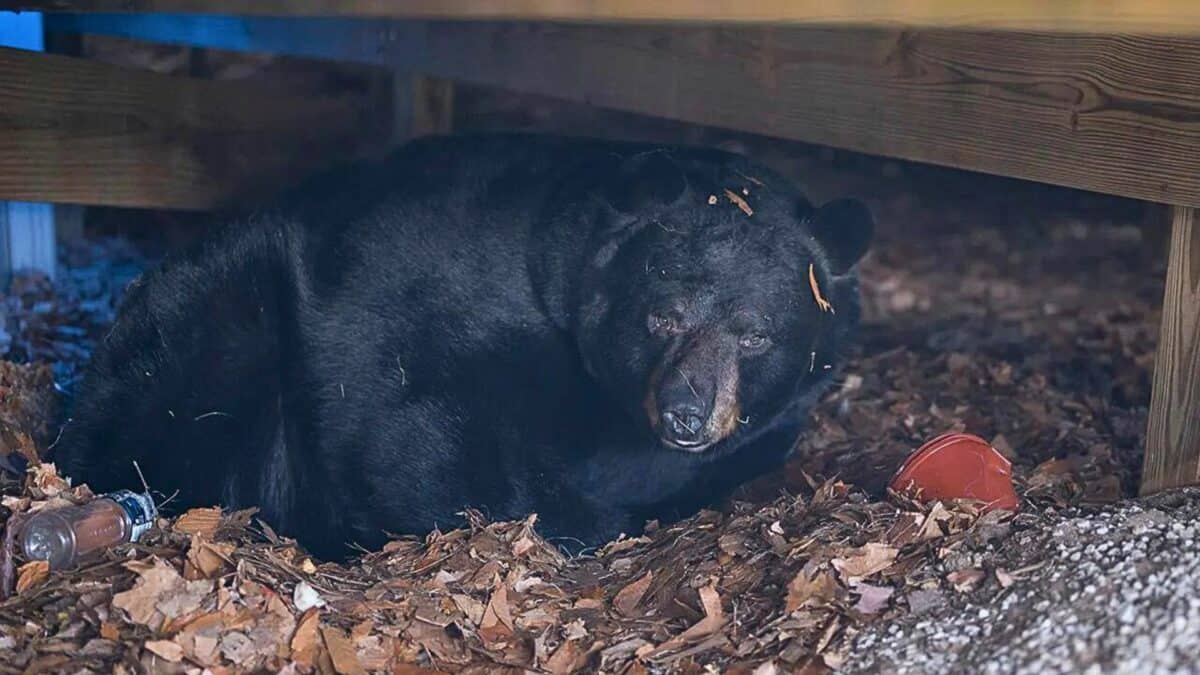
Mammals have a range of responses to weather events. Hibernating animals like bears may become restless or even end their hibernation early if warmer weather patterns emerge suddenly. On the other hand, livestock and pets often display distinct behaviors such as pacing or increased restlessness ahead of storms, indicating their alertness to the encroaching changes.
Marine Life: Diving for Safety

Marine animals are not immune to the impacts of sudden weather changes. Fish, in particular, respond to decreased barometric pressure by diving deeper to avoid the turbulent surface waters. Similarly, marine mammals such as whales and dolphins adjust their routes and diving patterns to seek calmer seas, ensuring their safety during storms.
Reptilian Resilience to Weather Patterns

Reptiles, being ectothermic, rely heavily on external temperatures. Sudden temperature drops can slow their metabolism, prompting behaviors such as basking in the sun for warmth or seeking underground shelter to maintain their body heat. These strategies ensure their survival through drastic temperature shifts.
Weather Changes and Animal Reproductive Behavior
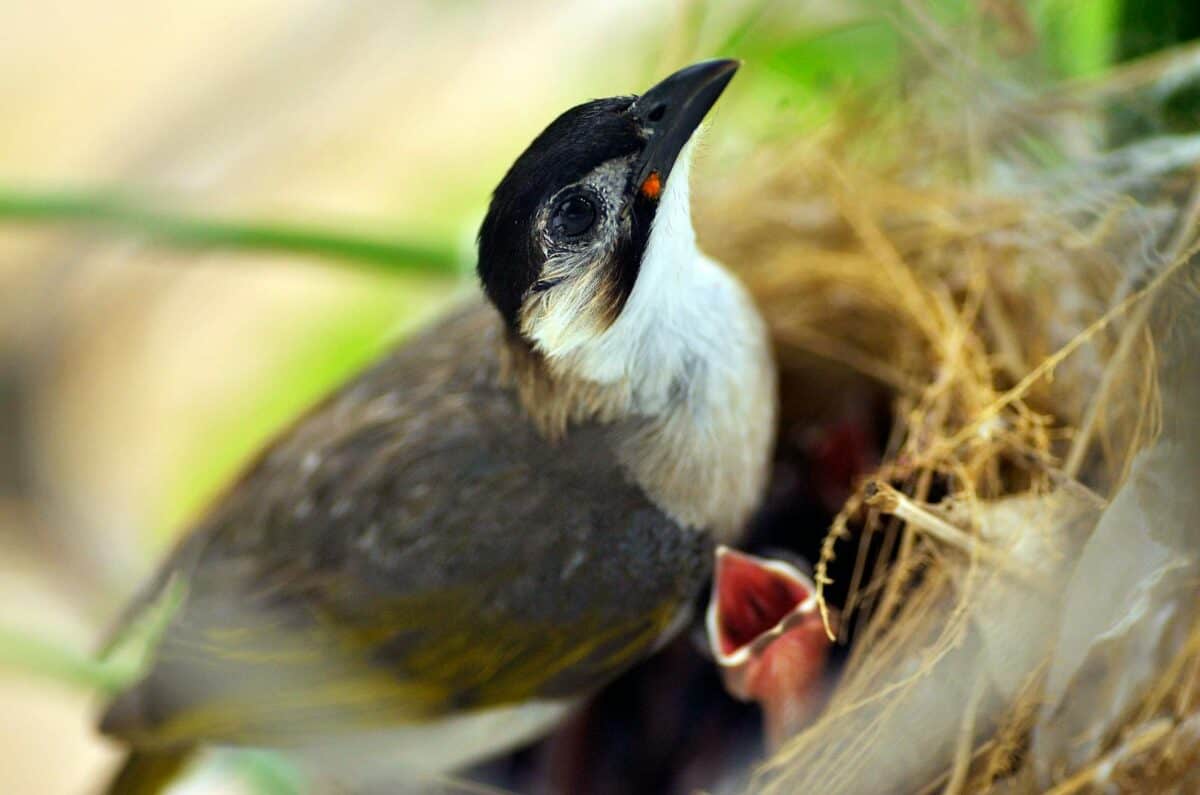
Sudden shifts in weather can dramatically impact reproductive strategies. Many species, such as certain frogs, time their breeding seasons with the onset of rainy seasons, ensuring their offspring have a moisture-rich environment to grow. Likewise, birds may adjust their nesting times and locations based on expected weather conditions to optimize the survival of their young.
Impact on Food and Foraging Patterns
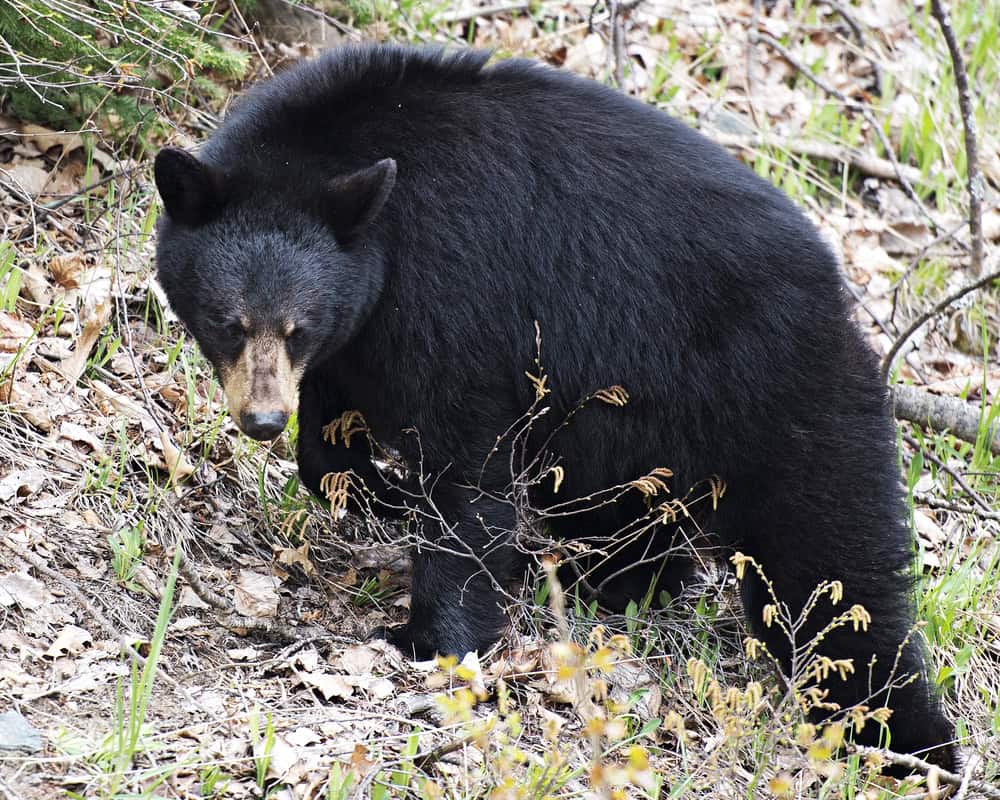
Weather changes can impact food availability, prompting animals to adjust their foraging behaviors. For instance, a sudden onset of cold weather can cause food sources to become scarce. Animals might store food in advance or alter their diet to include alternative sources of sustenance, ensuring they maintain their energy needs during tough times.
Adaptation and Evolution Over Time

Over generations, natural selection has shaped animal behavior to respond to climatic changes efficiently. This evolutionary adaptation ensures that species have higher survival rates and can thrive despite unpredictable weather patterns. Each species’ unique set of responses to weather highlights the intricate connections between weather and animal behavior.
The Human Influence on Animal Weather Responses

As humans contribute to climate change, causing more frequent and extreme weather events, animals face unprecedented challenges. Understanding their responses can help us create strategies to preserve wildlife and mitigate human impacts. Conservation efforts focused on maintaining natural habitats and mitigating climate change effects are crucial for supporting animal resilience.
In conclusion, animals’ reactions to sudden weather changes are a testament to the intricacy and resilience of the natural world. By studying these behaviors, we gain insight not only into the animals themselves but also into the broader ecosystem. Recognizing the signs and adapting along with the planet is a shared journey between humans and the animal kingdom, emphasizing the importance of environmental stewardship.

- This Tiny Insect Can Survive in Outer Space—Here’s How - July 21, 2026
- Could the Tasmanian Tiger Be Brought Back to Life? - July 21, 2026
- Why You Should Never Approach a Sleeping Hippo - July 21, 2026