

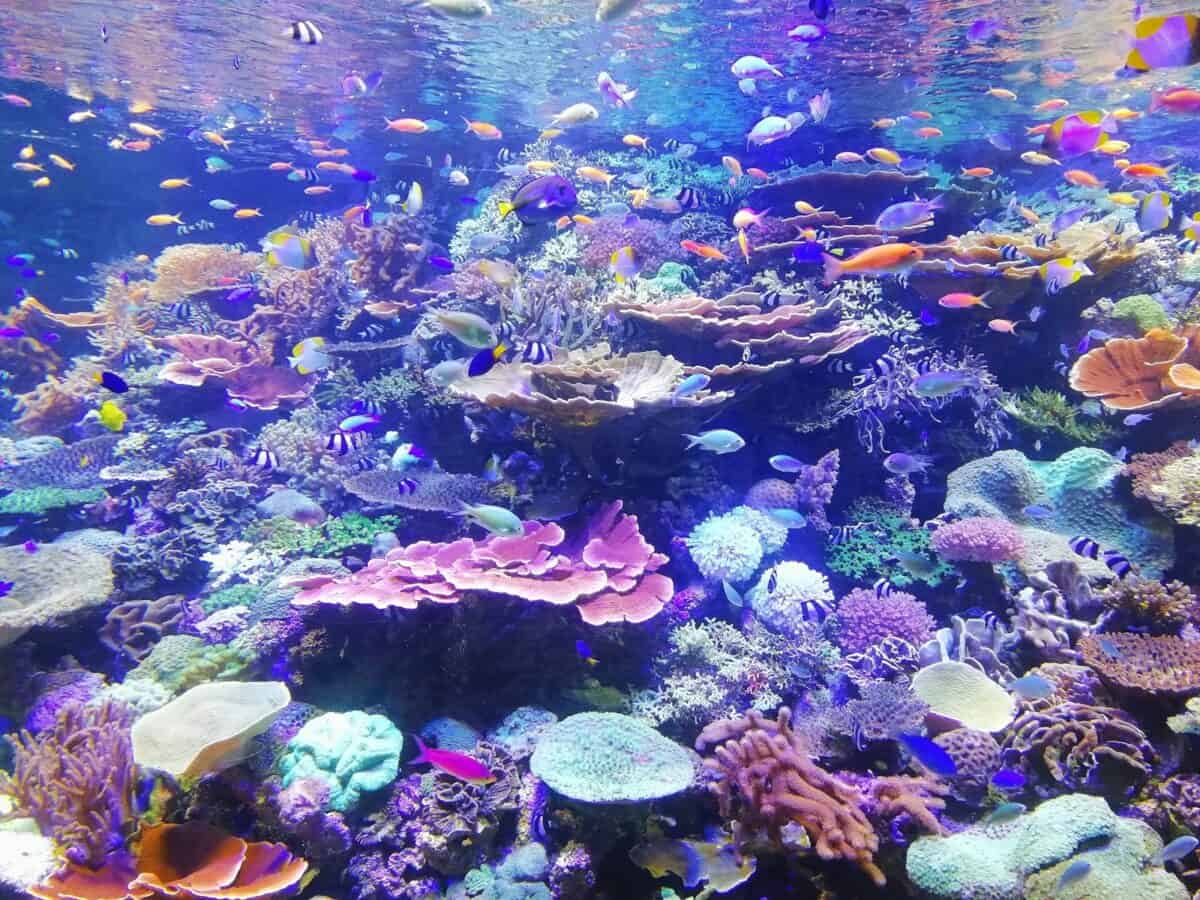
The mysterious depths of the ocean are home to some of the most extraordinary and enigmatic creatures on the planet. Diving below 10,000 feet reveals specimens so unique and bizarre that they could be mistaken for alien life forms. This unique environment hosts a myriad of life forms that have adapted to the extreme conditions with fascinating attributes. Let’s delve into the deep and explore 13 remarkable creatures that thrive in these dark waters.
13. Anglerfish: The Night’s Hunter

The anglerfish is perhaps one of the ocean’s most iconic deep-sea predators. Known for the bioluminescent lure protruding from its head, this creature uses its glowing appendage to attract prey in the pitch-black depths. These fish have evolved to endure the crushing pressures of the deep with a flexible body and an expandable stomach, allowing them to consume prey larger than themselves.
12. Vampire Squid: The Meticulous Draper

Despite its fearsome name, the vampire squid is a gentle creature. With deep red coloring and cloak-like webbing, it uses its bioluminescent abilities to dazzle potential threats. Instead of hunting live prey, it feeds on marine snow—detritus falling from the upper layers of the ocean—swiftly retracting its webbed limbs to capture the nutrient-rich particles.
11. Gulper Eel: The Elastic Jaws

The gulper eel stands out with its incredibly large mouth, capable of opening wide enough to swallow prey much larger than its own body. This peculiar ability grants it a distinct advantage in the sparse food landscape of the deep ocean, enabling it to consume efficiently. Its expandable stomach complements this remarkable feeding adaptation.
10. Fangtooth Fish: The Fearsome Tiny Predator

Despite their small size, fangtooth fish are formidable predators of the deep. Their disproportionately large teeth and robust jaws make them fearsome to behold. These fish have the largest teeth relative to body size in the ocean, adapted to snatch and hold onto any prey they might encounter in the vast darkness.
9. Barreleye Fish: The Transparent Skull
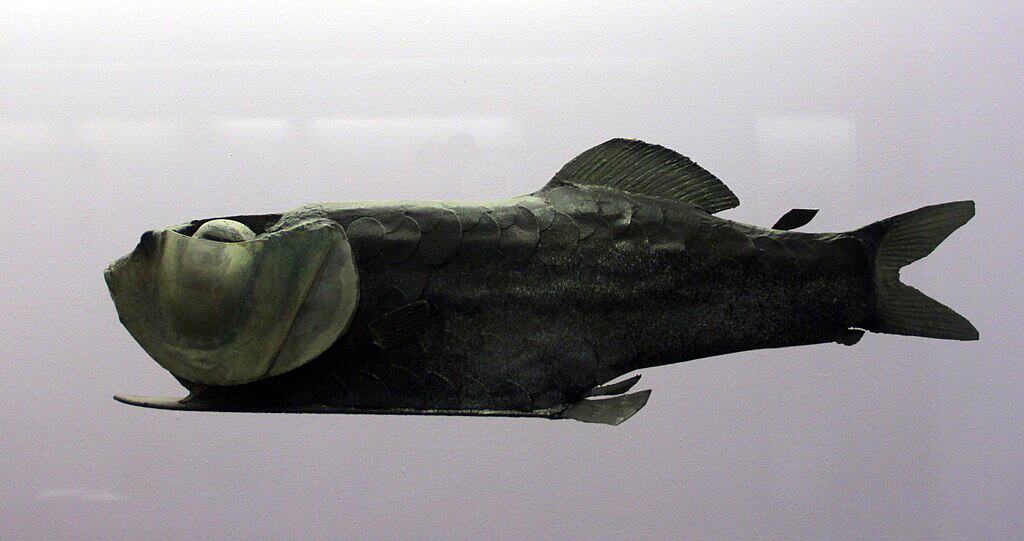
One of the most surreal creatures of the deep is the barreleye fish, which possesses a transparent head. This adaptation allows its tubular eyes to collect as much light as possible in the perpetually dark ocean depths. These eyes can also rotate, providing the fish with a wide field of vision to detect both predators and prey.
8. Giant Tube Worms: The Chemosynthetic Giants

Thriving around hydrothermal vents, giant tube worms are a testament to life’s resilience. They can grow up to 8 feet long and sustain themselves without sunlight by relying on a symbiotic relationship with bacteria. These bacteria convert vent-released chemicals into nourishment for the tube worms in a process known as chemosynthesis.
7. Dumbo Octopus: The Gentle Drifter
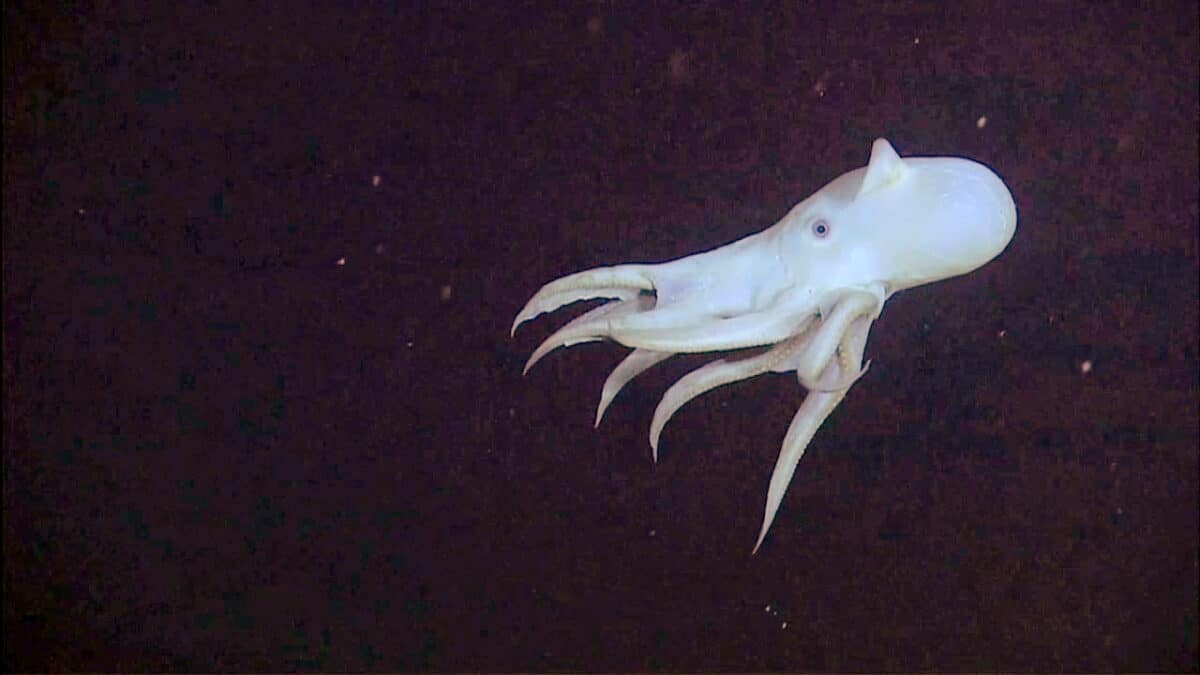
Named for their ear-like fins resembling Disney’s Dumbo, these octopuses gracefully drift through the deep sea. Dumbo octopuses are unique among their kind for their swimming style, flapping their fins to propel themselves rather than crawling on the seafloor. Their gentle nature and whimsical appearance make them a beloved curiosity among marine biologists.
6. Dragonfish: The Stealthy Stalker

The dragonfish is equipped with bioluminescent properties and a jaw full of razor-sharp teeth, making it an effective predator. These fish can produce light in various colors, which aids them in communication and hunting. They can also emit red flashes to illuminate and stun prey, a clever trick in the color spectrum of the deep sea.
5. Yeti Crab: The Furry Forager

Discovered near hydrothermal vents in the South Pacific Ocean, the yeti crab is distinguished by long, hair-like setae covering its claws. These ‘hairs’ host colonies of bacteria, speculated to be a food source for the crab. Their adaptation showcases the unique ecosystems that develop around the thermal vents deep underwater.
4. Deep-Sea Hatchetfish: The Silver Specter
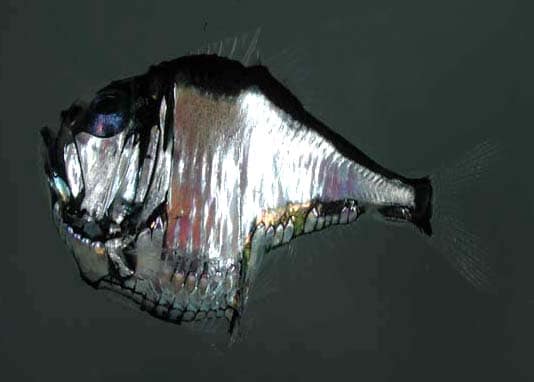
Characterized by its mirrored sides, the hatchetfish uses counter-illumination to blend into its surroundings, evading predators. Its bioluminescent organs are arranged in such a way that they emit light matching the faint glow from above, making it nearly invisible in the gloom.
3. Coffinfish: The Inflatable Oddity
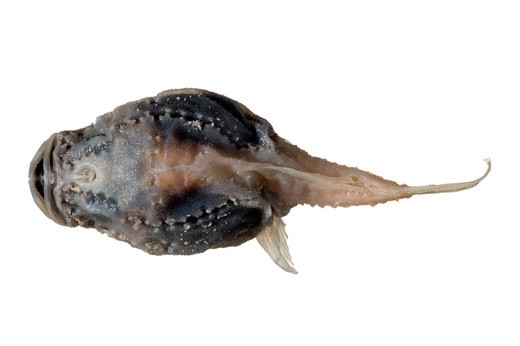
Much like a terrestrial pufferfish, the coffinfish can inflate its body to a more formidable size to deter predators. They also possess a unique lure on their heads to attract prey. These adaptations speak volumes about their survival tactics in the perilous deep-sea environment.
2. Zebra Lionfish: The Venomous Stripe
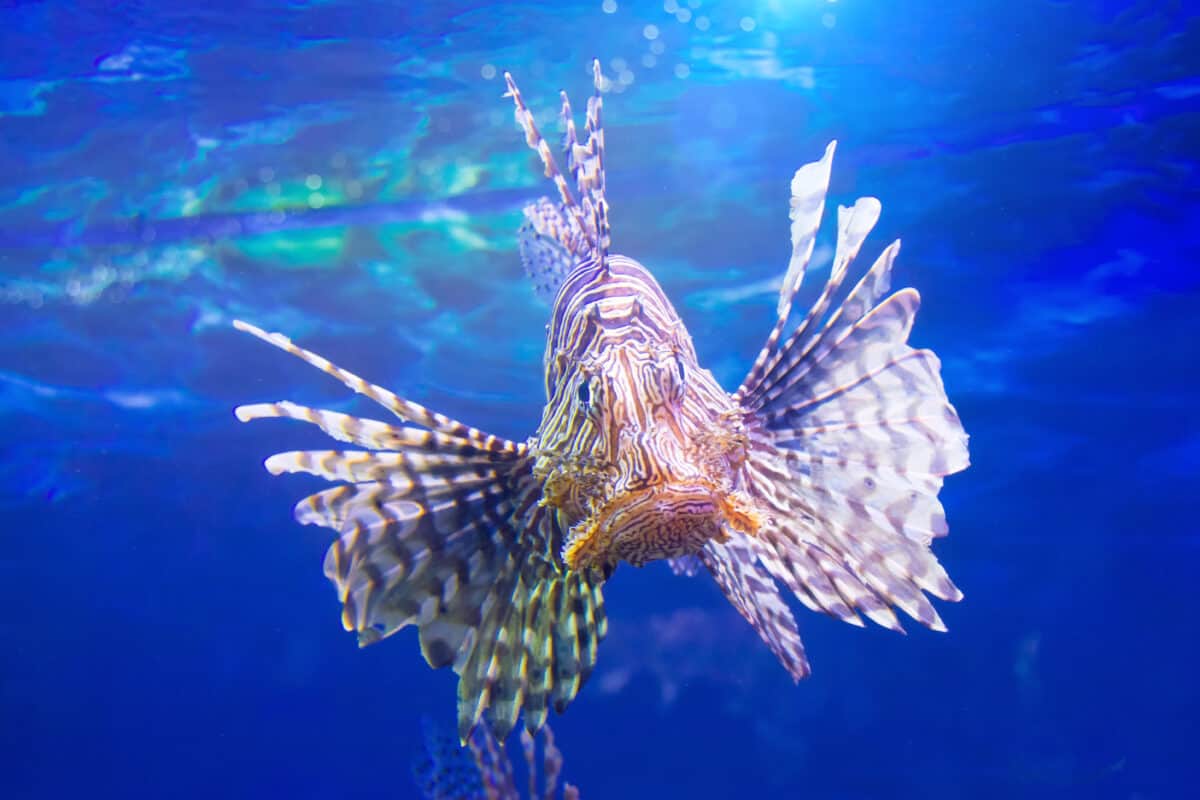
Although not exclusive to deep waters, the zebra lionfish is predatory with its venomous spines and striking striped appearance. In deeper waters, their bright patterns serve as both a warning to predators and a camouflage among the movement of light through water.
1. Pacific Blackdragon: The Gender-Powered Monster
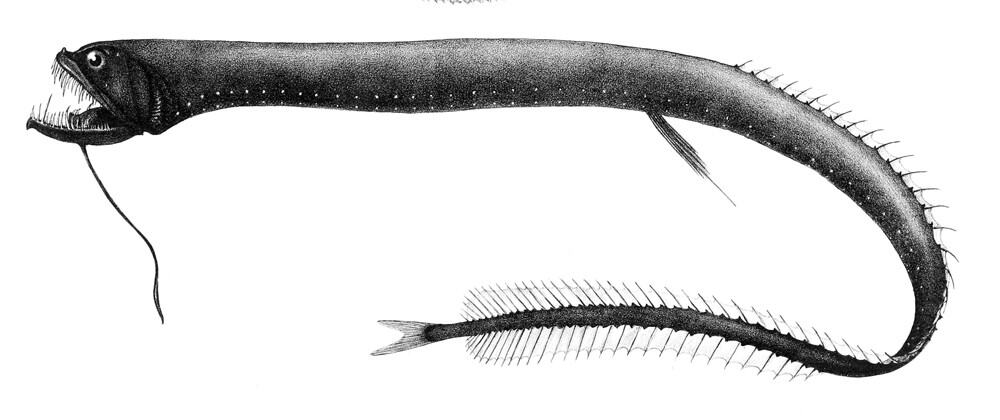
The Pacific blackdragon’s females are large and equipped with a barbel luminescent lure, whereas the males are much smaller and lack this adaptation, consuming only during their brief lifespan solely for reproduction. This drastic gender difference reflects the species’ unique survival strategy under immense pressures.
As we explore our oceans’ uncharted and wondrous regions, these bizarre creatures manifest the essence of adaptation and survival, bearing witness to nature’s creative power under the most extreme conditions. Whether captivating our curiosity or expanding our scientific knowledge, they emphasize the profound mysteries of our planet yet to be unveiled.

- The Role of Bears in Keeping Forests Healthy - July 10, 2026
- How Tiger Cubs Learn to Hunt From Their Mothers - July 10, 2026
- Wildlife That Thrives in the Carolinas Year-Round - July 10, 2026