

In the bustling world of nature, a symphony of sounds, gestures, and scents creates an intricate tapestry of communication among animals. From the melodic songs of birds to the silent whispers of ants, the way animals communicate is both fascinating and complex. This article delves into the various modes of animal communication, highlighting the wonders of these natural conversations.
The Language of Songbirds

Songbirds are nature’s most melodious communicators. Their songs serve multiple purposes, from attracting mates to marking territory. Each species has its own unique set of tunes, much like a personal playlist. For instance, the nightingale is known for its rich and varied song, with notes that can captivate any listener. Interestingly, young birds learn these songs from their parents, much like humans learn languages. This learning process involves both imitation and practice, ensuring that each bird can express itself in the symphony of the wild.
Whale Songs The Ocean’s Ballad

Beneath the ocean waves, whales communicate through hauntingly beautiful songs that can travel for miles. The humpback whale, in particular, is renowned for its complex vocalizations. These songs can last for hours and are believed to play a role in mating rituals. Researchers have discovered that whale songs evolve, with new themes and patterns emerging. It’s a testament to the adaptability and intelligence of these magnificent creatures as they navigate the vastness of the ocean.
The Dance of the Honeybees

Honeybees are master dancers, using intricate movements to convey information about food sources. The “waggle dance” is a well-known example, where a bee moves in a figure-eight pattern to indicate the location and distance of nectar. This dance is a remarkable form of non-verbal communication, showcasing the bees’ ability to work collaboratively. The precision of the dance ensures that fellow bees can find food efficiently, supporting the hive’s survival.
Elephants’ Silent Conversations

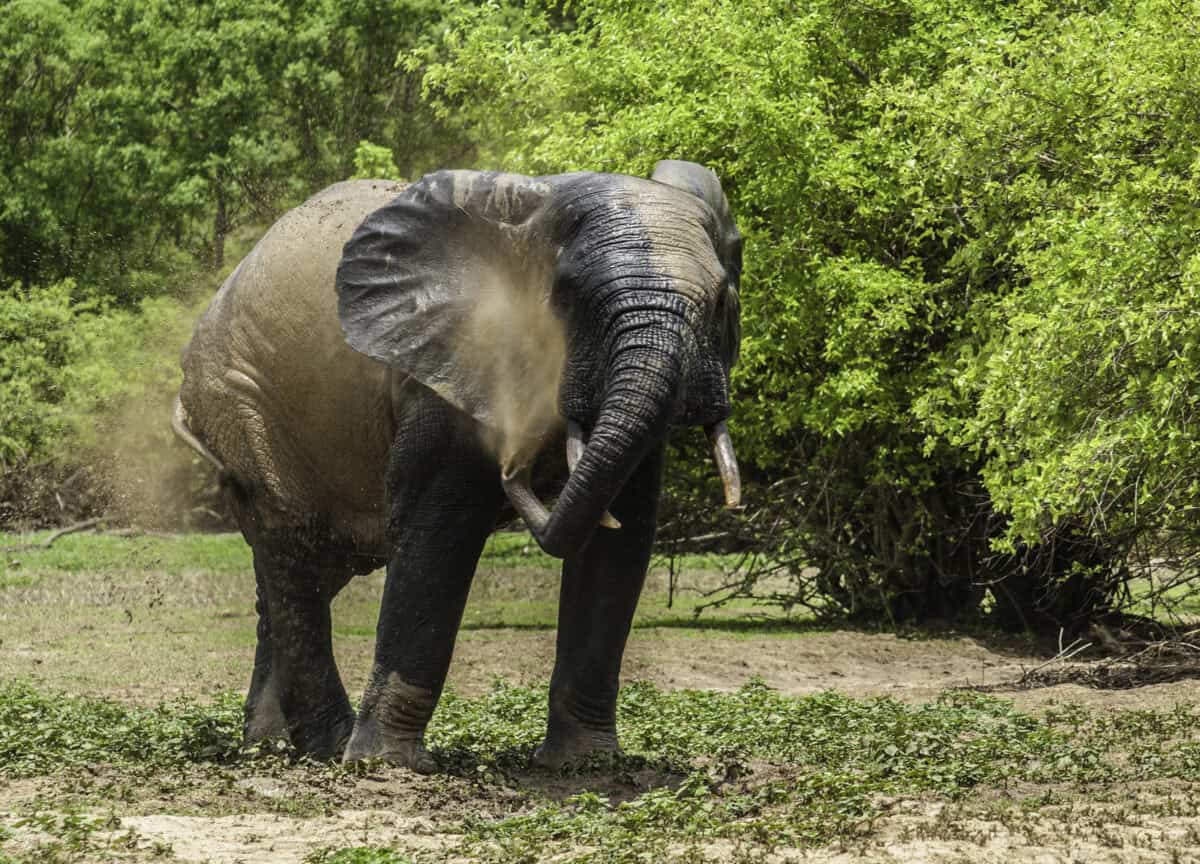
Elephants, with their majestic presence, communicate through low-frequency sounds known as infrasound. These sounds can travel over long distances, allowing elephants to stay in touch even when miles apart. Infrasound is used to coordinate movements, alert others to danger, or express emotions. Their communication is so nuanced that it can even convey the identity of the caller. This ability to communicate silently yet effectively underscores the deep social bonds within elephant herds.
Dolphins The Ocean’s Chatterboxes

Dolphins are known for their playful nature and complex communication skills. They use a combination of clicks, whistles, and body movements to convey messages. Each dolphin has a signature whistle, akin to a name, which helps them identify one another. This social communication is vital for coordinating group activities, such as hunting or playing. The intelligence and sociability of dolphins make them one of the most intriguing communicators in the animal kingdom.
The Echoing Calls of Bats

Bats are nocturnal navigators, relying on echolocation to communicate and hunt. By emitting high-frequency sounds and listening for the echoes, bats can pinpoint the location of objects and prey. This form of communication is incredibly efficient, allowing bats to thrive in the dark. Moreover, bats also use social calls to interact with one another, showcasing their complex social structures. Their ability to navigate and communicate in darkness is a marvel of nature.
Ants The Chemical Communicators

Ants, though small, have a sophisticated communication system based on chemicals called pheromones. These chemical signals are used to coordinate activities, find food, and protect the colony. For example, when an ant finds food, it leaves a pheromone trail for others to follow. This efficient communication ensures the colony’s success and survival. The use of chemical signals highlights the ants’ ability to operate as a cohesive unit despite their size.
Frogs The Nighttime Serenade

Frogs are nature’s nighttime serenaders, using calls to attract mates and establish territory. Each species has its distinct call, which can be heard echoing through wetlands and forests. These vocalizations play a crucial role in the frogs’ breeding success as they must compete with one another for attention. The diversity of frog calls reflects the richness of their habitats and the importance of sound in their world.
Chimpanzees The Use of Tools and Gestures

Chimpanzees are our closest relatives in the animal kingdom, and their communication methods are strikingly similar to humans’. They use a combination of vocalizations, facial expressions, and gestures to convey messages. Additionally, chimpanzees are known to use tools, such as sticks, to communicate and achieve their goals. This behavior demonstrates their intelligence and adaptability as they navigate the complexities of social life in the wild.
The Mimicry of Parrots

Parrots are renowned for their ability to mimic human speech, a trait that has fascinated people for centuries. This mimicry is not just for entertainment; it is a form of communication that parrots use to interact with their environment. In the wild, parrots use calls to identify themselves, signal danger, or locate food. Their vocal abilities highlight their intelligence and social nature, making them beloved companions to many.
Wolves The Social Howlers

Wolves are known for their haunting howls, which serve as a means of long-distance communication. These howls help maintain pack unity, coordinate movements, and ward off intruders. Each wolf has a unique howl, allowing pack members to recognize one another. The social structure of wolf packs relies heavily on vocal communication, emphasizing the importance of sound in their world.
Octopuses The Masters of Disguise

Octopuses are remarkable for their ability to change color and texture, a form of communication that helps them blend into their surroundings or signal danger. This camouflage ability is controlled by specialized cells in their skin, allowing them to communicate without making a sound. The versatility of octopus communication highlights their intelligence and adaptability in the underwater world.
Gibbons The Forest’s Singers

Gibbons are small apes known for their loud, melodic songs that can be heard over long distances. These songs serve to strengthen pair bonds and establish territory within the dense forest canopy. The duet singing of gibbon pairs is a unique form of communication, showcasing their strong social bonds and cooperation. The beauty of their songs adds a musical element to the forest environment.
Dogs Man’s Best Friend

Dogs have been human companions for thousands of years, and their ability to communicate with us is unparalleled. They use a combination of barks, body language, and facial expressions to convey their needs and emotions. This communication has helped dogs become integral members of human families, offering companionship and loyalty. The bond between humans and dogs is a testament to the power of communication in building lasting relationships.
Crows The Clever Problem Solvers

Crows are incredibly intelligent birds, known for their problem-solving abilities and complex communication. They use a range of vocalizations to interact with one another and convey information about food sources and potential threats. Crows have also been observed using tools, demonstrating their cognitive abilities. Their communication skills and intelligence make them one of the most fascinating avian species.
Conclusion A World of Voices and Signals

Animal communication is a captivating field that reveals the diverse ways in which creatures interact with their environment and each other. From the melodic songs of birds to the silent signals of ants, each species has developed unique methods to convey messages. These natural conversations are a testament to the complexity and beauty of the animal kingdom, offering a glimpse into the rich tapestry of life on Earth.

As a little kid, I fell in love with nature, wildlife, and animals. Living in the USA, South Africa, Italy, China and Germany gave me the opportunity to discover the world's Wildlife. My favorite animals are Mountain Gorillas, Siberian Tigers, and Great White Sharks.
I'm a certified PADI Open Water Diver, went to Everest Base Camp and Trekked Gorillas in Uganda. I hold a Master of Science in Economics and Finance.
Please send any feedback to feedback@animalsaroundtheglobe.com
- 10 Most Unique Reptiles You will See in the US - July 21, 2026
- 3 Dangerous Invasive Species the USA Must Eradicate - July 21, 2026
- 10 Things That Calm Cats And 4 That Make Them Nervous - July 21, 2026