


Breathing is a fundamental part of life, a necessity shared by all living creatures, yet the methods by which different species achieve this essential process can vary greatly. While many organisms rely on lungs or gills to breathe, some fascinating species have evolved the remarkable ability to breathe through their skin. This article will delve into ten such species, exploring the unique adaptations that enable them to thrive in diverse environments through cutaneous respiration.
Understanding Cutaneous Respiration

Cutaneous respiration, or breathing through the skin, is a process seen in certain animals whose skin acts as a respiratory surface. This method requires skin that can remain moist, as oxygen and carbon dioxide diffuse efficiently in a wet environment. As a result, the skin is often thin, highly vascularized, and permeable to gases. This adaptation allows creatures to absorb oxygen directly from their surrounding environment while expelling carbon dioxide.
The Giant Salamander

Among the most well-known examples of animals that breathe through their skin is the giant salamander. These amphibians are among the largest in the world, yet they lack lungs. Their skin is equipped with ample blood vessels that enable efficient oxygen exchange, which is crucial for their survival in fast-flowing streams where they typically reside.
The Common Frog
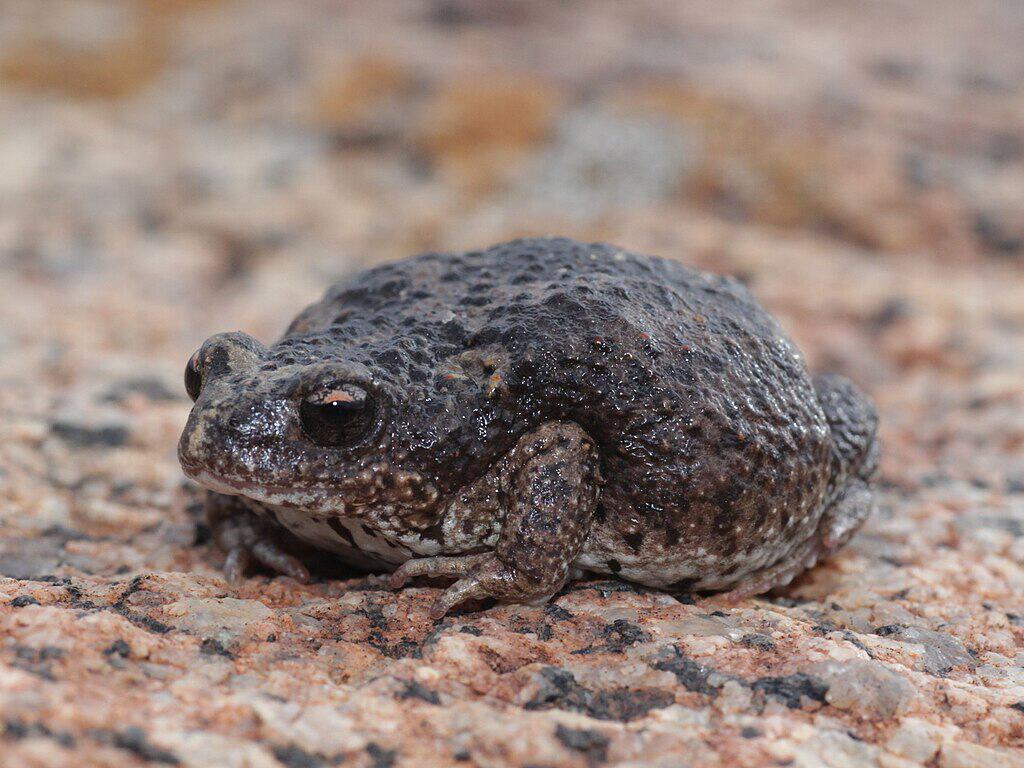
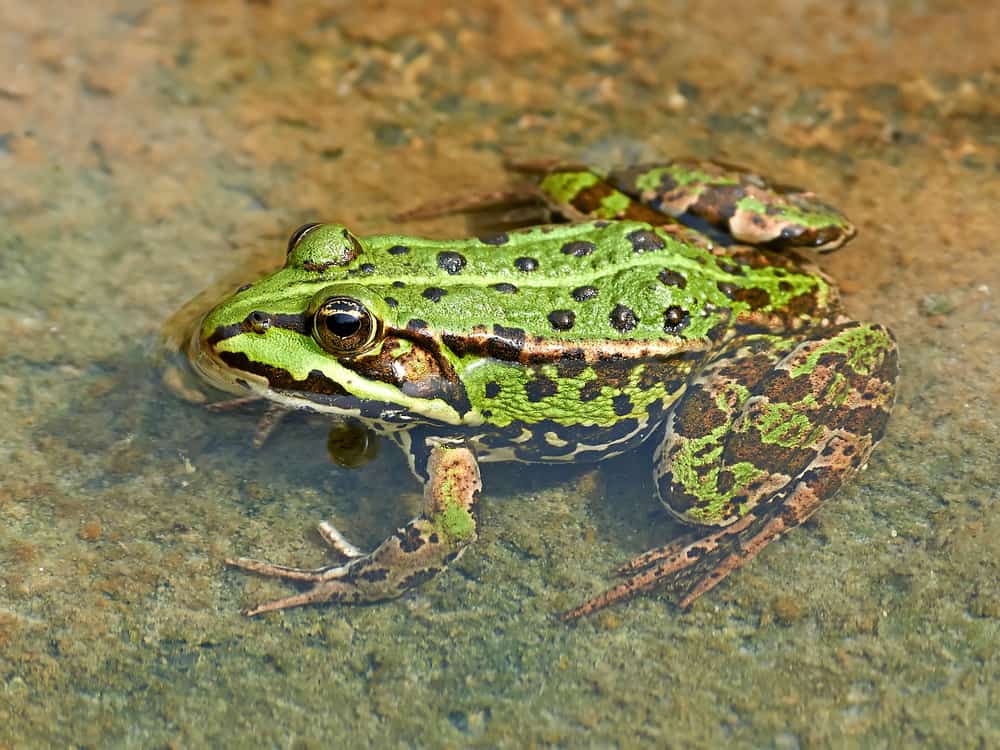
Frogs are often associated with wet environments and for good reason. Many frog species, including the common frog, are adept at skin breathing. Although they have lungs, these are often used only when necessary. Their permeable skin allows for adequate oxygen intake when in water, making cutaneous respiration a perfect adaptation for their amphibian lifestyle.
The Reedfish
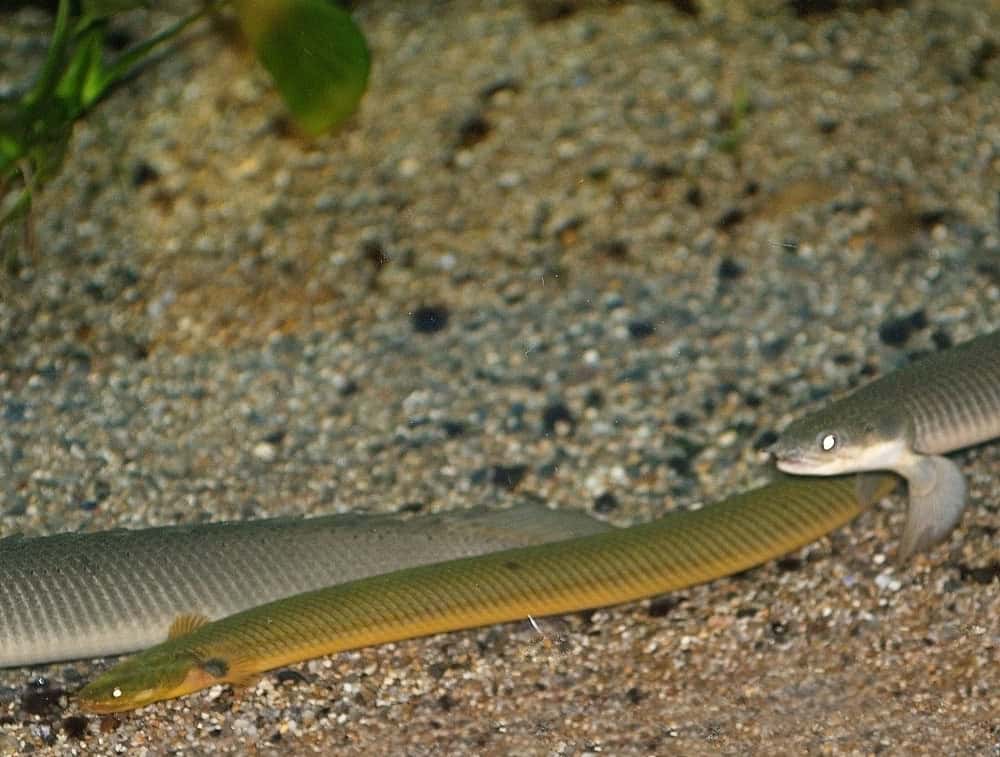
The reedfish, a lesser-known species, has a long, slender body that resembles an eel. While it’s equipped with gills, a significant part of its respiratory activity occurs through its skin. This fish inhabits oxygen-poor waters, often surfacing to breathe air directly while also relying on cutaneous respiration to supplement its oxygen needs.
The Titicaca Water Frog
In the depths of Lake Titicaca in South America dwells the Titicaca water frog, a creature renowned for its excessive skin folds. These folds increase the surface area available for gas exchange. The frog largely relies on its skin for breathing, with the additional skin increasing its oxygen absorption capability, which is vital in the lake’s high-altitude environment.
The Bornean Flat-Headed Frog

Remarkably, the Bornean flat-headed frog is the only frog known to lack lungs completely. This small amphibian relies solely on breathing through its skin. Its flat body is an adaptation to its underwater habitat, where it spends much of its life hiding and absorbing oxygen directly through its skin.
The Earthworm
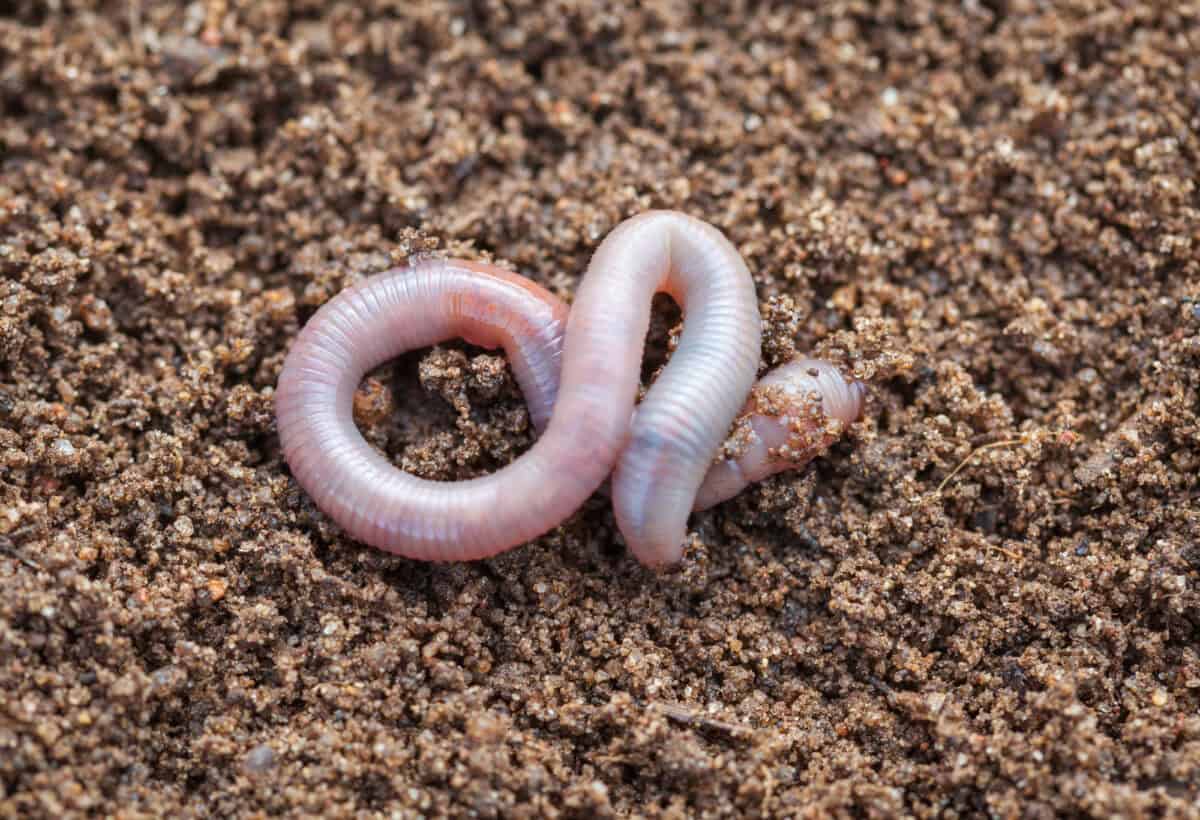
Earthworms are quintessential examples of soil dwellers employing cutaneous respiration. With no lungs or gills, earthworms rely wholly on their moist skin for oxygen exchange. Living in damp soil helps maintain the necessary moisture for their skin to facilitate respiration, which is critical for their survival.
The Axolotl
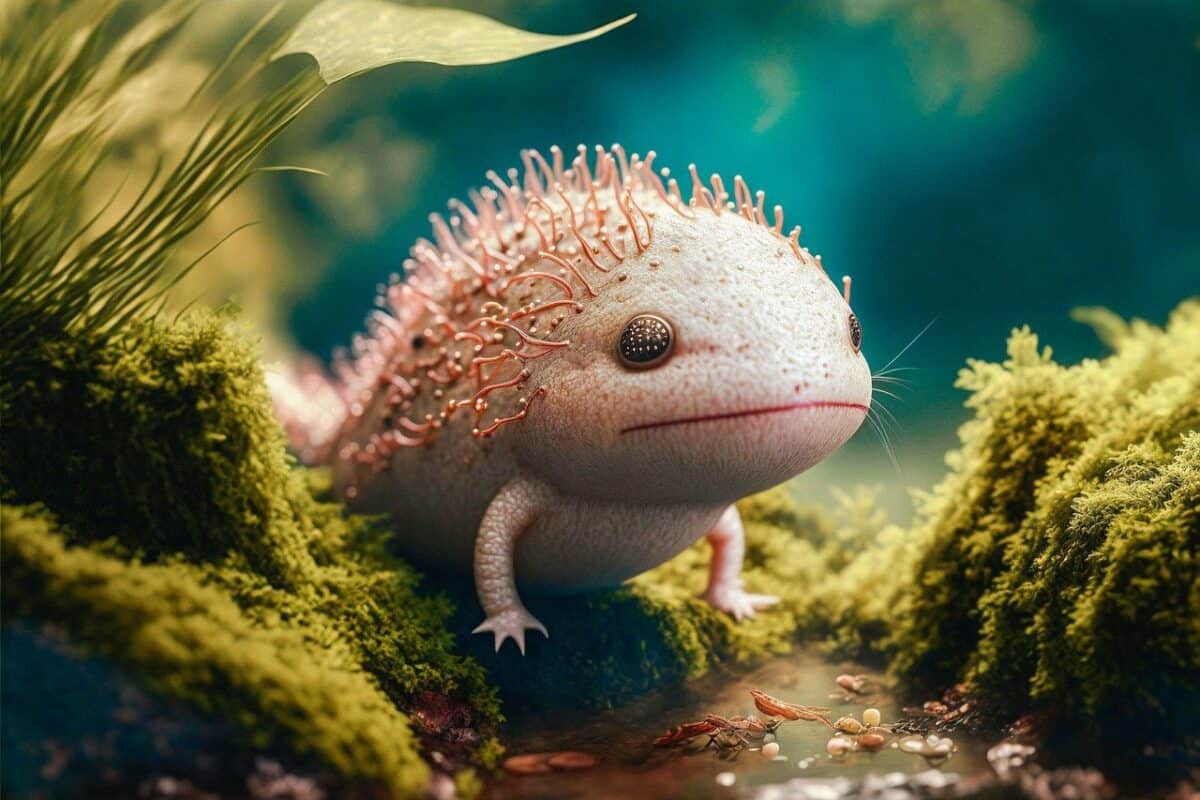
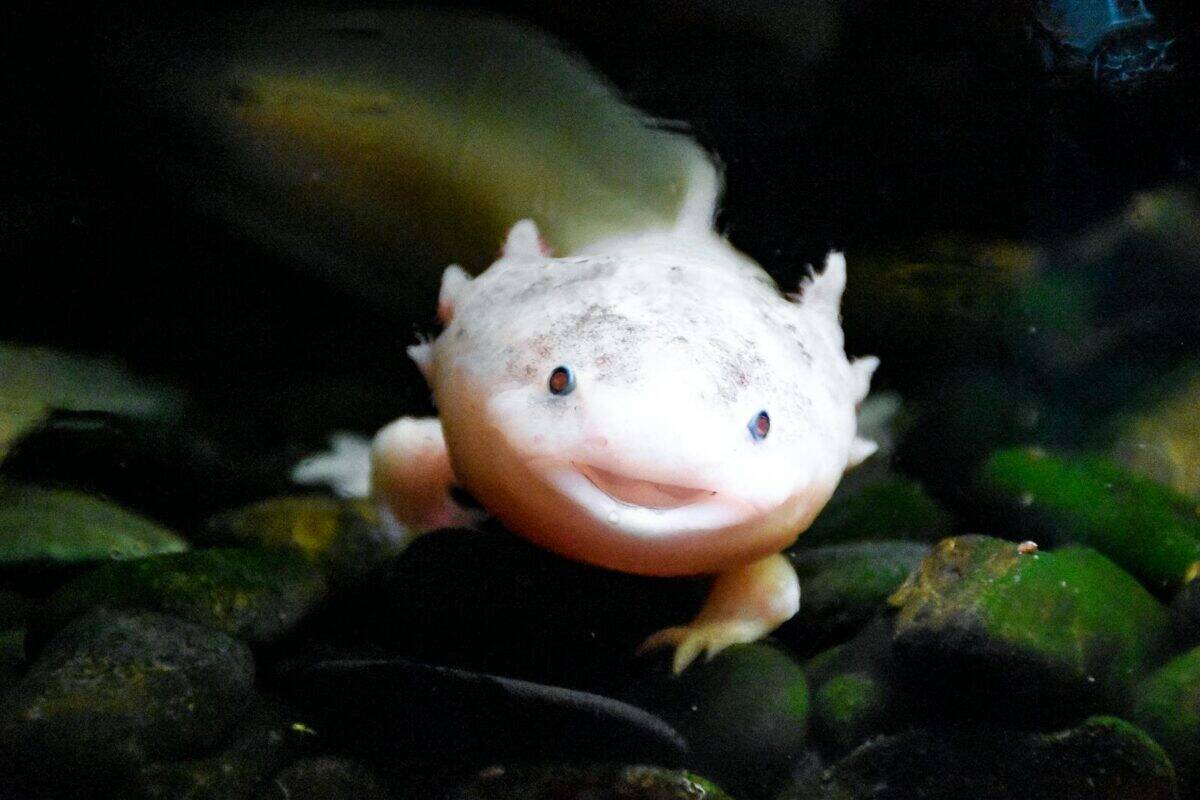
The axolotl, a unique species of salamander, has retained several larval features throughout its life, including gills. However, it also breathes through its skin. Its habitat in lakes and canals provides an environment rich in opportunities for cutaneous respiration, allowing the axolotl to remain submerged yet fully oxygenated.
The Sea Snake

Certain species of sea snakes have developed the ability to breathe through their skin, adjusting to their predominantly aquatic lifestyle. Cutaneous respiration supports their oxygen intake when submerged, allowing them to remain underwater for extended periods while diving for prey.
The Marine Feather Star
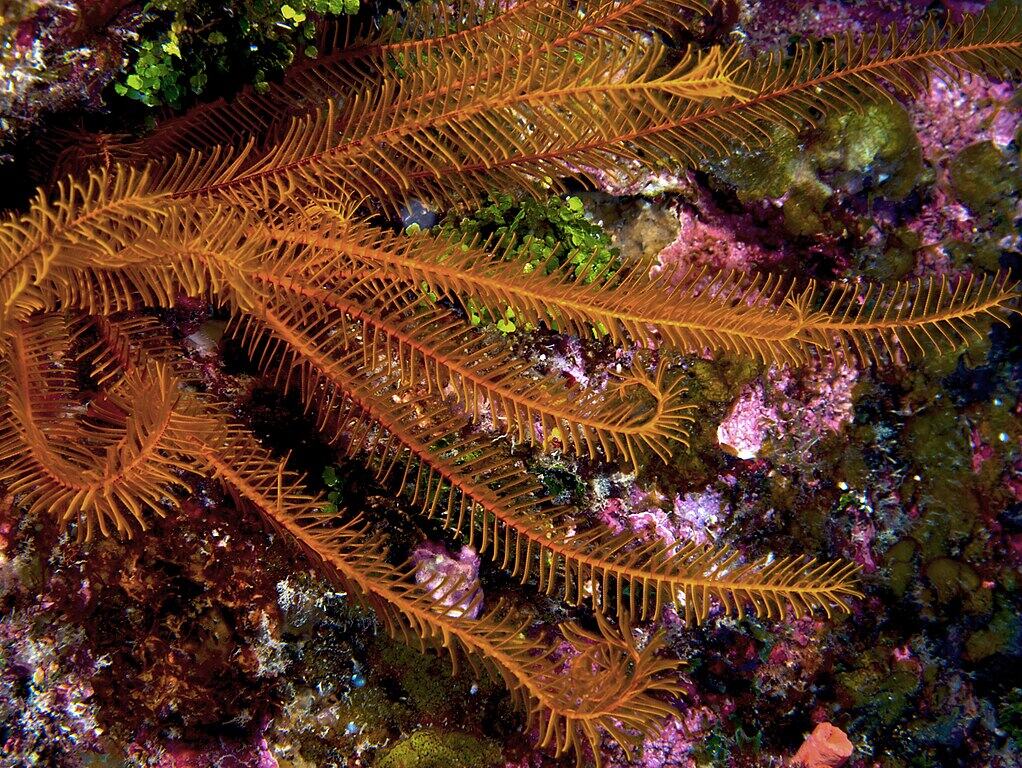
Feather stars, fascinating echinoderms related to starfish, utilize parts of their body for respiration. The fleshy pinnules on their arms, which are heavily vascularized, facilitate gas exchange in the ocean. This supplemental form of respiration is essential for these slow-moving creatures as they cling to rocks and filter food from passing water currents.
The Plethodontid Salamanders

Plethodontid salamanders, often called lungless salamanders, have completely adapted to life without lungs. These creatures depend entirely on cutaneous respiration for their oxygen requirements. They often inhabit moist, shaded environments, which help maintain the humidity necessary for their skin to function as a respiratory surface.
Conclusion: The Ingenious Adaptation of Skin Breathing
The diverse species highlighted in this article reveal the astonishing versatility of life’s adaptations. Through the seemingly simple yet complex mechanism of skin breathing, these animals thrive in various environments, from mountain lakes to ocean depths. By leveraging their skin as a respiratory organ, they exhibit the incredible evolutionary innovations that allow life to persist in richly diverse ecological niches.

As a little kid, I fell in love with nature, wildlife, and animals. Living in the USA, South Africa, Italy, China and Germany gave me the opportunity to discover the world's Wildlife. My favorite animals are Mountain Gorillas, Siberian Tigers, and Great White Sharks.
I'm a certified PADI Open Water Diver, went to Everest Base Camp and Trekked Gorillas in Uganda. I hold a Master of Science in Economics and Finance.
Please send any feedback to feedback@animalsaroundtheglobe.com
- 10 Most Unique Reptiles You will See in the US - July 21, 2026
- 3 Dangerous Invasive Species the USA Must Eradicate - July 21, 2026
- 10 Things That Calm Cats And 4 That Make Them Nervous - July 21, 2026