


Climate change is an indiscriminate force, leaving no corner of our ecosystem untouched. It affects the Earth’s diverse ecosystems dramatically, including the habitats of animals large and small. Among those seeing significant shifts are horses, whose habitats are undergoing dramatic changes as a result of fluctuating climates. These changes have profound implications not only for wild horses but also for equine companions on farms and in stables. In this article, we explore ten ways that climate change is reshaping horse habitats, aiming to shed light on the overarching effects of environmental shifts on these majestic creatures.
Temperature Extremes
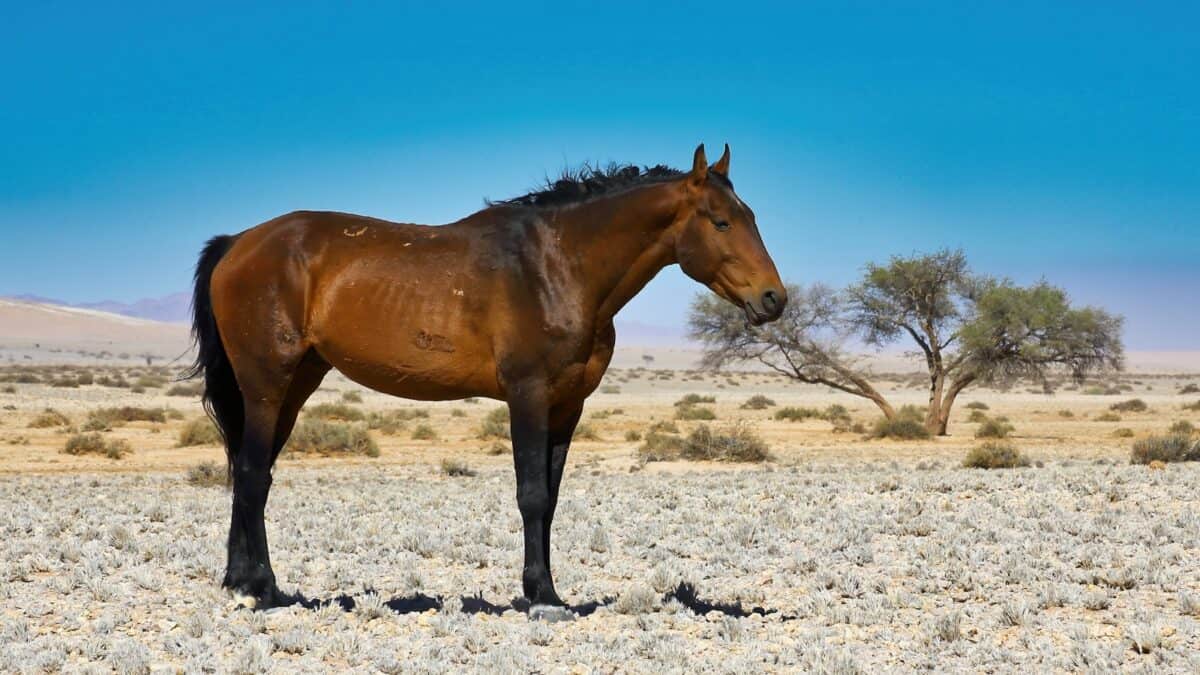
One of the most noticeable effects of climate change is the increase in temperature extremes. Horses are sensitive to changes in temperature, and fluctuations can affect their health. During exceptionally hot summers, horses may struggle with heat stress and dehydration, conditions that are exacerbated by the shrinking availability of shade and water in some habitats. This forces them to adapt, moving to cooler areas or suffering the consequences of climate-induced heat waves.
Changes in Vegetation

As climates alter, so too do the patterns of vegetation. Horses, being grazing animals, are directly impacted by the flora available within their habitats. Climate change can lead to the dominance of less nutritious grasses or invasive plant species, reducing the quality of the horses’ diet. This shift challenges their survival, as they must travel longer distances or consume less optimal forage, potentially leading to nutritional deficits.
Water Scarcity
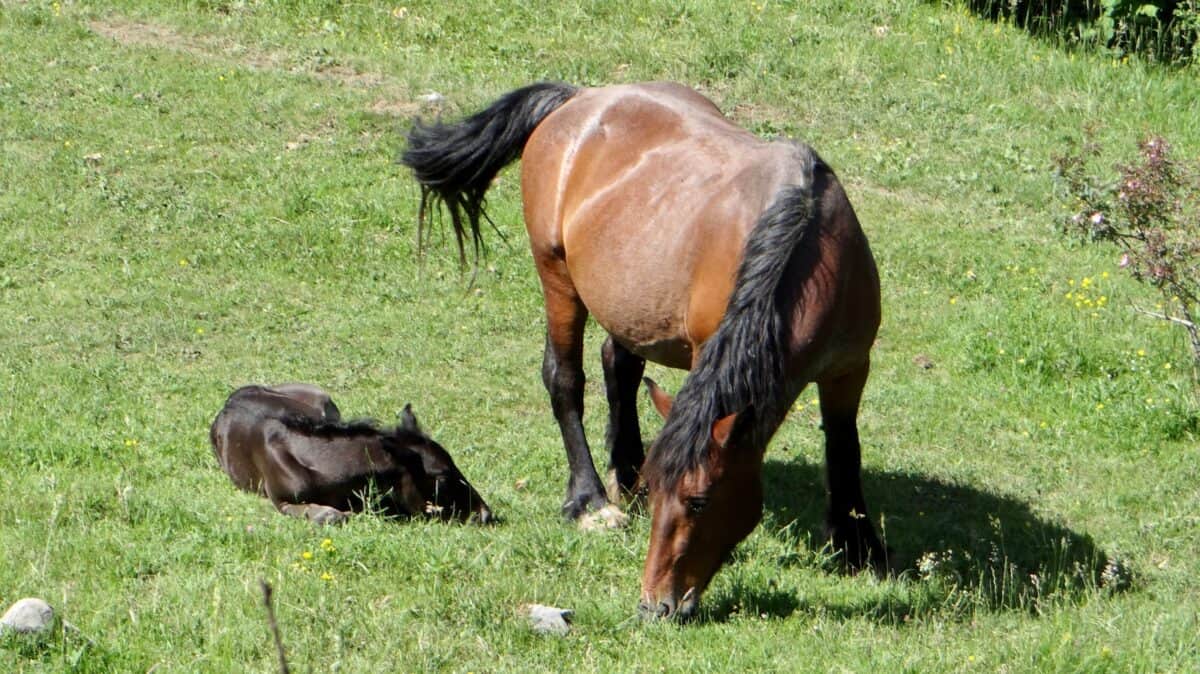
Water is a critical component of equine habitats, and climate change poses a direct threat through droughts and altered precipitation patterns. Horses require a substantial amount of water daily, and a lack of accessible water sources can lead to dehydration and reduced overall health. Persistent drought conditions threaten to dry up water bodies, leaving horses scrambling to find alternative sources or risking dehydration.
Increased Parasite Load

With warming temperatures, the parasite populations that affect horses can increase drastically. Parasites such as ticks and botflies thrive in warmer climates and prolonged seasons, leading to a higher burden on horses. This can cause increased incidences of diseases, leading to long-term health issues and impacting horse populations negatively.
Altered Migration Patterns

Wild horses, much like other migratory species, may find their traditional migration routes disrupted by climate change. Changes in temperature and precipitation can make previous routes inhospitable, either due to extended periods of drought or unseasonal snowfalls, forcing horses to find new paths. This can lead to increased competition with other wildlife for resources in new areas.
Loss of Habitat

As human populations expand and the demands for agricultural land increase, horse habitats face further encroachment. Coupled with climate change, this loss can be devastating. Areas that were historically suitable for equines are being transformed into deserts or are submerged due to rising sea levels, restricting space for horses to thrive.
Behavioral Changes
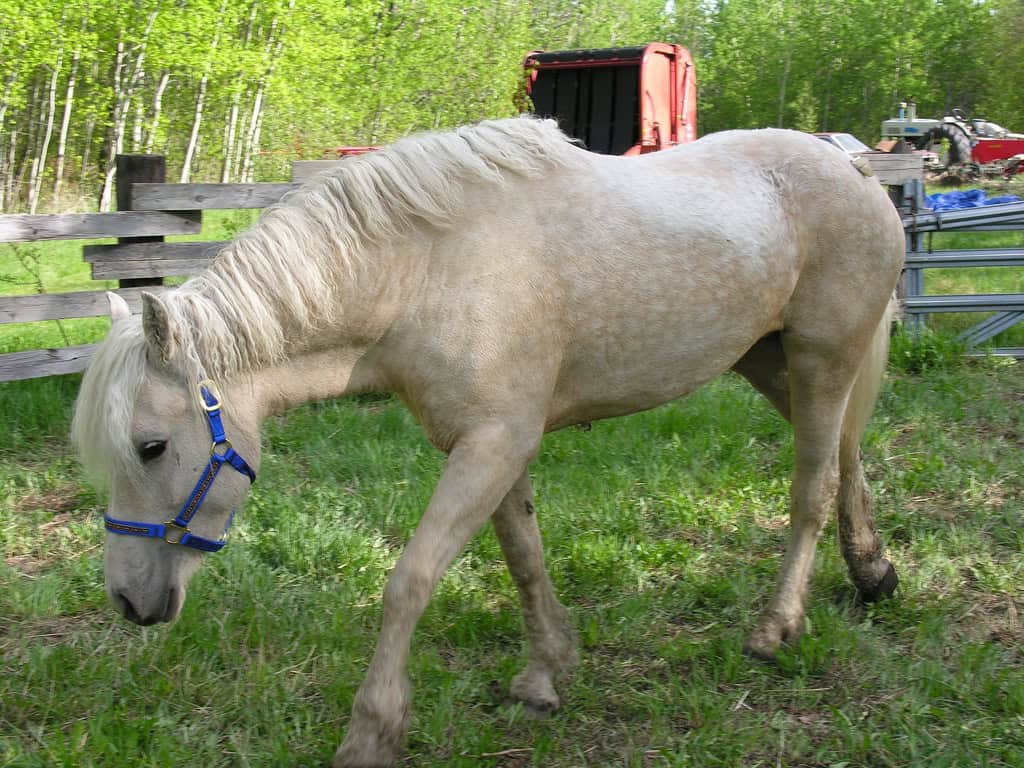
Horses may change their behavior in response to the alterations in their environment induced by climate change. Increased aggression has been noted among populations competing for dwindling resources. Similarly, changes in grazing times and social structures within herds may occur as animals adapt to increased temperatures and scarce resources.
Impact on Reproduction

Reproductive cycles of horses can be sensitive to environmental cues, which are being altered by climate change. Stress from extreme weather conditions and food scarcity can result in lower birth rates and even increase juvenile mortality. These reproductive challenges threaten the long-term sustainability of horse populations.
Impact on Health

The environmental stressors induced by climate change can have varied direct and indirect health impacts on horses. A declining habitat quality combined with an increased prevalence of diseases and parasites means that horses are more susceptible to illness. Veterinary care may become more challenging in wild populations, with owners of domestic horses incurring higher costs for health management.
Human-Equine Conflict
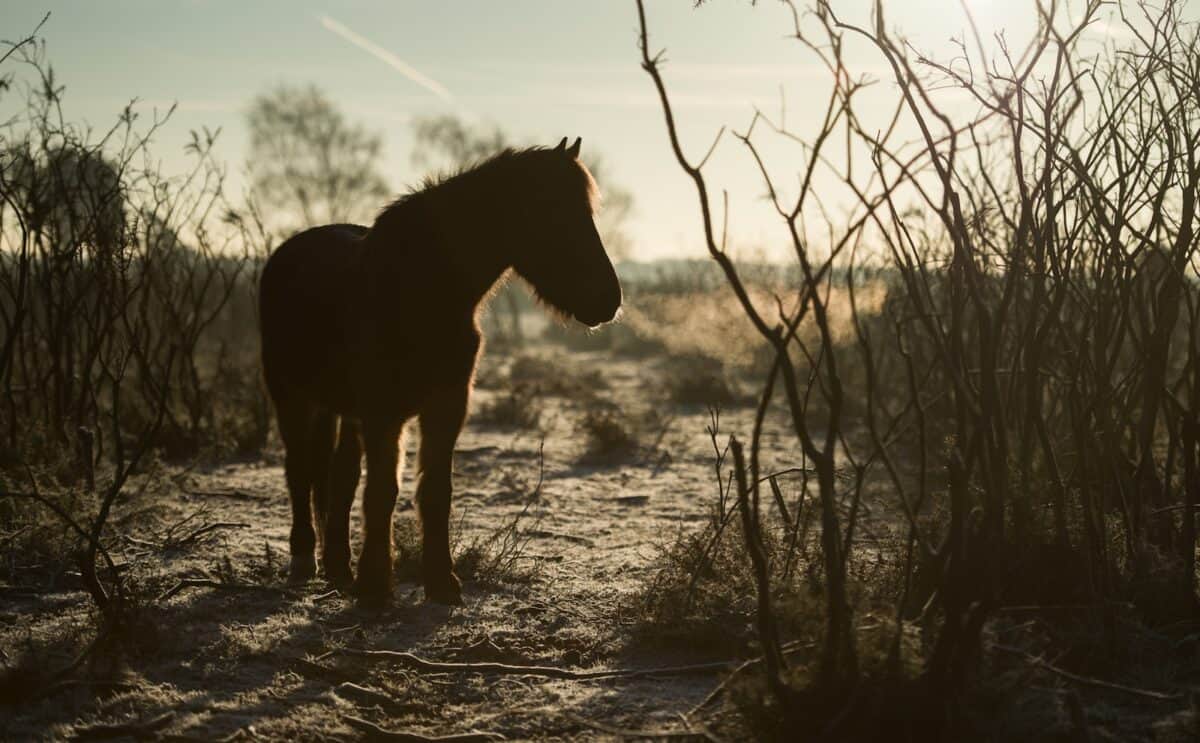
As resources become scarcer due to climate change, conflict between humans and horses over water, grazing lands, and shelter may increase. In some regions, wild horses struggle with farmers or ranchers over access to increasingly limited resources, inciting competition that threatens horse populations. This conflict necessitates finding sustainable solutions to ensure the safety of both the horses and the livelihoods of people dependent on these shared resources.
Climate-Resilient Habitats
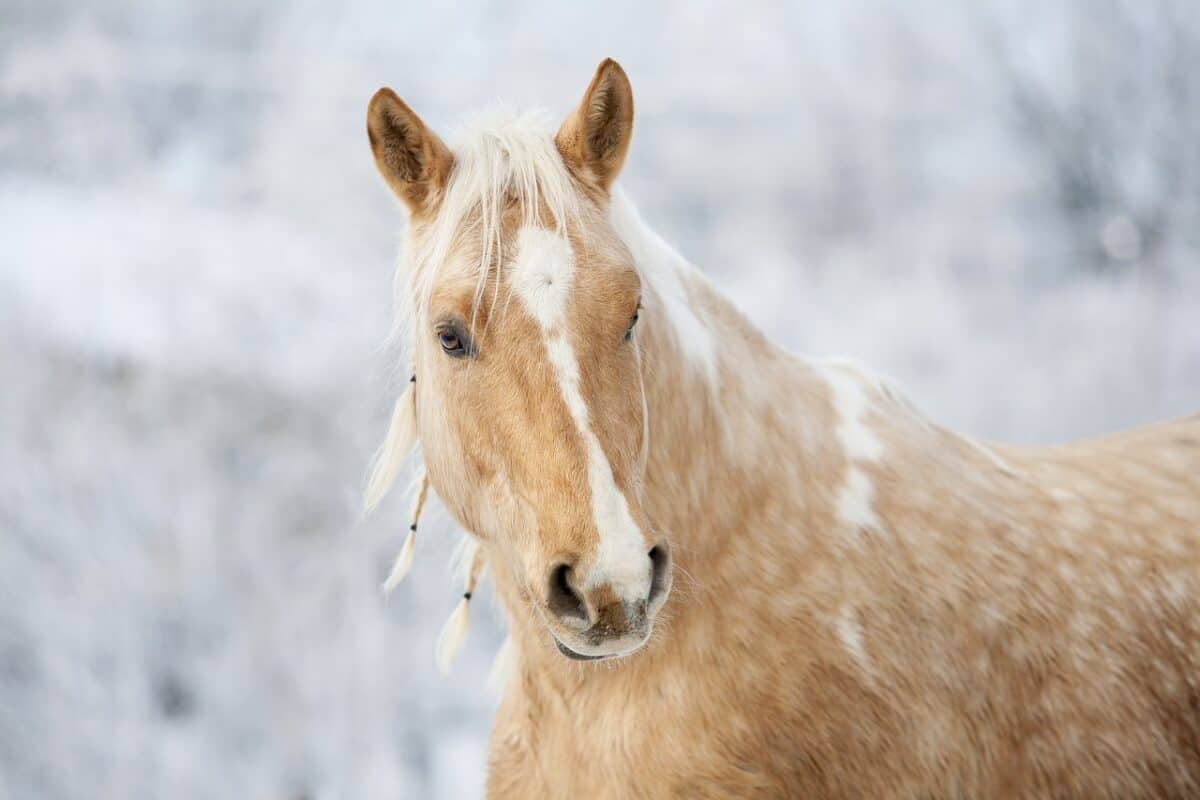
In response to these challenges, efforts are underway to mitigate the impact of climate change on horse habitats. Conservationists and researchers are exploring climate-resilient habitats and advocating for policies to protect critical ecosystems. Restoration of degraded lands and sustainable water management practices are pivotal in providing resilient environments for horses.
Conclusion
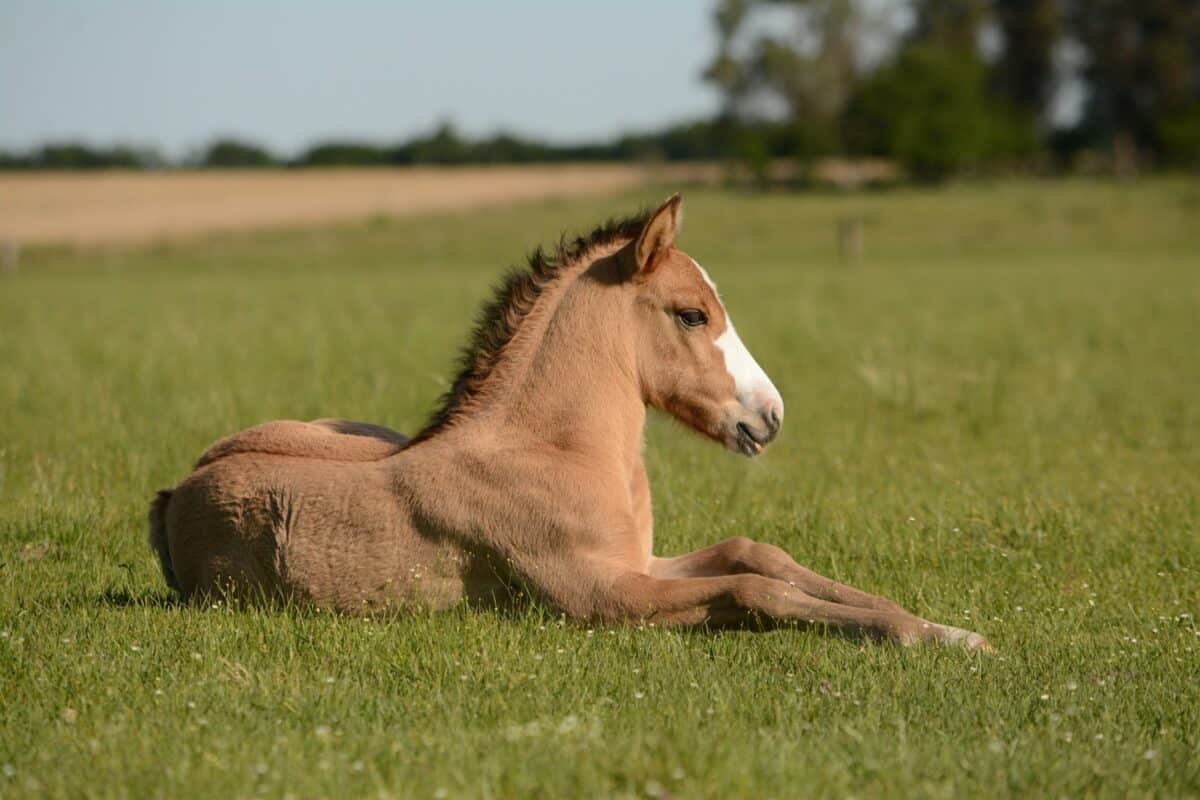
As we face the undeniable realities of climate change, it is crucial to understand how these shifts play out across different ecosystems, including those of our equine companions. By highlighting the various ways climate change is reshaping horse habitats, we underscore the importance of concerted global efforts to combat environmental changes. The fate of horse populations hinges on our ability to acknowledge these challenges and swiftly implement strategies that ensure their survival and well-being in the face of a rapidly changing world.

As a little kid, I fell in love with nature, wildlife, and animals. Living in the USA, South Africa, Italy, China and Germany gave me the opportunity to discover the world's Wildlife. My favorite animals are Mountain Gorillas, Siberian Tigers, and Great White Sharks.
I'm a certified PADI Open Water Diver, went to Everest Base Camp and Trekked Gorillas in Uganda. I hold a Master of Science in Economics and Finance.
Please send any feedback to feedback@animalsaroundtheglobe.com
- 10 Most Unique Reptiles You will See in the US - July 21, 2026
- 3 Dangerous Invasive Species the USA Must Eradicate - July 21, 2026
- 10 Things That Calm Cats And 4 That Make Them Nervous - July 21, 2026