


Exploring the great outdoors and learning to identify animal tracks can transform a simple hike into a thrilling adventure. Animal tracks serve as nature’s roadmap, revealing the rich biodiversity that exists just beyond our immediate sight. With a little patience and observation, you can become proficient at identifying the subtle signs left behind by animals as they move through their natural habitats. This article will guide you through fifteen animal tracks you are likely to encounter, providing you with the tools to decipher these fascinating clues of the wild.
Deer Tracks

Deer tracks are among the most common tracks you’ll encounter in North America. They feature two distinct toe impressions shaped like teardrops, pointing forward, often accompanied by a split hoof mark. These tracks can tell you about the deer’s size, direction of travel, and even its speed—running deer will leave elongated tracks with more space between them.
Bear Tracks

Recognizing bear tracks is crucial for safety in the wild. Both black bears and grizzly bears leave sizable footprints, notable for their five toes and prominent heel pad. Grizzly tracks tend to be larger, featuring a noticeable claw mark due to their longer claws. Learning to distinguish these tracks can help you stay cautious in bear-populated areas.
Raccoon Tracks

Raccoon tracks are relatively easy to identify, with five slender toes resembling tiny human handprints. These nocturnal creatures are often found near water sources. The front paw track is smaller than the rear, and you’ll typically see a series of tracks as raccoons are known to travel in family groups.
Fox Tracks

Fox tracks are small and oval, with four toes and a subtle, often indistinct, claw mark. The tracks align closely, creating a neat, straight line, which is characteristic of the fox’s trotting gait. Given their size and shape, fox tracks can be mistaken for those of a small dog, but the direct registration of their walk is a key identifier.
Wolf Tracks

Wolf tracks resemble large dog tracks but with key differences. A wolf’s track displays more symmetry, with its relatively larger, oval foot pads and elongated toe prints. The distinctions in track size and behavior between a solitary domestic dog and a pack-traveling wolf are important for accurate identification.
Bobcat Tracks

Bobcat tracks are typically round and lack claw marks, as bobcats retract their claws while walking. Featuring four toes and a heel pad, the tracks are about 1.5 to 2 inches in diameter. Bobcat tracks can sometimes be confused with those of smaller dogs, but the absence of claw marks is a helpful clue.
Coyote Tracks
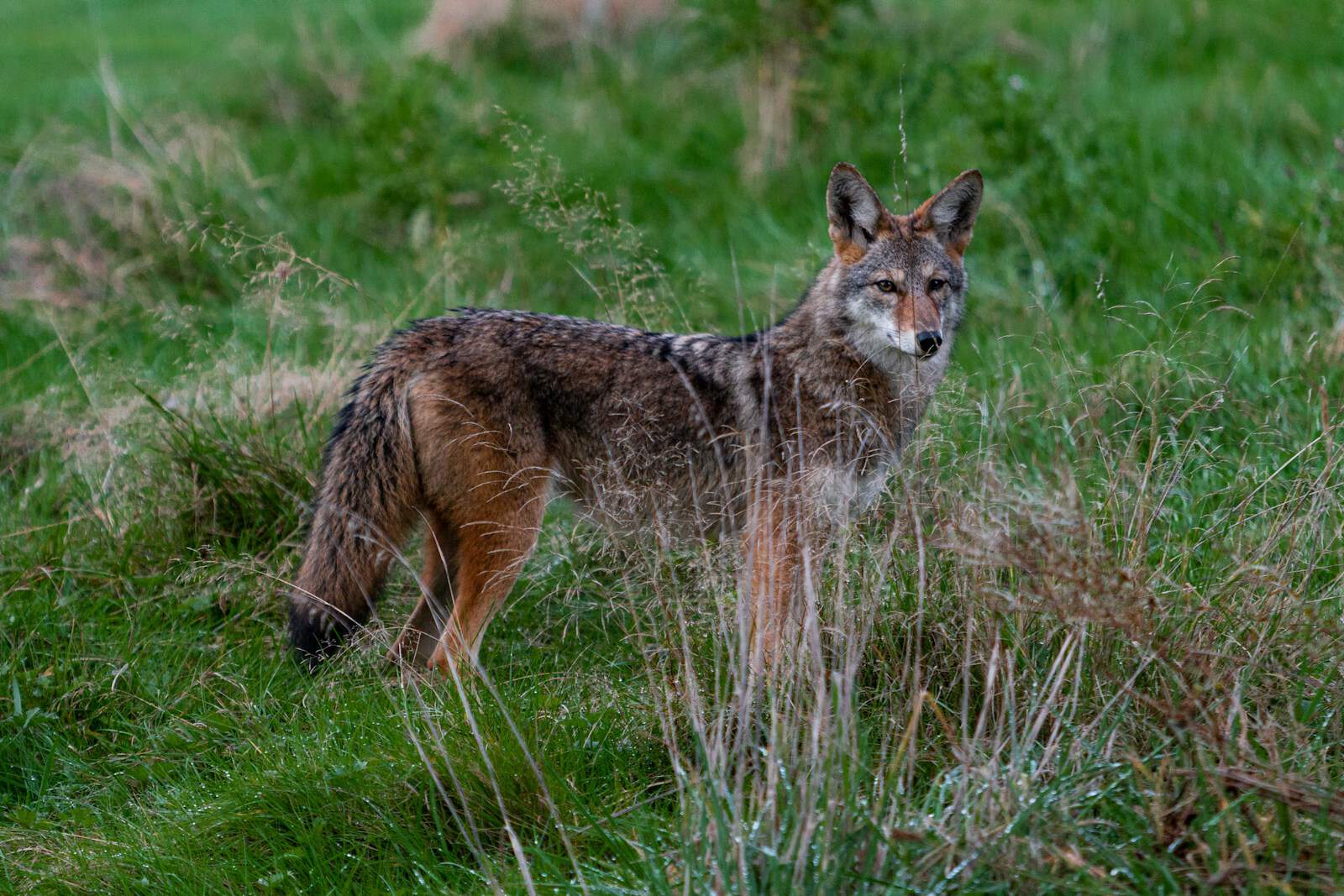
Coyote tracks, similar to domestic dogs, consist of four toes and a large heel pad. However, coyote tracks appear more oval and elongated. They often display a linear trail pattern as if they are aware of their surroundings and always on a mission. The clear nail marks also set them apart.
Rabbit Tracks

Rabbit tracks are distinctive for their pattern, not their shape. They leave offset tracks that appear tripod-like, with the larger hind feet falling ahead of the smaller front feet as they hop. This pattern helps identify rabbits—especially during winter months when their tracks are easy to spot on snow.
Squirrel Tracks

Squirrel tracks are small and feature four toes on the front foot, five on the back, adapted for climbing. Typically, squirrel tracks show the back feet landing ahead of the front, forming a bounding pattern. Found near trees, their tracks reveal a zigzag path due to their erratic movement.
Moose Tracks

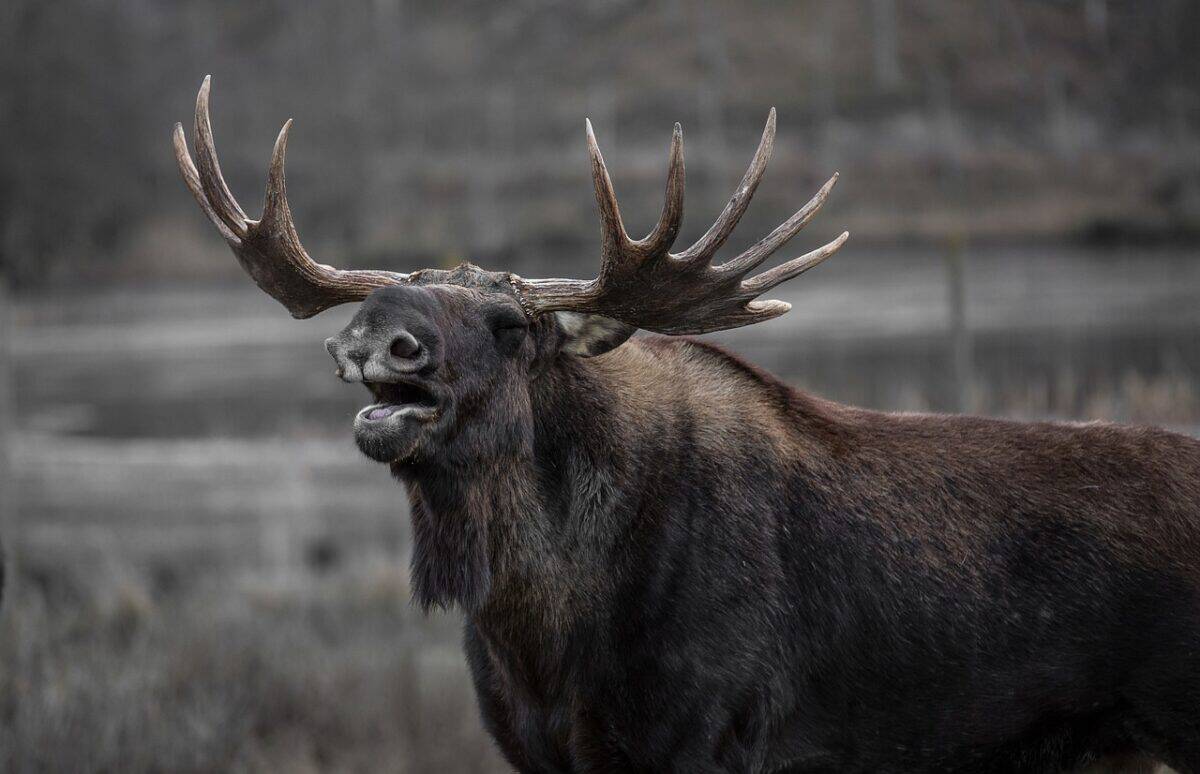
Moose tracks are considerably large, with heart-shaped impressions and two prominent dewclaws. Found in the northern climates, these massive impressions indicate a heavy animal, and when seen in shallow snow or mud, they can be quite unmistakable. They signal the presence of one of the forest’s most imposing creatures.
Beaver Tracks
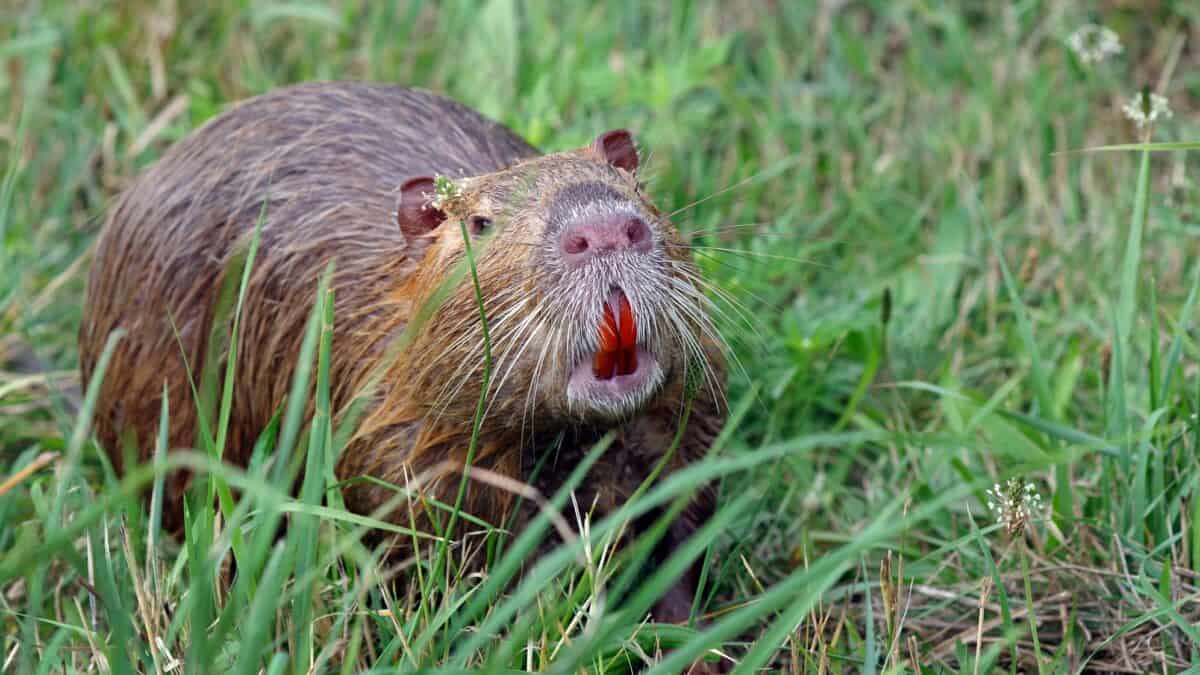
Beaver tracks can be identified by their webbed hind feet, larger than the front, with visible claw marks. The telltale tail drag mark often accompanies these footprints, offering definitive clues of beaver activity near water bodies. The symmetry and placement of tracks are indicative of their waddling gait.
Opossum Tracks

Opossum tracks are unique due to their opposable thumb on the rear foot, much like a human’s. They often leave behind five-finger-like trail patterns that look like human handprints, with the thumb extending outwards. These nocturnal animals leave erratic, meandering tracks as they forage, providing an intriguing view into their nighttime activities.
Duck Tracks

Common around wetlands, duck tracks are easily identified by their webbing. Made by three forward-facing toes and a smaller back toe, the tracks are usually seen lining the banks of streams, ponds, or lakes. These patterns show where ducks have waddled back and forth to the water, often parallel to the shore.
Mouse Tracks
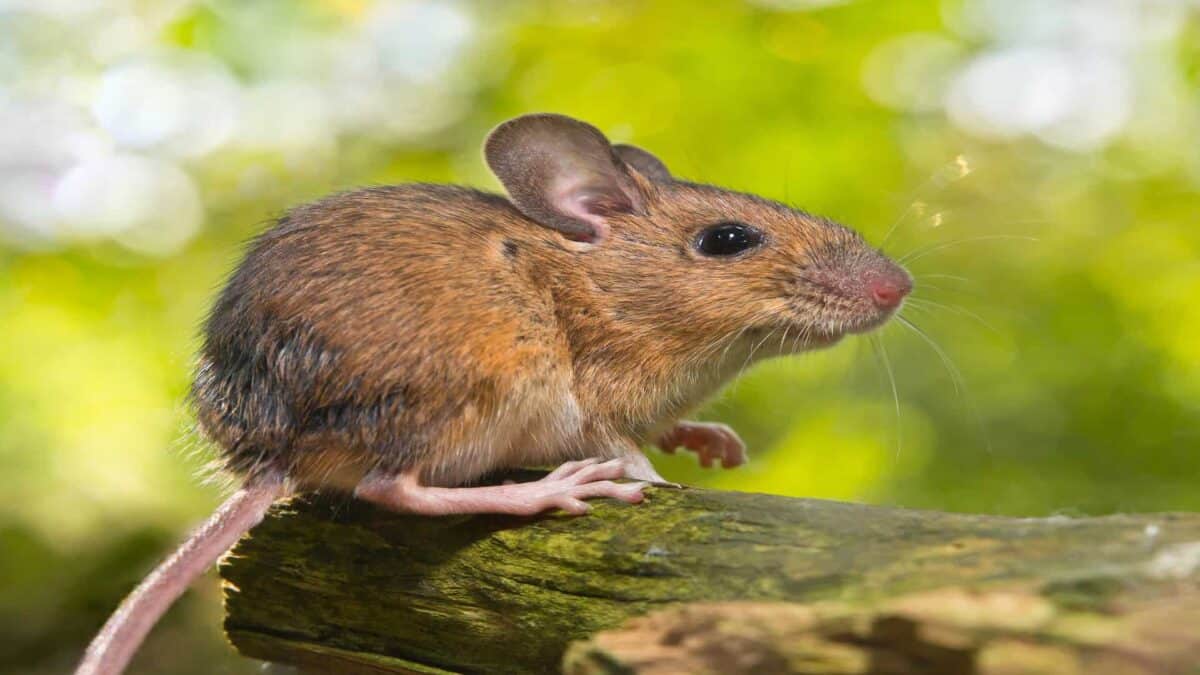
Mouse tracks are minuscule and often accompanied by the marks of a dragging tail. They feature four toes on the front foot and five on the hind. Found in many habitats, from forests to urban areas, their tracks often reveal busy, overlapping paths reflecting their constant search for food and shelter.
Turkey Tracks

Turkey tracks are large, distinct, and bird-like, with three elongated toes at the front and one shorter toe at the rear. Often seen in fields or the forest floor, turkey track patterns indicate their social behavior as they roam in groups foraging for food, often leaving behind a complex web of activity.
Conclusion:
Identifying animal tracks can vastly enhance your outdoor experiences, offering a glimpse into the daily lives of wildlife. As you learn to recognize these traces, you uncover the stories unfolding around you, deepening your connection to the natural world. Remember to explore with curiosity and respect, preserving these wild environments for future generations to enjoy.

As a little kid, I fell in love with nature, wildlife, and animals. Living in the USA, South Africa, Italy, China and Germany gave me the opportunity to discover the world's Wildlife. My favorite animals are Mountain Gorillas, Siberian Tigers, and Great White Sharks.
I'm a certified PADI Open Water Diver, went to Everest Base Camp and Trekked Gorillas in Uganda. I hold a Master of Science in Economics and Finance.
Please send any feedback to feedback@animalsaroundtheglobe.com
- The 10 Rarest Dog Breeds Making a Comeback in America - July 19, 2026
- 13 Creatures That Survived Mass Extinctions - July 19, 2026
- 12 Pets That Are Perfect for Seniors - July 19, 2026