


The sudden increase in snapping turtle sightings has piqued the curiosity of wildlife enthusiasts, conservationists, and the general public alike. These prehistoric-looking creatures, with their distinct features and behaviors, are being spotted more frequently in various parts of North America. Let’s dive into the reasons behind this surge, exploring their natural habitat, characteristics, and the broader ecological implications.
Introduction to Snapping Turtles

Snapping turtles, primarily the common snapping turtle (Chelydra serpentina) and the alligator snapping turtle (Macrochelys temminckii), are considered formidable freshwater turtles. Known for their powerful jaws and distinctive rugged appearances, they are adored by some and feared by others. Understanding these creatures can help demystify their recent population boom.
Ecological Role of Snapping Turtles

Snapping turtles play a critical role in their ecosystems. They are omnivorous scavengers, helping to clean water bodies by consuming dead and decaying matter. Additionally, they predate on invasive species and help maintain the balance in their habitats. Their presence often indicates a healthy, biodiverse aquatic system.
Habitat Preferences and Distribution

These turtles are primarily found in slow-moving waters such as rivers, lakes, and swamps across North America. Their adaptability to different environments enables them to thrive in varied aquatic habitats. Changes in climatic conditions, water quality, and land use might be impacting their habitat choices.
Factors Contributing to Increased Sightings
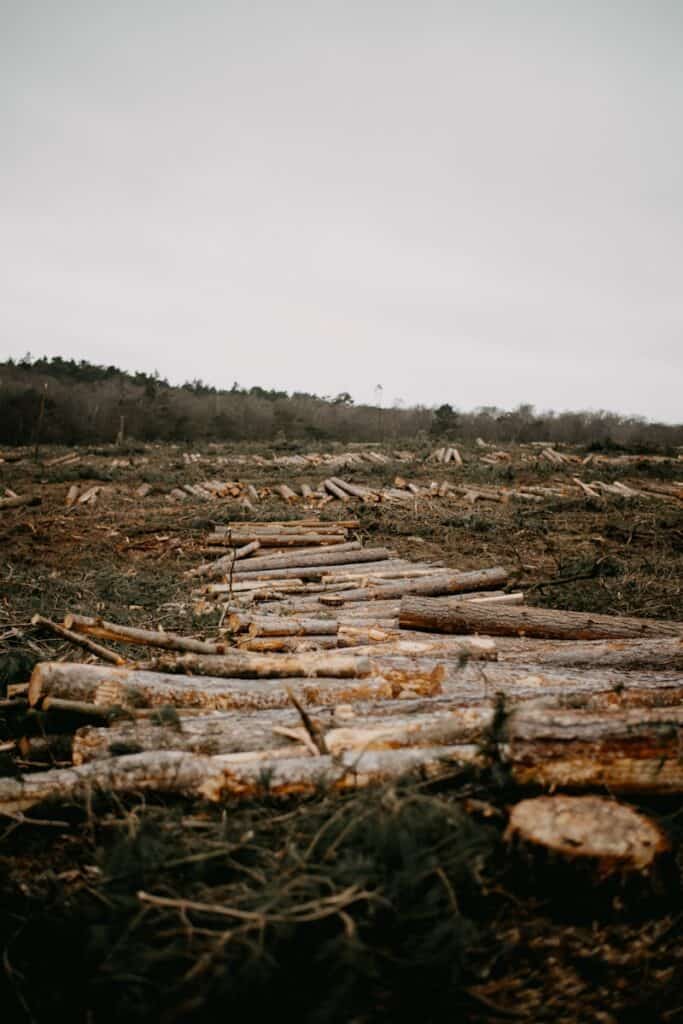
Several factors contribute to the rise in sightings of snapping turtles. Climate change has extended their active period, potentially increasing interactions with humans. Moreover, conservation efforts over the years have led to population rebounds, making them more visible. Urban expansion also brings humans closer to natural turtle habitats, resulting in more encounters.
The Role of Conservation Efforts

Conservation initiatives aimed at protecting wetland environments and controlling pollution have inadvertently aided snapping turtle populations. These efforts create suitable conditions for turtles to flourish, enhancing their ability to reproduce and thrive in the wild.
Seasonal Behavior and Activity Patterns

Snapping turtles are most active during the warmer months, feeding, mating, and laying eggs. The increase in sightings could be attributed to observers stumbling upon them during nesting seasons, when females travel to find suitable egg-laying sites, making them more visible to the public.
Human Impact and Urbanization

The expansion of urban areas often disrupts wildlife habitats. However, some snapping turtle populations have adapted to human-dominated landscapes, with urban waterways providing unconventional but suitable homes. This adaptation can lead to increased interactions and sightings in populated areas.
Climate Change Effects

Rising global temperatures influence the distribution and behavior of many reptiles, including snapping turtles. Warmer climates may expand their geographical range, allowing them to colonize new areas. This ecological shift can lead to increased sightings in regions previously void of large turtle populations.
Potential Conflicts with Human Populations

The rise in snapping turtle numbers and visibility can lead to conflicts, especially in recreational water bodies and urban settings. Education about turtle behavior and safety measures can alleviate concerns and promote coexistence between humans and these ancient reptiles.
Health and Population Monitoring
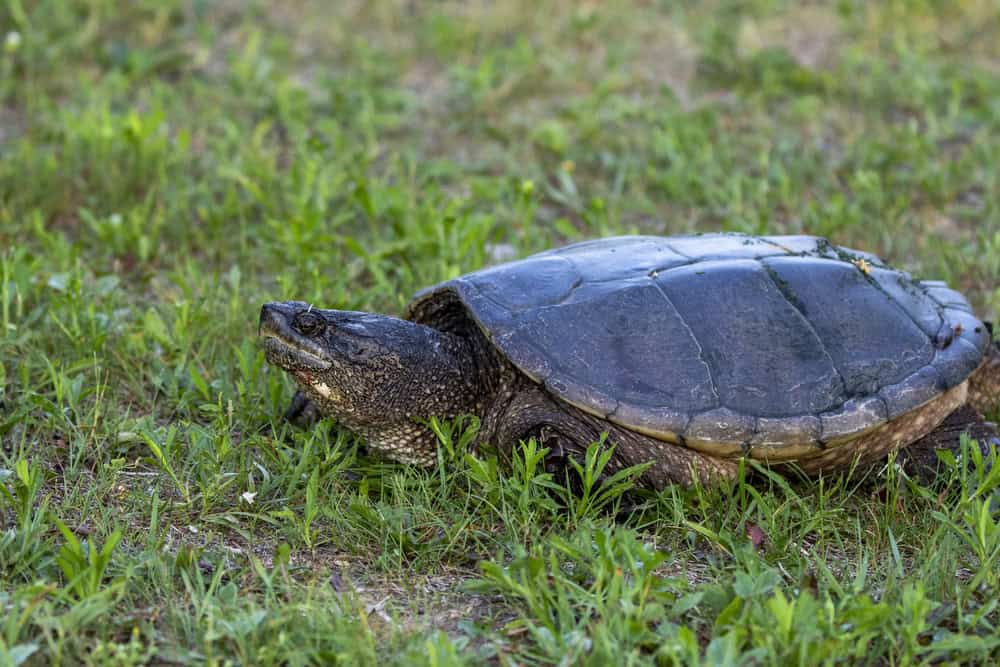
Accurate data on snapping turtle populations is crucial for monitoring their health. Increased sightings offer an opportunity for wildlife biologists to study their numbers, health conditions, and any potential threats, enabling informed conservation strategies to be developed.
Community Role in Conservation and Reporting

Community involvement is key in conservation. Public reports of turtle sightings can help create a comprehensive database, aiding scientists in understanding turtle distribution and health. Citizen science projects are becoming increasingly important in wildlife monitoring and conservation efforts.
Long-Term Implications for Ecosystem Balance
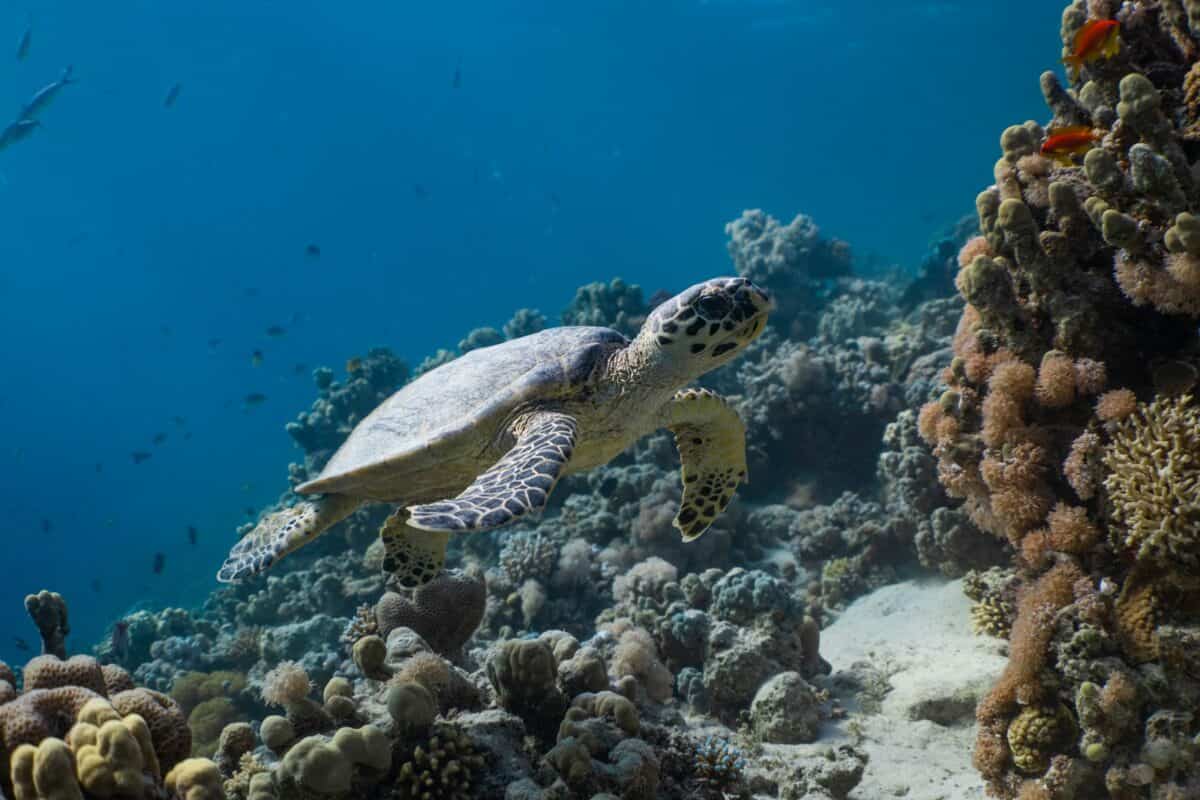
The increase in snapping turtle populations may significantly impact their ecosystems in the long run. Balancing their role as predators and scavengers with other wildlife requires continuous observation and potential management strategies to maintain ecosystem health.
The boom in snapping turtle sightings is a multifaceted phenomenon encompassing ecological, climatic, and anthropogenic factors. Understanding these aspects allows us to better appreciate the roles these reptiles play in their environments and how they can coexist alongside expanding human populations. These silent guardians of our waterways are a testament to nature’s resilience and adaptability.

- The Deepest Cave on Earth Was Just Explored—What They Found Is Terrifying - July 14, 2026
- How to Tell a Black Bear from a Grizzly Bear at a Glance - July 14, 2026
- 14 Times Wild Animals Became a Real-Life Threat to Humans - July 14, 2026