

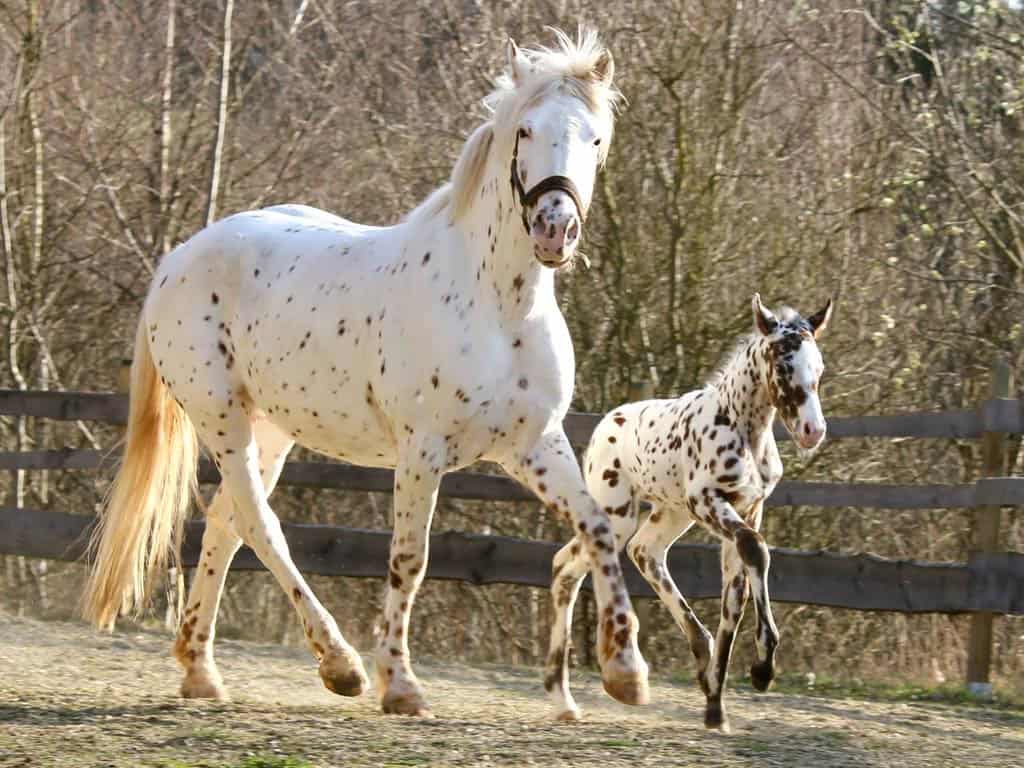
Animals often surprise us with their remarkable capabilities, exhibiting levels of intelligence that challenge our understanding of the natural world. From using tools to solving complex problems, some animals display cognitive abilities that rival those of young children. Throughout the years, scientists have documented numerous instances where animals demonstrated striking intelligence that left researchers in awe. This article delves into 15 such remarkable examples, showcasing the fascinating diversity and depth of animal intelligence.
Clever Crows and Their Tool-Making Skills
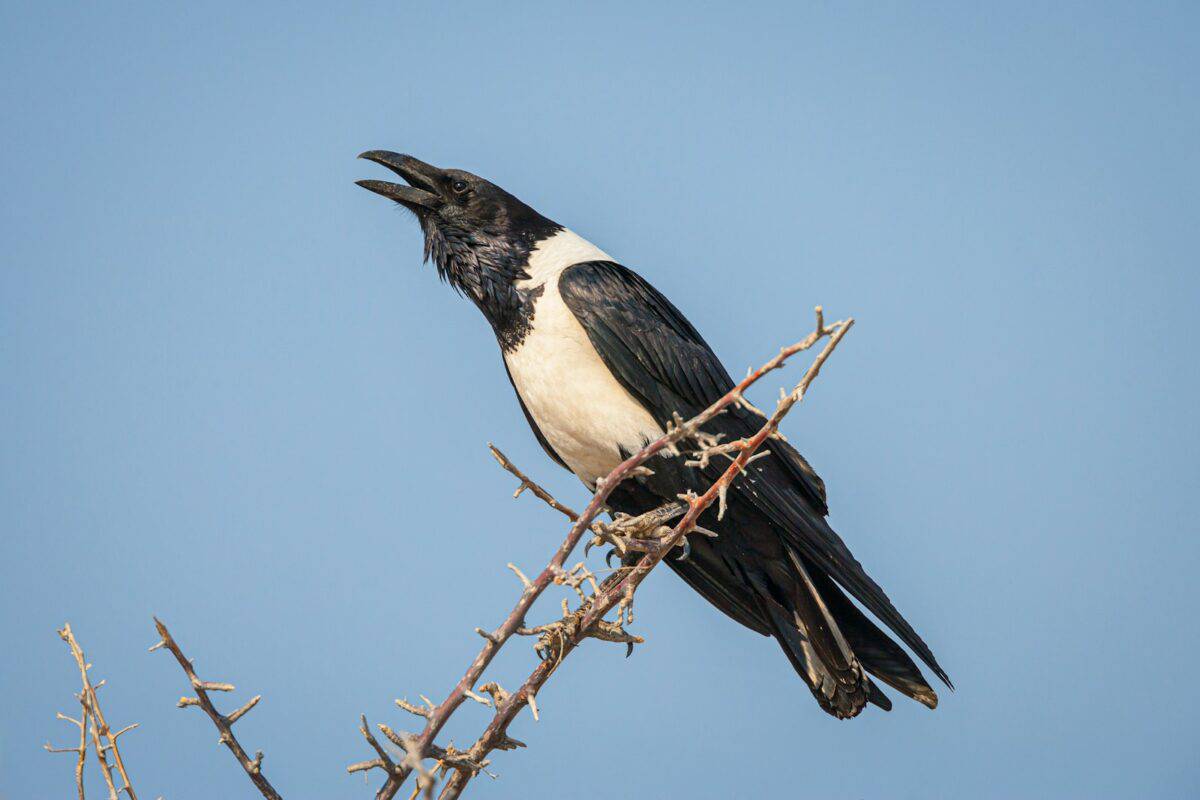
New Caledonian crows are renowned for their ability to fashion tools from twigs and leaves to extract insects from tree bark. These birds go beyond simple tool use; they can modify their tools for different tasks, demonstrating not only problem-solving skills but also foresight. In one famous experiment, a crow named Betty bent a straight wire into a hook to retrieve food, astonishing researchers and confirming the species’ advanced cognitive abilities.
Octopus Escapes Masters of Puzzle Solving

Octopuses are marine mollusks known for their extraordinary problem-solving capabilities. In aquariums, they often manage to unscrew jar lids from the inside, mimic surroundings by changing color and texture, and escape through the tiniest crevices. These feats of ingenuity highlight their sophisticated understanding of their environment and an ability to learn from past experiences.
Dolphins The Language of Clicks and Whistles
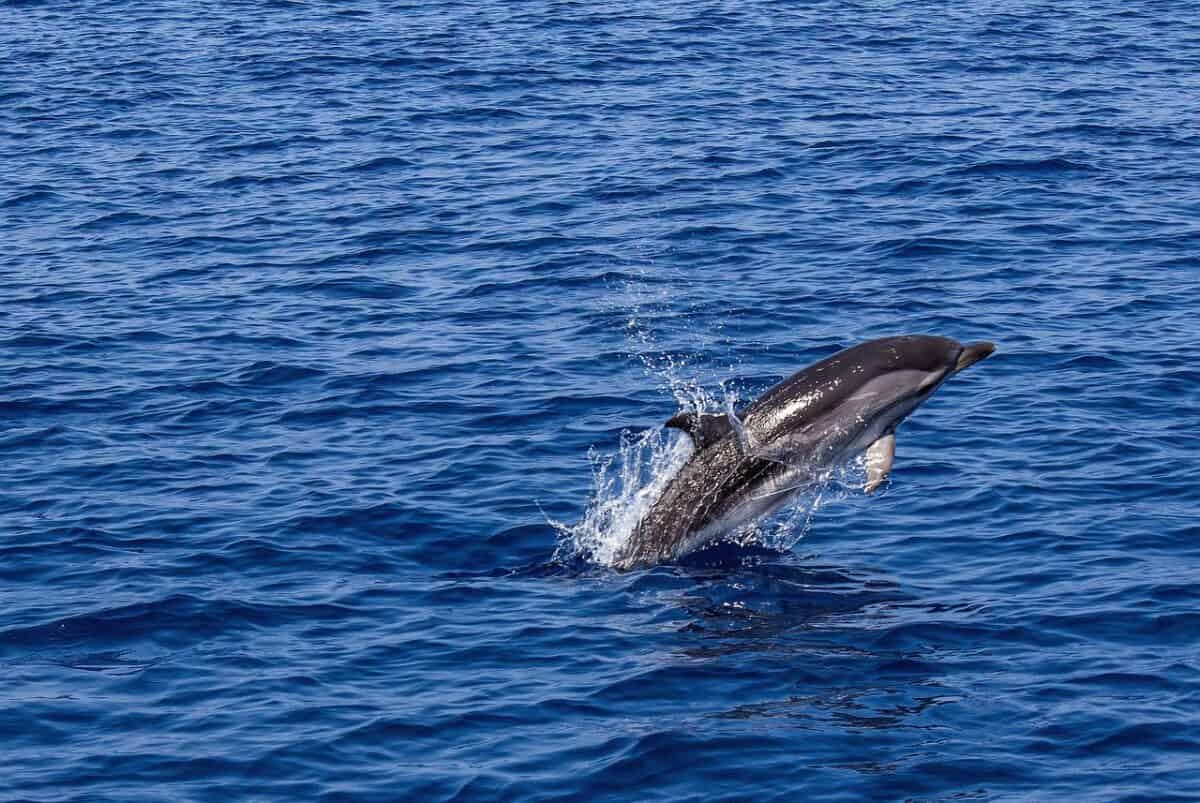
Dolphins are highly social animals with complex communication skills. Researchers have observed dolphins using signature whistles to identify themselves and others, akin to names in human language. They even show an understanding of syntax, the arrangement of vocal signals in meaningful sequences, indicating a level of linguistic competence previously thought unique to humans.
Ravens Planning for the Future
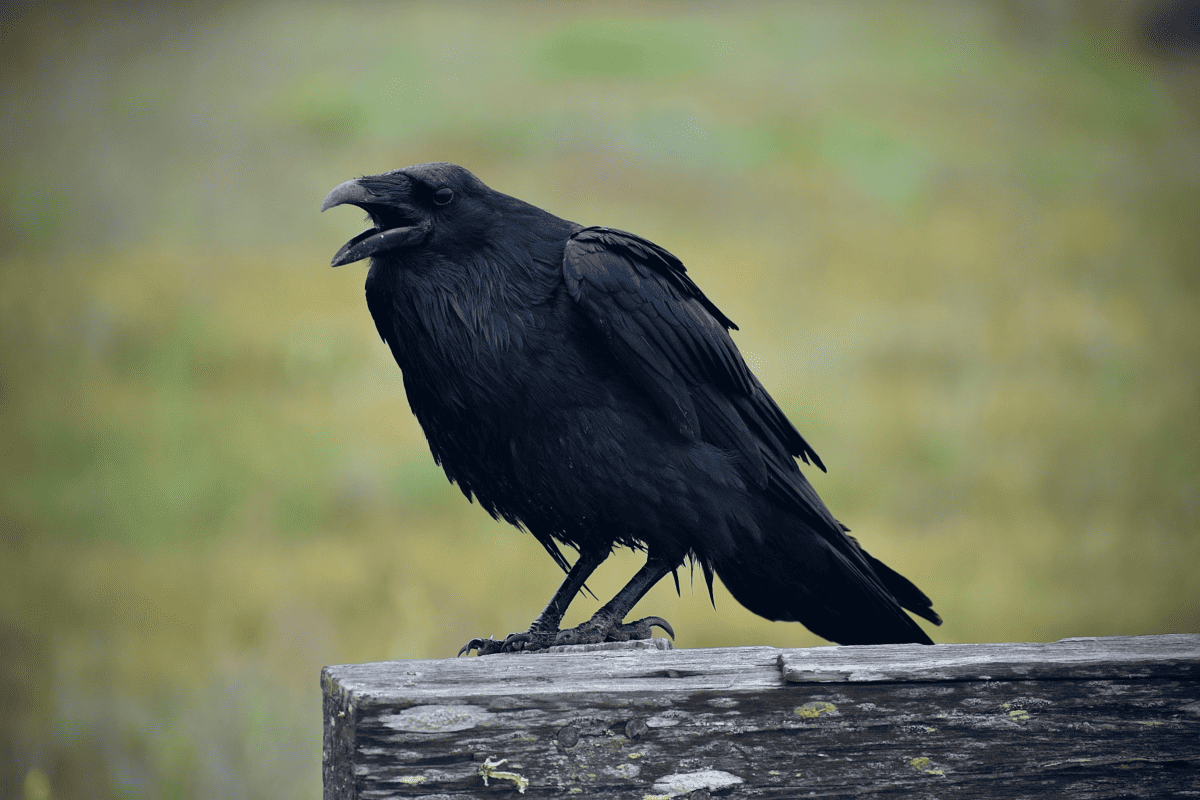
Ravens display an impressive capacity for planning future events. In a groundbreaking study, ravens selected and saved tools they would need for a task the following day, demonstrating foresight and self-control. This behavior highlights their ability to anticipate future needs, a sophisticated cognitive process that requires advanced mental simulation.
Elephants The Engineering Giants

Elephants are not just majestic creatures; they are also highly intelligent. Field observations have shown that elephants can manipulate their surroundings to aid in problem-solving, such as moving rocks or breaking branches to access food. Their understanding of cause and effect and their social and empathetic behaviors make them one of the most intelligent terrestrial animals.
Dogs Mind-Reading Companions

Dogs have an incredible ability to understand human cues and emotions. Researchers have found that dogs can interpret human gestures, such as pointing, better than any other non-human species. Additionally, they exhibit a keen understanding of human emotions, often comforting their owners during distress and mirroring their moods, showcasing an extraordinary level of social intelligence.
Chimpanzees Masters of Memory

Chimpanzees share 98% of their genetic material with humans and display remarkable cognitive abilities. In one study, chimpanzees outperformed humans in memory tests, recalling the sequence of numbers with astonishing accuracy. This capability suggests their memory functions surpass our own in certain contexts, forcing scientists to rethink the boundaries of animal cognition.
Pigeons Exceptional Visual Memory

Pigeons, often seen as simple city dwellers, have exhibited impressive visual memory skills in experiments. Trained pigeons can distinguish between different art styles, recognize individual human faces over time, and navigate complex environments—a testament to their acute observational abilities and learning capacity.
Bees Tiny Crowd Intelligence

Bees exhibit a form of collective intelligence known as swarm behavior. When choosing a new home, bees perform intricate dances to convey information about potential sites. The colony then collectively weighs these options, a decision-making process that parallels neural processing in brains, highlighting an astonishing level of group intelligence in these tiny insects.
Rats Navigators Through Complex Mazes

Rats are frequently used in laboratory research due to their ability to navigate complex mazes and learn tasks quickly. Their spatial memory and problem-solving skills enable them to find the shortest paths through intricate labyrinths, and they can remember these routes even after long periods, demonstrating impressive cognitive mapping abilities.
Parrots Vocal Mimicry and Communication

Parrots are famous for their ability to mimic human speech, but their intelligence goes beyond mere mimicry. Certain parrot species, like the African grey parrot, show an understanding of conceptual categories such as shape, color, and number. This cognitive capacity rivals that of primates and highlights their sophisticated brain structure.
Sealions Understanding Synchronicity

Sealions have demonstrated the ability to understand complex vocal commands and perform tasks synchronized with cues. In one study, sea lions learned to replicate patterns and sequences after minimal exposure, showcasing their ability to grasp abstract concepts and their impressive learning capabilities in dynamic environments.
Horses Social Learners

Horses are adept at learning new tasks by observing their peers, a form of intelligence known as social learning. They can understand human gestures and appear to communicate their intentions, adapting their behavior based on human audience reactions, indicating a sophisticated level of social cognition.
Squirrels Strategic Hoarders

Squirrels are known for their strategic food-hoarding behaviors. They create vast, complex caches and use different techniques to deceive potential food thieves, such as pretending to bury food while actually hiding it elsewhere. These tactics demonstrate their advanced problem-solving skills and understanding of trust and deceit.
Conclusion: Redefining Intelligence in the Animal Kingdom

The examples of animal intelligence discussed highlight the diverse cognitive capabilities present across various species. Each instance not only challenges our understanding of animal behaviors but also enriches our appreciation for the natural world. As research continues to unveil the depths of animal minds, it serves as a reminder of the shared evolutionary threads that bind all sentient life on a planet filled with wonders yet to be unravelled.

As a little kid, I fell in love with nature, wildlife, and animals. Living in the USA, South Africa, Italy, China and Germany gave me the opportunity to discover the world's Wildlife. My favorite animals are Mountain Gorillas, Siberian Tigers, and Great White Sharks.
I'm a certified PADI Open Water Diver, went to Everest Base Camp and Trekked Gorillas in Uganda. I hold a Master of Science in Economics and Finance.
Please send any feedback to feedback@animalsaroundtheglobe.com
- 10 Most Unique Reptiles You will See in the US - July 21, 2026
- 3 Dangerous Invasive Species the USA Must Eradicate - July 21, 2026
- 10 Things That Calm Cats And 4 That Make Them Nervous - July 21, 2026