

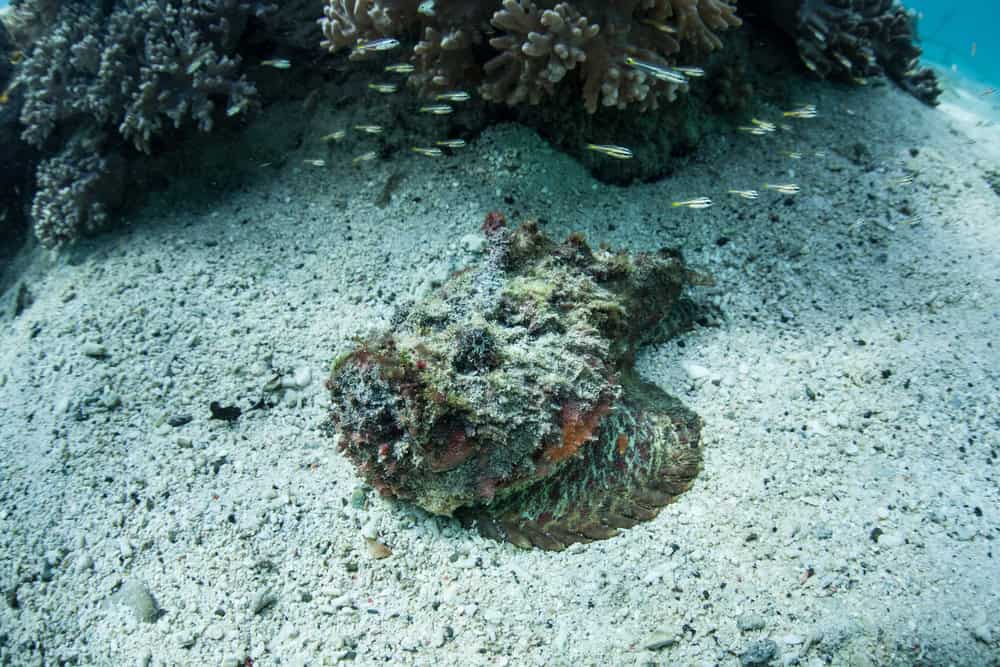
In the wild, survival often hinges on the ability to blend seamlessly into the environment. This capability not only prevents predators from spotting prey but also aids hunters in approaching their targets undetected. Camouflage, mimicry, and adaptation equip various species with remarkable skills, turning them into nature’s masters of disguise. Let’s delve into the fascinating world of these stealthy creatures and their incredible techniques.
Leaf-Tailed Gecko
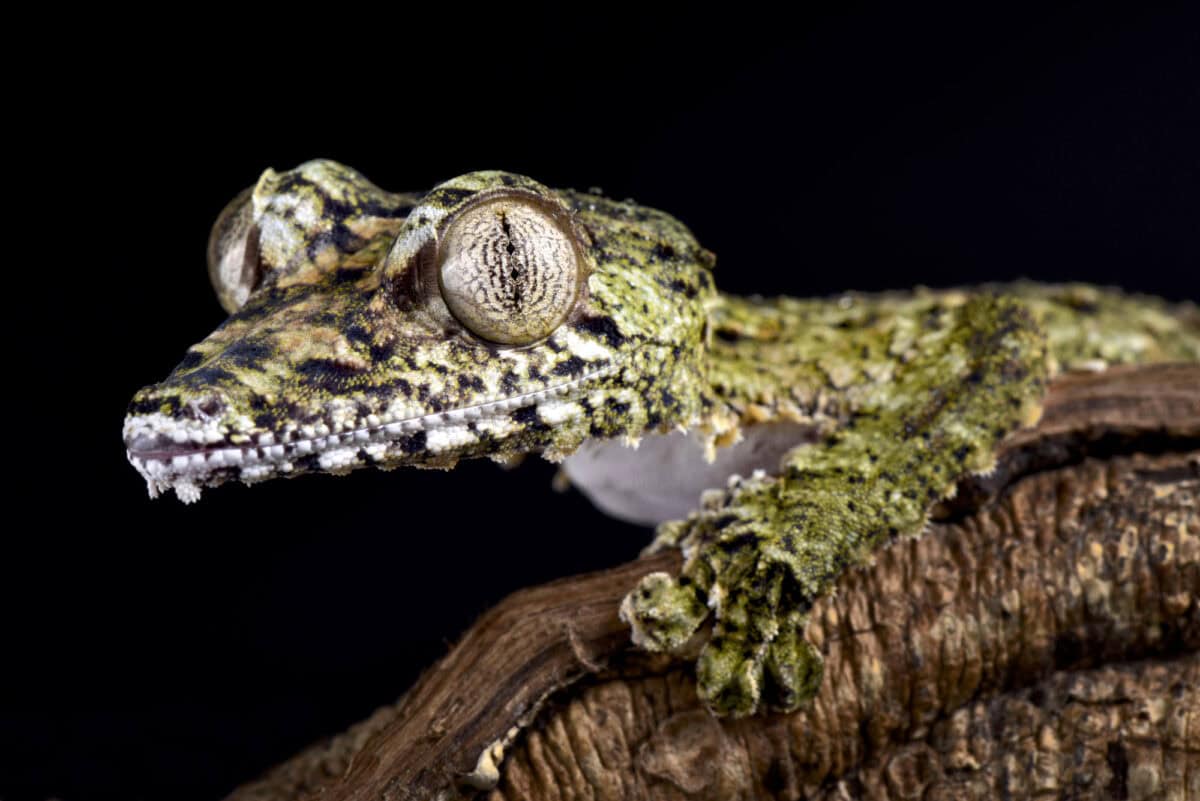
The leaf-tailed gecko is a species that has perfected the art of camouflage. Found predominantly in Madagascar’s rainforests, this reptile can be easily mistaken for a dead leaf. Their bodies mimic the shape, color, and even texture of foliage, complete with intricate patterns and edges that resemble the torn silhouette of a dried leaf. This natural deception allows the gecko to evade predators while it hunts for insects during the night.
Common Octopus
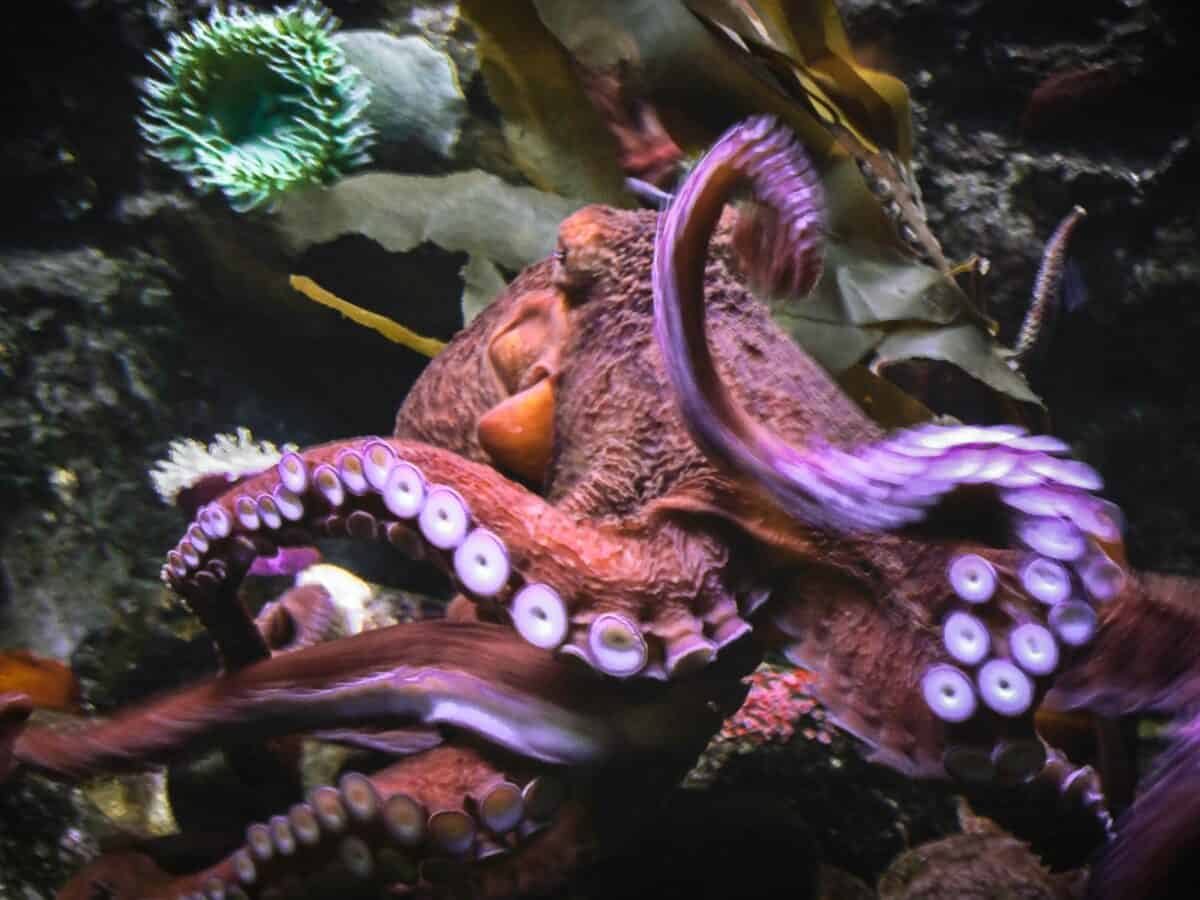
The common octopus is a mastermind when it comes to disguise in the aquatic world. Equipped with specialized skin cells known as chromatophores, this sea creature can instantaneously change its color and texture to blend with the ocean floor or coral. Additionally, the octopus can contort its body to mimic other marine organisms. This masterful adaptation serves as both a defense mechanism and a hunting tool, making the octopus one of the most versatile camouflagers in the sea.
Walking Stick

At first glance, walking sticks resemble nothing more than twigs or branches. This extraordinary camouflage technique is precisely why they are so hard to spot in their natural habitat. Found globally, particularly in tropical and temperate forests, walking sticks utilize their stick-like appearance to avoid detection by predators. Some species even sway back and forth to mimic a twig swaying in the breeze, enhancing their disguise.
Peppered Moth
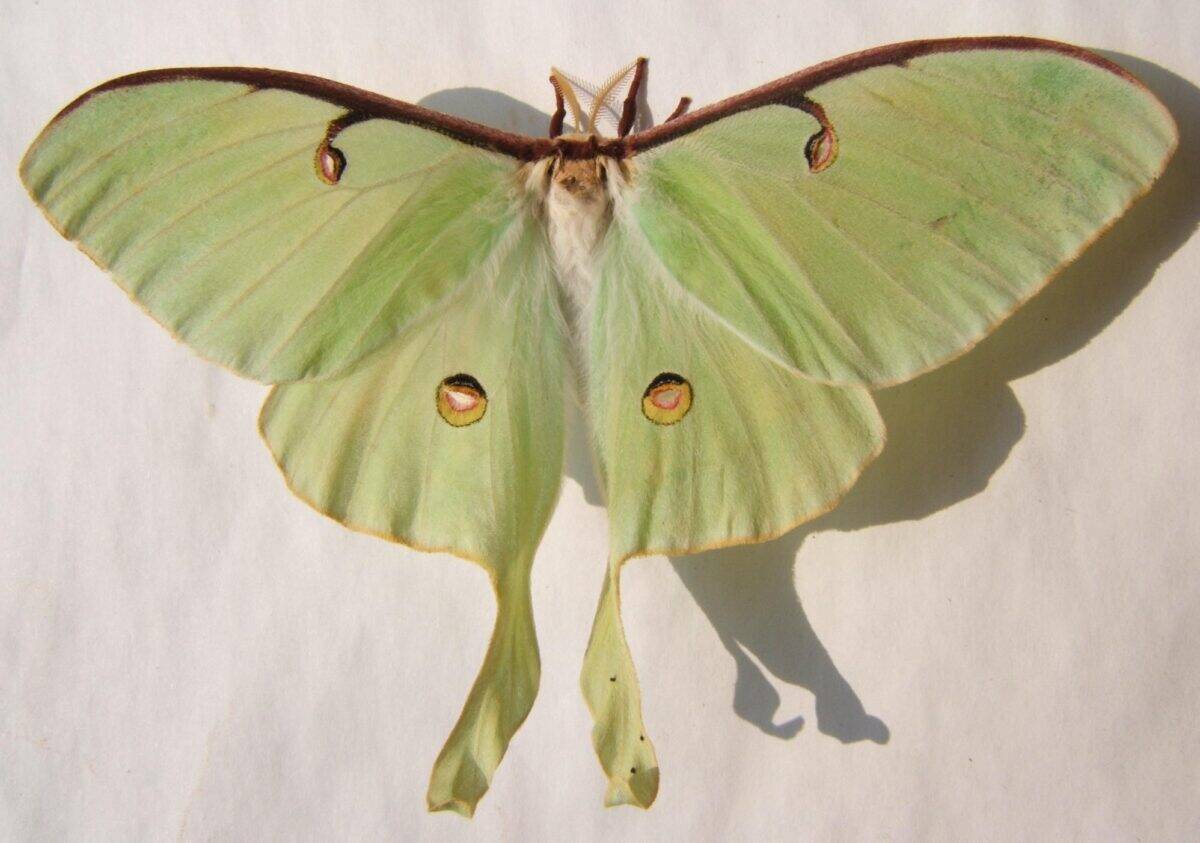
The peppered moth is a classic example of natural selection and adaptation. Originally light-colored, these moths evolved darker hues during the Industrial Revolution in England due to increased pollution, which darkened tree bark. This camouflage was essential for survival, as it shielded them from being preyed upon by birds. Today, they continue to exhibit a fascinating duality in coloration depending on their environment.
Stonefish

Stonefish are among the most venomous and well-disguised creatures in the marine world. Often found in the Pacific and Indian Oceans, these fish blend seamlessly with the rocky seabed. With a body covered in wart-like bumps and often encrusted with algae, stonefish can easily be mistaken for a rock or coral. This disguise not only protects them from predators but also allows them to ambush prey effectively.
Katsuwonus pelamis (Skipjack Tuna)
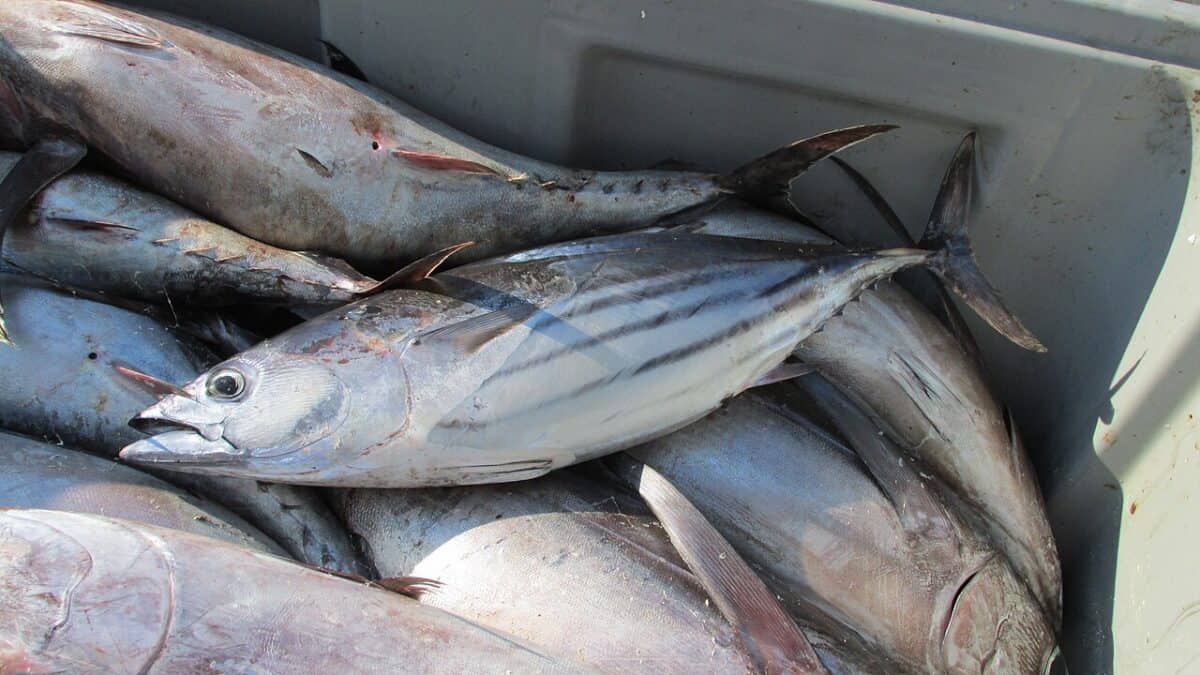
While perhaps not as visually deceptive as others on this list, the skipjack tuna employs a different type of camouflage called countershading. The darker blue on its dorsal side and lighter underside enable it to avoid detection both from predators above and below in the ocean. This form of camouflage is widely used in the marine world, assisting fast-moving fish in eluding predators while searching for food.
Leaf Insect

Closely related to the walking stick, leaf insects deserve their reputation as masters of disguise. They inhabit the rainforests of Southeast Asia and India and are distinguished by their uncanny resemblance to living leaves. Their bodies replicate leaf veins, and they even sway gently to mimic a real leaf in the wind. This remarkable camouflage enables them to evade predators while they forage for other plant materials.
Pygmy Seahorse
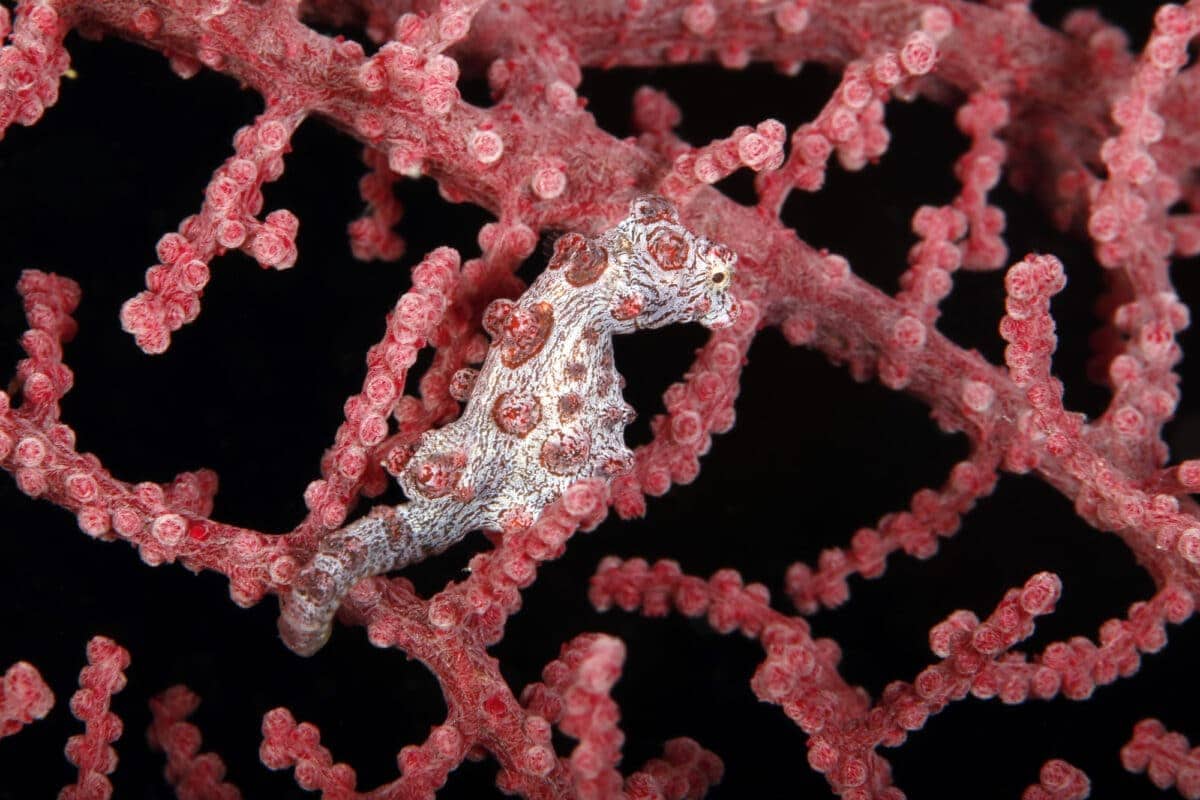
The pygmy seahorse holds one of the most remarkable disguises in the animal kingdom. These tiny creatures are less than an inch long and can be found living among coral in the Indo-Pacific region. Pygmy seahorses possess the ability to change their color over time to match their environment, such as pink or yellow hues to blend with surrounding coral. This symbiotic camouflage ensures survival by effectively evading predators.
Indonesian Mimic Octopus
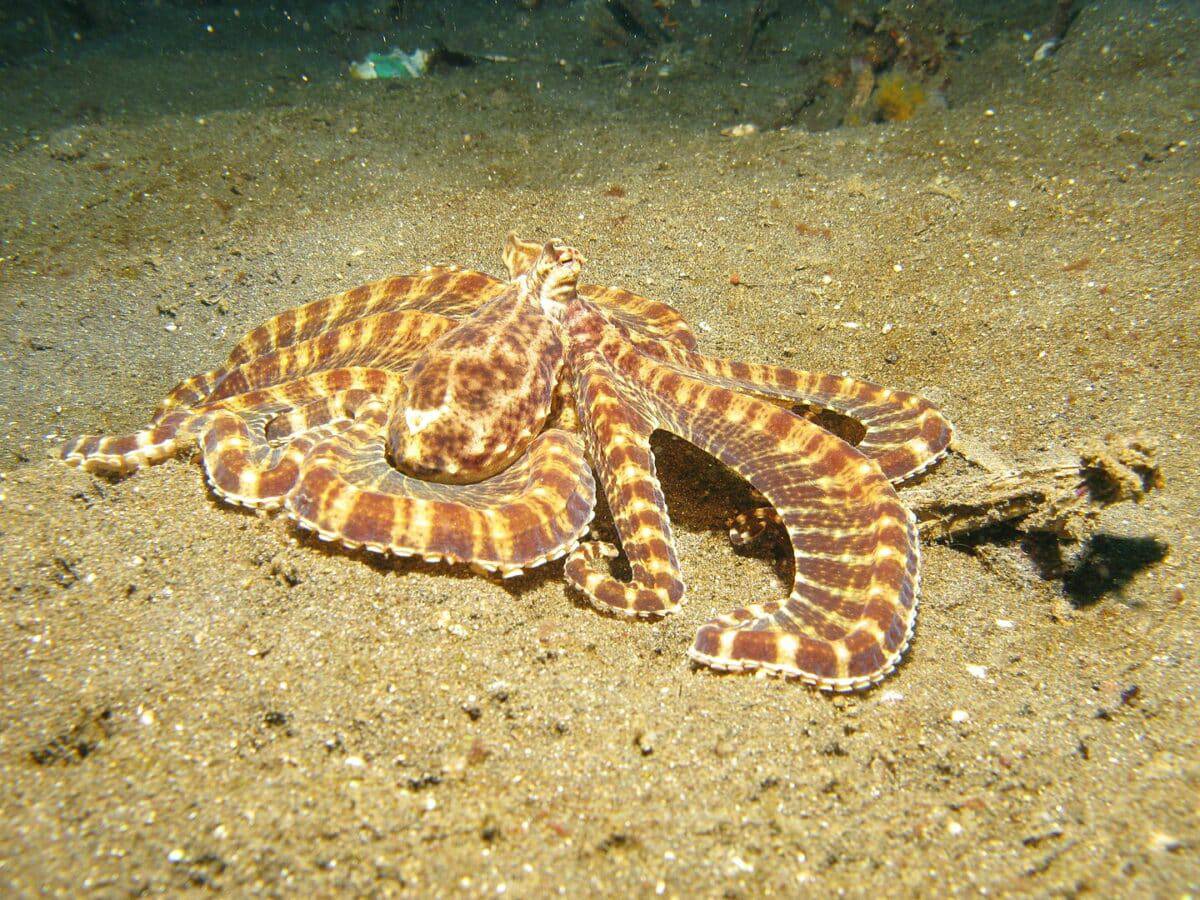
The Indonesian mimic octopus goes beyond traditional camouflage techniques. Not only does it change colors and textures, but it also mimics the shape and animal behavior of other marine species such as lionfish, flatfish, and sea snakes. Located in the tropical waters of Southeast Asia, this octopus’s talent for mimicry allows it to deter predators and adapt to various environments. This leaves would-be threats confused and cautious, giving the octopus a crucial opportunity to escape.
Chameleon

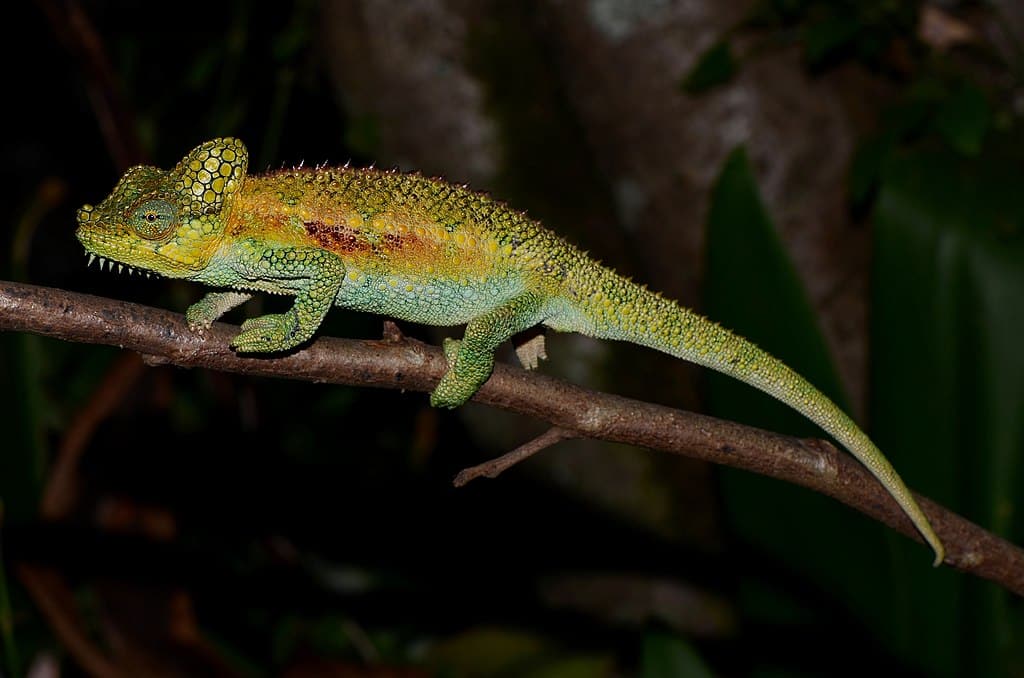
Chameleons are well-known for their ability to change color, but this trait serves multiple purposes beyond camouflage. While it does allow them to blend in with their surroundings to hide from predators, color change is also used to communicate emotions and regulate their body temperature. Found primarily in Madagascar and mainland Africa, chameleons continue to captivate scientists and animal enthusiasts with their swift and effective transformations.
Dead Leaf Moth

Dead leaf moths have turned mimicry into art by resembling dried leaves perfectly. Originating from the forests of Southeast Asia and India, their wings feature vein-like patterns and colors that imitate dead foliage. When at rest, this camouflage keeps them inconspicuous to predators searching for an easy meal. This evolutionary adaptation has allowed the dead leaf moth to flourish by blending effortlessly into the forest floor.
Owl Butterfly
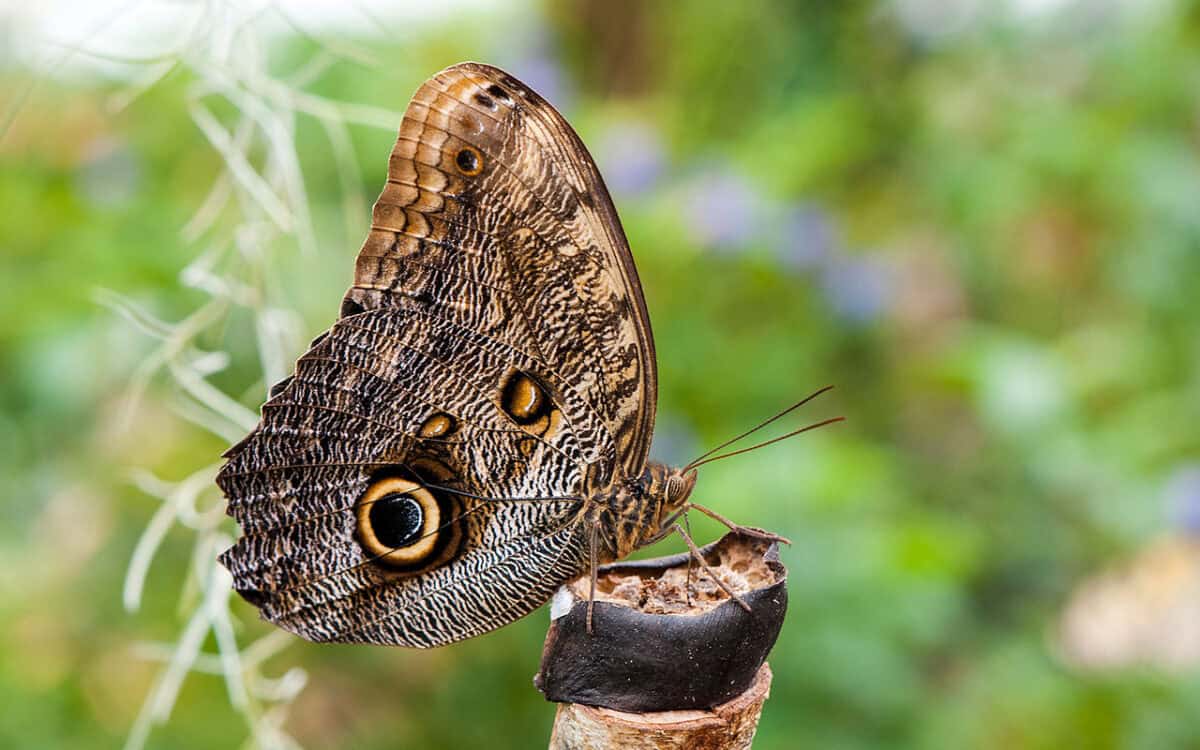
The owl butterfly is named for the distinct eye-like patterns on its wings, reminiscent of an owl’s eyes. Found primarily in Central and South America, these butterflies use their unique wing markings to startle potential predators. When resting amongst foliage, these butterflies appear as nothing more than tree bark or leaves. The owl butterfly’s imposing disguise serves as a powerful deterrent to birds and lizards seeking a snack.
Conclusion:
Nature is filled with examples of extraordinary adaptation and survival, and the masters of disguise highlight the ingenuity and resourcefulness of the animal kingdom. These twelve creatures exemplify how evolutionary traits can span various ecosystems and climate conditions, equipping them with sophisticated survival strategies. By studying these animals, we gain a deeper understanding of biology’s intricate systems and the endless creativity found in nature’s designs.

As a little kid, I fell in love with nature, wildlife, and animals. Living in the USA, South Africa, Italy, China and Germany gave me the opportunity to discover the world's Wildlife. My favorite animals are Mountain Gorillas, Siberian Tigers, and Great White Sharks.
I'm a certified PADI Open Water Diver, went to Everest Base Camp and Trekked Gorillas in Uganda. I hold a Master of Science in Economics and Finance.
Please send any feedback to feedback@animalsaroundtheglobe.com
- The 10 Rarest Dog Breeds Making a Comeback in America - July 19, 2026
- 13 Creatures That Survived Mass Extinctions - July 19, 2026
- 12 Pets That Are Perfect for Seniors - July 19, 2026