
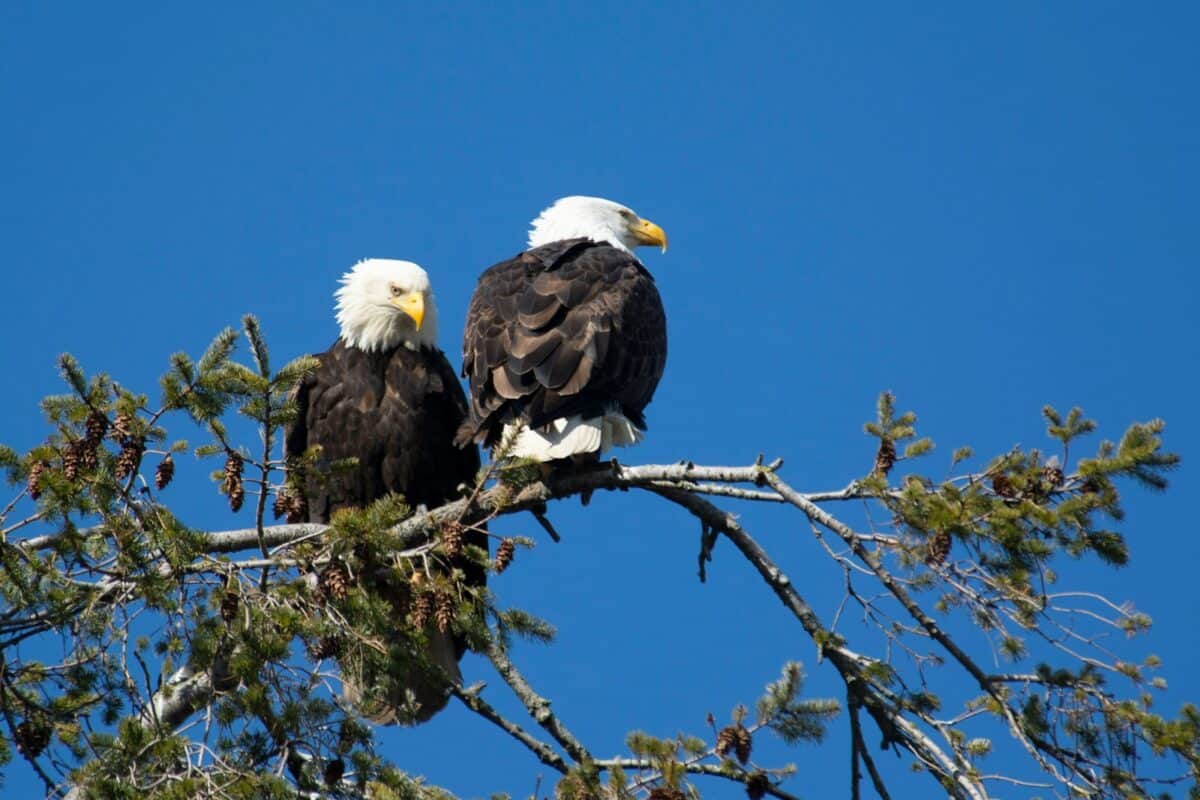
The bald eagle, America’s national symbol, revered for its majesty and association with freedom, does more than evoke patriotic sentiments. This regal bird’s diet offers invaluable insights into the health and dynamics of America’s ecosystems. As an apex predator and an indicator species, the bald eagle helps ecologists and wildlife managers understand and preserve natural environments. Let’s delve into what the bald eagle’s diet reveals about the intricate web of life across America’s diverse landscapes.
Bald Eagle’s Dietary Preferences

The bald eagle’s diet primarily consists of fish, making up the majority of their food intake. Their preference for aquatic prey means they are often found near large bodies of water such as lakes, rivers, and coastal regions. This reliance on fish marks them as bioindicators of aquatic ecosystem health.
Regional Variability in Diet

Across the continent, bald eagles exhibit dietary adaptability, consuming small mammals and carrion depending on local availability. In Alaska, for instance, eagles might dine on salmon, while in more arid areas, they may feed on reptiles or small rodents, portraying the diverse ecological niches and food chains within different regions.
Impact of Pollution on Prey Species

Bald eagles were once endangered due to pesticides like DDT, which caused eggshell thinning. Observing declines or deformities in their prey can signal the presence of harmful pollutants in the water. Their diet serves as a proxy for gauging the presence and impact of environmental toxins.
Trophies of Land and Water: Scavengers and Hunters

While adept hunters, eagles also scavenge on carrion, including roadkill. This behavior indicates eagles’ crucial ecological role in cleaning up the environment, revealing healthy populations of other wildlife species and, occasionally, human activity impacts on animal mortality rates.
Seasonal Dietary Shifts

During breeding seasons, eagles require more protein-rich diets, often sticking to areas with plentiful fish supplies. This seasonal dietary shift aligns with the diverse seasonal productivity of ecosystems, showcasing which aspects of the environment are thriving or struggling at different times of the year.
Indicator of Biodiversity and Ecosystem Health

If an ecosystem supports a robust bald eagle population, it denotes a healthy and biodiverse environment. Conversely, a declining eagle population can indicate ecological disturbances, reduced prey availability, or habitat degradation.
Human Influence on Bald Eagle Diet

Development and urbanization modify landscapes, often leading to reduced natural prey availability. In urban or suburban areas, eagles might adapt to feeding from landfills or other human-influenced food sources, emphasizing changes in both eagle behavior and ecosystem structures.
Conservation Success and Ongoing Challenges

The recovery of the bald eagle from near extinction due to concentrated conservation efforts highlights success in reducing pollutants and restoring habitats. However, ongoing challenges include habitat destruction and climate change, which can potentially alter prey distribution and availability.
Interconnectedness with Other Species
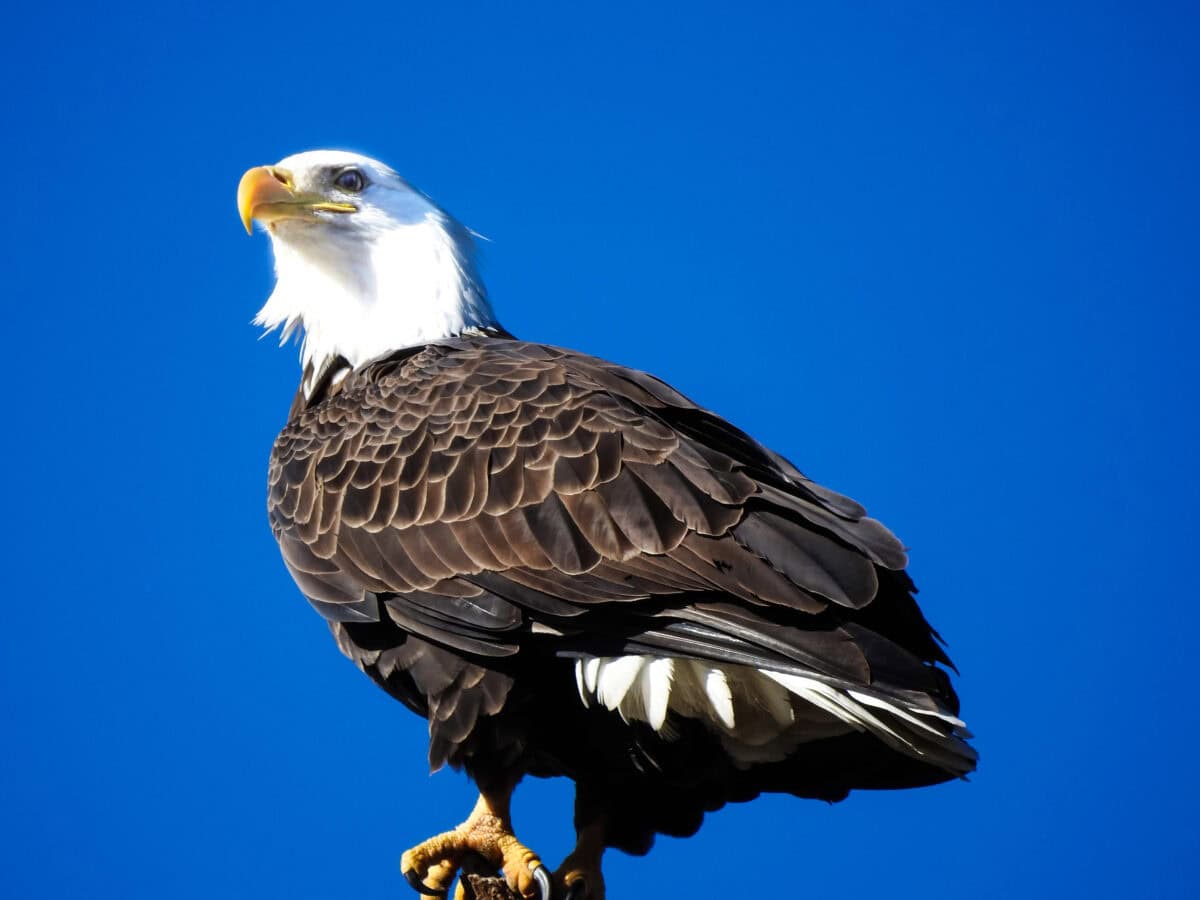
The dynamic between bald eagles and other species, such as fish populations and mammalian prey, exemplifies the interconnectedness of the food web. Changes at any level can cascade through the web, influencing eagle diets and, consequently, ecosystem health.
The Role of Citizen Science

Citizen science projects and public engagement in tracking eagle populations and feeding habits aid in conservation and ecological research efforts. These initiatives contribute to a broader understanding of environmental conditions and wildlife management.
Ongoing Research and Monitoring

Researchers continually monitor bald eagle diets and ecosystem health using advanced technologies such as satellite tracking and genetic analysis of eagle pellets. These studies provide crucial data that inform ecosystem management and conservation strategies.
Conclusion: A Sentinel Species Offering Hope

The bald eagle’s dietary habits are more than a survival strategy; they serve as a window into the broader environmental health of America. As we celebrate their recovery, we must remain vigilant, ensuring their diet—and the ecosystems it reflects—remains vibrant and diverse. By protecting the bald eagle, we safeguard America’s majestic landscapes and their intricate ecological networks for future generations.

- 8 Insects You Should Thank Instead of Squash - August 4, 2026
- What Makes Lionfish an Invasive Species - August 4, 2026
- The Most Social Animal Outside of Humans Lives in the Ocean - August 4, 2026