


In recent years, the concept of bringing therapy animals into educational settings has gained significant momentum. While dogs and cats often take the spotlight, an underrated yet equally effective participant is the rabbit. These gentle creatures are finding their way into school classrooms, providing a unique form of therapy that supports students emotionally, socially, and academically. This article explores how rabbits have become integral to school curriculums and interventions, offering a comforting presence and an unconventional educational tool.
Understanding Animal-Assisted Therapy

Animal-assisted therapy (AAT) is a therapeutic intervention that incorporates animals into treatment plans to improve physical, emotional, and social well-being. Though historically associated with healthcare settings, AAT has increasingly found its place in schools, providing students with emotional support. The presence of animals promotes calmness, reduces stress, and enhances the learning environment. Rabbits, with their gentle nature, offer a unique approach to therapy in educational settings.
The Rise of Rabbits in Classrooms

Rabbits have only recently emerged as popular therapy animals in school environments. Their smaller size and naturally calm demeanor make them particularly suited for this role. Unlike larger animals, rabbits can easily be housed and cared for within classroom spaces, making them an accessible choice for schools looking to introduce animal therapy into their curriculum.
Benefits of Classroom Rabbits

The advantages of having rabbits in classrooms extend beyond emotional support. Students develop empathy, responsibility, and a sense of community through their interaction with the animals. Caring for a class rabbit requires collaboration, fostering teamwork among students. Moreover, scientific studies suggest that the presence of animals like rabbits can decrease blood pressure and stress levels, contributing to a healthier school environment.
Improving Student Social Skills

Social interaction is a key aspect of childhood development. However, for many students, particularly those on the autism spectrum or with social anxiety, this can be challenging. The inclusion of rabbits provides a safe focus for conversation and interaction, encouraging students to communicate both with peers and adults naturally. Rabbits serve as a non-judgmental listener, aiding in social learning and integration.
Enhancing Emotional Well-Being

Emotional regulation is critical in a learning environment, and therapy animals can play a significant role in this. Interacting with rabbits allows students to express and regulate emotions in a non-threatening context. The simple act of petting a rabbit can be soothing, helping to alleviate feelings of anxiety or sadness, and promoting a positive emotional state that is conducive to learning.
Promoting Responsibility and Care
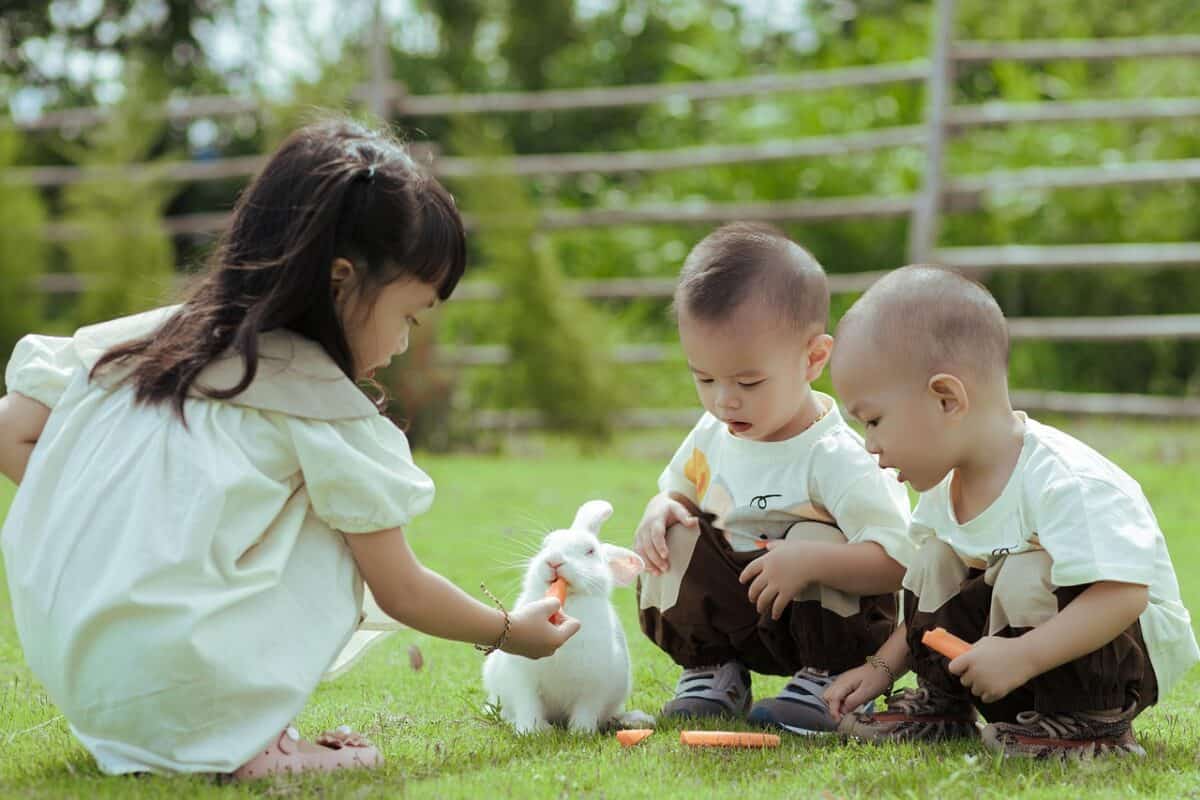
Taking care of a classroom rabbit instills a sense of responsibility in students. Duties such as feeding, cleaning, and grooming require consistency and attention, teaching important life skills. Students learn that their actions directly impact the well-being of the rabbit, encouraging accountability and conscientiousness, which can translate into their everyday lives.
Integrating Rabbits into Curriculum

Beyond the emotional and social benefits, rabbits can be directly integrated into the curriculum. Lessons in biology and life sciences come to life with a rabbit as a living example. Teachers can explain biology concepts using the rabbit, from mammalian traits to understanding ecosystems. Additionally, storytelling and creative writing exercises can be inspired by the presence of the classroom rabbit, broadening learning opportunities.
Developing Empathy Through Interaction
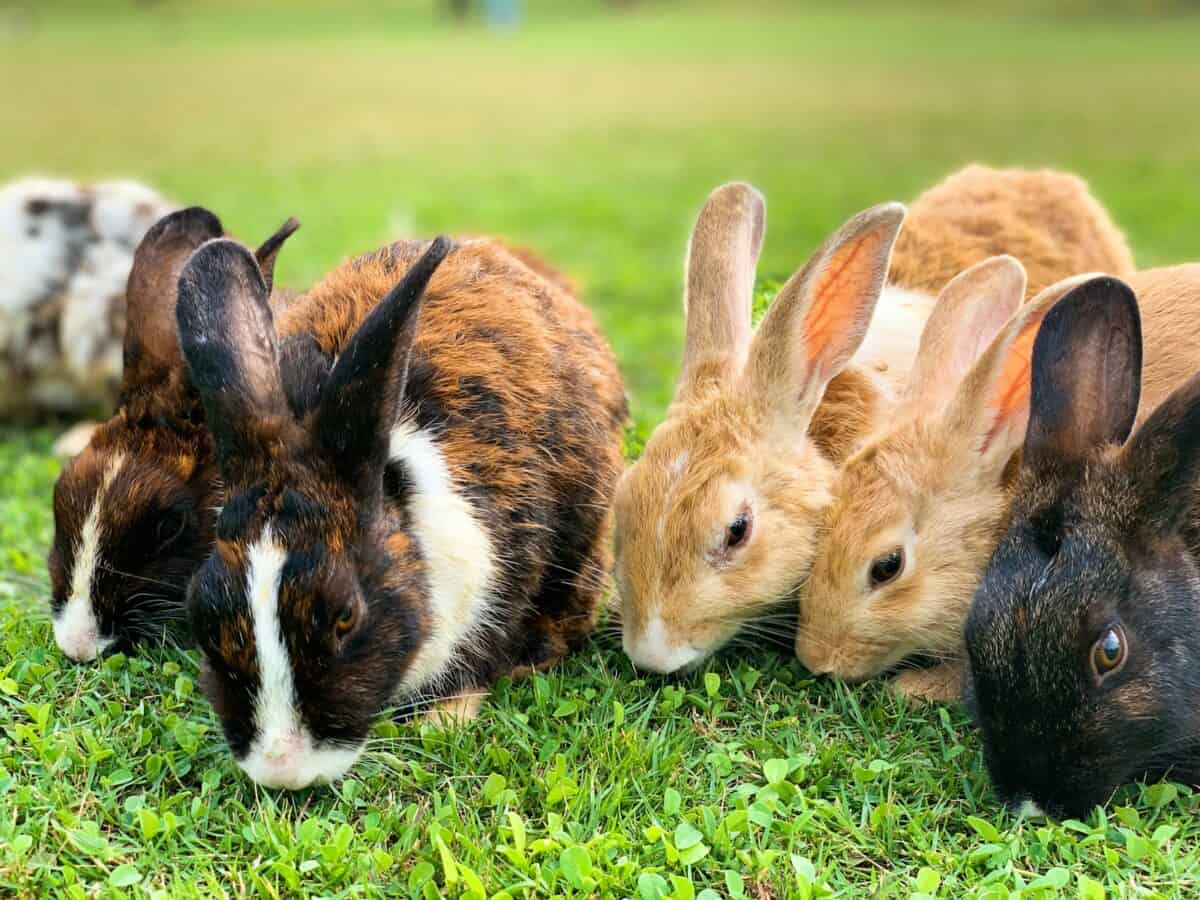
Empathy is an essential skill for students, yet it can be difficult to teach. Rabbits in classrooms encourage children to consider the needs and feelings of another living being regularly. This simple yet effective interaction with a gentle creature nurtures compassion and understanding, which students can then extend to their peers and teachers.
Choosing the Right Rabbit for the Classroom
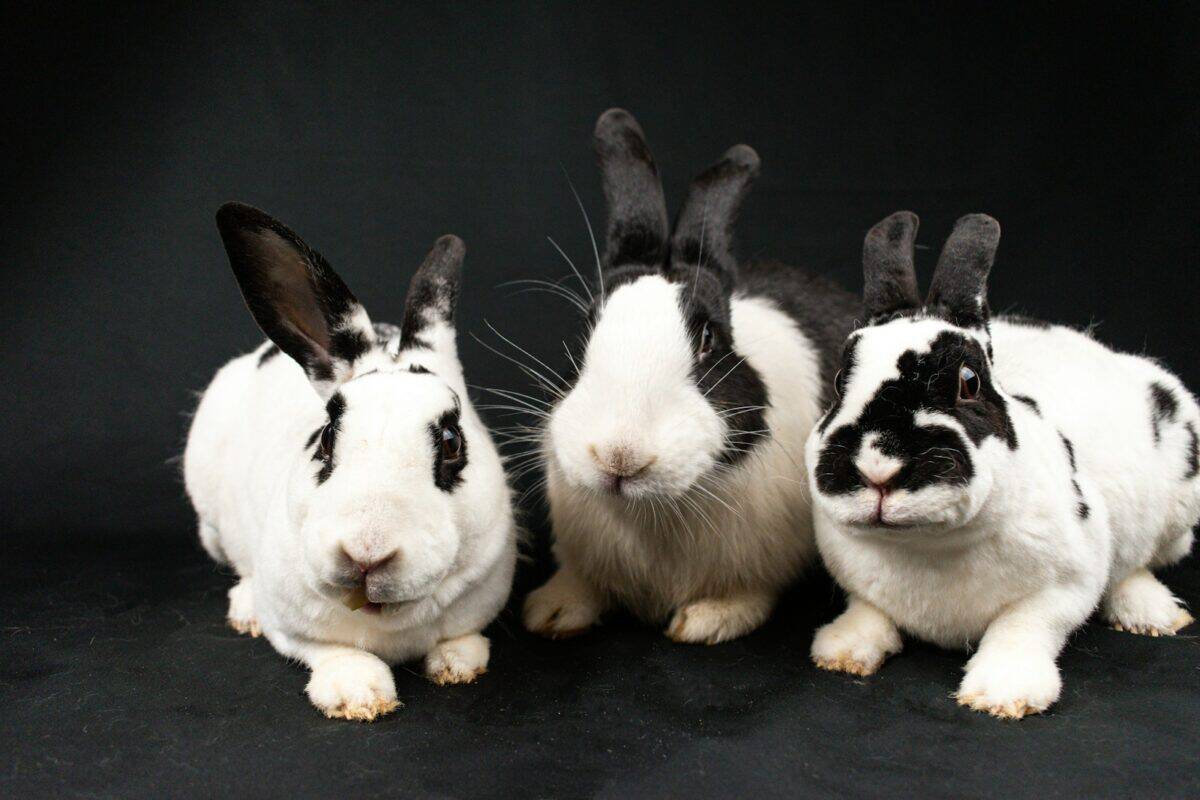
Not all rabbit breeds are equally suited for a classroom environment. Teachers and schools must consider breeds known for their calm temperament, such as the Holland Lop or Mini Rex. It’s essential to consult with a veterinarian or professional breeder to select a rabbit that will thrive in a dynamic classroom environment and have regular access to adequate care and accommodations.
Addressing Allergies and Safety

Safety and health are paramount when introducing any animal into a classroom. Rabbits typically do not provoke allergic reactions as intensely as other animals, but it’s vital to communicate openly with parents about any known allergies. Ensuring a clean environment and teaching students proper handling techniques further mitigates risks, providing a safe experience for both students and the rabbit.
Training and Support for Staff

Staff play a crucial role in the success of therapy rabbit programs. Teachers and school staff should receive training on handling and caring for the rabbits and understanding their behaviors and needs. Animal welfare organizations may offer support and guidance, helping educators to maximize the potential benefits of having a rabbit in the classroom.
Addressing Ethical Considerations
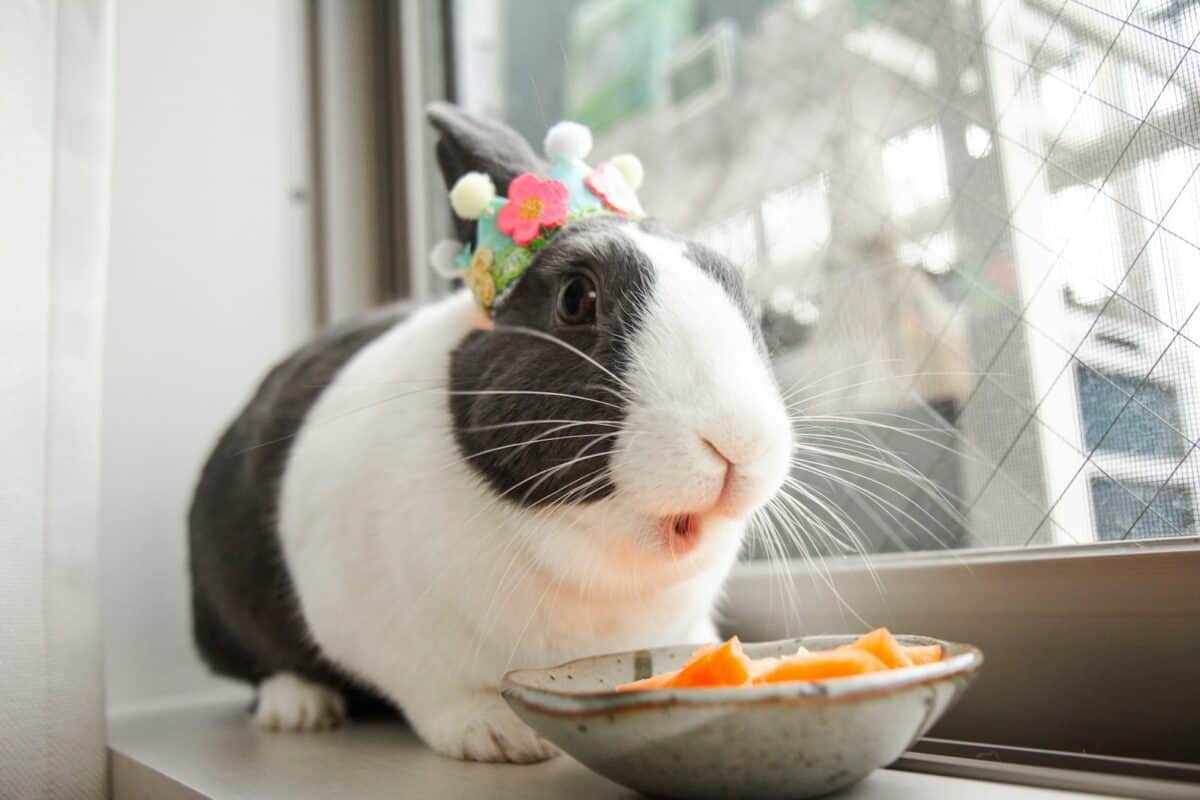
The welfare of the therapy rabbit should always be a priority. Schools must ensure that the rabbit is not overstressed by interactions and has adequate rest, nutrition, and veterinary care. Ethical considerations include providing a balanced environment where the rabbit’s well-being is safeguarded, ensuring both animal and human participants in the program benefit equally.
Rabbits in classrooms are proving to be more than just a therapeutic tool—they are an inspiring addition that enhances the educational experience. Through social, emotional, and academic benefits, rabbits have made a notable impact on students’ lives. As education systems continue to evolve, the inclusion of therapy animals like rabbits offers a positive and enriching dimension destined to prepare students better, both in school and in life.

- Honoring Military Working Dogs Throughout History - July 30, 2026
- Forgotten Animal Heroes From Major Wars - July 30, 2026
- Birds That Migrate Through the Midwest Every Fall - July 30, 2026