

Dolphins, with their high intelligence and complex social structures, have fascinated humans for centuries. Among their many intriguing behaviors, their communication methods stand out as particularly sophisticated. Dolphins use a variety of sounds to convey messages to one another, with signature whistles being one of the most notable methods. This article delves into the fascinating world of dolphin communication, focusing on the role and intricacies of signature whistles.
Understanding Dolphin Communication

Dolphins are well-known for their extensive vocal repertoire, which includes clicks, whistles, and burst-pulsed sounds. While clicks are primarily used for echolocation—helping dolphins navigate and hunt—whistles play a vital role in social interaction. Among these whistles, the signature whistle is the most significant, acting like a name that identifies individual dolphins within a pod.
The Role of Signature Whistles

Signature whistles serve as auditory ‘names’ for dolphins, allowing them to maintain individual identities within their dynamic social groups. Each dolphin develops its unique whistle, primarily during its first year of life. This whistle is used to identify themselves and can be mimicked by others to get an individual dolphin’s attention or communicate specific messages.
Development of Signature Whistles

The creation of a signature whistle is a fascinating aspect of a dolphin’s early development. Dolphins typically start to develop their unique whistle through a process called ‘vocal learning.’ Young dolphins often mimic the sounds they hear in their environment before gradually modifying them into their distinct signature whistle. This learning process reflects the dolphins’ advanced cognitive abilities.
Social Bonds and Signature Whistles

Signature whistles are critical in forming and maintaining social bonds within dolphin communities. Dolphins frequently exchange whistles to confirm the identity and proximity of other pod members. This form of communication is essential in the coordination of group activities such as hunting, playing, and traveling together.
Dolphins’ Use of Signature Whistles in the Wild
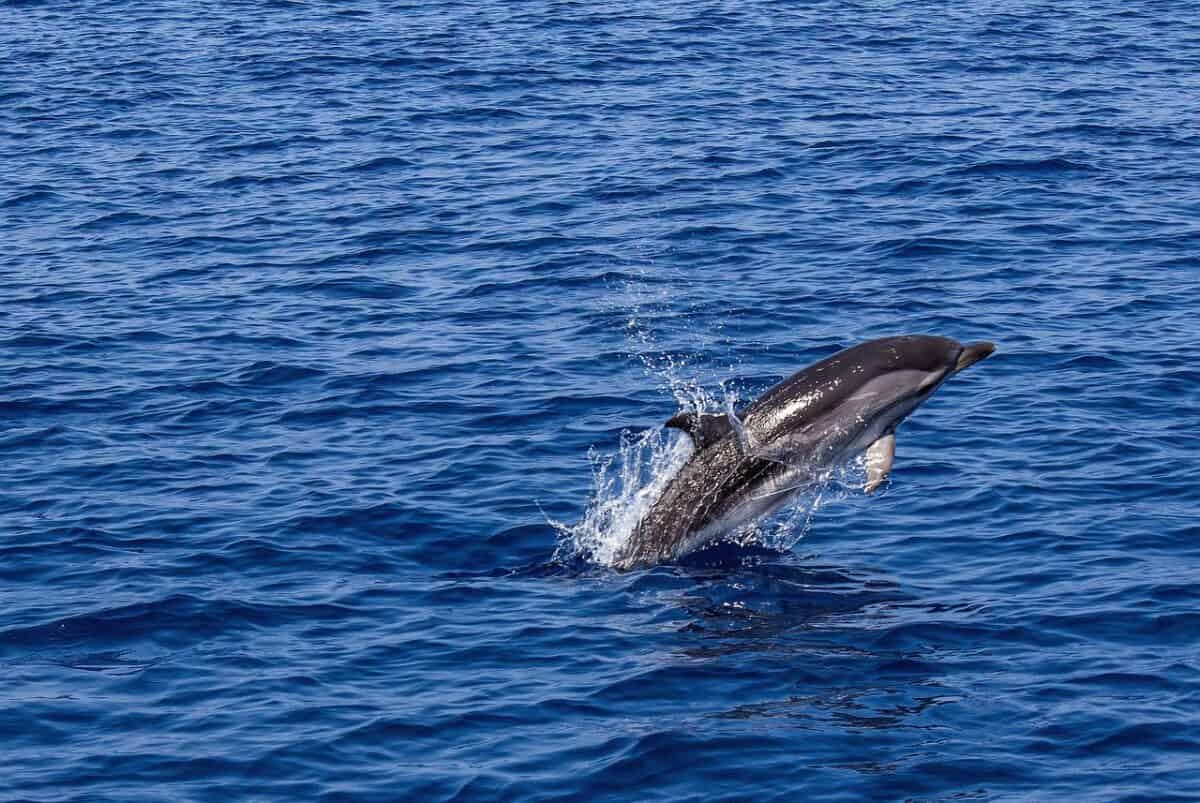
In natural habitats, signature whistles play a vital role in maintaining pod cohesion and ensuring effective collaboration. Dolphins often move in complex social structures with shifting group dynamics, so having a reliable system of individual identification is crucial. Signature whistles enable dolphins to successfully manage these dynamic social environments.
Comparative Analysis: Dolphins and Other Animals
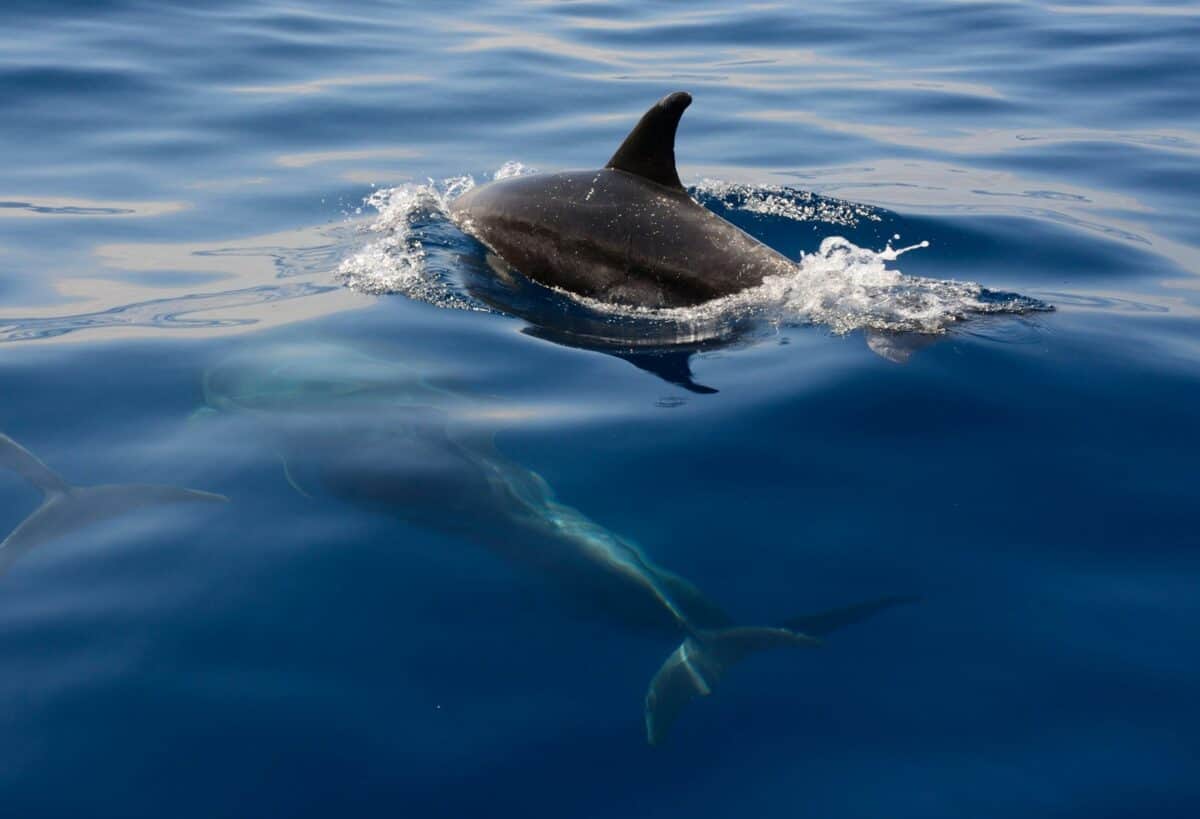
While many animal species have distinct voices or calls, dolphins are among the few known to use unique acoustic signals as identifiers, similar to human names. This capacity for individualized vocal communication underlines the advanced social intelligence of dolphins, comparable to certain bird species known for their extensive song variations.
Mimicry and Signature Whistles
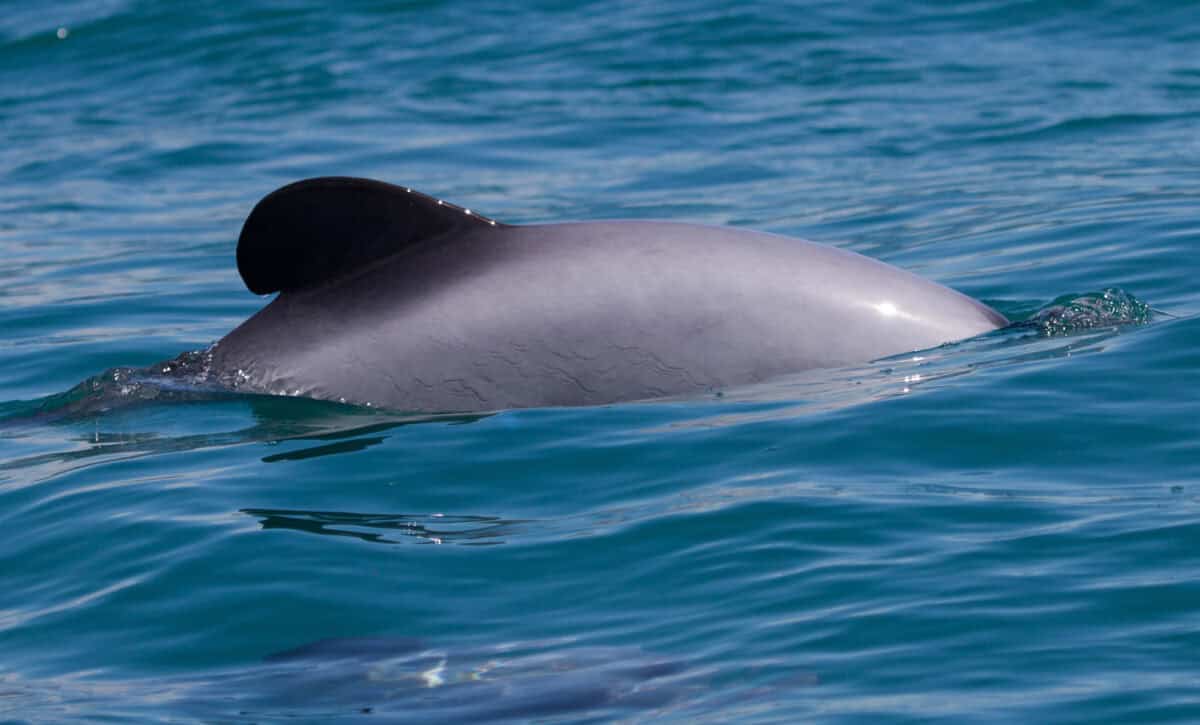
Dolphins possess the remarkable ability to mimic the signature whistles of other dolphins. This ability allows them to call out to specific individuals and engage with them directly. Such mimicking behavior is often observed among dolphins with strong social bonds, such as close kin or allies within the pod.
Research and Studies on Signature Whistles

Extensive research has been conducted to understand the nuances of signature whistle communication. Scientists use underwater microphones to record dolphin vocalizations, analyzing the frequency, duration, and modulation patterns to study how these whistles are used in various social contexts. This research continuously uncovers new insights into the cognitive and social complexities of dolphins.
Uplifting Social Dynamics

The positive social dynamics observed in dolphin pods are heavily supported by signature whistles. Through these vocal identifiers, dolphins can facilitate cooperation, express emotions, and nurture relationships. Such communication mechanisms are essential for their survival and social well-being, offering insights into the high level of organization within dolphin societies.
Dolphins in Captivity and Communication

Evidently, dolphins in captivity also exhibit the use of signature whistles. However, the limited and artificial environment can affect their natural social interactions. In some cases, dolphins in captivity develop new whistles or alter existing ones to adapt to their change in environment and social groups, showcasing their ability to adjust and communicate in diverse settings.
The Future of Dolphin Communication Research

As technology advances, future research aims to deepen the understanding of dolphin communication. Scientists are exploring the potential of artificial intelligence and machine learning to decode and interpret the complex patterns of dolphin whistles. Such developments promise to shed light on the deeper meanings and nuances of these fascinating creatures’ communications.
Concluding Thoughts on Dolphin Communication

Dolphin signature whistles offer a compelling glimpse into their social lives and cognitive capabilities. Through understanding these unique vocalizations, we gain a greater appreciation for the intricate social structures and intelligence of dolphins. As research continues to unfold, these insights not only enhance our knowledge of marine life but also underscore the necessity of preserving and protecting these remarkable animals and their habitats.

- Why Dolphins Are Considered the Most Intelligent Marine Animals - August 15, 2026
- What We Learned from a 10,000-Year-Old Bison Discovery - August 15, 2026
- 12 Famous Animals in Native American Folklore - August 15, 2026