

The landscape of avian life in the United States is seeing fascinating changes as new dynamics influence bird behaviors. One particularly captivating trend is that certain bird species, traditionally migratory, are now nesting within U.S. borders throughout the entire year. This development marks a significant shift in the ecological habits of these birds, heralding both challenges and opportunities for the environment, birdwatchers, and researchers. Let’s delve into the details of this intriguing phenomenon.
The Unpredictable Patterns of Avian Migration
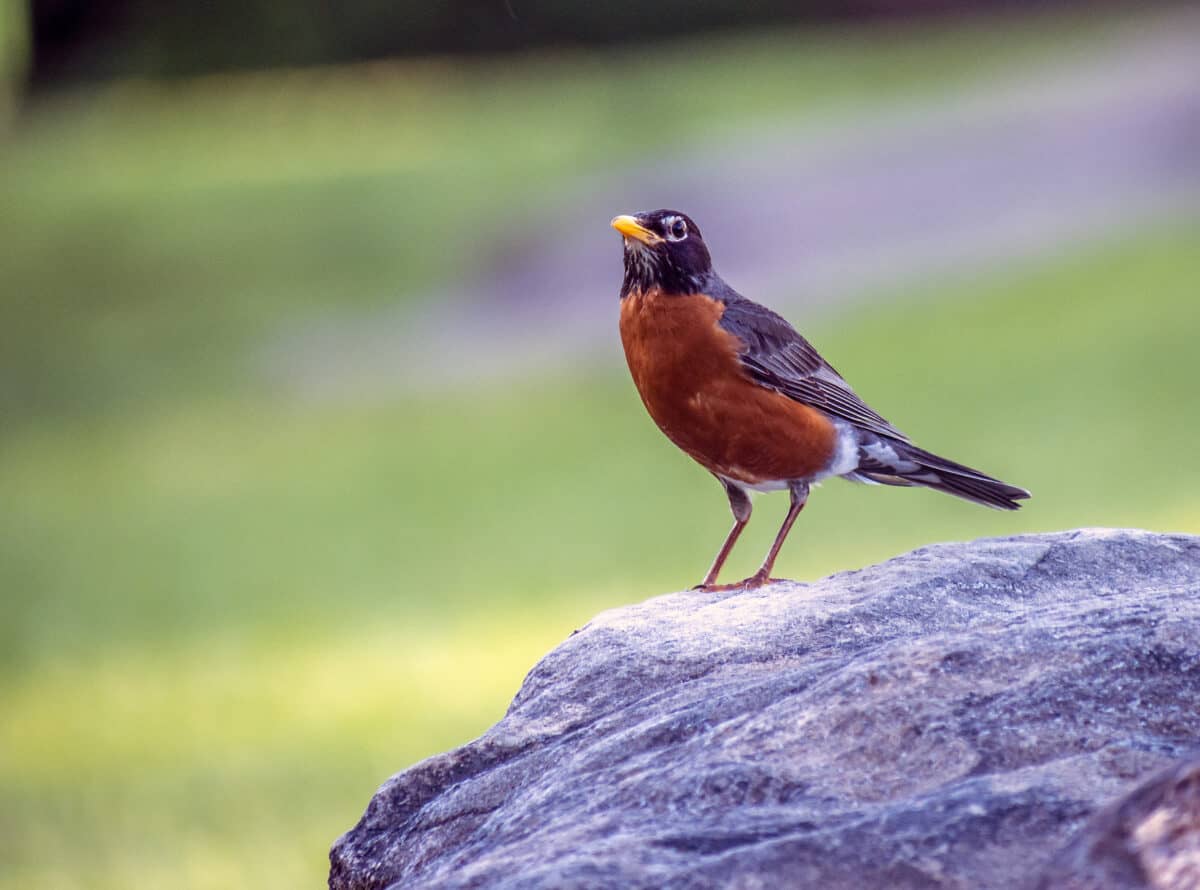
Bird migration is a complex and highly adapted behavior that some species have developed to exploit different feeding opportunities and habitats across seasons. Traditionally, many of these species would travel hundreds or thousands of miles between breeding and non-breeding grounds. However, changes in climate and habitat conditions are leading to altered migration patterns, including some species opting to remain and nest year-round in areas like the U.S.
Spotlight on the American Robin

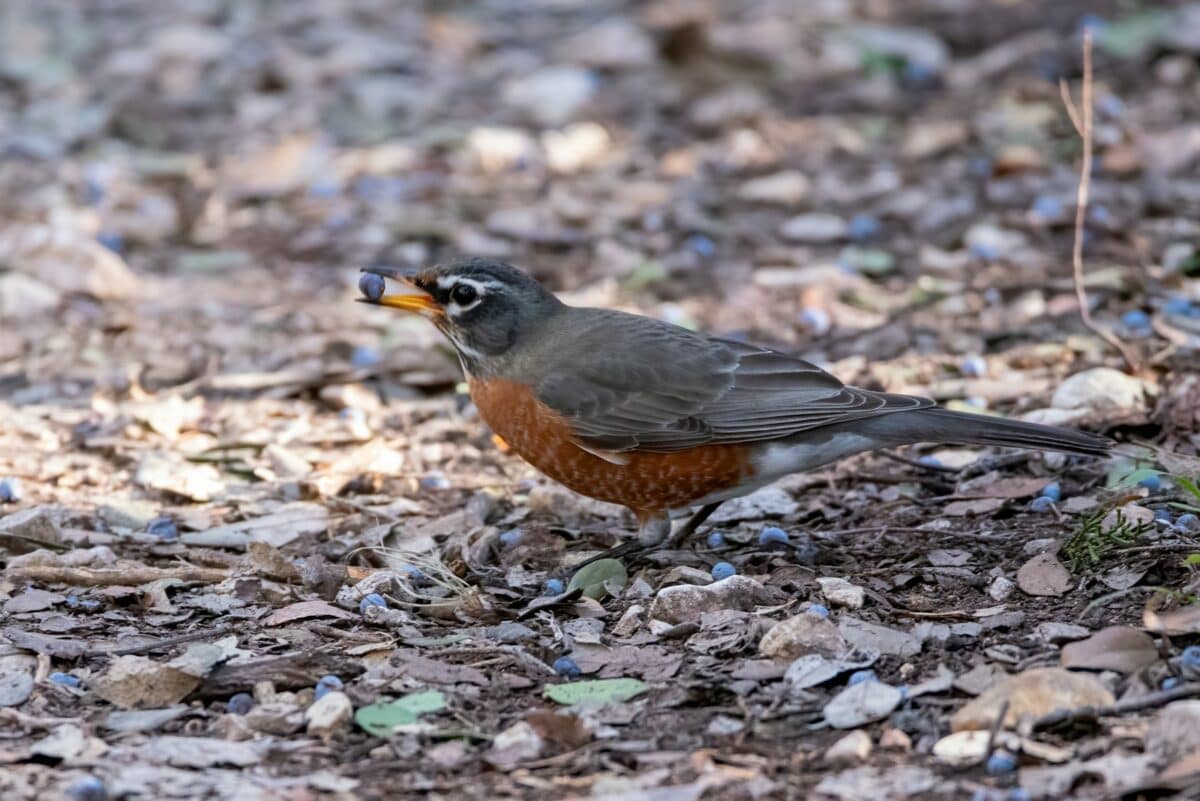
The American Robin, a familiar backyard bird, is one such species adjusting its migration patterns. Where once they might travel south for the winter, many American Robins are now observed staying and nesting in the U.S. throughout the year. Their distinctive reddish-orange chest is a common sight in gardens across the country, regardless of the season.
Adapting to Climate Change
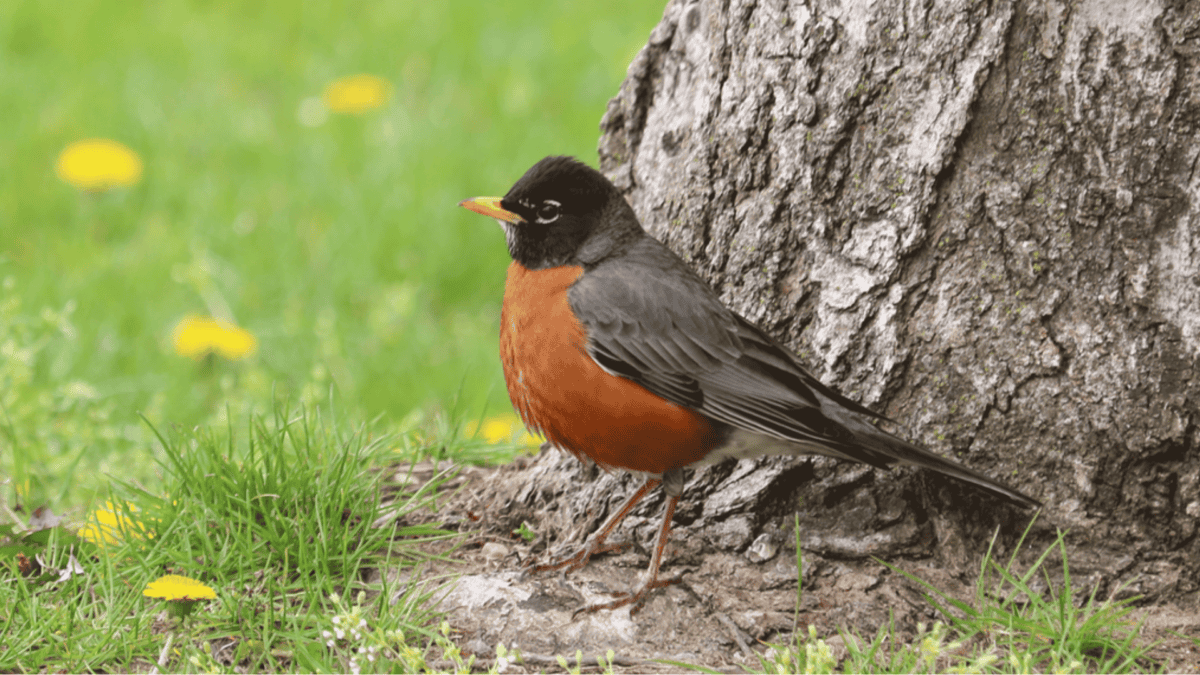
Climate change plays a pivotal role in altering the migratory behaviors of birds. Warmer temperatures in traditionally colder regions may provide sufficient resources for birds to sustain themselves through the winter, reducing the need for migration. Consequently, birds like the American Robin are finding it feasible to stay put, adapting to the new environmental norms.
The Role of Urban Environments
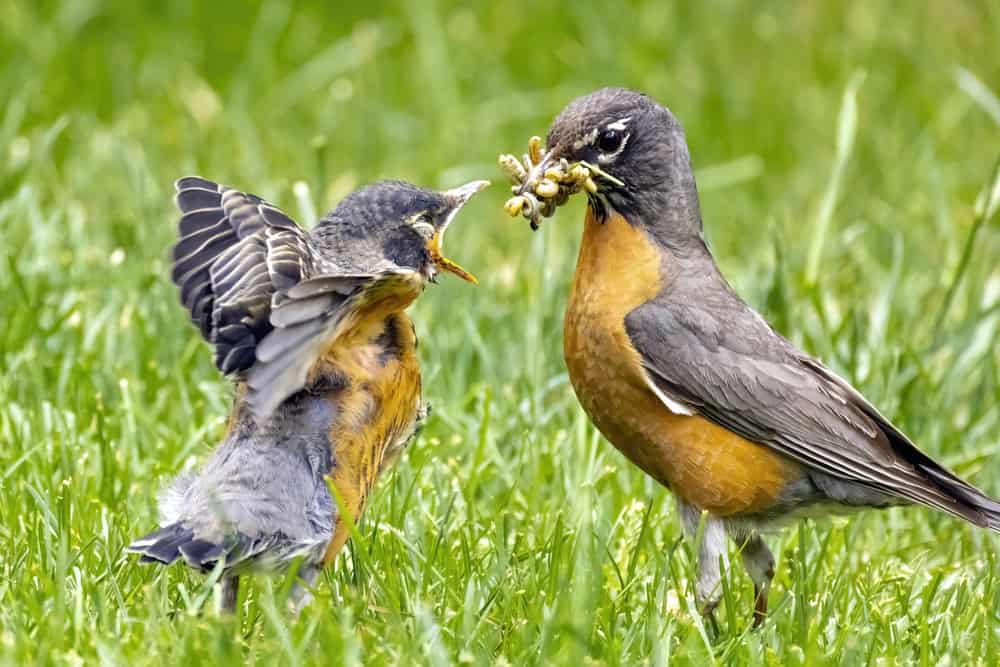
Urbanization has provided birds with new niches and environments. Cities offer food sources like bird feeders, gardens, and parks, which can sustain certain birds through the winter months. These urban environments also often provide some degree of shelter from severe weather conditions, offering further incentive for birds to remain year-round residents.
Impacts on Local Ecosystems

The presence of these birds year-round can have profound effects on local ecosystems. Year-long residents may compete with other species for resources such as food and nesting sites. Moreover, their increased presence might influence plant pollination patterns and seed dispersal, potentially altering local biodiversity in unforeseen ways.
Challenges Faced by Year-Round Nesters

While there are benefits to remaining in familiar territories, birds that nest year-round face distinct challenges. These include harsher winter conditions, potential scarcity of natural foods, and increased competition for resources. Human-provided supplemental feeding can help, but reliance on such support may pose risks if food availability is inconsistent.
Changes in Breeding Cycles
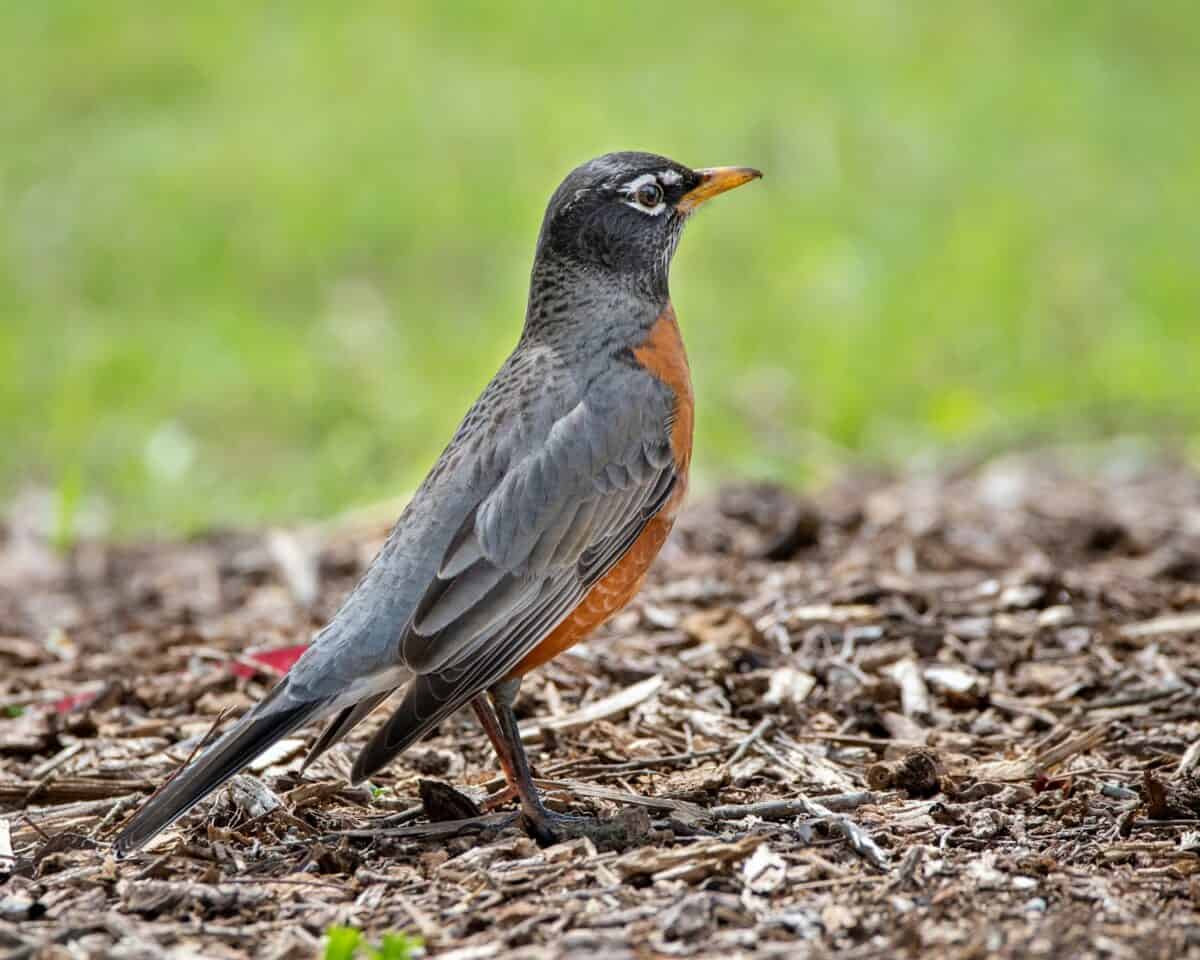
For birds choosing to nest throughout the year, alterations in breeding cycles are likely. They may be flexible in breeding times as they adapt to the new availability of resources. Such changes can affect population dynamics and genetic diversity, offering fertile ground for further scientific study.
Birdwatching Opportunities
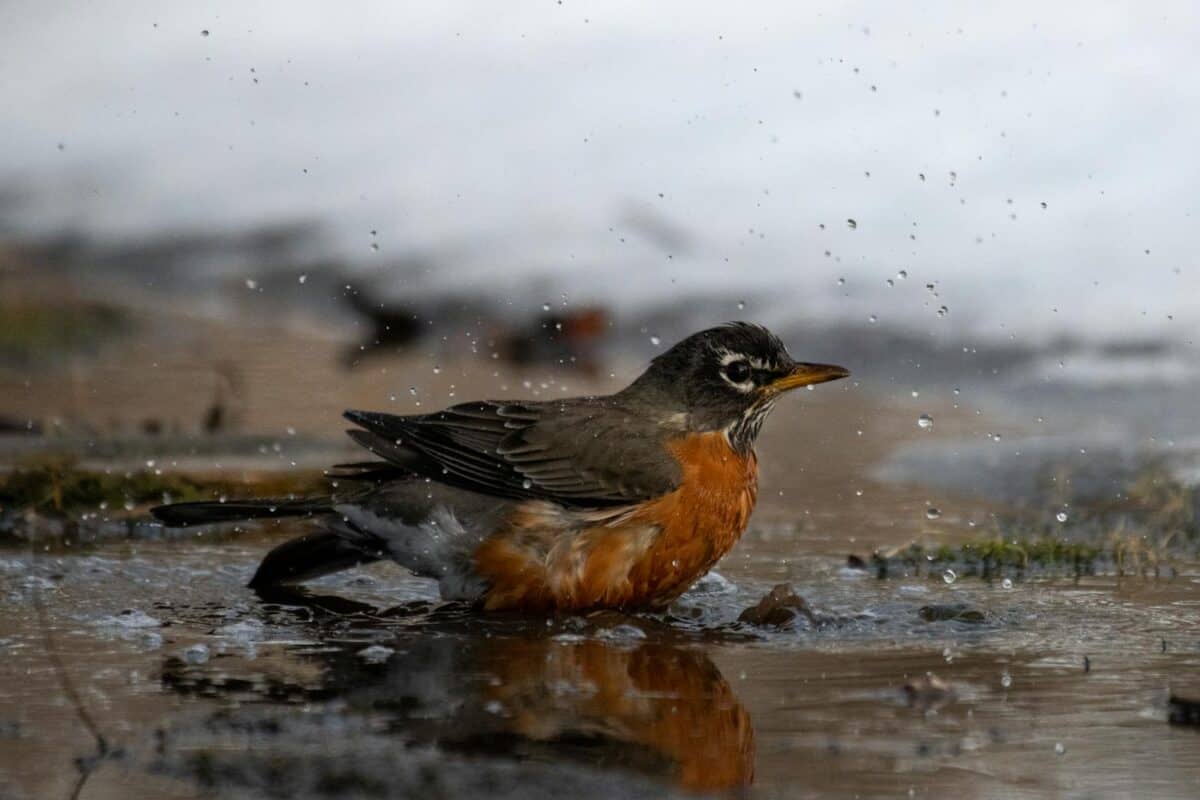
For birdwatching enthusiasts, the presence of these birds throughout the year presents a unique opportunity to observe behavior changes and interactions that were previously restricted to specific seasons. This can enrich the birdwatching experience and encourage year-round community engagement in wildlife observation and conservation.
The Role of Citizen Science
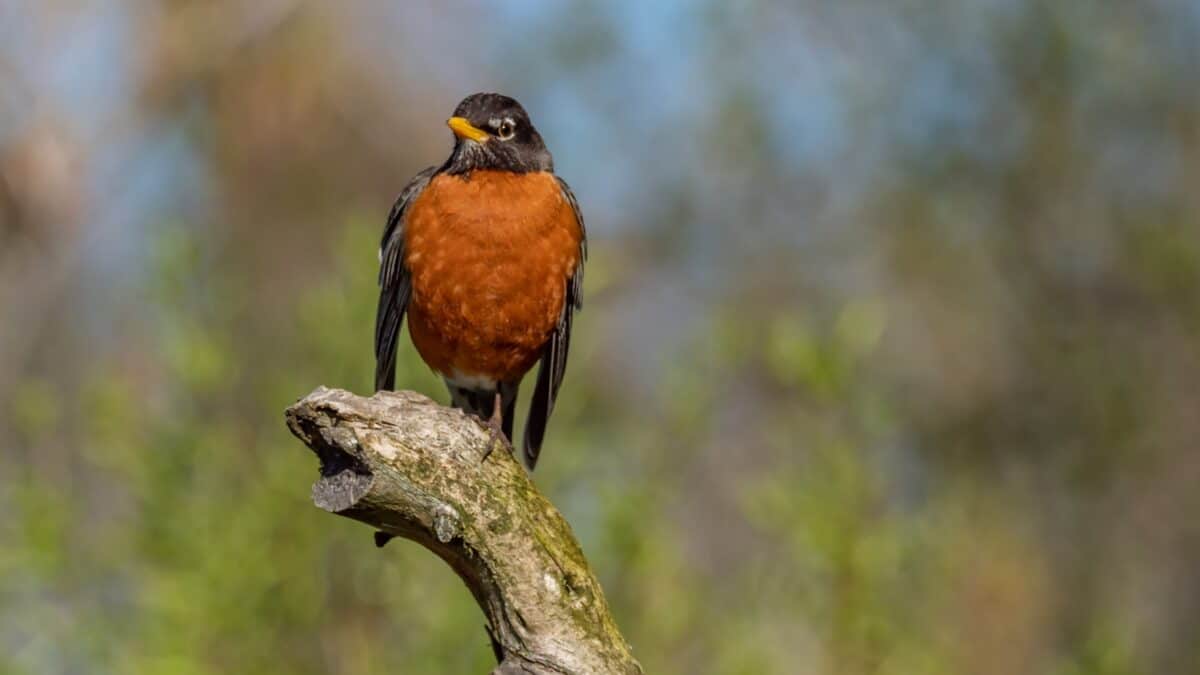
Citizen science projects, where the general public contributes to scientific research, play a crucial role in tracking and understanding these changing patterns. By collecting data on bird sightings and behaviors, citizen scientists can help provide a broader picture of how birds are adapting to their environments.
Conservation Implications
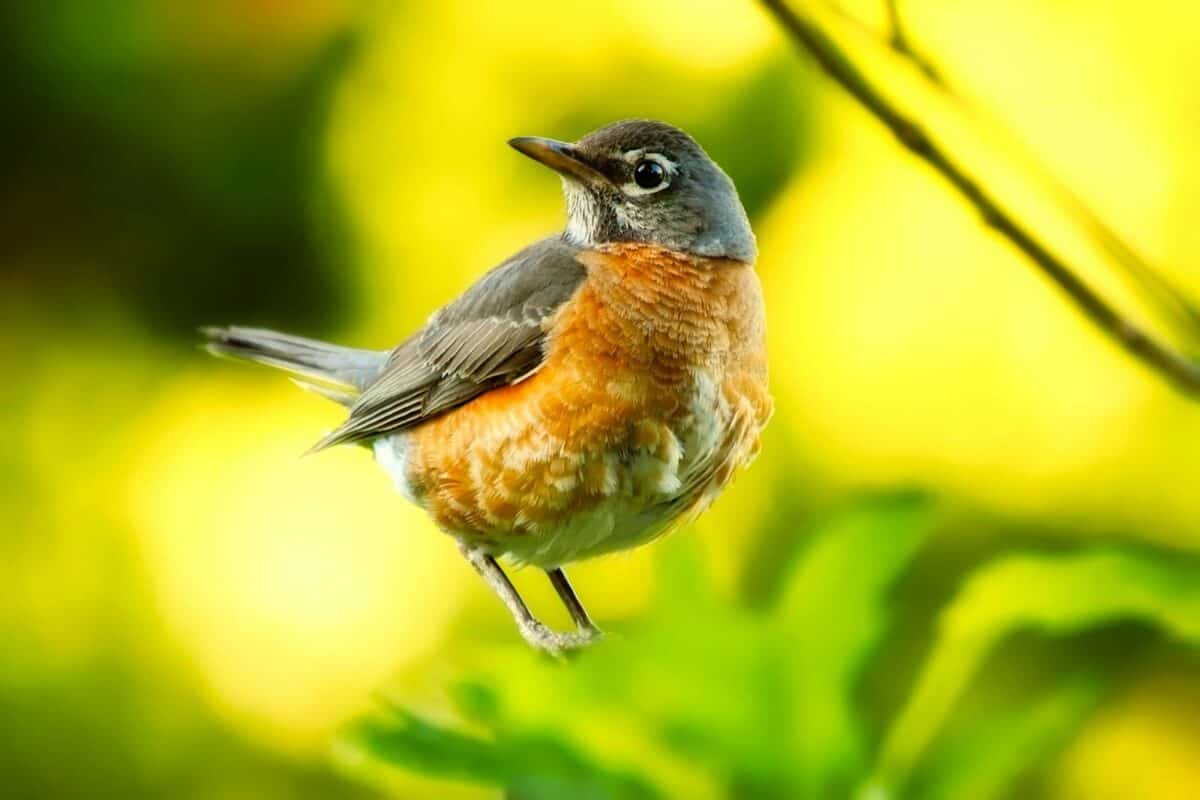
With species staying in the U.S. year-round, conservation efforts may need to adjust focus. Strategies could include enhancing habitat protection in urban areas and ensuring that food resources remain available and ecologically balanced, particularly during the harsher months when natural food is sparse.
Scientific Research Opportunities
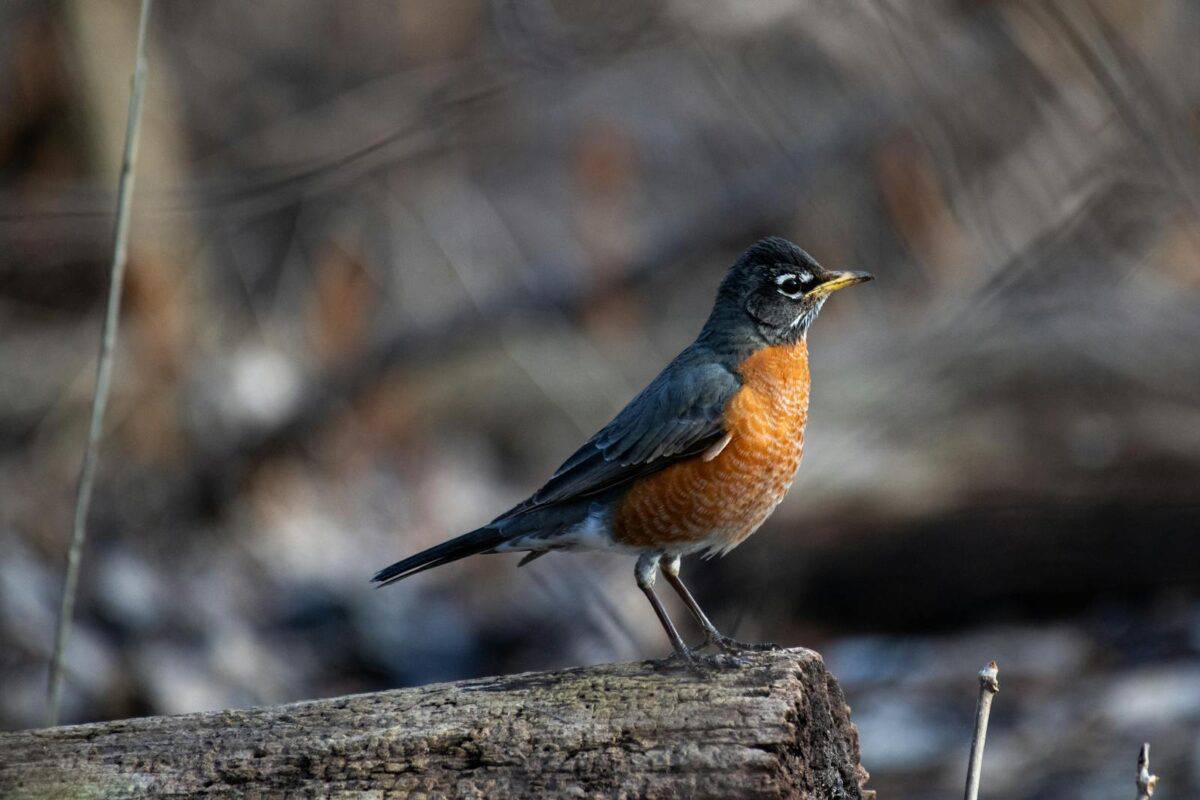
The phenomenon of birds nesting year-round in the U.S. offers a wealth of research opportunities for ornithologists and ecologists. Studies can focus on behavioral adaptations, gene flow, and ecological impacts, providing insights into not just bird life but broader environmental shifts as well.
Conclusion
The adjustment of certain bird species to nest year-round in the U.S. highlights the dynamic nature of ecological systems in the face of environmental change. These adaptations underline the resilience and flexibility of avian species, offering both challenges and exciting opportunities for conservation, research, and public engagement. As we continue to observe these developments, there’s much to learn about our feathered companions and their evolving connection with the world around us.

- 10 Animals That Cheat Death in the Most Unexpected Ways - July 19, 2026
- The Shrimp That Punches Like a Bullet - July 19, 2026
- This Tiny Mammal Can Slow Its Heartbeat to One Beat Per Minute - July 19, 2026