

Have you ever wondered if the birds chirping outside your window might know more about the weather than your smartphone? It’s a surprising thought, but certain birds have been observed to predict weather changes with remarkable accuracy. For centuries, humans have relied on these avian meteorologists to forecast storms, sunshine, and everything in between. Although modern technology offers precise predictions, it seems that some feathered friends might still have an edge. Let’s dive into the fascinating world of birds that can outsmart our gadgets when it comes to weather forecasting.
Swallows The Sky Dancers

Swallows are known for their graceful flight and incredible acrobatics. But did you know they can also predict rain? These birds tend to fly lower when a storm is approaching. This behavior is linked to the insects they feed on, which also fly lower in humid air. When you see swallows darting close to the ground, it might be time to grab an umbrella. The next time you see these sky dancers swooping low, consider it nature’s own weather alert.
Seagulls The Coastal Sentinels

Seagulls are often associated with the sea and sandy beaches. But these coastal birds have a knack for sensing storms. When seagulls flock inland, it usually signals that a storm is brewing over the ocean. This behavior is a protective measure, as they seek shelter from the harsh coastal winds. If you’re at the beach and notice seagulls heading inland, it’s wise to pack up and seek cover.
Chickadees The Tiny Forecasters

Chickadees are small, cheerful birds with a big secret. They can predict harsh winters. During the fall, chickadees increase their body weight by storing food. A significant increase in their food storage often indicates a colder, more severe winter ahead. These tiny forecasters have an instinctive ability to prepare for the worst, offering a natural hint about the coming season’s severity.
Robins The Early Risers

Robins are often seen as the harbingers of spring. However, their weather-predicting skills are not limited to seasonal changes. When robins sing more frequently in the morning, it usually signals good weather. Their morning melodies are a sign of high pressure and clear skies. So, if you’re greeted by a chorus of robin songs at dawn, it’s likely to be a bright and sunny day.
Crows The Intelligent Observers

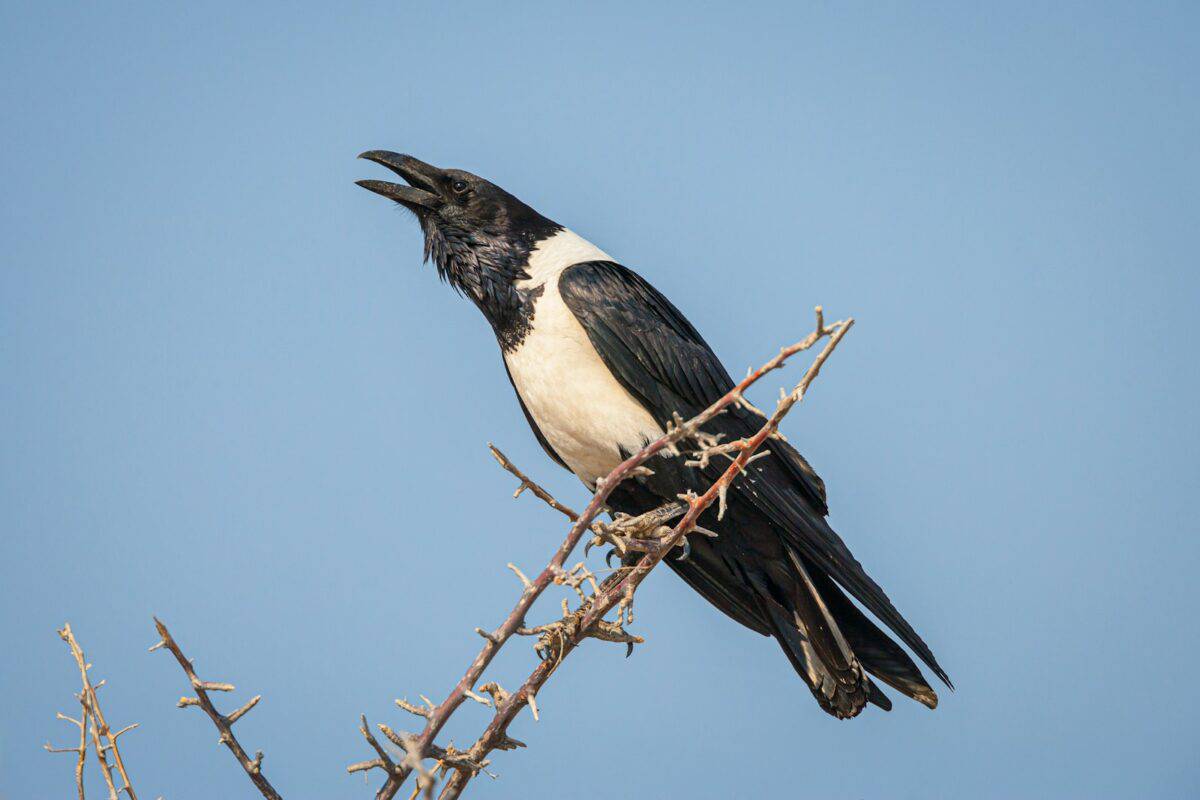
Crows are known for their intelligence and resourcefulness. They also possess an uncanny ability to sense changes in weather. When crows gather in large numbers and become more vocal, it often means a storm is approaching. This behavior is thought to be a form of communication among them, warning each other of the impending weather change. Keep an ear out for their cawing; it might just save you from getting caught in the rain.
Owls The Nighttime Predictors

Owls, with their haunting calls and nocturnal habits, are mysterious creatures. But they can also be weather prophets. When you hear owls calling more frequently, it often indicates a change in the weather. Increased vocal activity, especially during the night, can be a sign of an approaching storm. Their eerie calls might send shivers down your spine, but they also serve as a natural warning system.
Peacocks The Vibrant Weather Vanes

Peacocks are known for their dazzling plumage and elaborate courtship displays. Yet, these vibrant birds also have a reputation for predicting rain. When peacocks call out loudly and repeatedly, it often signals impending rain. This behavior is believed to be a response to changes in humidity and atmospheric pressure. If you hear peacocks announcing their presence, it might be wise to bring a raincoat along.
Geese The Migratory Meteorologists

Geese are famous for their long migratory journeys. Their migration patterns can provide clues about upcoming weather. When geese begin their migration earlier than usual, it often suggests an early winter. These migratory meteorologists have an innate sense for atmospheric changes, allowing them to escape harsh conditions. Observing their flight patterns can offer hints about the season’s transitions.
Canaries The Miners’ Companions

Canaries are small, bright yellow birds known for their melodious songs. Historically, they were used in coal mines to detect toxic gases, but they can also sense weather changes. When canaries sing more frequently, it often indicates good weather. Their cheerful tunes are a sign of high pressure and stable conditions. If your canary is particularly vocal, it might be time to plan a picnic.
Woodpeckers The Predictive Drummers

Woodpeckers are known for their rhythmic drumming on tree trunks. This behavior can also serve as a weather predictor. When woodpeckers drum more frequently, it often signals an upcoming change in weather. Their increased activity is believed to be a response to shifts in atmospheric pressure. If you hear a woodpecker’s persistent drumming, it might be wise to check the weather forecast.
Penguins The Antarctic Oracles

Penguins, the charming residents of the Antarctic, have their own way of predicting weather. These birds are highly sensitive to changes in temperature and wind patterns. When penguins huddle together more tightly than usual, it often indicates an approaching storm. Their instinctive behavior helps them survive in the harshest of climates. Observing their movements can provide insights into the unpredictable Antarctic weather.
Albatross The Oceanic Navigators

Albatrosses are majestic seabirds with an impressive wingspan. They are experts at navigating the open ocean and sensing weather changes. When albatrosses fly closer to the water, it often signals an approaching storm. Their behavior is a response to changes in air pressure and wind direction. If you spot these oceanic navigators skimming the waves, it might be time to brace for rough seas.

In a world where technology reigns supreme, it’s fascinating to consider that birds might still hold the key to understanding the weather. Their instinctive behaviors and natural responses to environmental changes offer a glimpse into the mysteries of nature. So, the next time you see a bird behaving unusually, take a moment to consider what it might be trying to tell you. Could these feathered forecasters be more accurate than the latest weather app? What do you think?

As a little kid, I fell in love with nature, wildlife, and animals. Living in the USA, South Africa, Italy, China and Germany gave me the opportunity to discover the world's Wildlife. My favorite animals are Mountain Gorillas, Siberian Tigers, and Great White Sharks.
I'm a certified PADI Open Water Diver, went to Everest Base Camp and Trekked Gorillas in Uganda. I hold a Master of Science in Economics and Finance.
Please send any feedback to feedback@animalsaroundtheglobe.com
- 10 Most Unique Reptiles You will See in the US - July 21, 2026
- 3 Dangerous Invasive Species the USA Must Eradicate - July 21, 2026
- 10 Things That Calm Cats And 4 That Make Them Nervous - July 21, 2026