
Antarctica, with its vast ice-covered expanses, has long been a symbol of Earth’s remote, untouched wilderness. Yet, the ice sheets of this frozen continent are increasingly catching the world’s attention, not solely because of their beauty but due to their ominous potential impact on global sea levels and, consequently, on American cities. This article uncovers the complex relationship between Antarctica’s melting ice and the future of urban landscapes in the United States.
Understanding Antarctica’s Ice Sheets

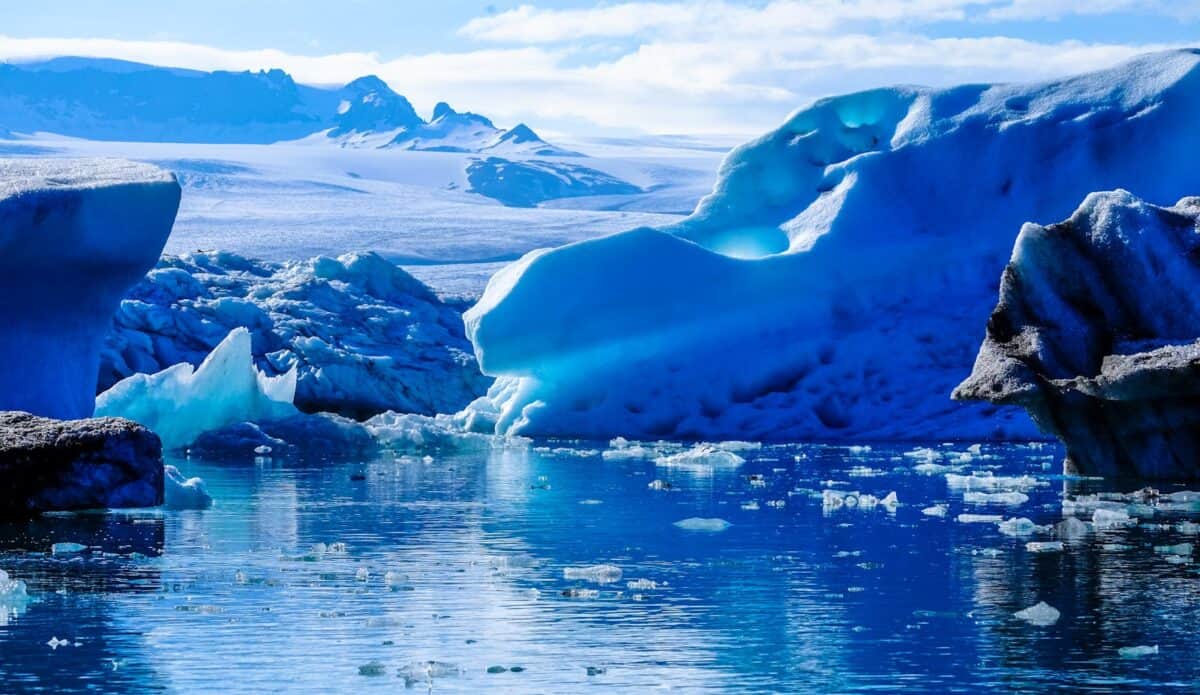
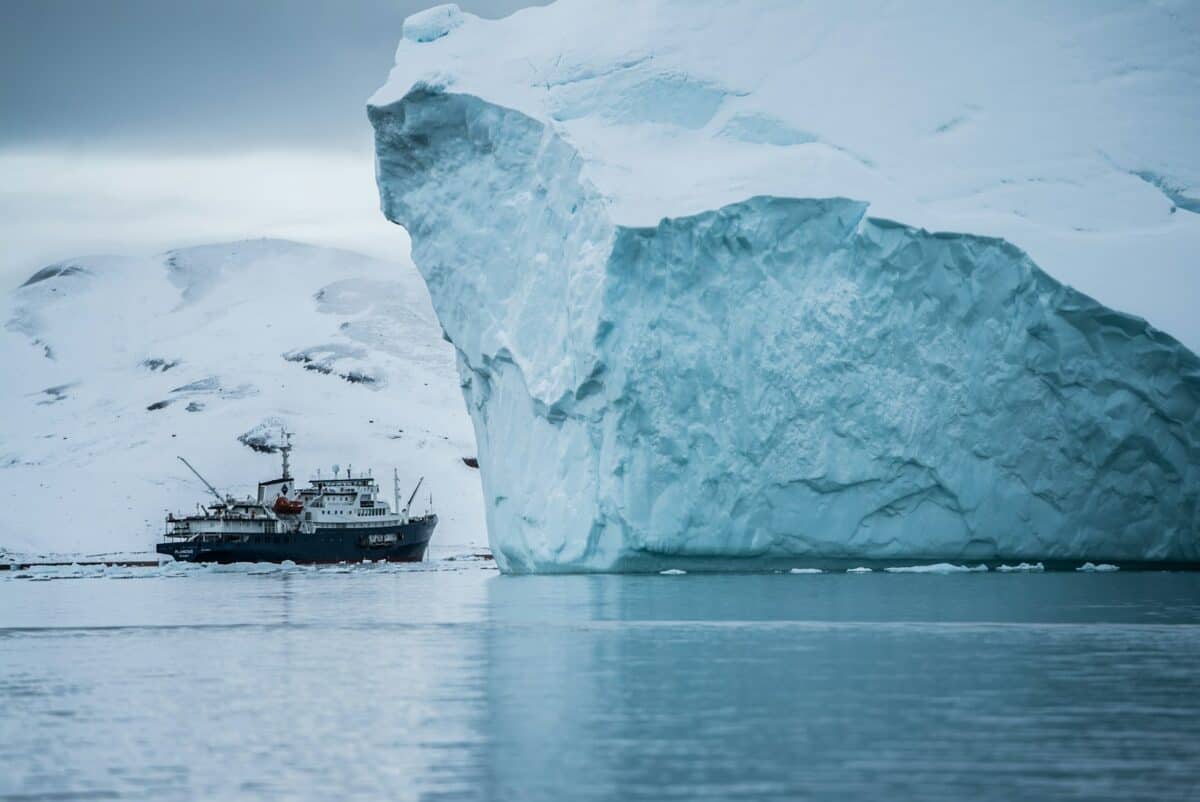
Antarctica is home to the world’s largest ice sheets, containing approximately 90% of the planet’s fresh water. These ice sheets, particularly those in West Antarctica, are susceptible to warming temperatures. The concern lies in their potential to unleash massive volumes of water into the oceans if they continue to melt at the current rate. Studies have shown that if the entire Antarctic ice sheet melts, it could raise sea levels by an astonishing 200 feet.
The Science Behind Melting Ice

The melting of Antarctic ice sheets is primarily driven by global warming and oceanic changes. As atmospheric temperatures rise, they transfer heat to the oceans, causing warmer water to circulate and undercut the ice shelves. This process leads to the destabilization of the entire ice sheet structure, accelerating the flow of ice into the sea.
Projections of Sea Level Rise

Current scientific models predict that Antarctic ice melt alone could contribute to a global sea level rise of up to 6 feet by the end of the 21st century. Such predictions are based on varying factors, including the rate of greenhouse gas emissions and global temperature changes. This projected rise poses a significant threat to coastal cities worldwide, including those in the United States.
Impact on Coastal American Cities

Nearly 40% of the U.S. population lives in coastal counties, making many of these areas particularly vulnerable to rising sea levels. Cities such as New York, Miami, and New Orleans are already experiencing increased flooding events during high tides, and future rise in sea levels due to Antarctic melt could exacerbate these issues significantly.
New York City: A Case Study
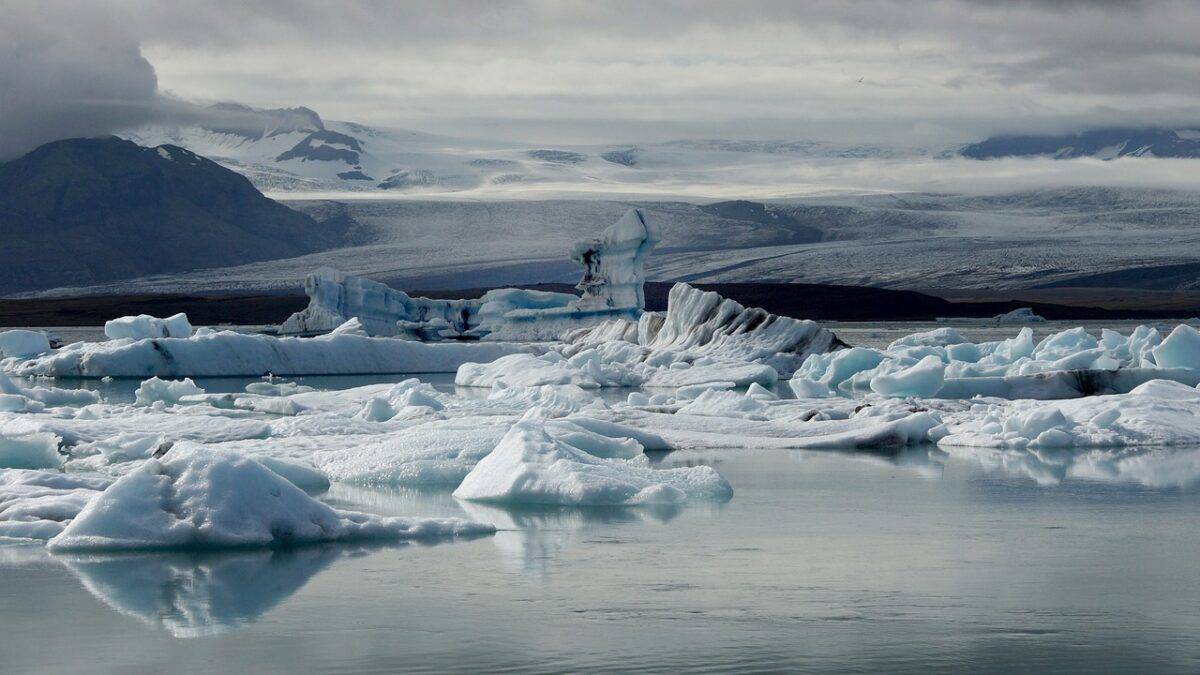
New York City, with its extensive coastline, is particularly at risk. According to research by the New York City Panel on Climate Change, the city could see a sea level rise of up to 30 inches by 2050, intensifying the frequency and severity of coastal storms and flooding events. Infrastructure and iconic neighborhoods along the waterfront could face inundation, posing challenges for city planners and residents alike.
Miami: Battling Rising Tides
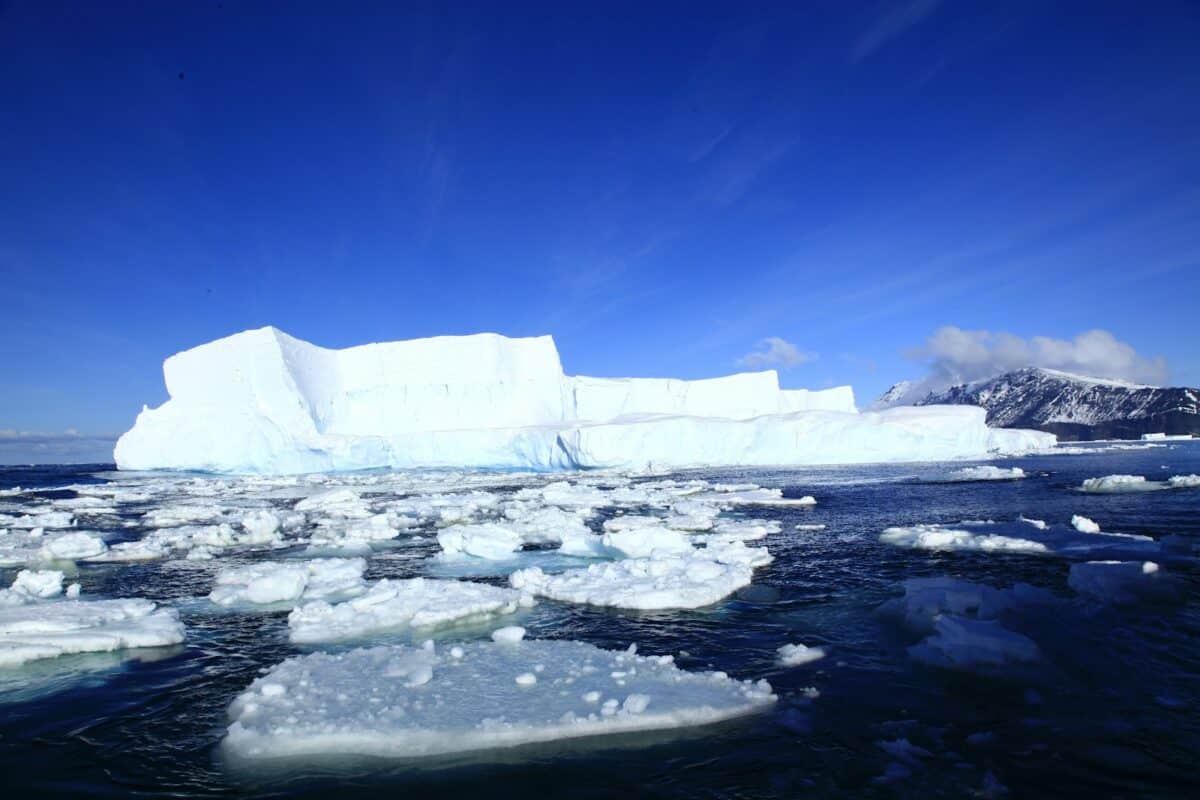
Miami is another American city at the forefront of the battle against sea level rise. Known for its low-lying geography, Miami is predicted to experience significant flooding as sea levels continue to rise. Efforts are already underway to address these changes, including raising streets, building coastal defenses, and modifying existing infrastructure.
New Orleans: Lessons from Past Storms
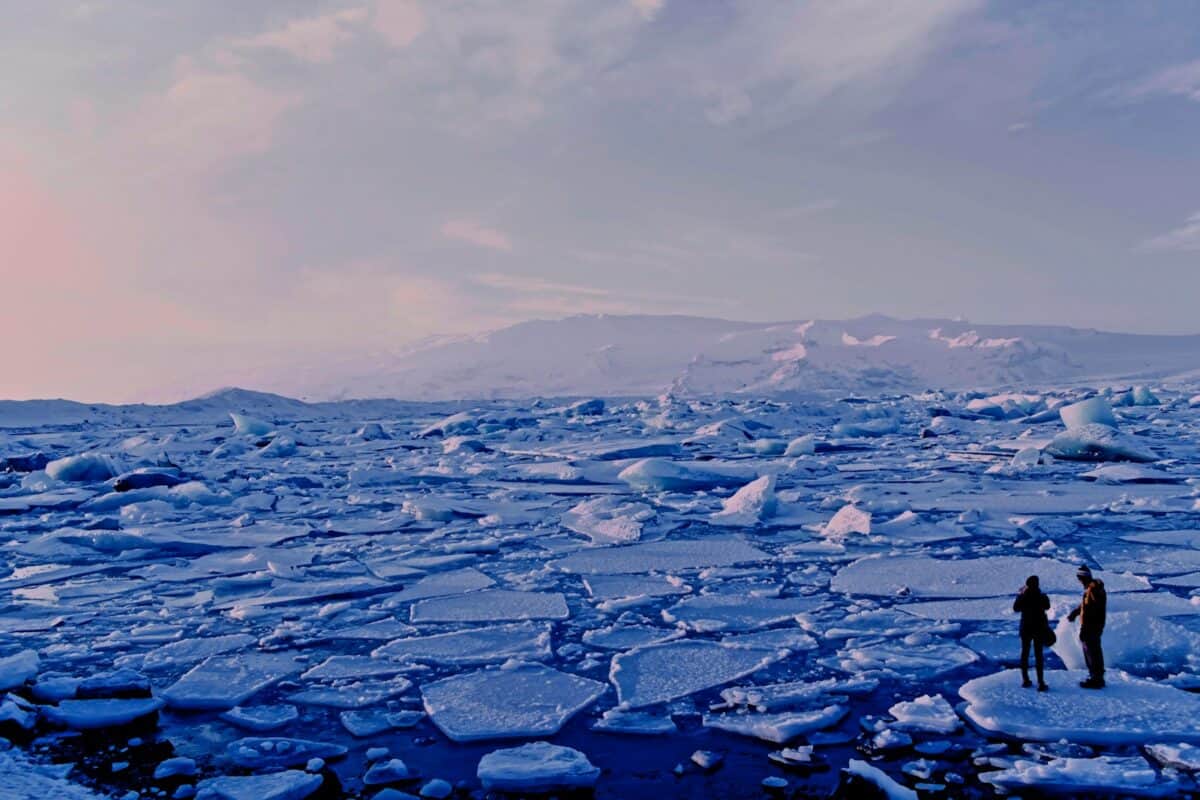
New Orleans, situated below sea level, has faced challenges with flooding even before considering sea level rise. The melting ice from Antarctica could increase this risk. Learning from past events like Hurricane Katrina, the city is implementing comprehensive flood defenses to mitigate future disasters exacerbated by sea level rise.
Economic Implications for Urban Areas
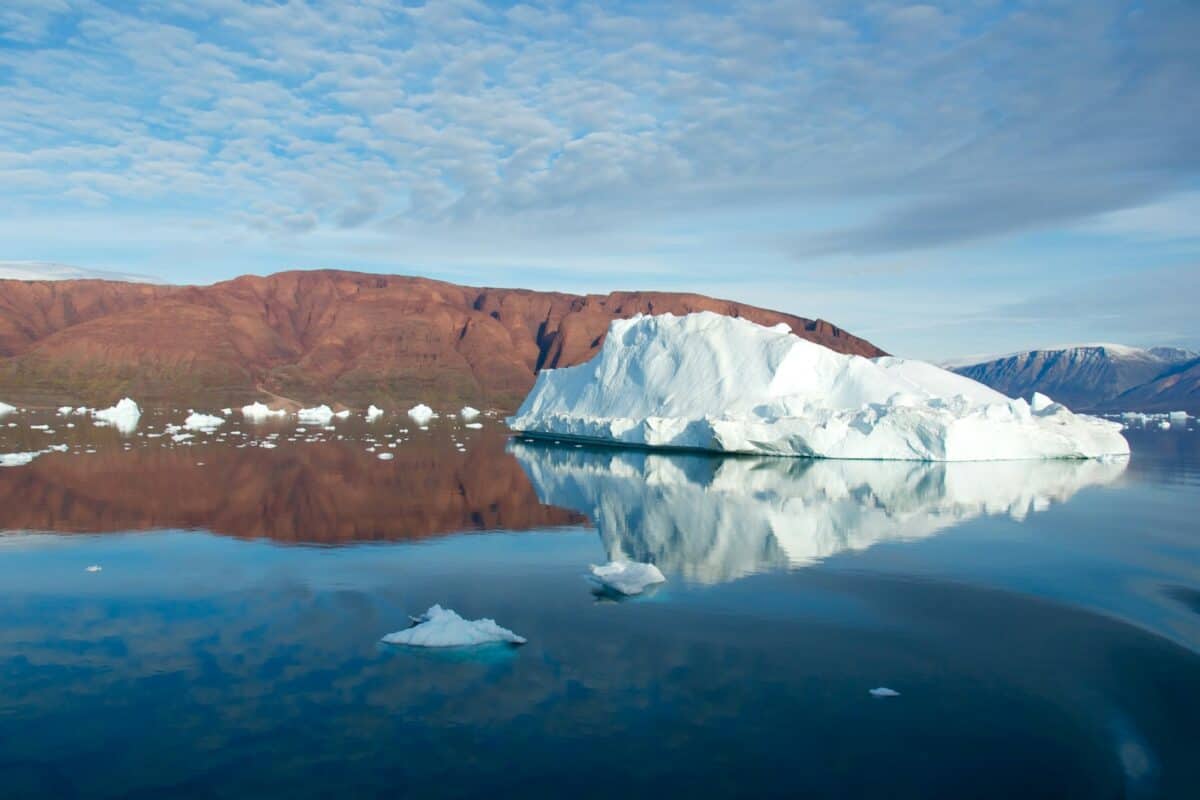
The economic impact of rising sea levels is substantial. Coastal cities represent significant economic hubs, and heightened flooding could lead to property damage, disrupt commerce, and displace communities. For example, in terms of potential damage, urban centers could face billions in costs related to rebuilding infrastructure and relocating residents.
Addressing Climate-Induced Migration
As certain areas become uninhabitable due to rising waters, cities may also witness waves of climate-induced migration. This internal displacement requires planning for housing, services, and jobs in less-affected areas, thus reshaping demographic trends and putting pressure on urban infrastructure and resources.
The Role of Policy and Adaptation
Addressing the challenges posed by Antarctic melting requires significant policy interventions. This includes implementing green infrastructure, reinforcing coastal defenses, and enhancing early warning systems to manage disasters. Governments and cities are investing in resilience planning and emissions reduction to mitigate these effects.
Innovative Engineering Solutions
To combat the risks of rising sea levels, innovative engineering solutions are being explored. Floating neighborhoods, barrier systems, and artificial islands are some of the creative approaches being considered to protect urban areas. These concepts, although still in developmental phases, offer long-term solutions that blend technology with sustainable practices.
The Urgency of Global Cooperation

The fight against Antarctic ice melt and its effects is not one for a single nation. It requires global collaboration. International treaties focusing on emissions reductions and sustainable practices are crucial in slowing the rate of glacial melt. Encouraging cross-border knowledge exchange and support can lead to more effective strategies in managing the implications of sea level rise.
In conclusion, Antarctica’s melting ice poses a formidable challenge for American cities, forcing them to reckon with the reality of rising sea levels. While the risks are tangible, so too are the solutions, which reside in scientific innovation, cooperative policy-making, and community-driven resilience. Facing this challenge head-on offers an opportunity to transform and adapt cities into sustainable urban havens for future generations.

- 10 Animals That Cheat Death in the Most Unexpected Ways - July 19, 2026
- The Shrimp That Punches Like a Bullet - July 19, 2026
- This Tiny Mammal Can Slow Its Heartbeat to One Beat Per Minute - July 19, 2026