

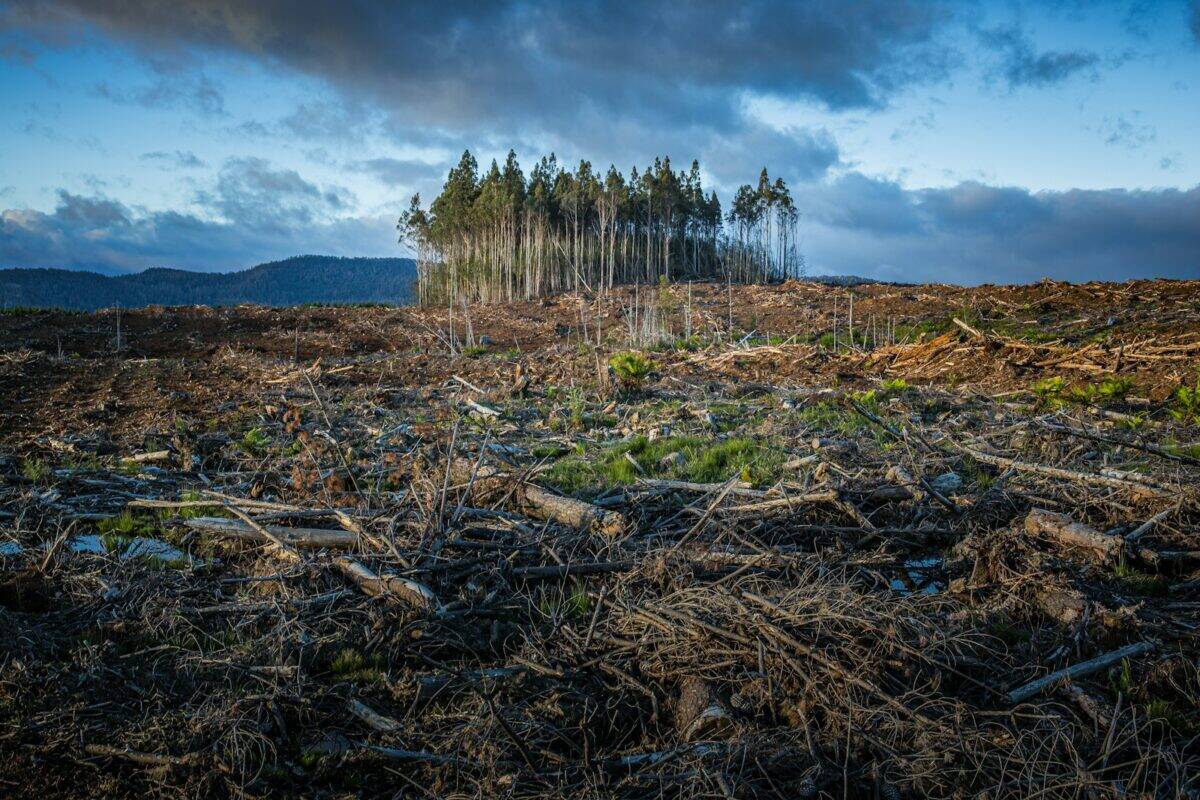
Climate change is rapidly altering the world’s ecosystems, affecting not only the temperature and weather patterns but also the flora and fauna that inhabit these environments. Animals are among the most adaptable creatures on Earth, but the rapid pace of climate change poses significant challenges for them. This article explores the various ways animals are adjusting—or struggling to adjust—to shifting seasons brought on by climate change. We delve into the behavioral, physiological, and migratory changes animals undergo to survive and thrive in their changing habitats.
Migratory Patterns Are Shifting

Animals, particularly birds, migrate to maintain access to food and optimal living conditions. Due to climate change, migratory patterns are changing, with some species arriving at breeding sites earlier or later than usual. For instance, the North American migratory songbirds are commencing their journeys sooner than they did a few decades ago, tracking the earlier onset of spring.
Changes in Breeding Timelines
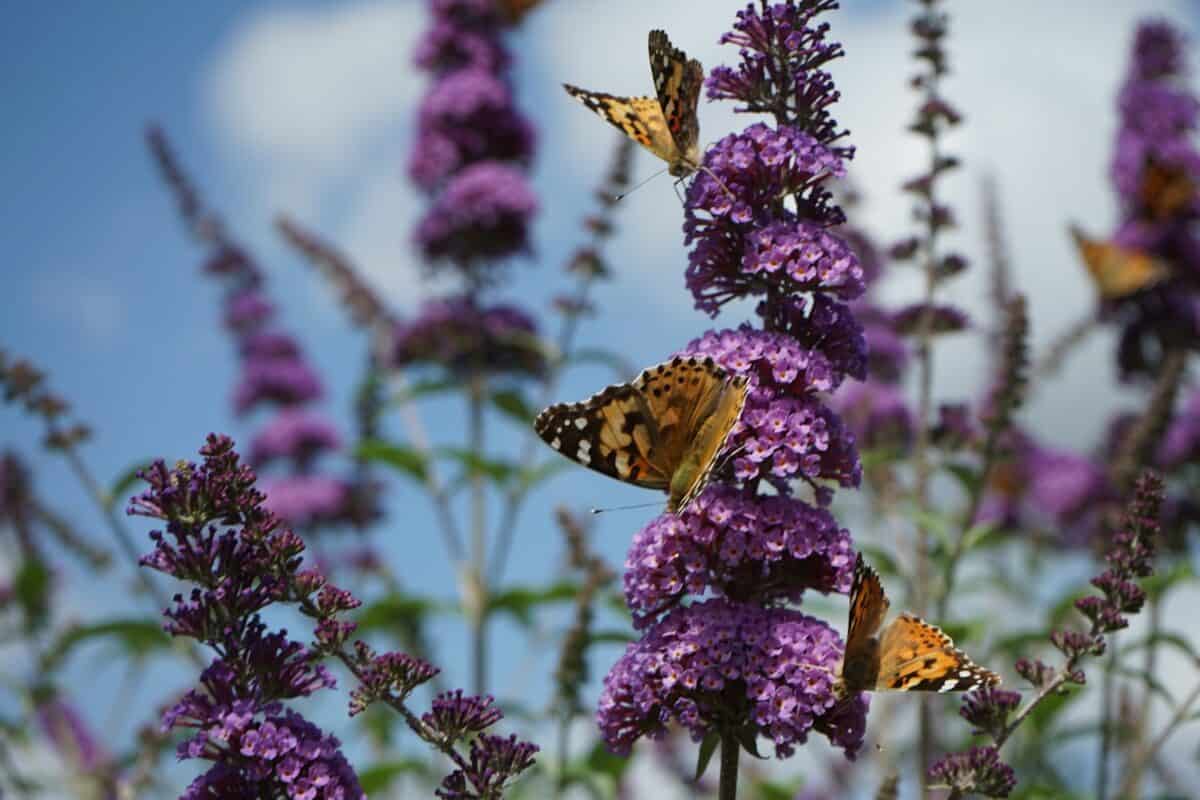
Shifts in seasonal temperatures are causing many species to alter their breeding seasons. Warmer conditions can prompt earlier mating and reproduction phases. Research has shown that butterflies and amphibians are among the creatures adjusting their breeding cycles to fit the earlier onset of suitable weather conditions.
Adapting Feeding Habits

As plant life struggles to keep pace with temperature changes, herbivorous animals must adapt by altering their diets. Polar bears, for example, face dwindling ice platforms, forcing them to spend less time hunting seals and more time scavenging on land. Similarly, some fish species are shifting to new feeding grounds as sea temperatures rise.
Rising Temperatures Affect Hibernation

Hibernation is another critical survival tactic affected by climate change. Rising temperatures and unpredictable weather patterns cause animals like bears and squirrels to enter and exit hibernation at suboptimal times. These disruptions can lead to increased energy expenditures and affect survival rates.
Behavioral Flexibility as a Survival Tool
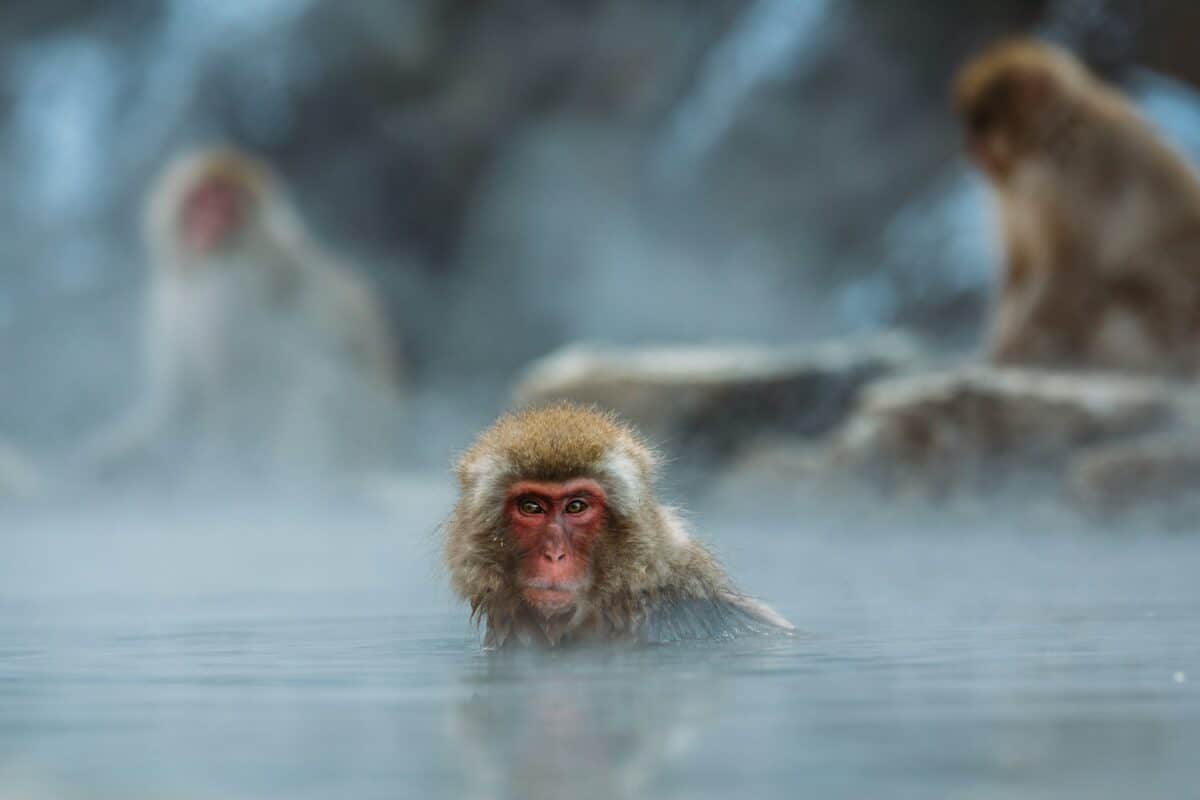
Behavioral flexibility refers to an animal’s ability to change its actions in response to environmental changes. Animals that demonstrate greater behavioral flexibility, such as certain primate species, are better equipped to navigate the challenges posed by a warming planet.
Oceanic Species Are on the Move
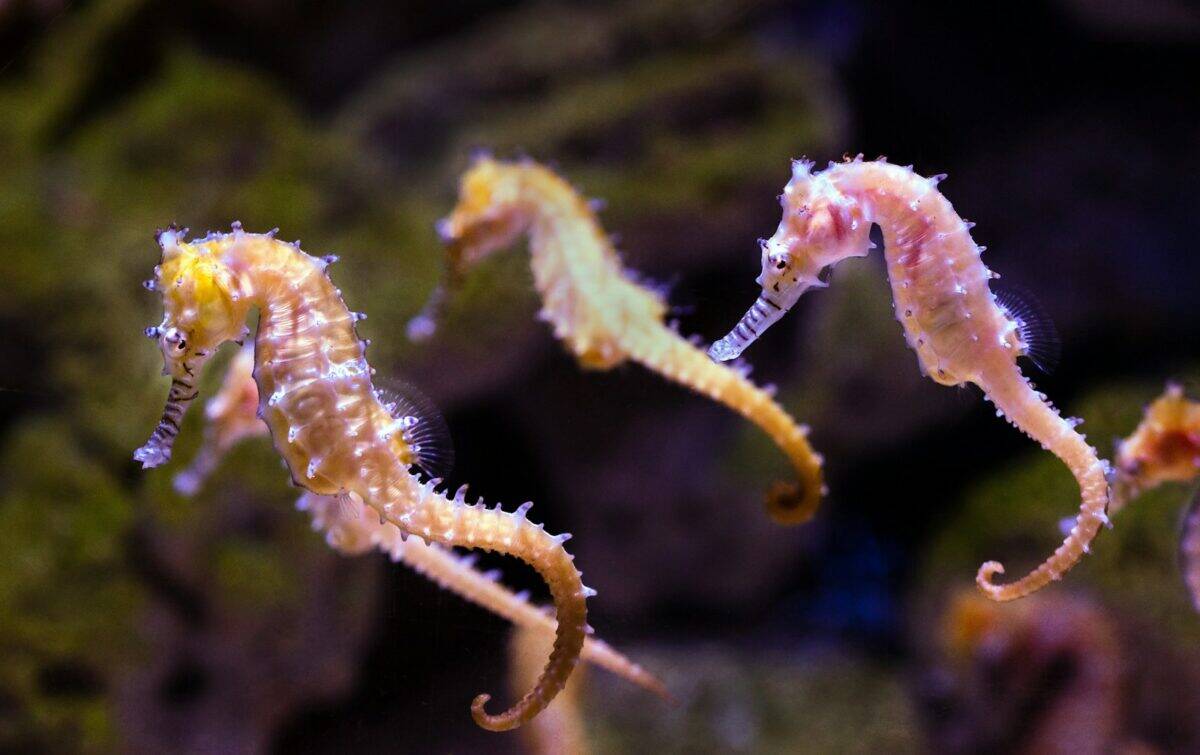
Marine life is particularly sensitive to temperature changes, leading to notable shifts in distribution. Species like the Atlantic cod have moved further north in search of cooler waters. This movement affects not only the species themselves but also the ecosystems and human communities that rely on them.
Increased Disease Vulnerability
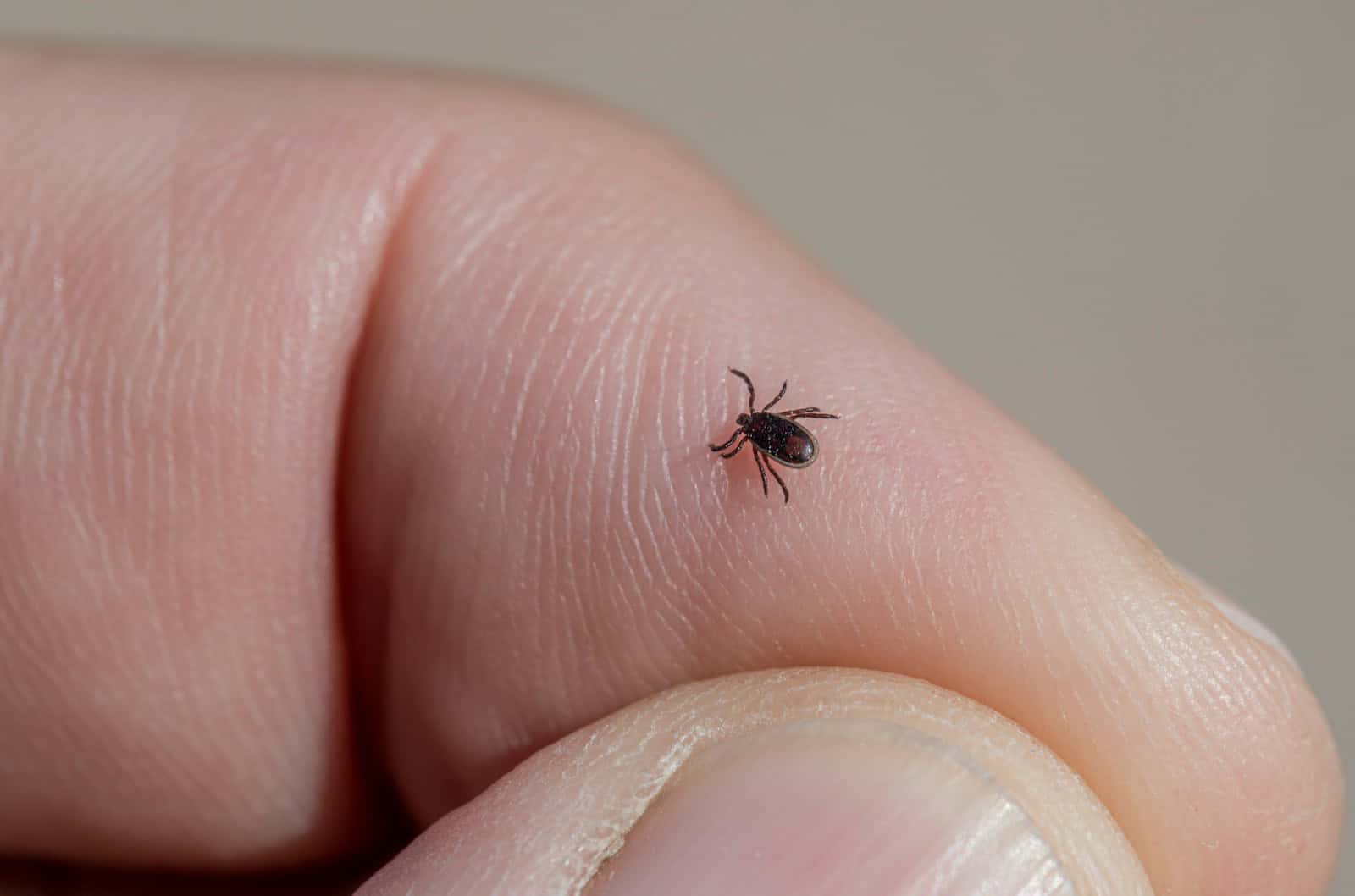
As climates shift, so do the habitats of parasites and pathogens, increasing animals’ susceptibility to diseases. Warmer conditions allow for the northward spread of ticks, leading to increased incidences of Lyme disease in wildlife, illustrating how climate can exacerbate disease vulnerabilities.
Genetic Adaptations

Over successive generations, some species may develop genetic adaptations to better suit their changing environments. This process, while slow, can lead to substantial changes in physical traits or behaviors, enhancing an animal’s ability to cope with new climatic conditions.
Hybridization Among Species

Climate change is leading to increased interbreeding between species, resulting in hybrid offspring. In some cases, such as with polar bears and grizzly bears (creating “pizzly bears”), hybridization allows for the sharing of traits that may offer a survival advantage in a changing climate.
Human Intervention and Assistance
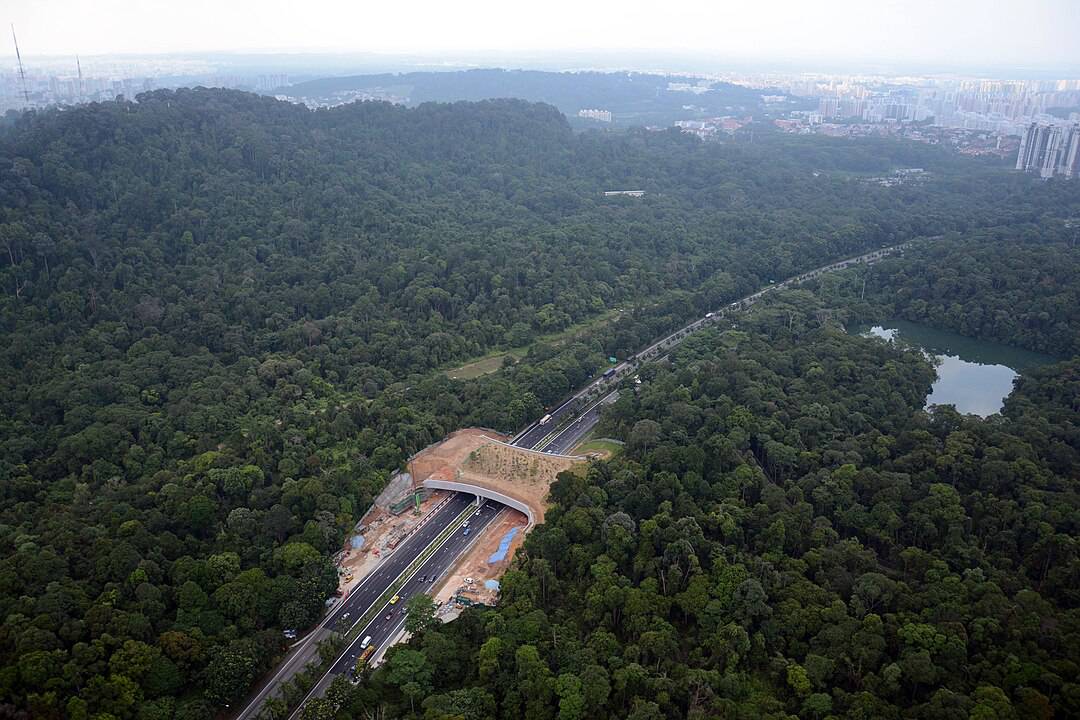
Humans play a crucial role in either exacerbating or alleviating the impacts of climate change on wildlife. Conservation efforts, such as creating wildlife corridors and protecting habitats, can help animals adjust to changing environments. Active management and responsible environmental policies are vital in supporting wildlife resilience.
The Role of Technology in Monitoring Changes

Advancements in technology allow scientists to understand better and predict how animals are responding to climate change. Satellite tracking, remote sensors, and data modeling provide insights into migration patterns, population dynamics, and habitat changes, informing conservation strategies.
The Importance of Biodiversity Conservation
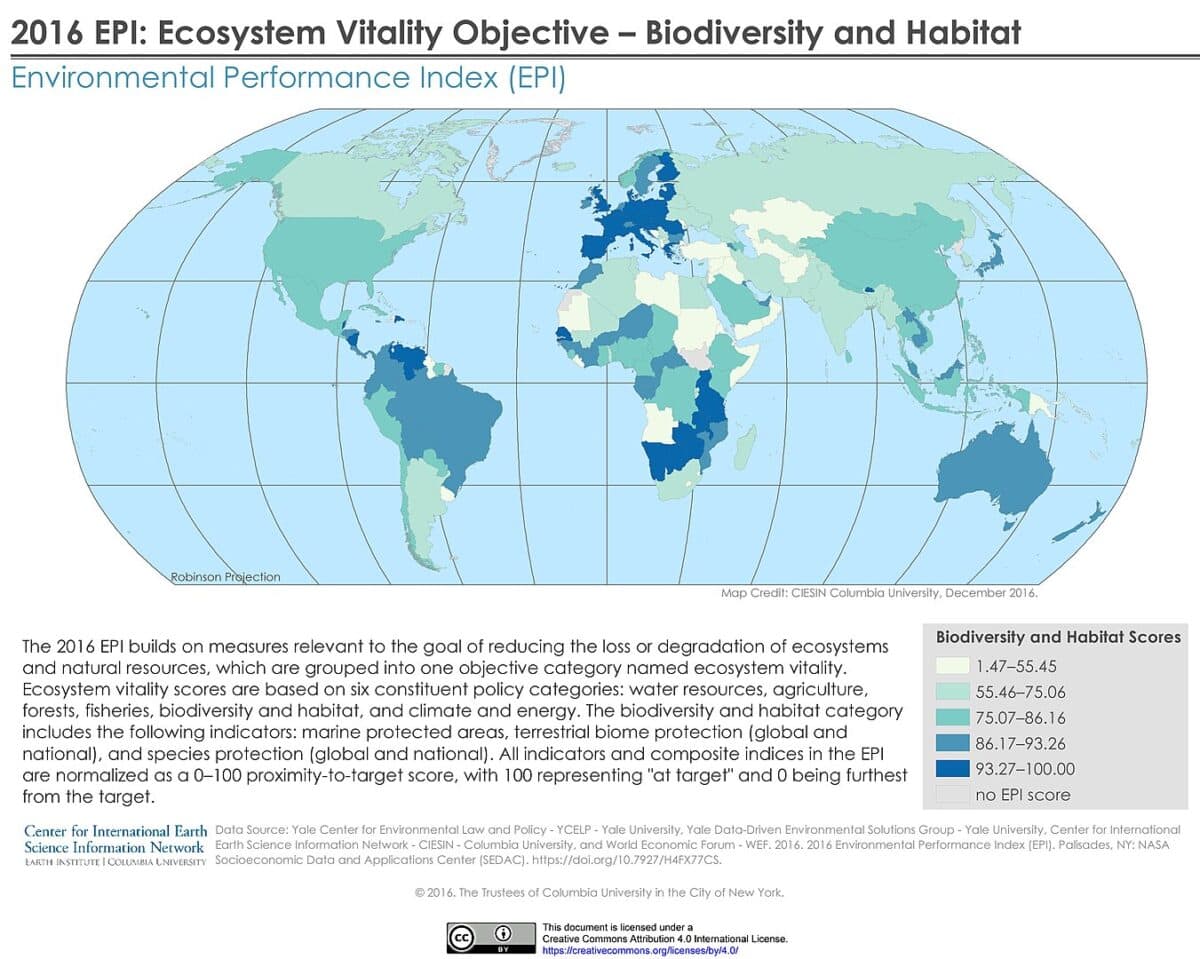
Biodiversity plays a critical role in ecosystem resilience. Protecting a diverse range of species ensures ecosystems can adapt naturally to environmental changes. Conserving biodiversity is essential for maintaining the intricate balance of life, enabling ecosystems to function effectively even as climates change.
Animals are remarkable for their ability to adapt, but the speed of climate change presents an unprecedented challenge. While some species are finding ways to cope, others are left vulnerable. Understanding how animals adjust to climate shifts is critical in designing effective conservation measures. It is imperative that we take action now, both to mitigate the effects of climate change and to support wildlife conservation, ensuring the continued survival of diverse species around the world.

- What’s Hiding in the Forests of the Pacific Northwest - July 21, 2026
- Tarsiers: The Tiny Primates with Giant Eyes - July 21, 2026
- Are Zoos Still Ethical in 2025? - July 21, 2026