


The Great Lakes region of North America, particularly Michigan, serves as a winter haven for the iconic and majestic snowy owl. Known for their striking appearance and captivating aura, these birds are not only fascinating to birdwatchers and nature enthusiasts but also hold significant ecological importance. Every winter, these owls find refuge in the diverse habitats around the Great Lakes, offering locals and visitors alike an extraordinary glimpse into the natural world. But what draws these majestic birds to Michigan in particular? This article delves deep into the allure of Michigan for snowy owls, exploring their habits, habitat preferences, and the ecological significance of their presence in the state.
The Unique Characteristics of Snowy Owls

Snowy owls (Bubo scandiacus) are among the most easily recognizable bird species due to their distinctive all-white plumage and piercing yellow eyes. Adult males are often whiter than females, who tend to have more barring on their feathers. These features provide snowy owls with excellent camouflage against their snowy environment, an essential trait for both hunting and evading predators. Their powerful talons and sharp beaks make them formidable hunters, able to capture prey as large as a rabbit with ease.
Understanding the Snowy Owl’s Natural Habitat

Originally hailing from the Arctic tundra, snowy owls prefer open landscapes that mimic the treeless, flat expanses of their native habitat. In the winter months, when the tundra becomes inhospitable, these owls migrate southward in search of more favorable conditions. The open fields, marshes, and coastal dunes of Michigan provide an excellent substitute, offering sightlines and hunting grounds similar to their northern breeding grounds.
Why Snowy Owls Migrate to Michigan

Each winter, snowy owls migrate in their famed “irruptive” movements, traveling farther south than usual in search of food. Michigan, with its abundant fields and water bodies teeming with wildlife, becomes a prime location for these food-driven wanderers. Snowy owls are drawn to areas where they can readily find their preferred prey, such as voles, mice, and other small mammals.
The Influence of the Great Lakes on Snowy Owl Migration

The Great Lakes have a profound influence on the regional climate and ecological biodiversity. These vast water bodies moderate temperatures and maintain open expanses of land, which provide essential hunting grounds during the winter months. Additionally, the lakes attract a variety of prey animals, making the surrounding areas lucrative hunting grounds for snowy owls.
Diet and Hunting Behavior of Snowy Owls

Snowy owls are primarily carnivorous, with a diet that mainly consists of small mammals and birds. In the Arctic, they predominantly hunt lemmings, but in Michigan, they adapt to available prey types such as voles, rodents, and occasionally waterfowl. These owls hunt primarily during the day, using their keen vision and acute hearing to locate and ambush prey in open fields or along coastal areas.
Snowy Owl Sightings and Observation in Michigan

Each winter, birdwatchers and enthusiasts flock to Michigan in hopes of spotting snowy owls. Prime locations for sightings include open agricultural fields, along the shores of the Great Lakes, and in areas with minimal human disturbance. Documenting these sightings is crucial for understanding the patterns of snowy owl migration and population health.
The Ecological Importance of Snowy Owls
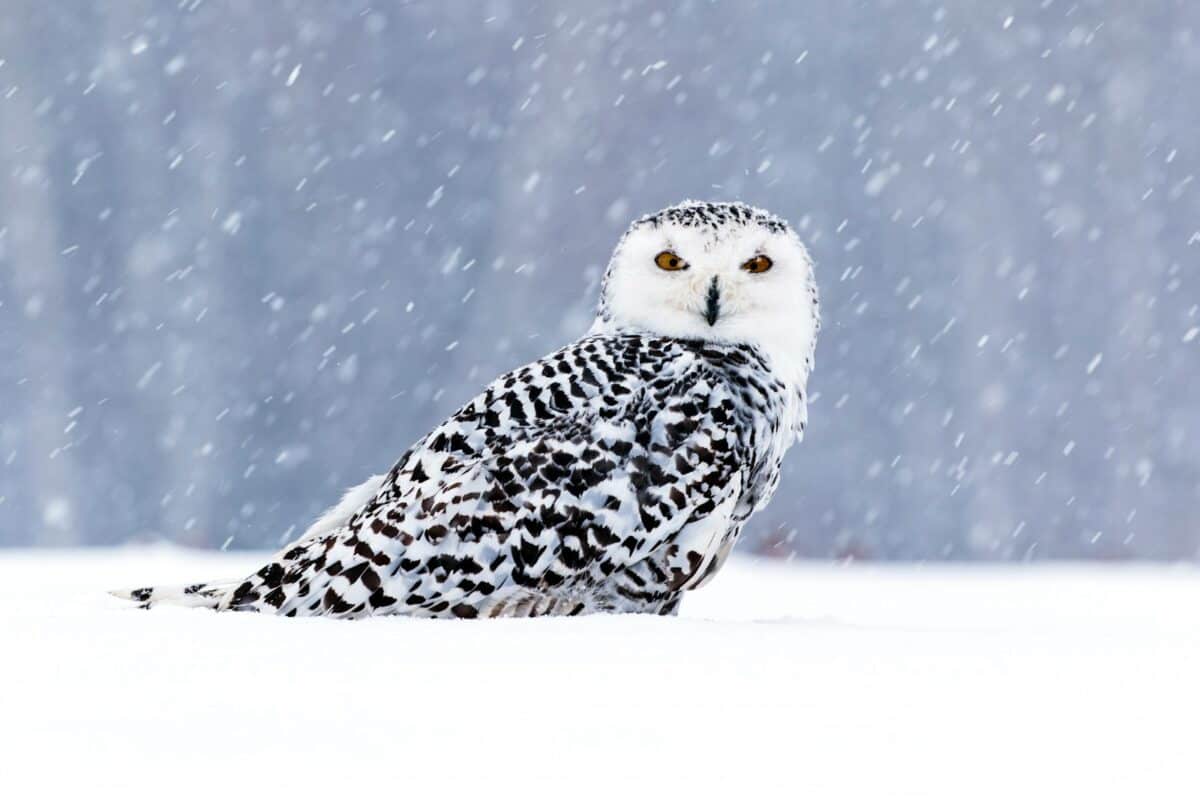
Snowy owls play a vital role in their ecosystem, acting as top predators that help regulate the populations of small mammals and birds. Their presence in Michigan during the winter months contributes to the local biodiversity and sparks interest in the conservation of these majestic birds and their habitats.
Challenges Faced by Snowy Owls in the Great Lakes Region

Despite their adaptability, snowy owls face several threats in Michigan. Climate change poses a significant threat to their Arctic habitats while also influencing their migration patterns. Additionally, human-induced changes to land use, such as industrial development and urban spread, can degrade their winter habitats and reduce their prey availability.
Conservation Efforts for Snowy Owls

Conservation groups and researchers are actively working to protect snowy owls and their habitats. Efforts focus on habitat preservation, climate change mitigation, and public education to promote coexistence with these magnificent birds. Programs such as banding initiatives help track owl movements and understand their responses to environmental changes.
How to Help Snowy Owls Thrive

Individuals can contribute to snowy owl conservation by supporting local wildlife agencies and participating in citizen science projects, such as recording snowy owl sightings. Reducing vehicle speeds on rural roads can also help protect these birds from collisions. Furthermore, spreading awareness about the significance of these birds helps foster a community of informed and active conservationists.
The snowy owls’ annual pilgrimage to Michigan is a captivating natural phenomenon that showcases the intricacies of avian migration and ecological interdependence. As these magnificent birds grace the landscapes of the Great Lakes, they inspire awe and reinforce the need for vigilant conservation efforts. By better understanding their habits and the challenges they face, we can ensure that snowy owls continue to thrive and enchant future generations with their regal presence.

- Why So Many Marine Animals Are Bioluminescent - July 21, 2026
- Wildlife Mysteries That Took Decades to Solve - July 21, 2026
- The Largest Python Ever Captured in Florida’s Everglades - July 21, 2026