

Bald eagles, with their magnificent wingspan and striking appearance, are a symbol of strength and freedom. While they are known for their solitary hunting techniques, one might wonder: is it normal for bald eagles to hunt together? In this insightful exploration, we delve into the behaviors and social dynamics of these majestic birds to uncover the truth about their hunting habits. Discover fascinating aspects of bald eagle behavior, ecology, and how these remarkable creatures interact in the wild.
Bald Eagles: An Iconic North American Predator

Bald eagles are primarily found in North America, inhabiting regions close to large bodies of open water with abundant food supply and old-growth trees for nesting. These birds are symbols of power and have been the U.S. national emblem since 1782. Known for their sharp eyesight and powerful build, bald eagles are formidable predators primarily feeding on fish. However, they don’t shy away from preying on other birds or small mammals if the opportunity arises.
Understanding Their Solitary Nature

Bald eagles are generally solitary creatures, especially during hunting. They are highly territorial and will often establish and defend territories against other eagles. This solitary nature extends to their hunting habits, typically relying on individual skill and agility to catch prey. This is largely due to the abundant food sources in their habitats, allowing them to hunt independently without relying on collaborative efforts.
When Do Bald Eagles Hunt Together?

Although uncommon, bald eagles may exhibit cooperative hunting behaviors under certain circumstances. One such instance is during the non-breeding season when food is less abundant. In such times, bald eagles might engage in group hunting to increase their chances of capturing prey. Additionally, during migrations or in regions with high prey concentrations, they may be seen hunting in pairs or groups, maximizing their hunting efficiency.
Juvenile Bald Eagles: Learning Through Interaction

Interestingly, juvenile bald eagles, still grasping hunting skills, may form temporary social groups. These groups, often viewed during migration or near abundant food sources, allow young eagles to learn from each other, improving their techniques as they age. While not a direct form of cooperative hunting, these interactions highlight a social aspect unseen in adult individuals.
Determining Factors for Group Hunting

Several factors influence the rare instances of bald eagle group hunting. The most significant include resource abundance, environmental pressures, and stages in the eagles’ lifecycle. In habitats where prey is concentrated and easily accessible, the benefits of cooperative hunting may outweigh the territorial instincts, allowing for temporary alliances.
Role of Environment in Hunting Behaviors
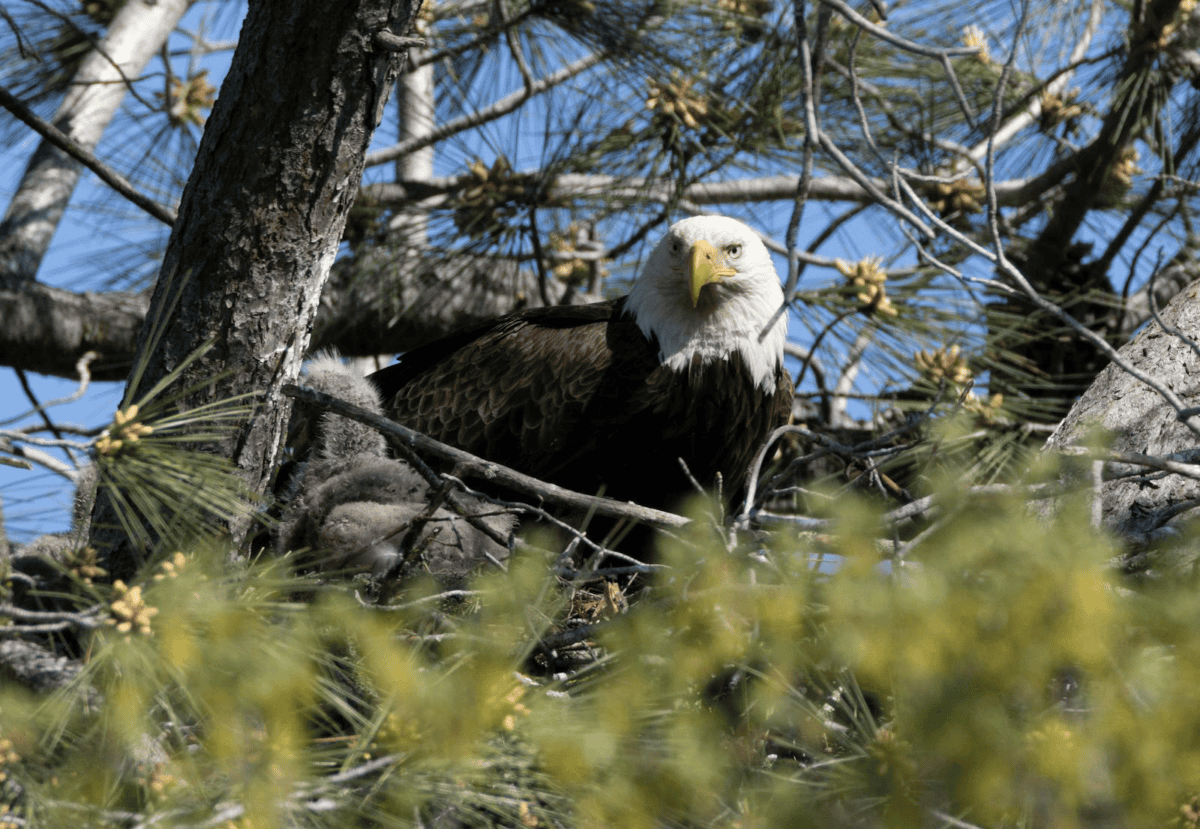
The environment plays a crucial role in bald eagle hunting behaviors. In areas where seasonal fish runs occur, such as salmon migrations, bald eagles may gather in large numbers, exploiting the temporary abundance of prey. These gatherings can sometimes involve social interactions that resemble cooperative hunting, though they are more accurately described as opportunistic feeding events rather than structured group hunts.
Impact of Human Influence on Eagle Behavior

Human activities can also impact bald eagle behaviors, including hunting. In areas where human activity has altered natural prey availability, bald eagles may adapt by hunting in groups, particularly in heavily populated regions where nesting spaces are near each other. Human interference with natural ecosystems can thus inadvertently promote more communal behaviors as eagles adapt to changing environments.
Comparing with Other Raptor Behaviors

Bald eagles contrast with other raptors like Harris’s hawks, known for their cooperative hunting strategies. These hawks use complex social interactions to hunt effectively in packs. While bald eagles occasionally display similar behaviors, it does not approach the cooperative level seen in species such as these hawks.
Tools and Techniques: An Eagle’s Arsenal

When hunting independently, bald eagles rely on a suite of adaptations to maximize their success. Their remarkable eyesight, powerful talons, and strong beaks equip them to catch and consume a variety of prey efficiently. These physical adaptations make them adept solitary hunters, reducing the necessity for cooperative hunting techniques.
Influence of Breeding and Mating Seasons

During breeding and nesting seasons, bald eagles primarily focus on building nests, incubating eggs, and rearing young rather than adjusting hunting strategies. Parental eagles may increase hunting frequency to provide for their offspring, yet they often do so individually. Even during these periods, their interaction remains centered on reproduction rather than cooperative predation.
Eagle Biology and Social Structures

Bald eagle social structures are mostly determined by their need for territorial dominance and reproductive success rather than cooperation for feeding. Pairs often mate for life, suggesting a level of social connection; however, this partnership does not typically extend into joint hunting practices.
The Future of Bald Eagle Behaviors
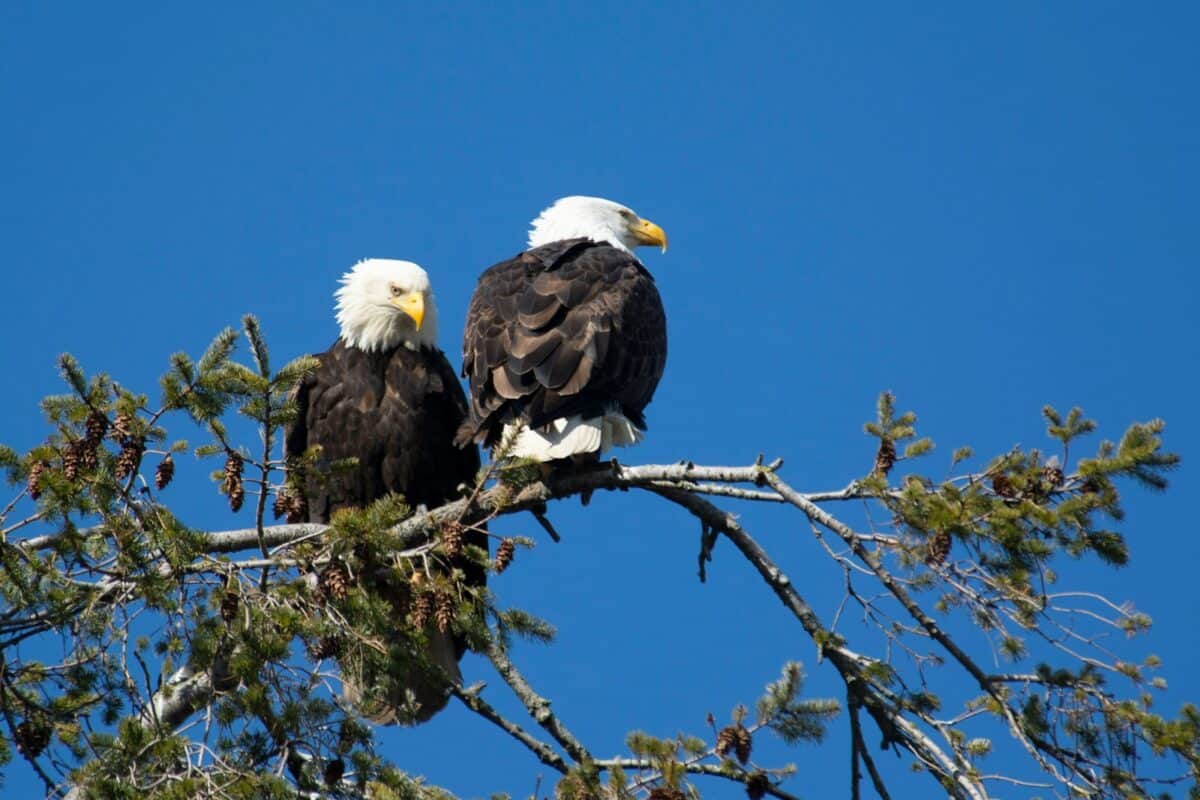
As conservation efforts continue to protect and stabilize bald eagle populations, observing shifts in their behavior due to environmental change will be fascinating. Future studies may yield insights into how adaptive these birds can be when faced with new challenges, possibly including more frequent instances of group hunting.
Conclusion

While bald eagles are typically solitary hunters, certain environmental pressures and social circumstances can lead to rare instances of cooperative hunting behaviors. Most often, their proficiency and environmental adaptations allow them to hunt independently. Understanding these behaviors provides a window into not only the life of these magnificent birds but also the intricate balance of their ecosystems. Appreciating the role of bald eagles in nature enhances our conservation efforts and nurtures the admiration these national symbols rightly receive.

- This Tiny Insect Can Survive in Outer Space—Here’s How - July 21, 2026
- Could the Tasmanian Tiger Be Brought Back to Life? - July 21, 2026
- Why You Should Never Approach a Sleeping Hippo - July 21, 2026