


The animal kingdom is filled with fascinating creatures that often invite curiosity and wonder. Among these, turtles and tortoises have piqued the interest of many due to their unique characteristics. While they may seem similar at first glance, these shelled reptiles have distinct differences that set them apart. This article explores what makes turtles and tortoises unique, helping to clarify any confusion between the two.
Habitat: Land vs. Water
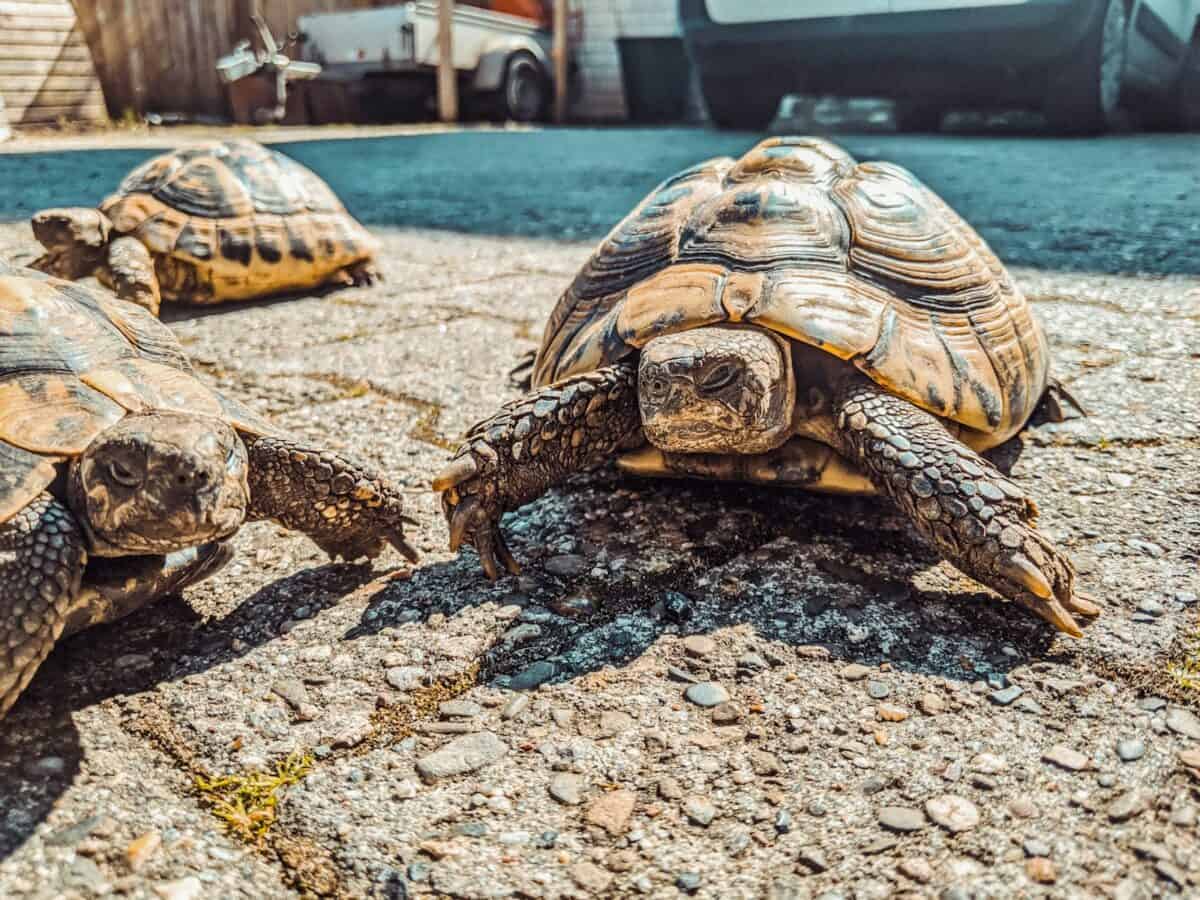
Turtles and tortoises are differentiated largely by their preferred habitats. Turtles are generally aquatic or semi-aquatic, making their homes in rivers, lakes, and oceans. Tortoises, on the other hand, are primarily land-dwellers, preferring dry environments like deserts and grasslands. This fundamental difference influences their physical adaptations, which we will explore further.
Physical Characteristics: Shells and Flippers
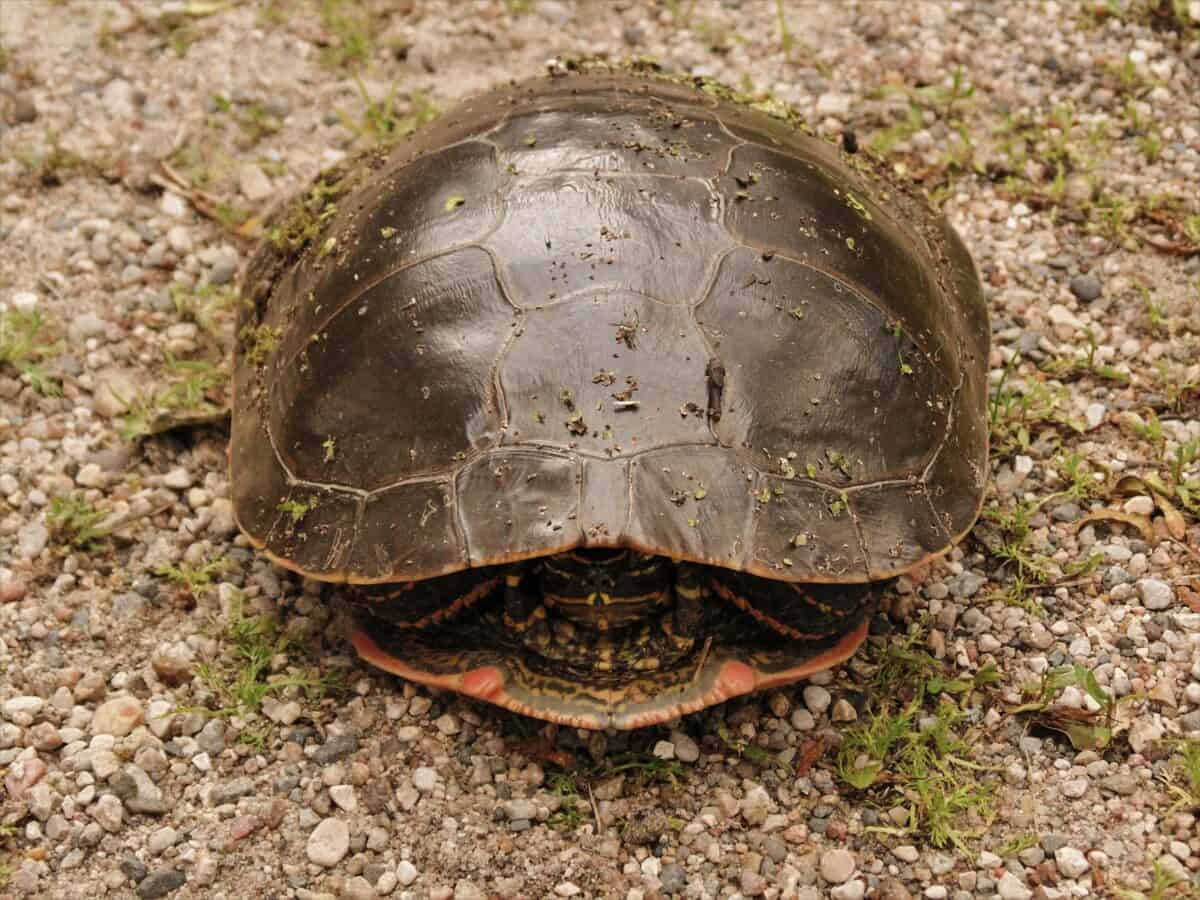
The structural differences between turtles and tortoises are noticeable when you look at their shells and limbs. Turtles typically have flat, streamlined shells that aid in swimming, whereas tortoises possess more dome-shaped, heavier shells for protection on land. Turtles have webbed feet or flippers designed for aquatic navigation, while tortoises have sturdy, elephant-like legs that support their terrestrial lifestyles.
Dietary Differences: Omnivores vs. Herbivores

When it comes to diet, turtles lean towards an omnivorous lifestyle. Depending on the species, they may consume a mix of plant material, fish, and insect prey. Tortoises, however, are primarily herbivores, with a diet consisting mainly of grasses, fruits, and vegetables. Their dietary habits further underscore their evolutionary adaptations to different environments.
Lifespan: A Measure of Longevity

Both turtles and tortoises are known for their remarkable longevity, but tortoises typically hold the record for lifespan, often living over 100 years. Some tortoise species, like the Galápagos tortoise, have been known to live for more than 150 years. In contrast, while many turtle species also enjoy long lives, they typically have shorter lifespans compared to tortoises.
Social Behaviors: Solitary vs. Sociable

Tortoises are often solitary creatures, preferring their own company and establishing territories of their own. On the other hand, turtles can be more sociable and may be found in groups, especially in basking areas or during migration periods. This distinction in social behavior reflects their differing lifestyles and habitats.
Reproduction: Nesting Habits

Reproductive strategies also diverge between turtles and tortoises. Female turtles typically lay eggs in sandy nests near water bodies. Upon hatching, the young instinctively head toward water. Tortoises lay their eggs in underground burrows, providing warmth and protection. Once hatched, young tortoises receive no parental care and begin their independent lives immediately.
Evolutionary Paths: A Shared Ancestry

Both turtles and tortoises belong to the order Testudines, tracing their lineage to the age of the dinosaurs. However, their evolutionary paths diverged millions of years ago, leading to adaptations suited to their respective environments. This shared ancestry is why they bear so many similarities, despite their distinct differences.
Conservation Status: Threats and Protections

Many species of turtles and tortoises face significant threats from habitat loss, poaching, and climate change. Conservation efforts are vital for their survival, with numerous programs focusing on habitat preservation and legal protection. Organizations worldwide strive to ensure that these ancient creatures continue to thrive.
Pet Ownership: Responsibilities and Considerations
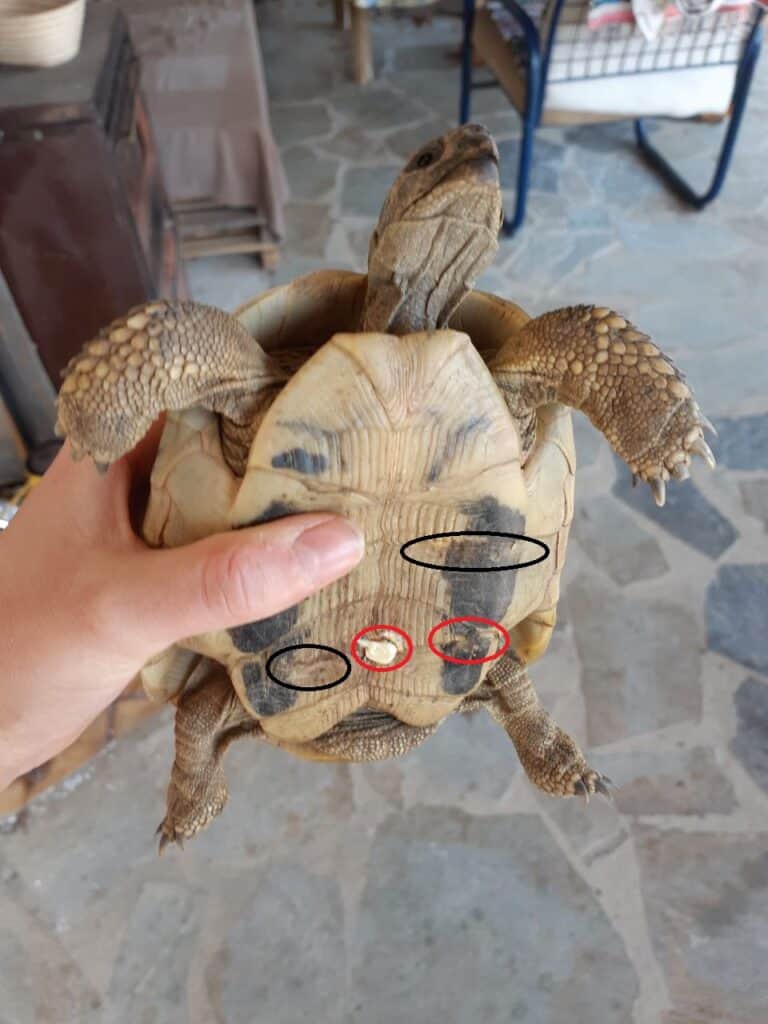
Both turtles and tortoises can make for intriguing pets, but potential owners should understand their specific care needs. Turtles require aquatic habitats with appropriate lighting and filtration systems, while tortoises need spacious, secure enclosures that replicate their natural environment. Prospective owners must be prepared for a long-term commitment, considering the longevity of these reptiles.
Myths and Misconceptions

There are many myths about turtles and tortoises, such as the notion that they can abandon their shells—a falsehood as their shells are integral to their anatomy. Additionally, both are often mistaken for each other in media and literature, despite their notable differences. Dispelling these misconceptions helps in understanding and appreciating their unique qualities.
Role in Ecosystems: Balance and Biodiversity

Turtles and tortoises play crucial roles in maintaining ecosystem balance. Aquatic turtles contribute to aquatic health by controlling vegetation growth and serving as prey for larger predators. Tortoises aid in seed dispersion and creating habitats for other species through their burrowing activities. Their presence is integral to the biodiversity of their habitats.
Scientific Classification: A Brief Overview
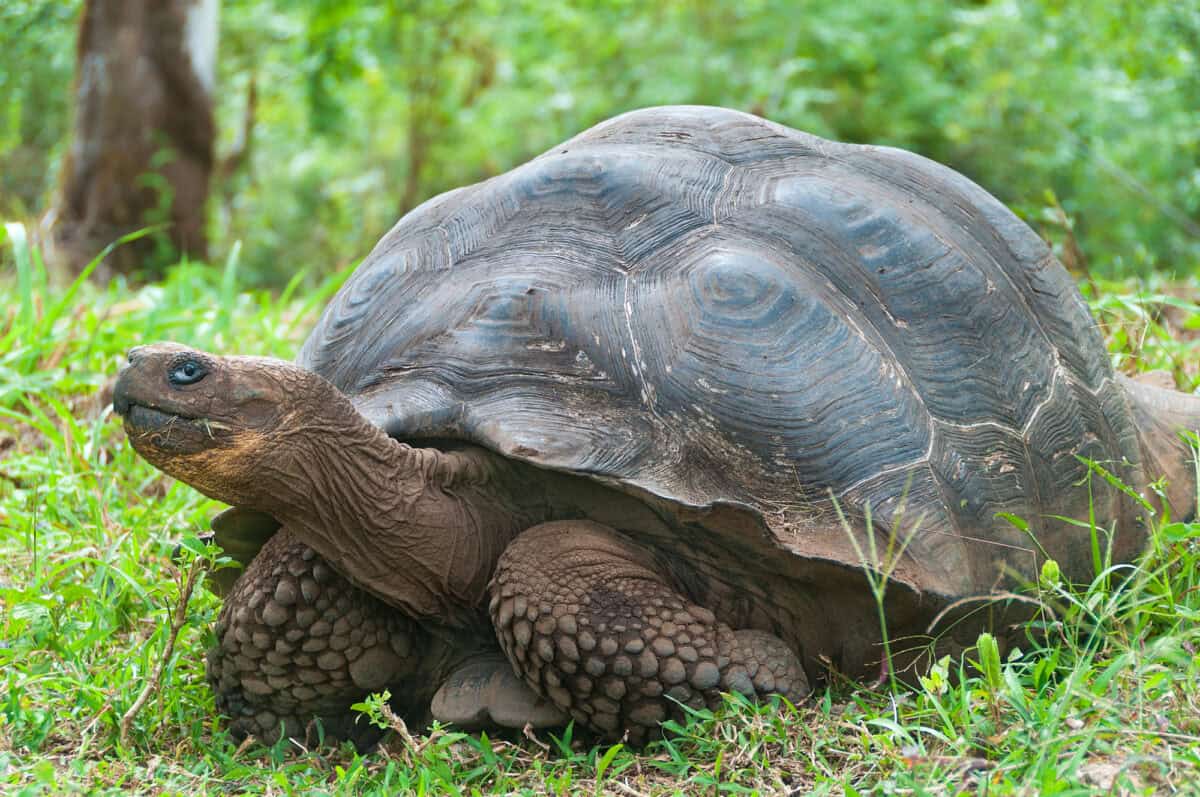
In terms of taxonomy, both turtles and tortoises fall under the class Reptilia and order Testudines. However, they belong to different families, with tortoises classified under Testudinidae and most turtles under different families based on their habitat type, such as Cheloniidae (sea turtles) and Emydidae (pond and marsh turtles).
Understanding the differences between turtles and tortoises enriches our appreciation of these remarkable reptiles. Their unique adaptations, behaviors, and ecological roles highlight the diversity of life on our planet. By recognizing and respecting their distinctive needs and contributions, we can better support their conservation and coexistence alongside humans.

- This Lizard Can Breathe Underwater - July 22, 2026
- The Wild Horses of North Carolina’s Coast - July 22, 2026
- These Creatures Can Freeze Themselves to Survive - July 22, 2026