


Elephants are majestic creatures that have fascinated humans for centuries. Known for their intelligence, empathy, and impressive size, these gentle giants embody a combination of strength and gentleness that is rarely seen in the animal kingdom. But what is it about elephants that earns them the affectionate nickname “gentle giants”?
History of the Gentle Giant Term

The term “gentle giant” is often used to describe creatures that, despite their formidable size, exhibit a calm and gentle demeanor. For elephants, this term is particularly apt. Historically, elephants have been depicted in various cultures as symbols of peace and wisdom. Ancient texts and folklore often highlight their noble and gentle nature, despite their physical might.
Impressive Physical Attributes

Elephants are the largest land mammals on Earth. Male African elephants can weigh between 4,500 to 6,800 kg (10,000 to 15,000 pounds) and stand up to 3.3 meters (10 feet) tall at the shoulder. Despite their massive size, elephants move with grace and are capable of delicate tasks, like picking up small objects with their trunks or carefully avoiding stepping on smaller creatures.
Extraordinary Intelligence

Elephants are highly intelligent animals with a brain structure similar to that of humans. They have a strong capacity for problem-solving, memory, and learning. Studies have shown that elephants can recognize themselves in a mirror, a sign of self-awareness, which is a rare trait in the animal kingdom. Their cognitive abilities have been associated with their need to manage social relationships and navigate complex environments.
Remarkable Memory

Elephants are renowned for their exceptional memory. They can remember locations of waterholes, the voices of different members of their herd, and changes in their physical environment. This long-term memory is crucial for survival, especially in the African savannas and Asian forest habitats where elephants live, providing them with the ability to recall resources in times of scarcity.
Strong Social Bonds

Elephants are highly social animals that live in close-knit family groups. These groups typically consist of related females and their offspring, known as herds, led by the eldest female or matriarch. The social structure of elephants is complex, involving intricate communication through vocalizations, gestures, and touch. The bonds among herd members are strong, with individuals showing supportive behaviors such as babysitting, cooperative defense, and empathy towards one another.
Empathy and Emotional Sensitivity

One of the most compelling reasons elephants are known as gentle giants is their apparent capacity for empathy. Elephants have been observed showing concern for injured or distressed members of their herd. They exhibit behaviors that suggest emotional awareness, such as mourning the loss of a herd member and reacting to the distress calls of other elephants, sometimes even beyond their immediate family group.
Gentleness and Care for the Young

Elephant mothers and other females in the herd demonstrate extraordinary gentleness and care for the young. Calves are nurtured with affection and taught essential survival skills by the older elephants. The entire herd participates in raising the young, and females often help each other during calving, indicating high levels of cooperative care.
Trunk: A Tool of Precision

Elephants use their trunks with impressive precision, despite its massive size and strength. The trunk is not only an incredible tool for feeding, drinking, and social interaction, but it is also used delicately to caress and comfort other elephants. Its versatility ranges from uprooting trees to picking tiny blades of grass, demonstrating the gentle yet strong nature of these animals.
Role in Ecosystems

Elephants are considered keystone species in their ecosystems, meaning they play a crucial role in maintaining the ecological balance. Through their movements and feeding habits, they help shape landscapes, disperse seeds, and create habitats for other species. Their gentle actions have far-reaching positive effects on biodiversity and environmental health.
Conservation Status

Despite their gentle nature, elephants face numerous threats that have put them in peril. Poaching for ivory, habitat destruction, and human-wildlife conflict have led to declining elephant populations. Efforts around the world are underway to protect these magnificent creatures and preserve their habitats, ensuring that they continue to grace our planet as symbols of strength and peace.
Human-Elephant Relationship
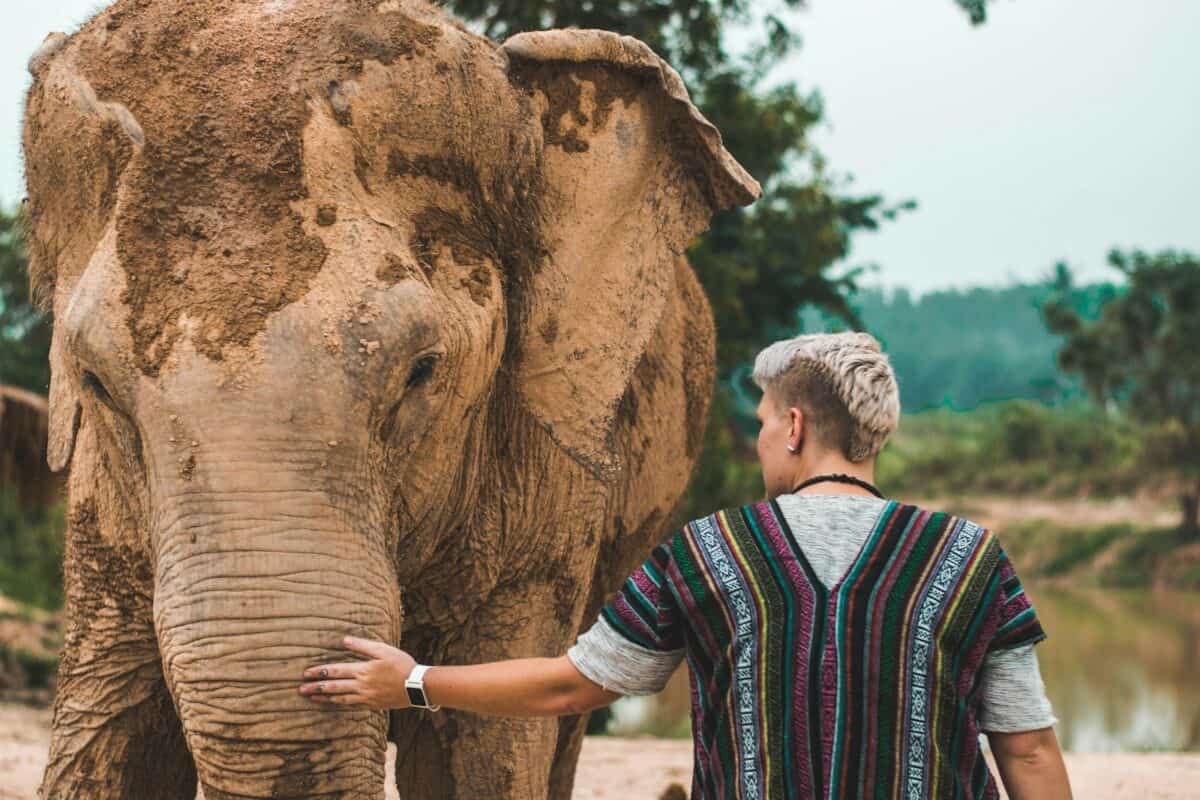
Humans have long admired elephants for their unique attributes and have sought to understand and coexist with them. Throughout history, elephants have been used in warfare, labor, and tourism. Today, there is a growing emphasis on ethical interactions, focusing on conservation, education, and the humane treatment of elephants.
The Future of Elephants
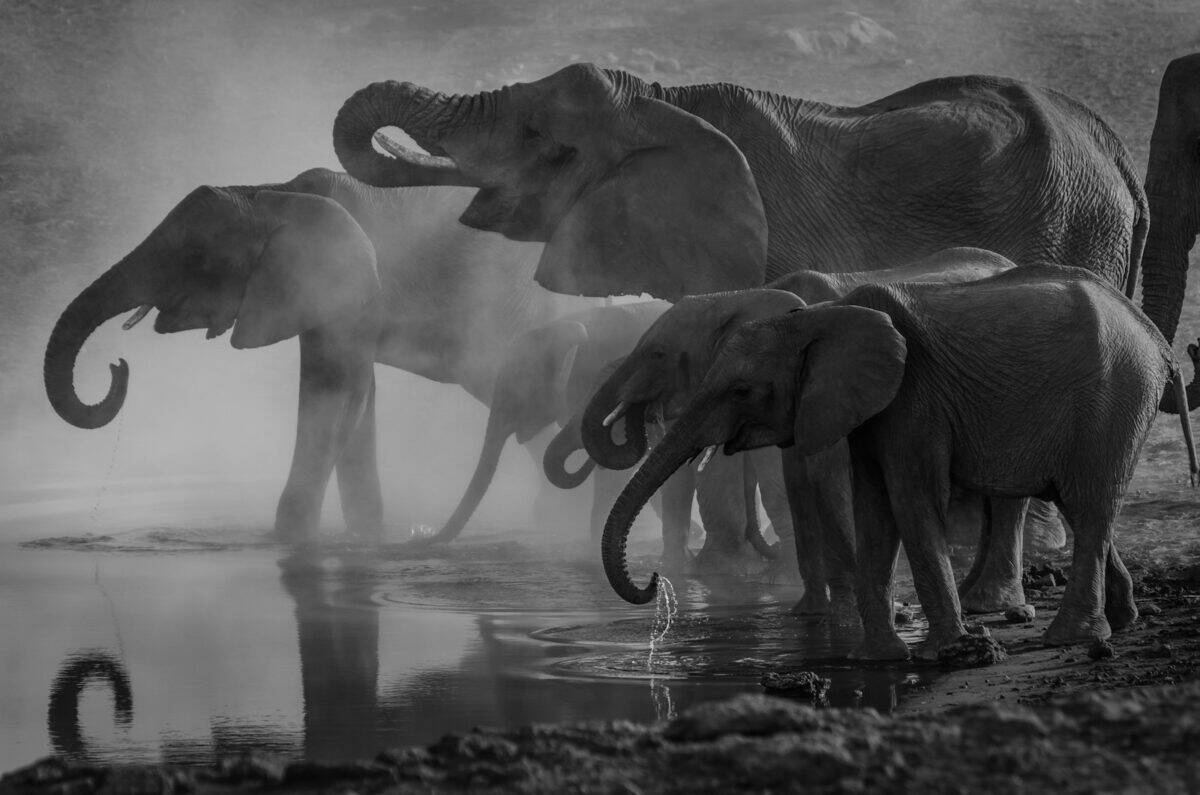
The future of elephants depends greatly on our efforts to protect and conserve their populations and habitats. With increased awareness and action, humans can contribute to the survival of these gentle giants, ensuring that they continue to thrive and inspire generations to come with their grace, intelligence, and quiet strength.
In conclusion, elephants truly are the epitome of gentle giants. Their combination of intellect, empathy, and strength creates a harmonious balance that few other animals can claim. As we continue to learn about and protect these incredible creatures, let their gentle ways serve as a reminder of the importance of empathy and cooperation, both within their world and ours.

- What’s Hiding in the Forests of the Pacific Northwest - July 21, 2026
- Tarsiers: The Tiny Primates with Giant Eyes - July 21, 2026
- Are Zoos Still Ethical in 2025? - July 21, 2026