


Wildlife trafficking represents one of the most lucrative illegal trades globally, estimated at $23 billion annually according to the United Nations Environment Programme. This devastating industry not only threatens biodiversity and pushes countless species toward extinction but also undermines conservation efforts worldwide. Behind the staggering statistics are real animals—millions of them—torn from their natural habitats each year to supply black markets for exotic pets, traditional medicine, fashion, and entertainment. This article explores the 14 most trafficked animals around the world, examining why they’re targeted, how trafficking impacts their populations, and what conservation efforts are underway to protect them.
14. Pangolins The World’s Most Trafficked Mammal

Pangolins hold the unfortunate distinction of being the world’s most trafficked mammal, with over 1 million estimated to have been poached from the wild in the past decade. These unique, scale-covered mammals are hunted primarily for their keratin scales, which are used in traditional Chinese medicine despite having no proven medicinal value. Their meat is also considered a delicacy in parts of Asia. All eight pangolin species are now listed as threatened on the IUCN Red List, with four categorized as Critically Endangered. In 2016, CITES (Convention on International Trade in Endangered Species) elevated all pangolin species to Appendix I, granting them the highest level of protection against international trade. Despite these protections, illegal trafficking continues at alarming rates, with seizures of pangolin scales reaching record highs in recent years.
13. Elephants Victims of the Ivory Trade

Despite international bans on ivory trade, elephants remain among the world’s most trafficked animals. An estimated 20,000 African elephants are killed annually for their ivory tusks, which can fetch up to $1,500 per pound on the black market. The demand comes primarily from China and Southeast Asia, where ivory is carved into ornaments, jewelry, and other luxury items symbolizing wealth and status. Beyond ivory, elephants are also targeted for their skin, meat, and body parts used in traditional medicine. The ongoing poaching crisis has devastating effects on elephant populations: the African elephant population has declined by over 30% in the last decade alone, while Asian elephant numbers have dropped by an estimated 50% over the past three generations. Beyond the immediate conservation impact, elephant poaching disrupts complex social structures within herds and can leave traumatized young elephants orphaned.
12. Rhinos Horns Worth More Than Gold

Rhino horn has become one of the most valuable commodities on earth, commanding prices up to $60,000 per kilogram—more than gold or cocaine. This staggering black market value has driven rhino poaching to crisis levels. The horn, made of keratin (the same material as human fingernails), is prized in traditional Asian medicine and as a status symbol, particularly in Vietnam and China. Since 2008, more than 8,000 rhinos have been killed for their horns in Africa alone. The consequences have been catastrophic: the Western black rhino was declared extinct in 2011, and the Northern white rhino is functionally extinct with only two females remaining. Three of the five rhino species worldwide are now critically endangered. Conservation efforts include dehorning rhinos (though poachers often kill dehorned rhinos anyway), armed anti-poaching units, and captive breeding programs. Some conservationists also advocate for controlled legal trade to reduce black market demand, though this remains highly controversial.
11. Tigers Declining Numbers Due to Multiple Threats
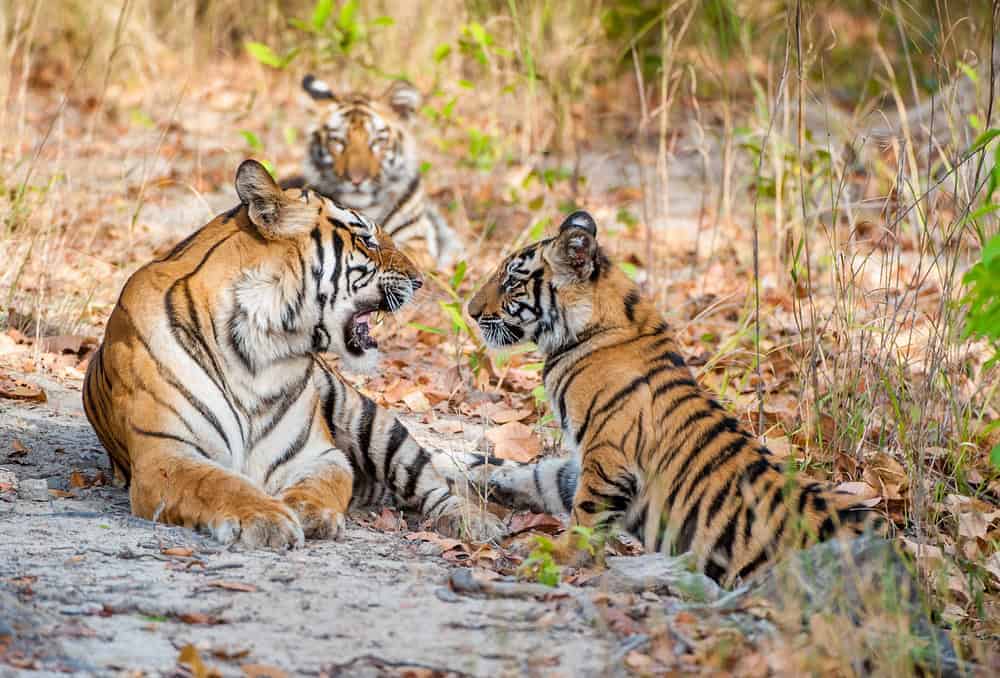
With fewer than 4,000 tigers remaining in the wild, these iconic big cats face severe trafficking pressure. Nearly every part of a tiger has value on the black market, with a single tiger potentially worth up to $50,000 when sold in parts. Tiger bones, whiskers, and other body parts are used in traditional medicine, primarily in China and Southeast Asia. Tiger skins become luxury decorations, and tiger teeth and claws are fashioned into jewelry and amulets. Additionally, live tigers are trafficked for private collections, roadside zoos, and entertainment venues, with cubs particularly valuable in the pet trade. The trafficking pressure comes on top of habitat loss, which has reduced tiger territory by over 95% from historical ranges. Of the nine tiger subspecies that once roamed Asia, three have gone extinct in the past century. Conservation programs like India’s Project Tiger have helped some populations recover, but trafficking remains a persistent threat across the species’ range.
10. Sea Turtles Endangered for Shells and Eggs

All seven species of sea turtles are threatened by trafficking, with hawksbill and green turtles facing particularly severe pressure. Hawksbill turtles are hunted extensively for their beautiful shells (often called “tortoiseshell”), which are used to create jewelry, ornaments, and luxury items. A single hawksbill shell can sell for thousands of dollars on black markets. Green sea turtles are targeted primarily for their meat and cartilage, which is used in turtle soup, a delicacy in some cultures. Additionally, sea turtle eggs are collected from nesting beaches worldwide, with a single nest containing up to 100 eggs that might sell for $5-10 each. This multi-faceted trafficking has contributed to population declines of more than 90% for some sea turtle species over the past century. Conservation efforts include protected nesting beaches, “headstarting” programs that raise hatchlings until they’re less vulnerable, and international agreements like the Inter-American Convention for the Protection and Conservation of Sea Turtles.
9. Parrots The Colorful Victims of the Pet Trade
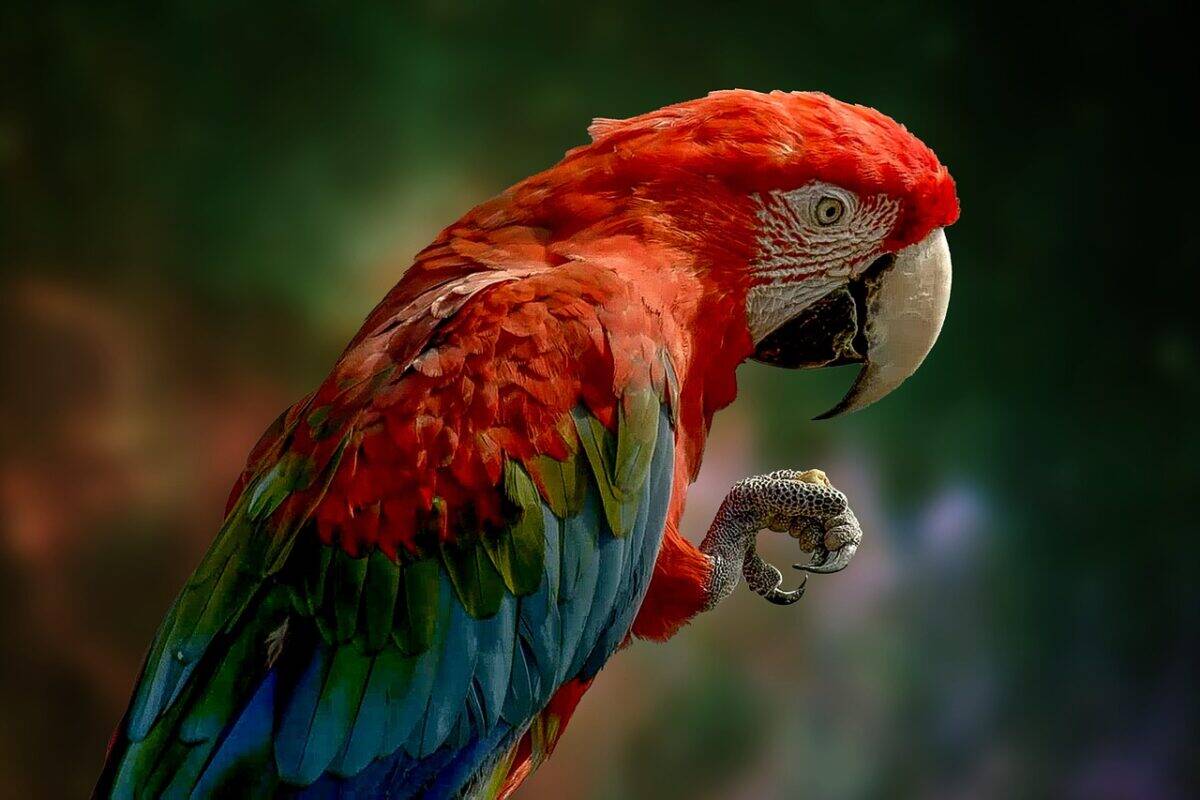
The illegal pet trade has devastated parrot populations worldwide, with an estimated 2-5 million birds trapped annually for the global cage bird market. Their intelligence, longevity, and vibrant colors make them particularly desirable pets, but these same qualities make their capture especially cruel. Mortality rates during capture and transport are staggering—for every bird that reaches the pet market, an estimated 1-3 birds die along the way. The African grey parrot, prized for its exceptional intelligence and ability to mimic human speech, has seen population declines of up to 99% in some regions. Similarly, the scarlet macaw and hyacinth macaw of South America have lost significant portions of their populations to trafficking. Beyond the immediate conservation impact, the removal of these seed-dispersing birds disrupts forest ecosystems. Some successful conservation programs include sustainable community-based breeding programs, which provide economic alternatives to wild trapping, and stricter enforcement of CITES regulations.
8. Bears Exploited for Bile and Parts

Bear trafficking operates on multiple fronts, with Asiatic black bears and sun bears facing the most severe pressure. The bear bile industry, centered in China and Southeast Asia, keeps thousands of bears in “bile farms”—facilities where bears are kept in small cages and have their gallbladders regularly drained for bile, which contains ursodeoxycholic acid used in traditional medicine. Wild bears are continuously poached to supply these farms and direct medicinal use. Beyond bile, bear paws are considered a delicacy in parts of Asia, selling for hundreds of dollars per paw. Additionally, bear cubs are captured for the exotic pet trade and entertainment industry. The combined trafficking pressure has reduced sun bear populations by more than 30% in the past three decades. Conservation efforts include sanctuary development for rescued bears, synthetic bile alternatives, and education campaigns in consumer countries. The organization Animals Asia has successfully worked with Vietnamese authorities to end bear bile farming in that country, though it continues elsewhere.
7. Primates From Pet Trade to Traditional Medicine
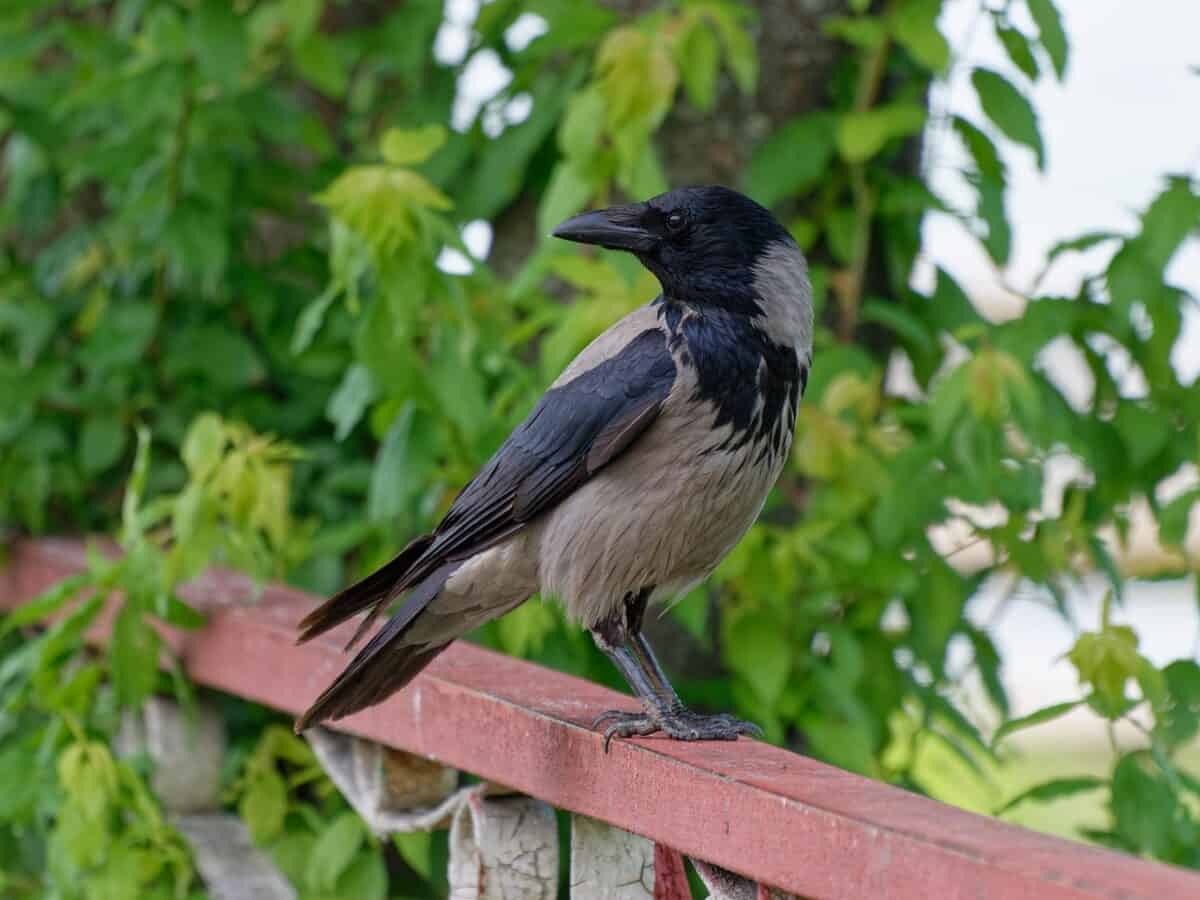
Primates face diverse trafficking threats across their range, with an estimated 15,000 primates entering illegal trade annually. The exotic pet trade targets numerous species, with infant great apes particularly valuable—a baby chimpanzee or orangutan can sell for $25,000 or more. Obtaining these infants typically involves killing the mother and other protective group members, causing devastating impacts on social species. Beyond the pet trade, primates are trafficked for biomedical research, entertainment, traditional medicine, and bushmeat. The consequences are severe: of the 634 primate species and subspecies worldwide, about 60% are now threatened with extinction, with trafficking as a significant factor for many. The slow reproductive rates of primates make populations particularly vulnerable to over-exploitation. Conservation approaches include habitat protection, anti-poaching patrols, sanctuary development for confiscated animals, and demand reduction campaigns in consumer countries. Some innovative programs have successfully transitioned former poachers into paid wildlife guardians.
6. Sharks and Rays Victims of the Fin Trade

The shark fin trade represents one of the most environmentally devastating wildlife trafficking industries, with an estimated 73-100 million sharks killed annually for their fins. The fins are primarily used in shark fin soup, a luxury dish in Chinese cuisine that can command prices up to $100 per bowl. The practice of shark finning—removing fins and discarding the still-living shark—is particularly cruel and wasteful. Manta and mobula rays face similar threats for their gill plates, which are used in some traditional Asian medicines. The consequences have been catastrophic for marine ecosystems: one-third of open ocean sharks and rays now face extinction, according to the IUCN. As apex predators, sharks play crucial roles in maintaining marine ecosystem balance; their removal causes cascading effects throughout food webs. Conservation efforts include shark fin trade bans in several countries, shark sanctuaries that prohibit commercial shark fishing, and consumer awareness campaigns that have reduced shark fin soup consumption in China by up to 80% in recent years.
5. Reptiles The Exotic Pet and Fashion Industries’ Target

Reptiles represent the most numerically trafficked vertebrates globally, with millions taken from the wild annually for the exotic pet trade, fashion industry, and traditional medicine. The pet trade particularly targets rare, colorful, and unusual species, with some commanding extraordinary prices—a rare albino ball python can sell for over $15,000, while an endangered ploughshare tortoise may fetch $50,000. The fashion industry drives demand for snakes, lizards, and crocodilians, whose skins become luxury handbags, shoes, and accessories. This multi-faceted trafficking has pushed numerous species toward extinction; over 20% of reptile species are now threatened, with trafficking as a major factor. The impact extends beyond conservation—reptile trafficking has been linked to the spread of invasive species and zoonotic diseases. Some innovative conservation approaches include “ranching” programs that sustainably harvest some common species to reduce pressure on rarer ones, microchipping valuable specimens, and DNA forensics to trace seized animals to their origin populations.
4. Otters Rising Stars in the Illegal Pet Trade

Otters have emerged as increasingly popular targets for wildlife traffickers over the past decade, driven largely by social media popularity that has fueled demand for them as exotic pets. Small-clawed and smooth-coated otters are particularly affected, with both species now listed as vulnerable or endangered. The pet trade primarily targets otter pups, which are typically taken after their parents are killed. An otter pup can sell for $1,000-$5,000 on black markets, with Japan, Thailand, and Indonesia serving as major destination markets. Beyond the pet trade, otters are also hunted for their pelts and for use in traditional medicine in parts of Asia. The trafficking has contributed to population declines of more than 30% for some otter species in the past 30 years. Conservation responses include increased CITES protections granted in 2019, awareness campaigns highlighting the unsuitably of otters as pets, and targeted enforcement operations against trafficking networks. Research suggests that otters in the pet trade typically suffer from malnutrition, improper care, and psychological distress.
3. Birds of Prey Valued for Falconry and Status

Eagles, falcons, hawks and other birds of prey face specialized trafficking threats, with the falconry trade in the Middle East driving much of the demand. Prized falconry birds like the saker falcon can sell for tens of thousands of dollars, with the most exceptional specimens commanding prices over $1 million. Eggs and chicks are typically stolen from nests in Central Asia, Russia, and Eastern Europe, then smuggled to destination markets. Beyond falconry, birds of prey are trafficked for traditional medicine, particularly in Africa, and for taxidermy and feather collections. The impact has been severe: the saker falcon is now endangered, having declined by 50% in just two decades. Several vulture species in Africa and Asia have been driven toward extinction partly by trafficking for traditional medicine. Conservation responses include captive breeding programs, artificial nest platforms in protected areas, and CITES trade restrictions. Some innovative approaches involve sustainable harvest programs that allow limited, regulated collection of certain species to reduce illegal take.
2. Corals and Marine Invertebrates The Overlooked Victims

While vertebrate trafficking receives more attention, the illegal trade in corals and marine invertebrates represents a massive conservation challenge. The aquarium trade drives much of this trafficking, with rare corals, anemones, and ornamental shrimp commanding high prices. A single rare Homophyllia (formerly Acanthastrea) lordhowensis coral might sell for over $5,000. Beyond aquariums, corals are trafficked for jewelry and decorative items, while shells from giant clams, nautiluses, and other mollusks become souvenirs and ornaments. The trafficking methods are often particularly destructive—coral reefs may be broken apart or even dynamited to obtain desired specimens. The conservation impact is severe but often underappreciated; some coral species have lost over 80% of their populations, with trafficking as a significant factor. Marine invertebrate trafficking also threatens entire ecosystem functions, as these organisms play key roles in reef building, water filtration, and nutrient cycling. Conservation responses include coral farming initiatives that supply the aquarium trade sustainably, improved traceability systems, and targeted enforcement at major ports and airports.
1. Big Cats Beyond Tigers Jaguars, Lions, and More
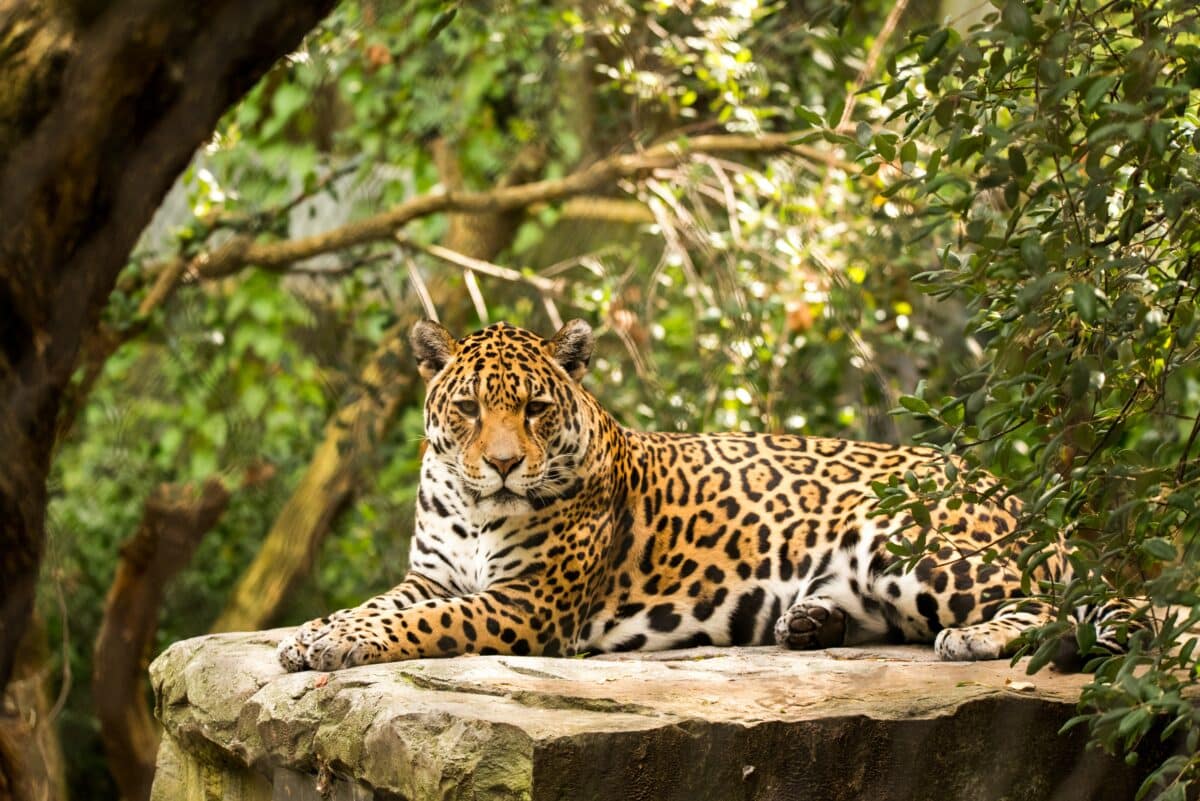
While tigers receive significant conservation attention, other big cats face severe and sometimes overlooked trafficking threats. Jaguars in Latin America have emerged as trafficking targets in the past decade, with teeth, claws, and bones increasingly substituting for tiger parts in Asian markets. A jaguar can yield parts worth up to $20,000 on the black market. Lions face similar pressure, with bones exported primarily to Asia for traditional medicine and “tiger wine” production. Snow leopards are hunted for their magnificent pelts, which can sell for thousands of dollars. The cheetah faces a unique threat: cubs are extensively trafficked for the exotic pet trade, particularly to the Gulf states, where they serve as status symbols. An estimated 300 cheetah cubs are smuggled from the Horn of Africa annually, with most dying during transit. Conservation responses include increased patrol efforts in protected areas, community conservation programs that provide economic alternatives to poaching, and targeted demand reduction campaigns in consumer countries.
Conclusion:

Wildlife trafficking represents one of our era’s greatest conservation challenges, threatening species across every continent and ocean. Beyond the direct impact on animal populations, trafficking undermines governance, funds criminal networks, and deprives local communities of natural resources and sustainable income opportunities. While the statistics and trends can seem overwhelming, there are reasons for hope. Increased international cooperation, innovative technological solutions like DNA forensics and drone surveillance, and growing public awareness are beginning to turn the tide for some species. Perhaps most encouraging is the increasing recognition that effective solutions must address both supply and demand while providing economic alternatives for communities living alongside wildlife. By understanding the scope and specifics of wildlife trafficking, we can better support the multi-faceted approaches needed to combat this devastating trade.

As a little kid, I fell in love with nature, wildlife, and animals. Living in the USA, South Africa, Italy, China and Germany gave me the opportunity to discover the world's Wildlife. My favorite animals are Mountain Gorillas, Siberian Tigers, and Great White Sharks.
I'm a certified PADI Open Water Diver, went to Everest Base Camp and Trekked Gorillas in Uganda. I hold a Master of Science in Economics and Finance.
Please send any feedback to feedback@animalsaroundtheglobe.com
- 13 Cat Breeds That Thrive Indoors - July 29, 2026
- 14 Wildlife Sightings That Made Headlines - July 29, 2026
- Vets Say Avoid These 15 Dog Breeds When Choosing Your First Dog - July 29, 2026