

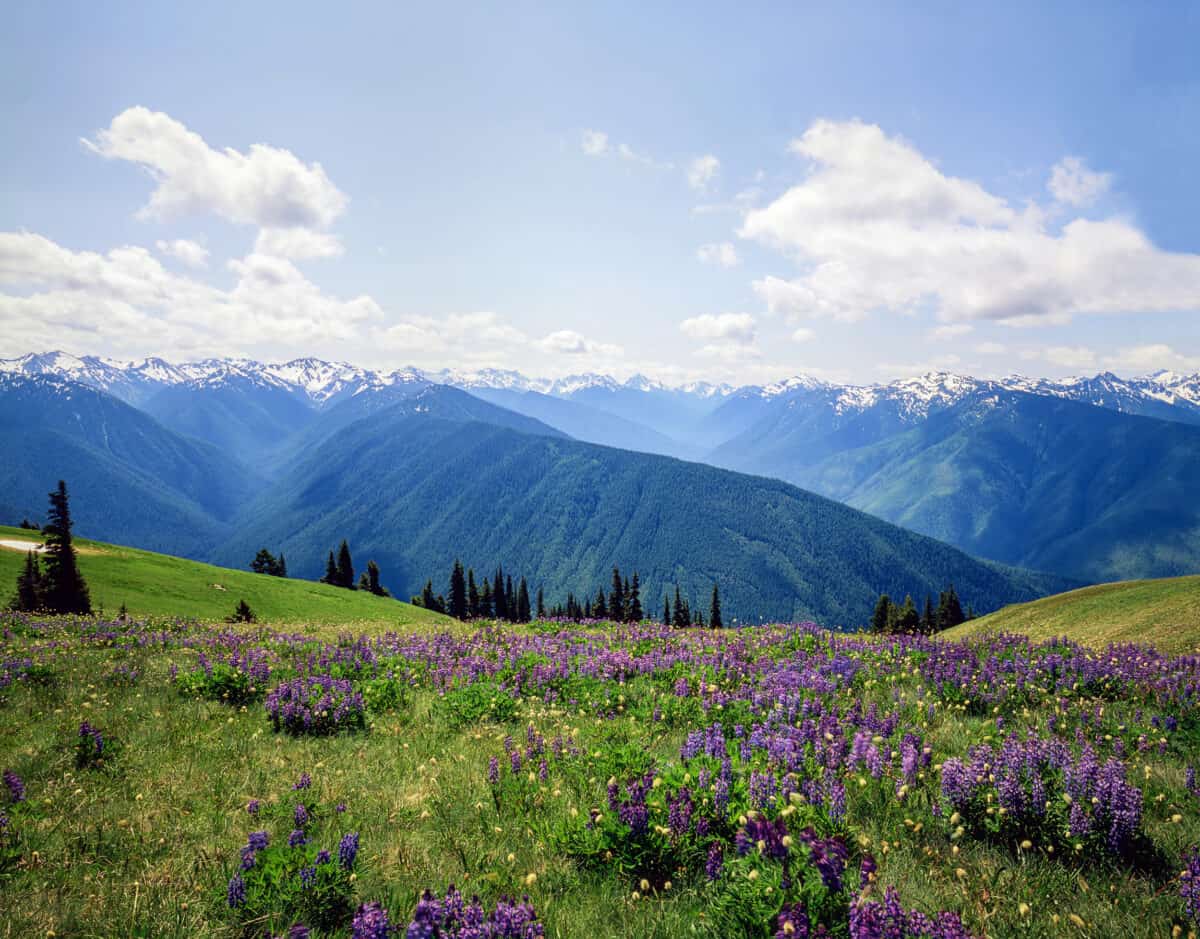
The concept of “older than history” might seem paradoxical, but in the context of American forests, it’s surprisingly apt. While written American history spans just a few centuries, many of our nation’s most remarkable forests have stood witness to millennia of natural history, predating European settlement and even human presence in North America. These ancient woodland sanctuaries harbor trees that began their lives when pyramids were being built, Roman emperors ruled, or indigenous cultures first developed across the Americas. They stand as living monuments to time itself, offering us glimpses into ecological stories that long predate our written records. Join us on a journey through 12 remarkable American forests whose existence transcends our historical timeline, where ancient giants continue to thrive against all odds in our modern world.
Bristlecone Pine Forest, California

High in California’s White Mountains stands what many consider the most ancient forest on Earth. The Bristlecone Pine Forest is home to Pinus longaeva trees that defy our understanding of longevity. The star of this remarkable ecosystem is “Methuselah,” a bristlecone pine estimated to be over 4,850 years old. This means it was already a sapling when the Great Pyramid of Giza was being constructed around 2560 BCE. Even more astonishing is “Prometheus,” a bristlecone that was cut down in 1964 and later discovered to be nearly 5,000 years old—possibly the oldest non-clonal organism ever recorded.
These gnarled, twisted trees survive in harsh alpine conditions at elevations between 10,000 and 11,000 feet. Their extreme longevity is attributed partly to the dense, resinous wood that resists insect infestation, fungal rot, and other threats. The Ancient Bristlecone Pine Forest is protected within the Inyo National Forest, where visitors can witness these living fossils along several interpretive trails. Despite their age, these trees continue to produce viable seeds, ensuring the forest’s continuation for millennia to come.
Giant Sequoia Groves, California
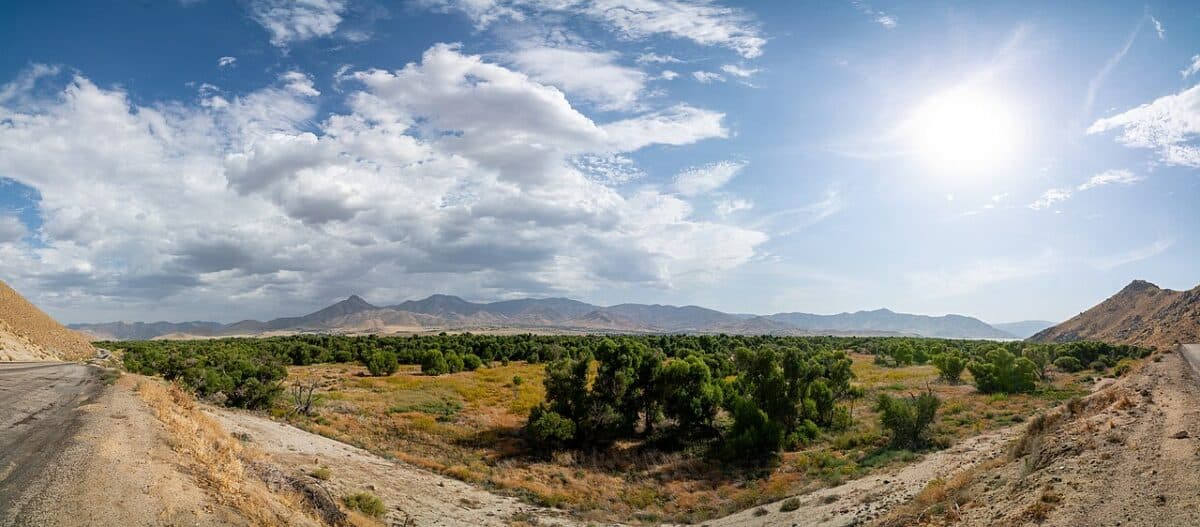
The giant sequoia (Sequoiadendron giganteum) groves scattered throughout California’s Sierra Nevada mountains represent some of the most majestic ancient forests in America. These trees are not just old—they’re enormous, with specimens like the General Sherman Tree standing 275 feet tall with a base diameter exceeding 36 feet. While not as old as the bristlecones, many giant sequoias have lived for over 3,000 years, making them contemporaries of the Trojan War and King Tutankhamun’s reign.
Most of these magnificent groves are protected within Sequoia and Kings Canyon National Parks and the Giant Sequoia National Monument. These forests evolved with fire, developing thick, tannin-rich bark up to two feet thick that provides remarkable fire resistance. Ironically, decades of fire suppression threatened their survival by preventing natural reproduction, as sequoia seeds require fire to open their cones and clear competing vegetation. Today, controlled burns help maintain these ancient ecosystems. The approximately 75 remaining groves represent a forest type that was once much more widespread, with fossil evidence suggesting sequoias previously covered much of the Northern Hemisphere during warmer, wetter periods in Earth’s history.
Redwood National and State Parks, California

Along the misty northern California coast, the coast redwood (Sequoia sempervirens) creates perhaps the most atmospheric ancient forest in America. These relatives of the giant sequoia hold multiple records: they’re the tallest trees on Earth, with specimens surpassing 370 feet, and they can live over 2,000 years. The oldest documented redwoods began growing around the time of the Roman Empire, though most mature trees in today’s forests range from 500-1,000 years old due to extensive logging in the 19th and 20th centuries.
What makes these forests truly ancient is not just individual tree age but the ecosystem itself. Coast redwoods reproduce through both seeds and clonal sprouts from roots or stumps, creating genetic continuity that can span tens of thousands of years. The forest ecosystem, with its characteristic fog-capturing canopy that creates its microclimate, has remained essentially unchanged for millions of years. Fossil evidence indicates that redwoods have existed for over 200 million years, making the forest type one of the oldest continuously surviving ecosystems on the planet. When walking among these giants, visitors experience a living connection to the Jurassic period when dinosaurs roamed beneath similar trees.
Tongass National Forest, Alaska

The Tongass National Forest in southeastern Alaska is America’s largest national forest and contains some of the most pristine old-growth temperate rainforest remaining on Earth. This 16.7-million-acre expanse harbors Sitka spruce, western hemlock, and western red cedar trees that commonly reach ages of 500-700 years. Individual trees exceeding 1,000 years have been documented, particularly among the cedars whose rot-resistant heartwood allows them to persist even in the region’s extremely wet conditions.
What makes the Tongass particularly special is its continuity—portions of this forest have remained intact since the retreat of glaciers approximately 10,000 years ago. Some forest stands show evidence of uninterrupted development for over 5,000 years. The forest’s intricate ecosystem includes salmon streams, wetlands, and unique karst formations that support endemic species found nowhere else. Indigenous Tlingit, Haida, and Tsimshian peoples have inhabited and sustainably utilized these forests for thousands of years, with cultural connections dating back to time immemorial. The Tongass represents one of the rare instances where human history and forest history have coexisted and co-evolved for millennia without major disruption until the advent of industrial logging in the 20th century.
Olympic National Park, Washington

The temperate rainforests of Olympic National Park represent some of the wettest ecosystems in the continental United States, receiving up to 150 inches of annual rainfall. This moisture supports a primeval forest dominated by Sitka spruce, western hemlock, western red cedar, and Douglas fir, with individual trees commonly reaching ages of 500-1,000 years. The oldest verified trees in these forests exceed 1,200 years of age, meaning they were seedlings before the Viking Age began in Europe.
What distinguishes Olympic’s forests is their structural complexity and biomass. These forests contain more living organic material per acre than almost any ecosystem on Earth, including tropical rainforests. The Hoh, Quinault, and Queets river valleys contain old-growth stands that have remained undisturbed by major fires or human intervention for over 3,000 years, creating a continuous ecological record throughout that period. The forest floor is often covered with nurse logs—fallen trees that provide germination sites for new seedlings, creating distinctive rows of trees that grew upon their predecessors centuries ago. This unbroken cycle of growth, death, and regeneration makes these forests living museums of ecological processes that predate European contact with North America by thousands of years.
Humboldt Redwoods State Park, California

Humboldt Redwoods State Park protects the world’s largest remaining contiguous old-growth coast redwood forest, including the legendary Rockefeller Forest—the finest remaining example of primeval redwood ecosystem. While many redwood areas were heavily logged, this 10,000-acre sanctuary survived largely due to its inaccessibility and later conservation efforts. Trees in this forest commonly reach ages of 1,200-1,500 years, with some specimens potentially exceeding 2,000 years. That places their germination around the time of Christ or earlier.
Perhaps most remarkable about Humboldt’s ancient forest is its ecological completeness. Unlike many preserved groves that are essentially island remnants, this substantial forest maintains intact relationships between trees, understory plants, and wildlife that have evolved together over millions of years. The park’s Avenue of the Giants provides rare accessibility to this ancient ecosystem, allowing visitors to experience what much of the northern California coast looked like for millennia before European settlement. The forest contains trees that were mature when indigenous peoples first developed sophisticated cultures in the region, creating a living link to both natural and human history that predates written records in North America.
Congaree National Park, South Carolina

While many think of the American South as thoroughly transformed by human activity, the floodplain forest of Congaree National Park stands as a remarkable exception. This park protects the largest tract of old-growth bottomland hardwood forest remaining in the United States. Though individual trees here don’t match the extreme ages of western conifers, the forest includes bald cypress trees exceeding 1,000 years old and a diverse mix of oaks, hickories, and other hardwoods commonly reaching 400-700 years of age.
What makes Congaree special is that it represents an ecosystem type that once covered millions of acres across the southeastern United States but has been reduced by over 95% due to logging and land conversion. The forest has survived in this location because periodic flooding made logging operations difficult, preserving an ecological window into pre-Columbian America. The park contains some of the tallest deciduous trees in the world, including champion specimens of loblolly pine and sweetgum that approach 170 feet tall. Indigenous peoples inhabited and utilized this floodplain ecosystem for thousands of years before European contact, making it a living connection to both natural and human histories that predate written records in the region.
Big Thicket National Preserve, Texas
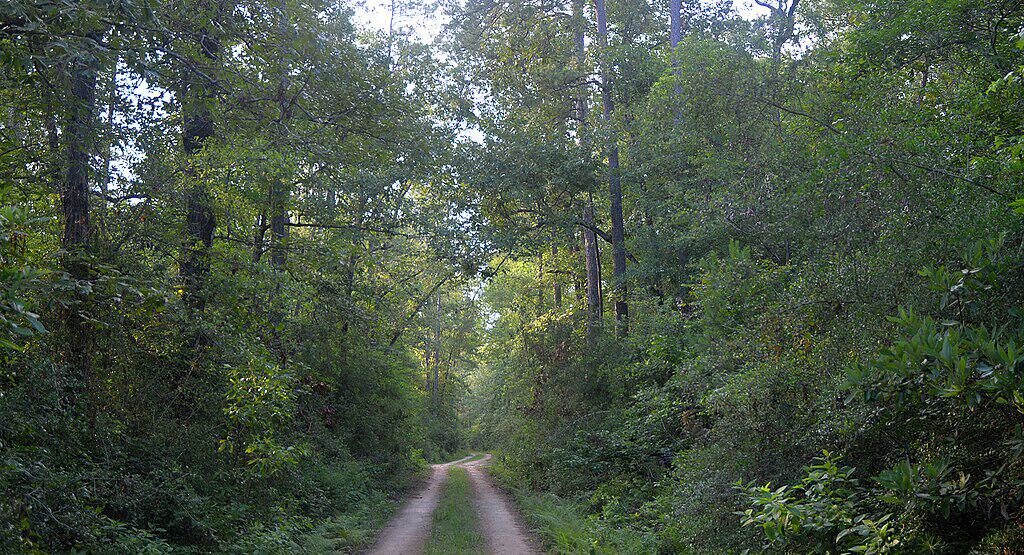
Often called the “American Ark” due to its remarkable biodiversity, Big Thicket National Preserve protects remnants of an ancient forest ecosystem that once covered much of East Texas and western Louisiana. This biodiverse convergence zone harbors plant communities from southeastern swamps, eastern forests, central plains, and southwestern deserts all within close proximity. While many areas were heavily logged in the 19th and early 20th centuries, protected sections contain bald cypress trees exceeding 1,000 years old and longleaf pines commonly reaching 300-400 years.
The forest’s age extends beyond individual trees to the ecosystem itself. Pollen records show that the basic composition of the Big Thicket has remained relatively stable for over 16,000 years, since the end of the last ice age, making it one of the oldest continuously existing forest ecosystems in North America. The preserve’s unique character comes from this incredible stability and diversity—within a single day, visitors can explore cypress-tupelo swamps, longleaf pine savannas, beech-magnolia slopes, and pitcher plant bogs. Indigenous Caddo, Atakapa, and other cultures inhabited these forests for thousands of years before European settlement, utilizing the rich resources of an ecosystem substantially older than human presence in the region.
Great Smoky Mountains National Park, Tennessee/North Carolina

The Great Smoky Mountains contain the largest tract of old-growth forest in the eastern United States, with approximately 100,000 acres of never-logged woodland. While most trees in the park are second-growth due to extensive logging in the late 19th and early 20th centuries, the protected old-growth stands contain eastern hemlocks, tulip poplars, and various oak species commonly reaching 400-500 years of age. The oldest trees documented in the park include eastern hemlocks exceeding 900 years old—meaning they were already mature when European explorers first reached North America.
What makes the Smokies’ ancient forests truly remarkable is their diversity. The park contains over 100 native tree species—more than all of northern Europe—and has remained a refugium for temperate forest species for millions of years. During the last ice age, when glaciers forced northern forests southward, the Smokies’ varied elevation and topography provided habitat where species could survive. This continuous forest presence has existed for over 100 million years, making it one of the oldest continuously forested regions on the continent. Cherokee and earlier indigenous peoples inhabited these mountains for at least 10,000 years before European contact, creating a cultural landscape intertwined with one of North America’s most ancient forest ecosystems.
El Yunque National Forest, Puerto Rico
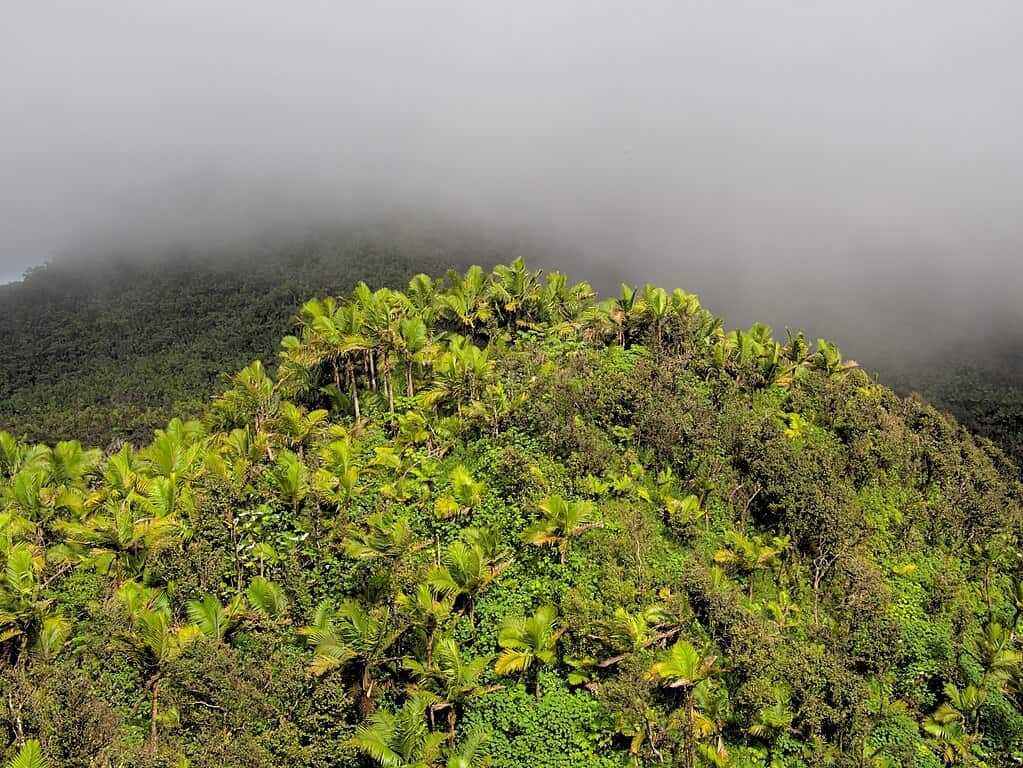
As the only tropical rainforest in the U.S. National Forest System, El Yunque presents a different type of ancient forest. While individual trees here don’t match the extreme ages found in temperate forests due to faster decomposition in the tropics, the forest ecosystem itself has existed continuously for millions of years. The oldest trees in El Yunque include tabonuco (Dacryodes excelsa) specimens estimated at 400-600 years old, meaning they were already mature when Columbus first arrived in the Caribbean.
What makes El Yunque truly ancient is its evolutionary history. This forest has existed as a tropical ecosystem since the island of Puerto Rico first emerged from the ocean approximately 85 million years ago. It represents one of the oldest continuously forested landscapes under U.S. jurisdiction. The forest contains remarkable biodiversity, including numerous endemic species found nowhere else on Earth that have evolved there over millions of years. Indigenous Taíno people considered El Yunque sacred and inhabited the region for over 1,000 years before European contact. When wandering through El Yunque’s misty trails, visitors experience an ecosystem that predates human presence in the Americas by tens of millions of years, making it truly “older than history” in every sense.
Boundary Waters Canoe Area Wilderness, Minnesota

The Boundary Waters Canoe Area Wilderness protects over a million acres of the northern forest ecosystem that once dominated the Great Lakes region. While much of this landscape was logged in the late 19th and early 20th centuries, scattered old-growth stands contain eastern white pines, red pines, and northern white cedars exceeding 400 years of age. The oldest documented trees in the region are northern white cedars growing on cliffs and islands, with specimens verified to be over 900 years old—meaning they were seedlings during the time of the Crusades.
The ancient character of this forest extends beyond individual trees to the ecosystem itself. Since the retreat of glaciers approximately 10,000 years ago, this landscape has maintained a relatively consistent forest cover, with pollen records showing the establishment of the boreal-northern hardwood forest type around 8,000 years ago. Indigenous Ojibwe and earlier peoples have inhabited this region for at least 10,000 years, developing sophisticated techniques for harvesting wild rice, fishing, and utilizing forest resources. What makes the Boundary Waters’ ancient forest unique is its intimate connection with water—thousands of lakes and streams create a mosaic where aquatic and terrestrial ecosystems have co-evolved for millennia, creating one of the most pristine freshwater forest landscapes on the continent.
Grove of the Patriarchs, Mount Rainier National Park, Washington
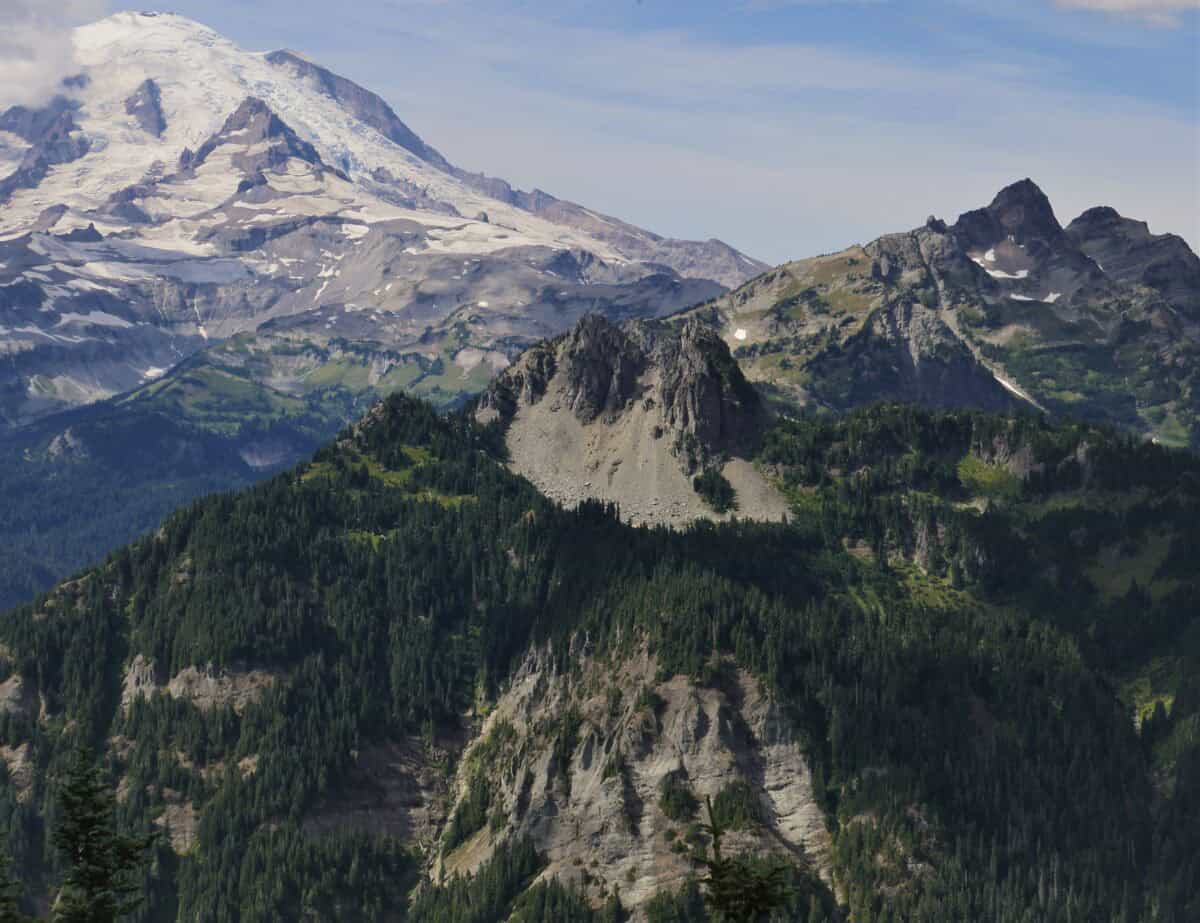
Nestled along the Ohanapecosh River in Mount Rainier National Park, the Grove of the Patriarchs contains some of the oldest and largest trees in the Cascade Range. This alluvial island supports western red cedars, Douglas firs, and western hemlocks estimated to be between 700 and 1,200 years old. The largest trees exceed 12 feet in diameter and stand over 200 feet tall. These giants were already mature trees when the Magna Carta was signed in 1215 CE.
What makes this grove remarkable is its survival despite the region’s volcanic history. Mount Rainier’s periodic eruptions and lahars (volcanic mudflows) have repeatedly transformed surrounding landscapes over thousands of years, yet this island location has remained relatively stable, allowing trees to reach exceptional ages. The grove represents a living connection to the pre-Columbian landscape that indigenous Coast Salish peoples would have known and utilized for centuries before European contact. The trees’ massive size results from the fortunate combination of rich alluvial soil, abundant moisture, and protection from catastrophic fires due to the surrounding river channels. This accessible ancient forest offers visitors a glimpse into the primeval character of Pacific Northwest forests as they existed for millennia before industrial logging transformed much of the region.
Living Witnesses to America’s Ancient Past

These twelve ancient forests represent far more than just collections of exceptionally old trees. They stand as living connections to ecological and geological processes that shaped North America long before human history began to be recorded. From the bristlecone pines that were already ancient when the first European explorers reached American shores to the tropical forests of El Yunque that have persisted since dinosaurs walked the Earth, these forests give us a tangible connection to deep time that few other natural features can match.

As a little kid, I fell in love with nature, wildlife, and animals. Living in the USA, South Africa, Italy, China and Germany gave me the opportunity to discover the world's Wildlife. My favorite animals are Mountain Gorillas, Siberian Tigers, and Great White Sharks.
I'm a certified PADI Open Water Diver, went to Everest Base Camp and Trekked Gorillas in Uganda. I hold a Master of Science in Economics and Finance.
Please send any feedback to feedback@animalsaroundtheglobe.com
- 11 Most Endangered Insects Buzzing in America Today - July 22, 2026
- 10 Most Frequently Googled Animal Birth Facts - July 22, 2026
- 10 Incredible Migration Journeys in the Animal Kingdom - July 22, 2026