

The majestic lynx, with its tufted ears and snowshoe-like paws, is making a remarkable comeback in American forests after decades of decline. Once widespread across northern states, these elusive felines nearly disappeared from the contiguous United States due to trapping, habitat loss, and human encroachment. Today, conservation efforts and natural migration are allowing lynx populations to slowly rebuild in several regions. This recovery represents not just the return of a magnificent predator but also signals improving forest ecosystem health. As these secretive cats pad silently through snowy landscapes once again, their resurgence offers a compelling story of conservation success amid ongoing environmental challenges.
A History of Decline

The North American lynx (Lynx canadensis) was once a common resident across the northern United States, from Washington to Maine. These medium-sized wildcats thrived in boreal and mixed forests where deep winter snows limited competition from other predators. By the early 20th century, however, lynx populations had plummeted due to unregulated fur trapping, as their thick winter coats were highly prized. Between 1900 and 1950, habitat destruction from logging and development further fragmented their range, while predator control programs targeted many native carnivores, including lynx. By the 1970s, breeding populations remained in only a few isolated pockets of the contiguous United States, primarily in Maine, Minnesota, and Montana, with the species effectively extirpated from most of its historical U.S. range.
Physical Characteristics of the North American Lynx
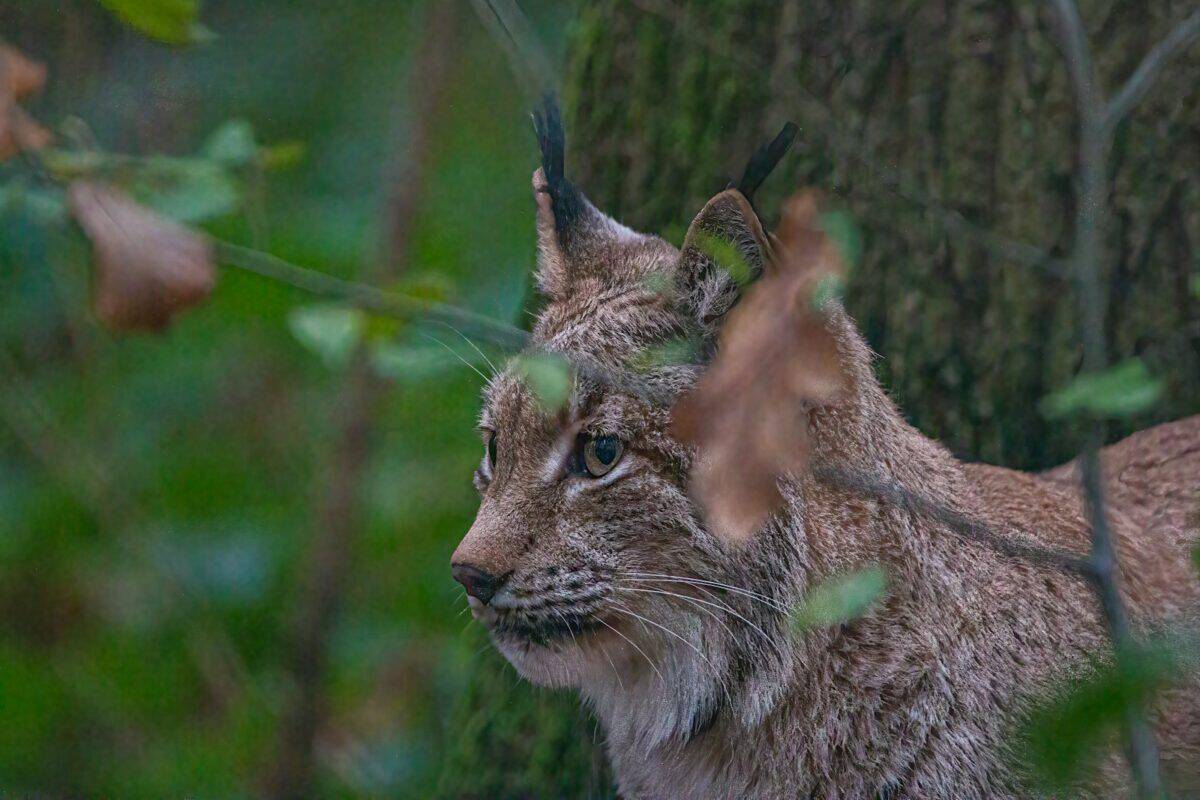
The North American lynx possesses several distinctive adaptations that make it perfectly suited to its northern forest habitat. Weighing between 15-30 pounds, these medium-sized cats stand about 20 inches tall at the shoulder. Their most recognizable features include prominent black ear tufts, a short bobbed tail with a black tip, and oversized paws that act as natural snowshoes, allowing them to traverse deep snow with ease. Their thick, silvery-gray to brown fur provides excellent insulation during harsh winters. Lynx have relatively long legs compared to their body size, with hind legs longer than front legs, giving them a slightly sloped appearance and enabling powerful leaps when hunting. Their facial ruff of fur creates the illusion of a larger, more intimidating head, while their excellent vision and hearing make them formidable predators in low-light forest environments.
The Snowshoe Hare Connection
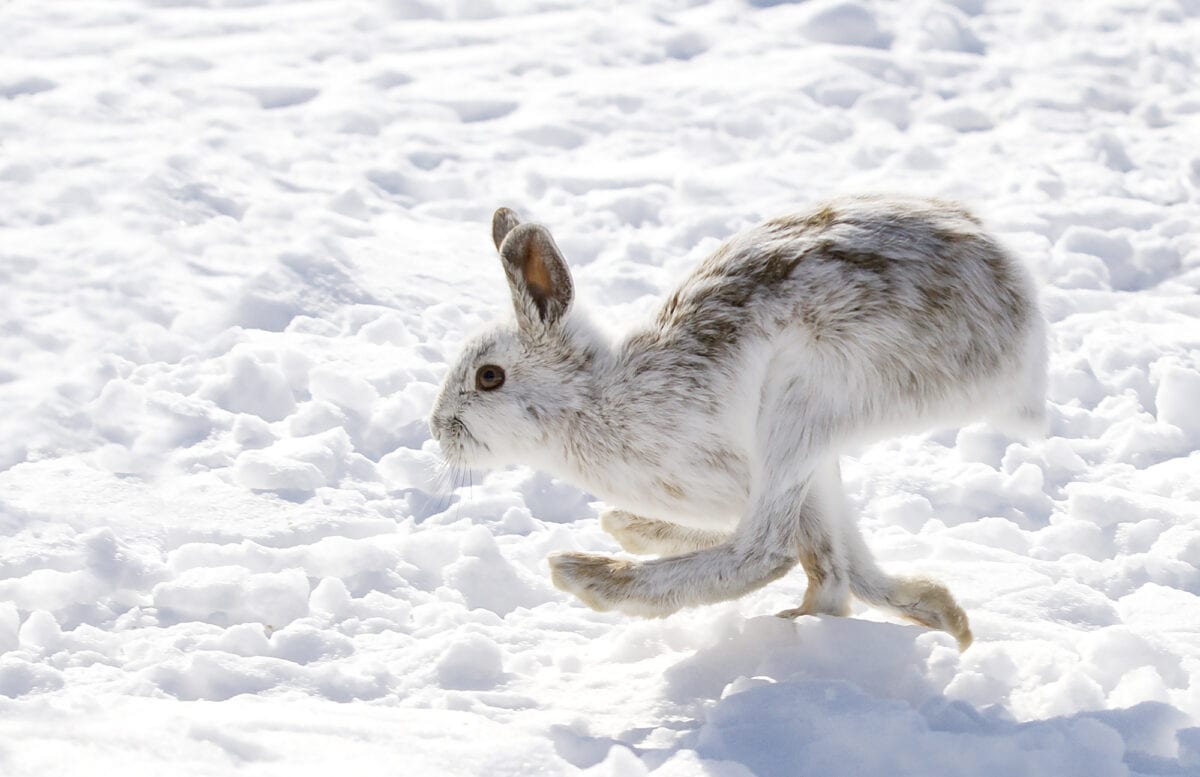
One cannot discuss lynx recovery without understanding their intricate relationship with snowshoe hares. These medium-sized rabbits comprise up to 90% of a lynx’s diet, creating one of nature’s classic predator-prey dependencies. The relationship is so specialized that lynx populations typically follow snowshoe hare abundance with a slight delay—rising and falling in approximately 10-year cycles. When hare populations boom, lynx reproduction increases; when hares decline, lynx numbers follow suit. This ecological dance shapes lynx behavior, habitat selection, and population dynamics. Conservation efforts recognize that successful lynx reintroduction requires healthy snowshoe hare populations, which in turn need specific forest conditions with dense understory vegetation for browse and cover. The return of lynx to U.S. forests thus depends not just on protecting the predator but ensuring its primary prey source thrives as well.
Federal Protection Status

The Canada lynx received crucial federal protection in March 2000 when it was listed as threatened under the Endangered Species Act throughout the contiguous United States. This designation came after years of petitions and legal actions by conservation organizations concerned about dwindling populations. The protected status prohibited intentional trapping or hunting of lynx and required federal agencies to consider lynx habitat in land management decisions. In 2014, the U.S. Fish and Wildlife Service designated 11,584 square miles of critical habitat across six states—Maine, Minnesota, Montana, Idaho, Washington, and Colorado—providing additional safeguards for these areas. The protected status has been instrumental in lynx recovery efforts, though periodic reviews have assessed whether continued listing is warranted. The most recent status review in 2017 recommended maintaining the threatened designation, recognizing ongoing challenges including climate change, which threatens the cold, snowy conditions lynx require.
Colorado’s Reintroduction Success

Colorado stands as perhaps the most notable lynx recovery success story in the United States. Between 1999 and 2006, wildlife officials released 218 lynx captured from Canada and Alaska into the remote mountains of southwestern Colorado. This ambitious reintroduction followed careful habitat assessment and public education campaigns. Initially, biologists were uncertain whether the transplanted cats would establish a self-sustaining population, but monitoring efforts using radio collars confirmed successful reproduction beginning in 2003. By 2010, researchers documented that Colorado-born lynx were themselves reproducing, a critical milestone indicating the population could sustain itself. Today, an estimated 150-250 lynx inhabit Colorado’s high-elevation forests, primarily in the San Juan and Sawatch Ranges. The program’s success demonstrates that with proper planning and habitat protection, lynx can reclaim former territories even after decades of absence.
Natural Expansion in the Northeast
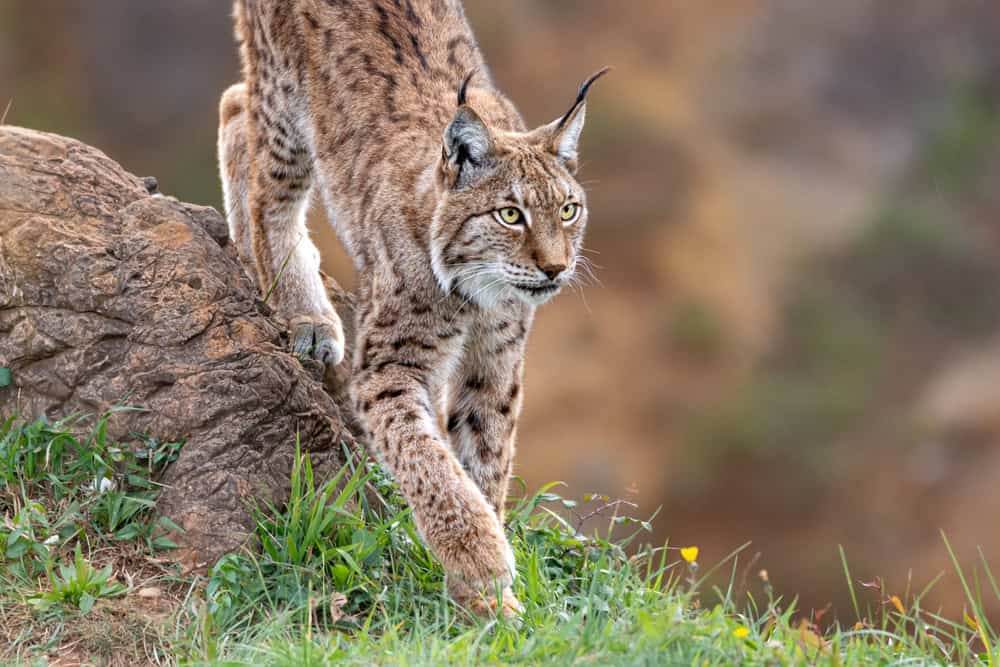
In the northeastern United States, lynx recovery has followed a different pattern, with natural expansion from Canadian populations driving the return. Maine has long maintained a small lynx population, but numbers have increased substantially since the early 2000s. Studies by the Maine Department of Inland Fisheries and Wildlife estimate the state now hosts approximately 1,000 lynx—a remarkable increase from fewer than 200 in the 1990s. This growth stems partly from changing forest conditions; commercial timber harvesting created ideal young forest habitat favored by snowshoe hares. From Maine, lynx have begun recolonizing neighboring New Hampshire and Vermont, with confirmed sightings increasing over the past decade. Camera traps and track surveys have documented lynx presence in the White Mountains of New Hampshire and the Northeast Kingdom of Vermont. Though these outlying populations remain small and vulnerable, they represent an important natural range expansion that strengthens genetic connectivity with Canadian populations.
Western States Recovery Efforts
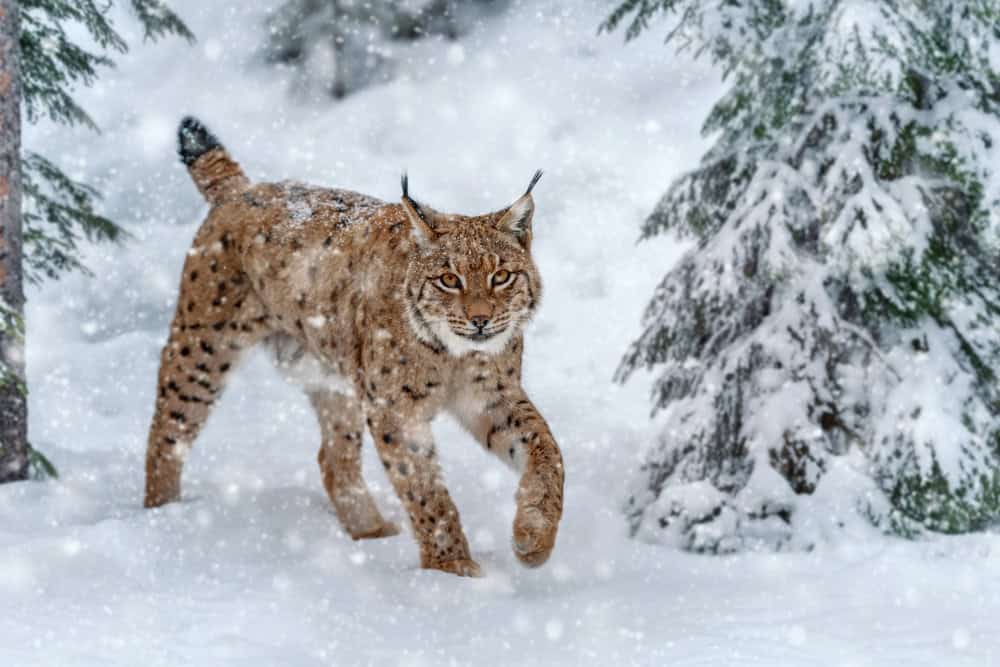
Across the western United States, lynx recovery presents a complex mosaic of success and continuing challenges. Montana maintains the most robust naturally occurring lynx population in the western contiguous U.S., with strongholds in the Seeley-Swan Valley and Cabinet Mountains. Washington state hosts small but persistent lynx populations in the North Cascades, though their numbers have fluctuated due to wildfires affecting habitat quality. Idaho’s lynx primarily occupy the Panhandle region and Salmon-Selway ecosystem, where they benefit from connectivity with Montana populations. Wyoming has documented lynx presence in the Greater Yellowstone Ecosystem and Wyoming Range, though breeding remains sporadic. Conservation efforts in these states focus on maintaining forest connectivity, protecting critical winter habitat, and monitoring population trends. Unlike Colorado’s concentrated reintroduction approach, western recovery relies more heavily on natural dispersal and landscape-scale habitat protection, with an emphasis on maintaining wildlife corridors between existing populations.
Detection and Monitoring Challenges

Tracking the return of a creature as elusive as the lynx presents significant scientific challenges. These secretive cats naturally occur at low densities, prefer remote terrain, and actively avoid human presence, making traditional wildlife survey methods inadequate. Modern lynx monitoring employs a sophisticated toolkit of non-invasive techniques. Remote camera traps stationed along game trails capture photographic evidence without disturbing the animals. Snow tracking surveys after fresh snowfall allow biologists to follow distinctive lynx tracks and collect hair or scat samples for DNA analysis. These genetic samples provide crucial information about population size, relatedness, and overall health. Some studies still utilize GPS collars on a limited number of animals to document movement patterns, habitat selection, and survival rates. Citizen science has also become valuable, with verified public sightings and trail camera photos from hunters and hikers supplementing formal research efforts. Together, these methods help scientists document the quiet return of lynx across their former range.
The Climate Change Threat

Despite encouraging recovery signs, climate change looms as perhaps the greatest long-term threat to lynx reestablishment in the United States. As a cold-adapted species, lynx depend on reliable winter snow conditions that give them a competitive advantage over other predators like coyotes and bobcats. Rising temperatures and decreasing snowpack directly threaten this advantage. Studies project that suitable lynx habitat in the contiguous U.S. could decline by up to 65% by 2100 under current warming scenarios. Changing precipitation patterns also affect forest composition and fire regimes, potentially altering the young forest habitat that supports snowshoe hares. Climate models suggest that the southern portions of current lynx range—including Colorado and parts of the Northeast—may become unsuitable within decades. Conservation strategies increasingly focus on identifying and protecting potential climate refugia—areas where topography and other factors might preserve suitable conditions even as surrounding regions warm. These “climate arks” may prove essential for maintaining lynx populations in the lower 48 states.
Coexistence with Human Activities

As lynx reclaim portions of their former range, managing human-wildlife interactions becomes increasingly important. Unlike some large carnivores, lynx rarely conflict with human interests—they don’t prey on livestock, pose virtually no threat to people, and generally avoid developed areas. Nevertheless, certain human activities can impact lynx recovery. Winter recreation, particularly snowmobiling and backcountry skiing, may displace lynx from otherwise suitable habitat if not properly managed. Forest management practices significantly affect lynx habitat quality, with some timber harvesting approaches benefiting lynx by creating young forest stands favored by snowshoe hares, while others can fragment critical habitat. Transportation corridors present another challenge, with highways creating potentially deadly barriers to lynx movement. Conservation efforts increasingly incorporate wildlife crossing structures, such as underpasses with fencing, to reduce road mortality. Public education campaigns help communities in lynx recovery areas understand how to coexist with these returning predators, emphasizing their ecological importance and limited interaction with human activities.
Ecological Impact of Lynx Recovery

The lynx’s return delivers benefits extending far beyond the species itself, restoring ecological processes disrupted by its absence. As mid-sized predators, lynx help regulate prey populations, particularly snowshoe hares, preventing overbrowsing of young trees and shrubs. This regulation creates ripple effects throughout forest ecosystems, influencing plant communities and smaller herbivore populations. Lynx compete with other mesopredators like coyotes and bobcats, potentially restoring more natural predator-prey dynamics. Their presence also contributes to scavenger communities, as larger predators like wolves and mountain lions occasionally displace lynx from kills, making carcasses available to ravens, eagles, and smaller scavengers. Perhaps most significantly, lynx serve as indicators of overall forest health—their successful return signals functioning ecosystems with appropriate forest structure, prey availability, and limited human disturbance. As an umbrella species whose protection benefits numerous other wildlife species sharing its habitat, the lynx’s recovery strengthens overall biodiversity conservation in northern forest ecosystems.
The Long Road Ahead
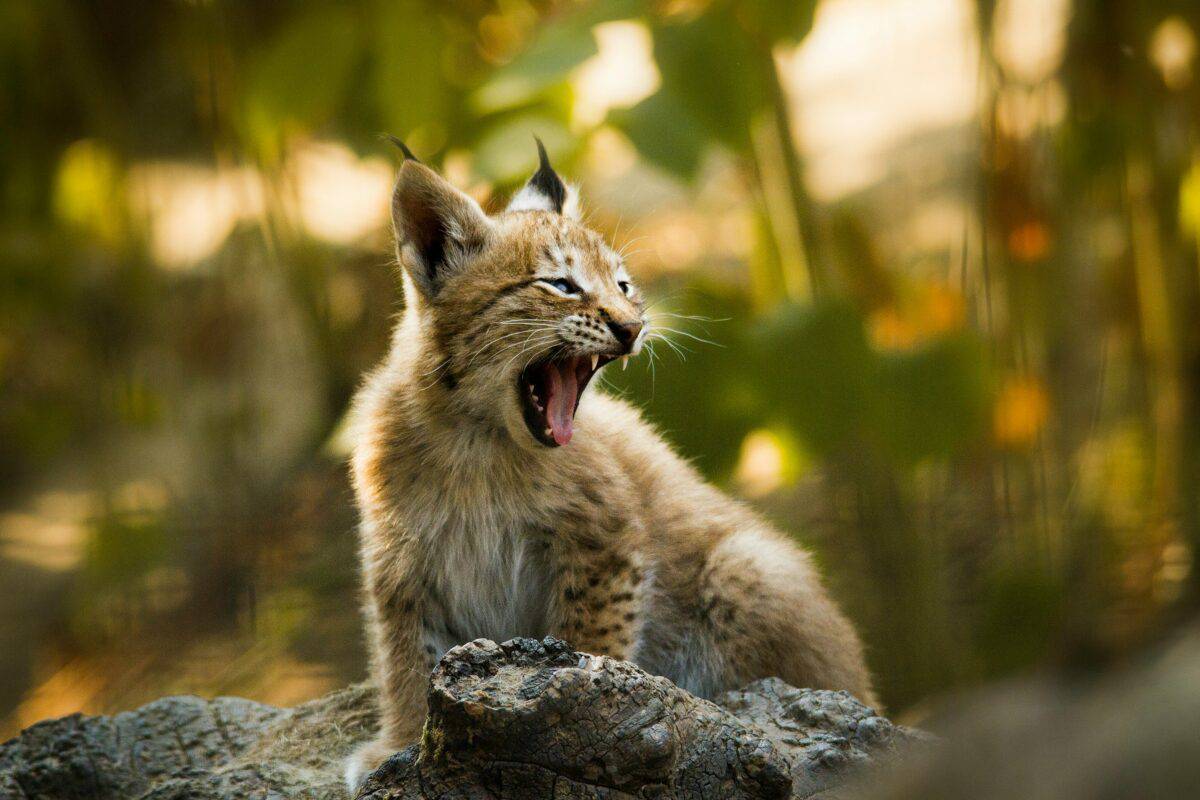
Despite encouraging progress, lynx recovery in the United States remains a work in progress with considerable challenges ahead. Current populations in most regions outside Maine remain relatively small and vulnerable to local extirpation from disease outbreaks, extreme weather events, or habitat disruption. Genetic connectivity between isolated populations represents a significant concern, with highways, development, and agricultural lands creating barriers to natural dispersal. Though protected under the Endangered Species Act, budget limitations constrain implementation of recovery actions, while periodic political challenges to the species’ listing status create uncertainty for long-term conservation planning. Maintaining public support for recovery efforts requires ongoing education about the ecological importance of lynx and their minimal conflicts with human interests. The species still remains absent from portions of its historical range with suitable habitat, including parts of the Northern Rockies, Adirondacks, and Upper Midwest, suggesting recovery is far from complete. Conservation biologists generally agree that while the lynx’s return represents a significant conservation achievement, securing the species’ long-term future in the lower 48 states will require sustained commitment to habitat protection, connectivity maintenance, and climate change mitigation.
Conclusion
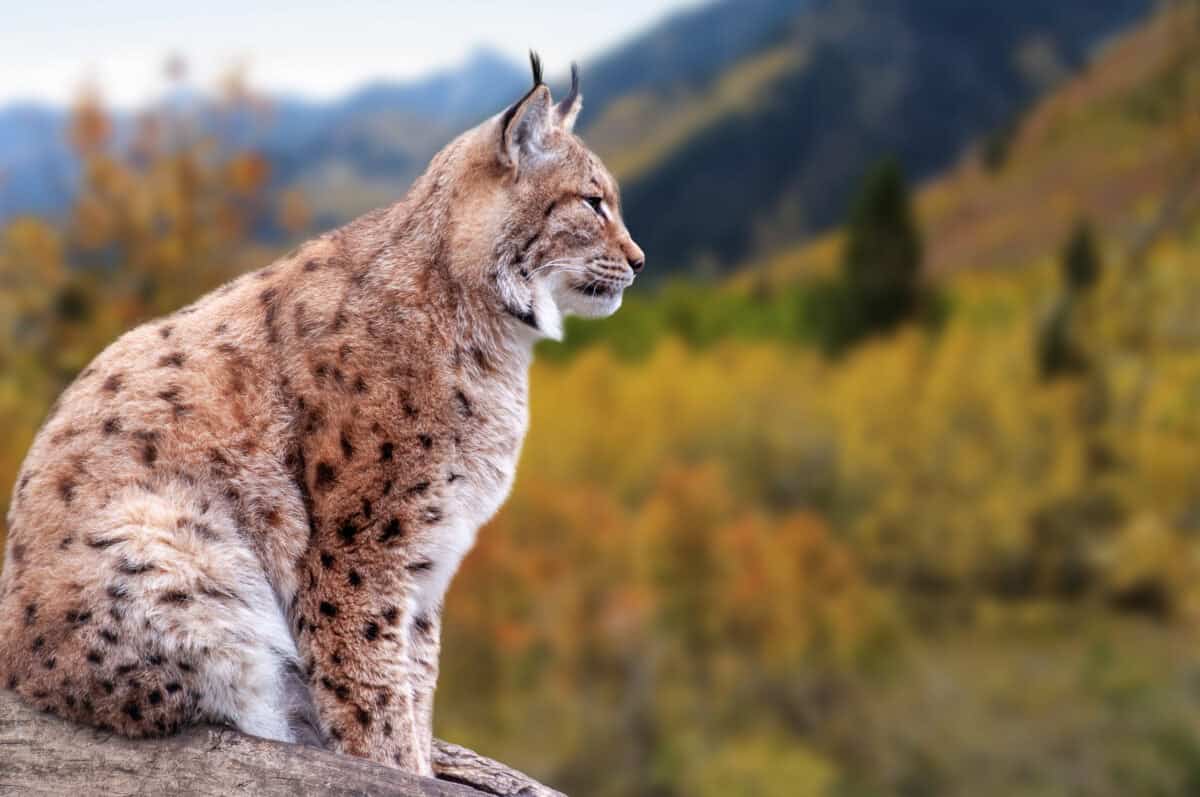
The quiet return of the lynx to America’s northern forests stands as a testament to the resilience of nature when given adequate protection and habitat. From the remote mountains of Colorado to the dense forests of Maine, these magnificent cats are reclaiming territories they hadn’t occupied for generations, bringing ecological relationships back into balance. Their recovery reminds us that conservation success stories are possible even for species once thought lost from large portions of their range. As climate change and continued development pose new challenges, the lynx’s future remains uncertain, but its remarkable comeback offers hope and direction for wildlife conservation in a rapidly changing world. The continued presence of these elusive predators in our forests will depend on our willingness to share the landscape with them, protect their habitat, and address the broader environmental challenges that threaten their newly reestablished foothold.

- The World’s Most Infamous Shark-Infested Beaches - August 1, 2026
- The Leafy Sea Dragon: Nature’s Master of Underwater Camouflage - August 1, 2026
- The Smartest Birds That Can Mimic Human Speech - August 1, 2026