


For centuries, reptiles have been misunderstood as simple, primitive creatures with limited cognitive abilities. The cold, scaly appearance of snakes, lizards, turtles, and crocodilians has led many to assume these animals possess equally cold and basic minds. However, modern research is rapidly dismantling these misconceptions. Scientists are discovering that reptiles exhibit remarkable intelligence in ways that challenge our understanding of animal cognition. From complex problem-solving skills to long-term memory capabilities that rival mammals, reptiles are forcing researchers to reconsider what it means to be “smart” in the animal kingdom. Let’s explore twelve fascinating ways reptiles demonstrate intelligence that might surprise even the most dedicated animal enthusiasts.
12. Problem-Solving Abilities That Rival Mammals

Reptiles demonstrate sophisticated problem-solving abilities that were once thought exclusive to mammals and birds. Monitor lizards, for instance, have been observed using trial-and-error approaches to access food in complex puzzle boxes. In a groundbreaking study at the University of Tennessee, researchers presented Komodo dragons with puzzle boxes containing food rewards, and the reptiles quickly learned to manipulate various mechanisms to access their meals. Some individuals even developed shortcuts and innovative techniques that weren’t part of the original experimental design. Similarly, certain tortoise species can navigate mazes with consistent improvement over time, demonstrating an ability to learn from past experiences and adapt their strategies accordingly. These cognitive skills suggest reptiles possess an analytical capacity that helps them assess and overcome environmental challenges in ways previously unrecognized by science.
11. Remarkable Spatial Memory

Reptiles possess extraordinary spatial memory capabilities that enable them to navigate complex environments with precision. Sea turtles perform one of nature’s most impressive feats of spatial navigation, traveling thousands of miles through open ocean to return to specific nesting beaches where they were born decades earlier. This requires an intricate mental mapping system that scientists are still working to fully understand. On a smaller scale, studies with corn snakes have shown they can remember spatial layouts for more than six months, allowing them to efficiently locate hiding spots, basking areas, and hunting grounds in their territories. Box turtles create detailed cognitive maps of their home ranges, which may span several acres, remembering the locations of seasonal food sources, water, and shelter with remarkable accuracy even after hibernation periods. These abilities aren’t merely instinctual but represent sophisticated cognitive processes that allow reptiles to thrive in their environments.
10. Social Learning Capabilities

Contrary to the popular belief that reptiles are solitary creatures with limited social cognition, research has revealed surprising social learning abilities in many species. Bearded dragons have demonstrated clear evidence of social learning in controlled experiments. In one study at the University of Lincoln, researchers showed that bearded dragons could learn to open a sliding door for a food reward simply by watching another dragon perform the task first. The observing reptiles not only learned the behavior but also executed it more efficiently than through trial and error alone. Similarly, young garter snakes have been observed following the chemical trails of adults to find appropriate hibernation sites, suggesting information transfer between generations. Even some species of turtles show evidence of social facilitation, where the behavior of one individual influences and potentially teaches others in the group. These findings challenge our understanding of reptilian cognition and suggest that social learning may be more widespread in the animal kingdom than previously believed.
9. Tool Use and Manipulation
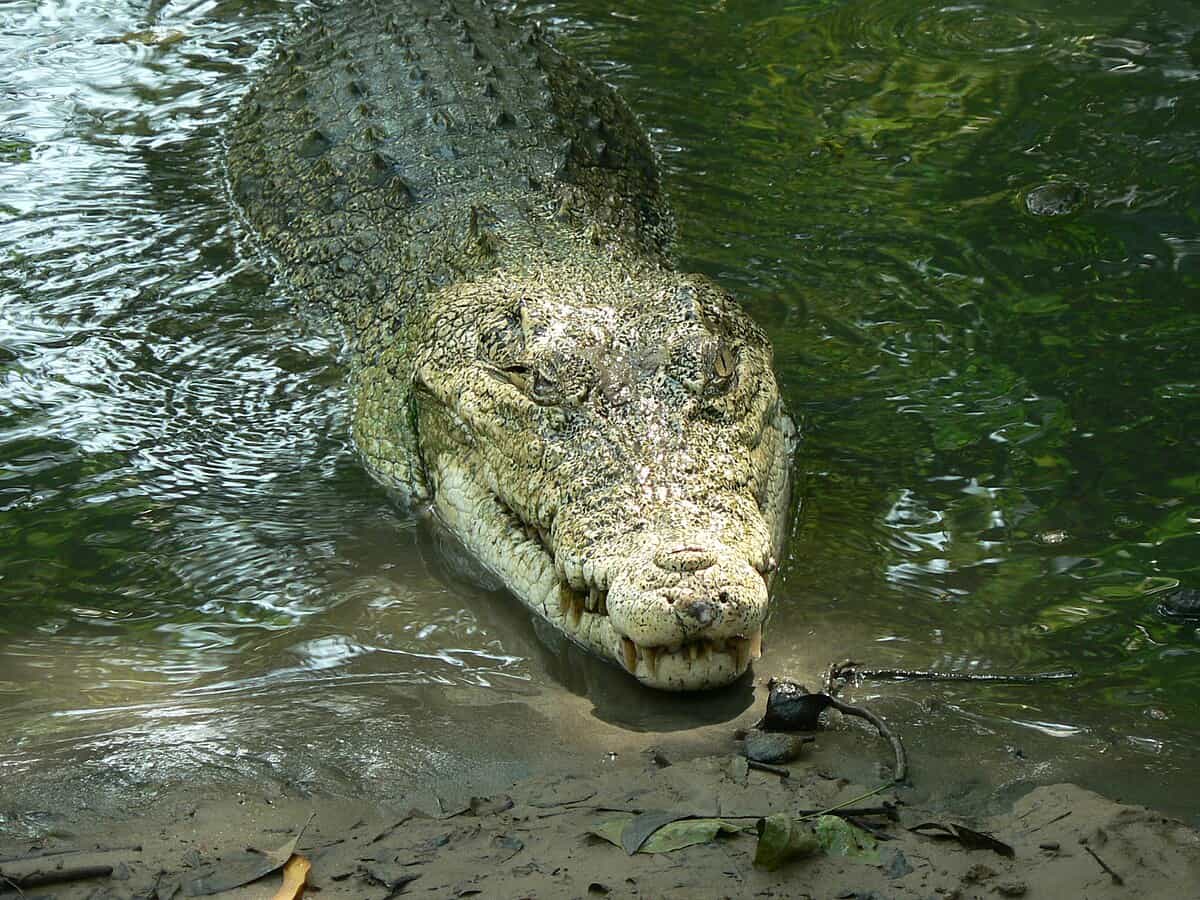
Tool use, long considered a hallmark of higher intelligence, has been documented in several reptile species. Perhaps most remarkably, mugger crocodiles and American alligators have been observed using sticks as lures to attract nesting birds. The reptiles balance sticks on their snouts while partially submerged near bird colonies during nesting seasons. Birds seeking nesting materials approach to collect the sticks and become prey for the crocodilians. This represents a sophisticated form of tool use involving both prop selection and an understanding of other animals’ behaviors. Some species of turtles have been documented using rocks and hard surfaces as anvils to break open tough-shelled prey, demonstrating an understanding of object relationships. Captive monitor lizards sometimes use objects in their enclosures to reach items otherwise beyond their grasp, showing an ability to recognize the potential utility of objects in their environment. These examples of tool use challenge traditional views of reptilian intelligence and suggest cognitive abilities more complex than previously assumed.
8. Advanced Hunting Strategies
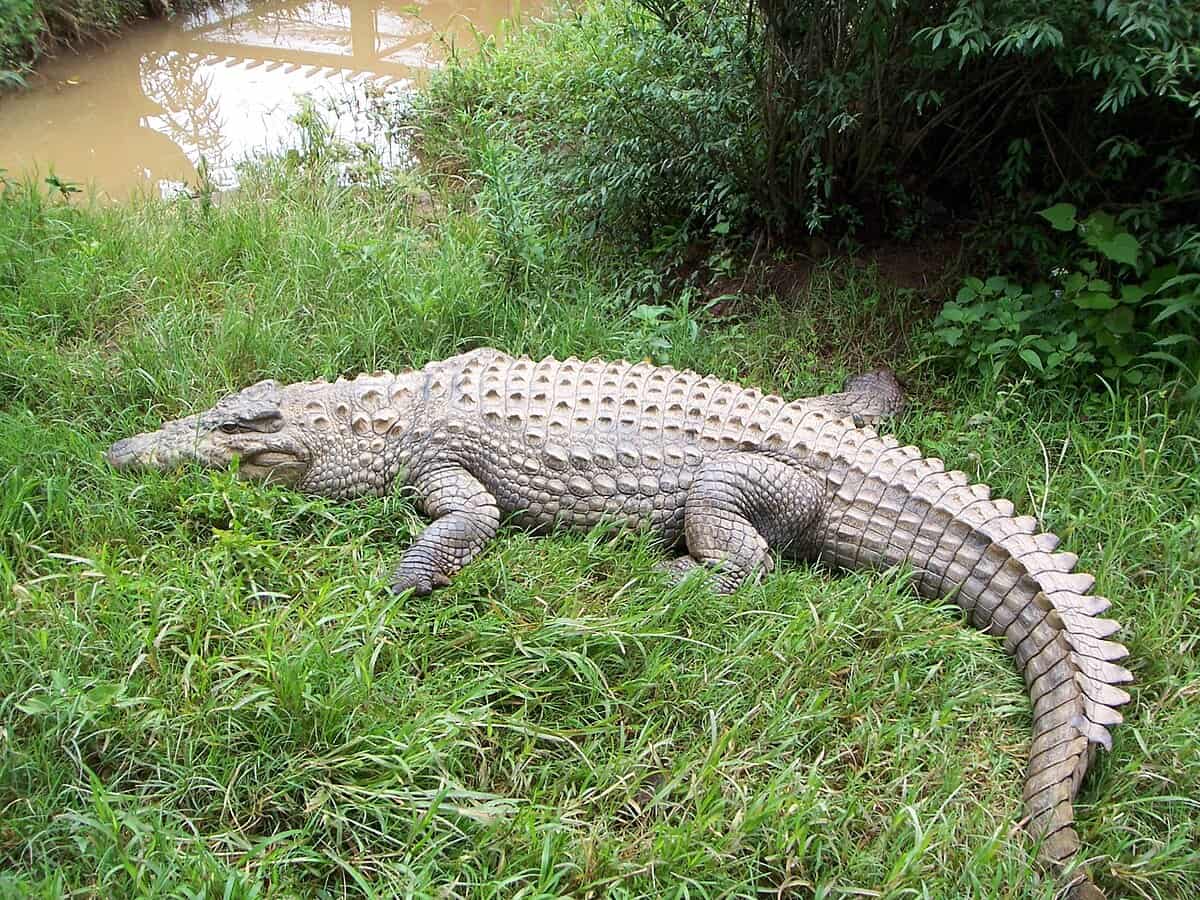
The hunting behaviors of many reptile species reveal cognitive sophistication that goes well beyond simple instinct. Nile crocodiles exhibit complex cooperative hunting behaviors, with some individuals serving as blockers while others drive fish toward them—a strategy requiring coordination and potentially some understanding of others’ roles. Certain species of monitor lizards employ calculated ambush techniques, waiting motionless for extended periods before launching precisely timed attacks, demonstrating remarkable patience and strategic thinking. Even more impressive, some monitors have been observed flushing prey from hiding spots by deliberate disturbance of the environment, showing an understanding of cause and effect. Alligator snapping turtles use a specialized lure on their tongues that resembles a worm, which they wiggle to attract fish—a sophisticated form of prey deception. These hunting behaviors suggest reptiles possess not just predatory instincts but tactical intelligence that allows them to analyze situations and adapt their approaches based on environmental conditions and prey behavior.
7. Emotional Intelligence and Recognition

The emotional lives of reptiles have been historically overlooked, but emerging research suggests they possess emotional intelligence that includes recognition of individuals and formation of social bonds. Studies with certain lizard species have demonstrated they can recognize their human caretakers, responding differently to familiar people compared to strangers. This recognition extends beyond simple association with food, as some reptiles show preferences for specific humans even when those humans aren’t providing food rewards. American alligators form long-term social bonds and complex dominance hierarchies, recognizing dozens of individuals within their social groups. Perhaps most surprisingly, research at the University of Lincoln has shown that bearded dragons are capable of observing and responding to the emotional states of other bearded dragons, a form of emotional contagion previously thought limited to mammals and birds. Some reptile species also display stress responses when separated from familiar companions, suggesting emotional attachments that were once considered impossible for “cold-blooded” animals.
6. Adaptable Learning and Behavior Modification

Reptiles demonstrate remarkable neuroplasticity and ability to adapt their behavior based on changing environmental conditions. Experiments with red-footed tortoises have shown they can learn to associate certain colors with food rewards and retain this knowledge for months, even modifying their responses when the reward conditions change. Some lizard species adjust their basking behaviors based on learned experiences about predator presence, showing they can incorporate past experiences into future decision-making. Box turtles can be trained to navigate complex mazes, with their performance improving over time through trial-and-error learning. Even more impressively, Cuban boa constrictors have been documented altering their hunting strategies based on previous successes and failures, suggesting they possess some form of self-assessment capability. This behavioral flexibility contradicts outdated views of reptiles as creatures of pure instinct and demonstrates their ability to learn, adapt, and overcome challenges through cognitive processes rather than genetic programming alone.
5. Complex Communication Systems

Reptiles utilize sophisticated communication systems that were previously underestimated by researchers. While they rarely vocalize like mammals or birds, they employ complex combinations of visual signals, chemical cues, and tactile information to convey specific messages. Green anoles use elaborate postural displays involving dewlap extensions, head bobs, and push-ups in combinations that communicate different messages about territory, mating readiness, and dominance. These displays follow syntax-like patterns where the order and combination of movements convey specific meanings. Turtles and tortoises communicate through a variety of head movements, leg positions, and chemical signals that indicate everything from submission to mating interest. Some species of snakes produce infrasonic vibrations that travel through substrates to communicate with conspecifics over substantial distances. This multifaceted communication requires cognitive processing to both produce appropriate signals and interpret incoming information correctly—abilities that suggest greater neural complexity than reptiles have traditionally been credited with possessing.
4. Extraordinary Long-Term Memory

The memory capabilities of reptiles can be truly remarkable, often surpassing those of many mammals in certain contexts. Red-footed tortoises have demonstrated the ability to remember problem-solving techniques for up to 18 months without any reinforcement during the intervening period. Crocodilians possess perhaps the most impressive long-term memory among reptiles, with documented cases of American alligators remembering specific humans who interacted with them decade’s earlier. In one documented case, a crocodile recognized a human who had rescued it 20 years previously. Certain snake species can remember migration routes for years, returning to specific hibernation dens across complex terrain. Desert tortoises remember the locations of seasonal water sources across their vast territories, sometimes only visiting these sites once or twice a year but navigating directly to them when needed. These memory capabilities aren’t just impressive in isolation—they’re essential survival mechanisms that allow reptiles to thrive in environments where resources are scarce and distributed unpredictably across both space and time.
3. Self-Recognition and Awareness
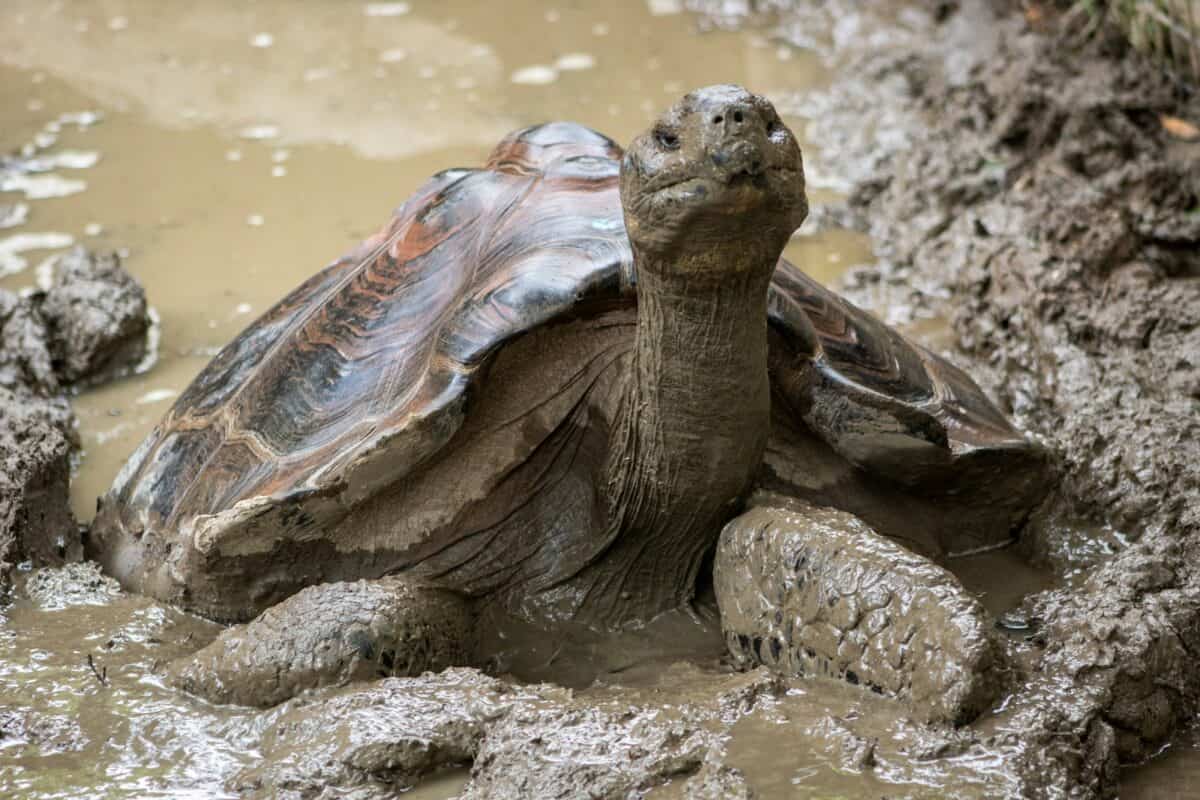
While reptiles may not pass the classic mirror self-recognition test in the same way as great apes or dolphins, research suggests they possess forms of self-awareness not previously recognized. Studies with red-footed tortoises have shown they can learn to use reflective surfaces as tools to locate otherwise unseen food items, demonstrating an understanding of reflection that goes beyond simple response to another perceived animal. Some monitor lizards adjust their movements when they can see their own reflections during hunting, suggesting awareness of how their bodies appear to potential prey. Certain turtles demonstrate what researchers call “kinesthetic self-awareness”—an understanding of their own physical dimensions that allows them to navigate tight spaces and make judgments about whether they can fit through openings. These capabilities suggest reptiles possess forms of self-awareness adapted to their ecological niches, challenging human-centric definitions of consciousness and awareness that have historically excluded reptiles from consideration as self-aware beings.
2. Sophisticated Parental Care
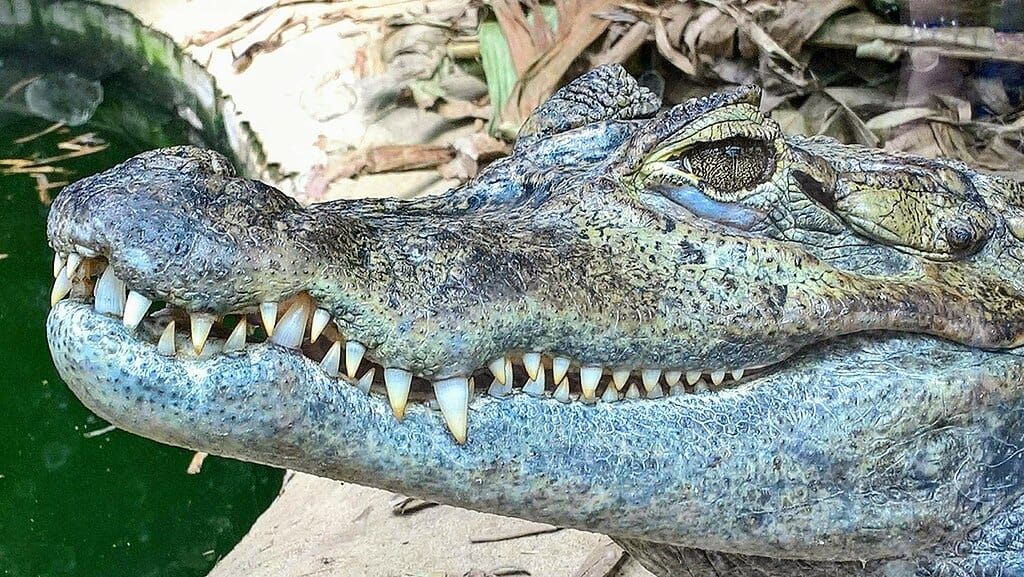
The parental behaviors of many reptile species reveal cognitive abilities that include planning, protection strategies, and temperature regulation knowledge. Nile crocodiles are particularly noteworthy for their attentive parenting, with females guarding nests, helping hatchlings emerge by gently cracking eggs in their mouths when they hear offspring vocalizing from inside, and carrying newly hatched babies to water in specialized throat pouches. They continue protecting their young for up to two years, responding to distress calls and teaching hunting behaviors. Some python species demonstrate remarkable thermoregulatory control during egg incubation, adjusting their muscle contractions to maintain optimal temperatures—a behavior requiring both bodily awareness and predictive capabilities. Female alligators construct elaborate nests from vegetation that decompose at rates that help maintain specific temperatures, suggesting knowledge of material properties. Perhaps most impressively, some monitor lizard species have been observed digging fake nest decoys to distract potential egg predators—a deceptive strategy that requires higher-order cognitive abilities including understanding another animal’s perceptual limitations.
1. Cognitive Enrichment Responses

When provided with environmental enrichment and cognitive challenges, reptiles demonstrate learning and engagement that rivals many mammals. Zoos and research facilities have found that enrichment programs developed for reptiles produce significant behavioral changes and improved welfare outcomes. Komodo dragons interact enthusiastically with puzzle feeders designed to simulate natural hunting challenges, demonstrating persistence and strategy development when faced with novel problems. Various turtle species show preferences for certain types of environmental enrichment, making choices that suggest they value cognitive stimulation beyond simple basic needs fulfillment. Captive monitors become noticeably more active and display fewer stress behaviors when provided with rotating enrichment activities that challenge their problem-solving abilities. What’s particularly notable is how quickly many reptiles learn to anticipate enrichment schedules, demonstrating an understanding of time patterns and the ability to form expectations about future events—cognitive abilities once thought beyond their capacity.
Conclusion: Redefining Reptilian Intelligence

The evidence overwhelmingly suggests we need to fundamentally reconsider how we understand and measure intelligence in reptiles. These animals demonstrate cognitive abilities that are not inferior to mammals but rather differently specialized for their evolutionary niches and environmental challenges. From the problem-solving capabilities of monitor lizards to the social learning of bearded dragons, from the spatial memory of sea turtles to the tool use of crocodilians, reptiles exhibit intellectual capacities that deserve recognition and further study. This growing body of research has profound implications for how we treat these animals in captivity, conservation efforts, and ethical considerations regarding their welfare. Perhaps most significantly, our evolving understanding of reptilian cognition challenges us to move beyond mammal-centric models of intelligence and appreciate the diverse ways that different evolutionary paths have produced unique forms of animal cognition across the tree of life.

As a little kid, I fell in love with nature, wildlife, and animals. Living in the USA, South Africa, Italy, China and Germany gave me the opportunity to discover the world's Wildlife. My favorite animals are Mountain Gorillas, Siberian Tigers, and Great White Sharks.
I'm a certified PADI Open Water Diver, went to Everest Base Camp and Trekked Gorillas in Uganda. I hold a Master of Science in Economics and Finance.
Please send any feedback to feedback@animalsaroundtheglobe.com
- 11 Most Endangered Insects Buzzing in America Today - July 22, 2026
- 10 Most Frequently Googled Animal Birth Facts - July 22, 2026
- 10 Incredible Migration Journeys in the Animal Kingdom - July 22, 2026