


Gorillas, the largest living primates, inhabit the forests of central Sub-Saharan Africa with a social complexity that rivals human societies in many ways. Their reproductive behaviors and mating patterns reflect millions of years of evolution, perfectly adapted to their challenging forest environments. Understanding gorilla mating requires examining their intricate social structures, gender roles, and the fascinating biological mechanisms that govern reproduction in these magnificent great apes. From the dramatic competitions between silverback males to the nuanced female mate selection processes, gorilla reproduction represents a remarkable example of how social dynamics influence evolutionary success. This article delves into the multifaceted world of gorilla mating behavior, exploring how these endangered primates navigate courtship, reproduction, and parenting in the wild.
Gorilla Species and Their Distribution

Before exploring mating behaviors, understanding the different gorilla species provides essential context. Two species of gorillas exist: the western gorilla (Gorilla gorilla) and the eastern gorilla (Gorilla beringei). These species are further divided into four subspecies: western lowland gorillas, Cross River gorillas, mountain gorillas, and eastern lowland gorillas. Each subspecies faces different conservation challenges, with all classified as either critically endangered or endangered according to the IUCN Red List. Western gorillas primarily inhabit the dense rainforests of western equatorial Africa, while eastern gorillas live in the mountainous forests of the eastern Democratic Republic of Congo, Uganda, and Rwanda. These geographical differences influence their social structures and, consequently, their mating behaviors.
The Gorilla Social System

Gorillas live in cohesive social groups called troops or bands, typically consisting of 5-30 individuals. At the center of each troop is a dominant silverback male—named for the distinctive saddle of gray or silver-colored hair that develops on their backs at maturity (around 12-13 years of age). The silverback serves as the troop’s leader and protector, making all important decisions about where the group travels, feeds, and nests. Most troops contain a single adult male, several adult females, and their offspring, although some may include multiple silverbacks (usually related males such as brothers or father-son pairs). This social structure directly impacts mating patterns, as the dominant silverback typically holds exclusive mating rights with the females in his group, creating a polygynous mating system. In mountain gorillas, approximately 40% of groups contain multiple adult males, while western lowland gorilla groups more commonly follow the one-male model.
The Role of the Silverback in Reproduction

The silverback male plays a central role in gorilla reproduction. Beyond their impressive size—weighing up to 400 pounds (180 kg) and standing up to 5.6 feet (1.7 meters) tall—silverbacks possess several physical adaptations related to their reproductive role. Their prominent sagittal crests support powerful jaw muscles, while their massive canines serve as weapons during male-male competition. Silverbacks demonstrate their dominance through displays including chest-beating, vegetation breaking, and sideways running. These demonstrations of strength and vigor serve a dual purpose: deterring rival males and attracting females. A successful silverback may maintain his dominant position for years, potentially siring all offspring within his group during that period. Research indicates that the average tenure of a dominant silverback spans approximately 4.5 years in western lowland gorillas and can extend beyond 10 years in mountain gorillas. Throughout this time, he has nearly exclusive mating access to females in his group, making reproductive success directly tied to a male’s ability to attract and maintain females within his troop.
Female Reproductive Physiology and Cycles
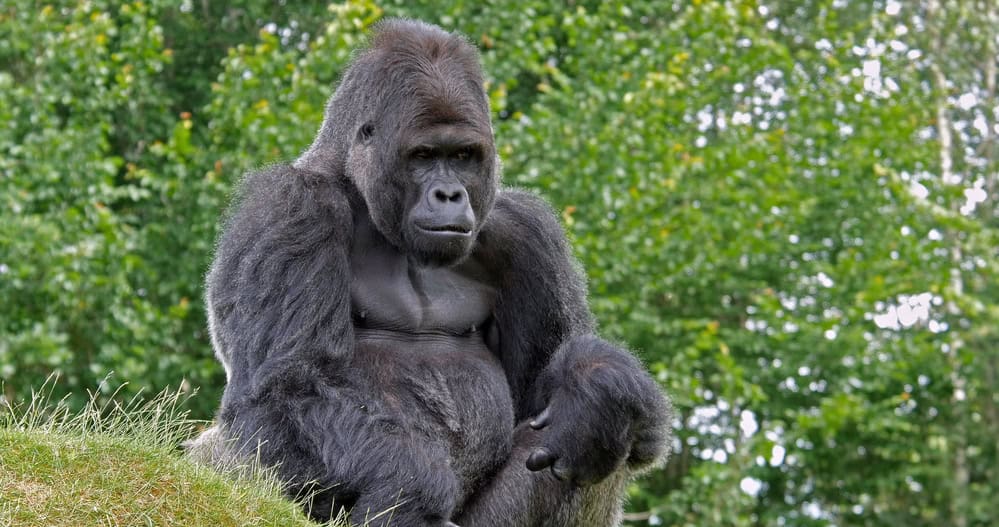
Female gorillas reach sexual maturity between 7-8 years of age, although they may not give birth until several years later. Unlike humans and chimpanzees, female gorillas do not display obvious external signs of ovulation, such as sexual swellings. Their reproductive cycle averages 28 days, similar to humans, with fertility occurring midway through the cycle. Without obvious visual cues, male gorillas must rely on behavioral changes and subtle olfactory signals to determine female receptivity. Female gorillas experience menopause-like reproductive senescence in later life, typically after age 35. This reproductive strategy focuses energy on raising existing offspring rather than producing new ones in advanced age. The lack of obvious ovulation signs may have evolved as part of a female strategy to obscure paternity, potentially reducing the risk of infanticide when new males take over a group. Pregnancy lasts approximately 8.5 months (256 days), slightly shorter than human gestation.
Courtship and Mating Behaviors
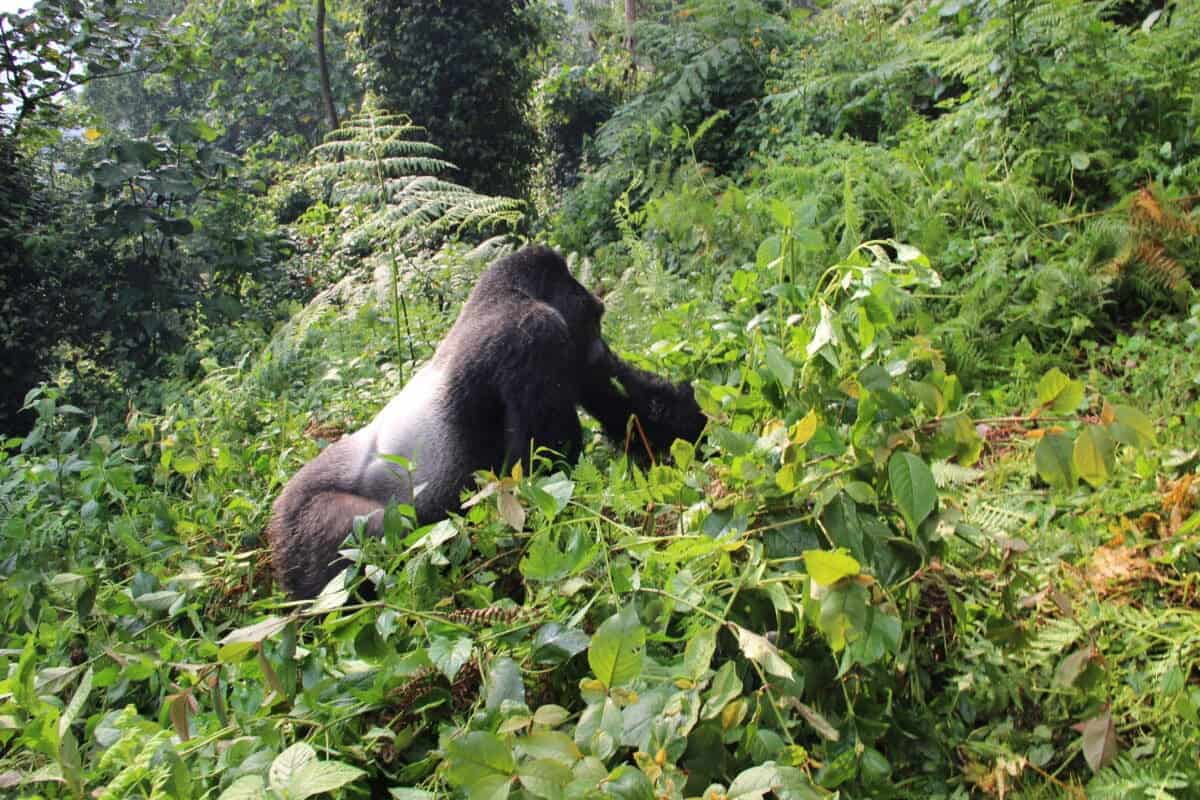
Gorilla courtship involves subtle interactions rather than elaborate displays seen in some other primates. When a female becomes receptive, she may initiate proximity with the silverback, making prolonged eye contact or positioning herself near him. The silverback may respond with gentle touching, grooming, or sitting in close contact. Actual copulation is brief, lasting 60-90 seconds, and usually occurs in a face-to-face position. Unlike the promiscuous mating systems of chimpanzees, gorilla mating is relatively infrequent and private. Researchers have noted that mating often takes place away from other group members, suggesting a level of privacy preference. Female gorillas typically mate only with their group’s silverback, though in multi-male groups they may mate with subordinate males, especially if these males have established positive relationships with them. Mating frequency increases during periods of female fertility but remains relatively low compared to other primate species, with pairs mating only a few times during each fertile period.
Female Mate Choice and Reproductive Strategies

While the silverback’s dominance suggests limited female choice, research indicates that female gorillas exercise significant agency in mate selection through several mechanisms. First, females can transfer between groups during intergroup encounters, choosing to leave with a new silverback if they perceive him as a superior mate or protector. These transfers typically occur when females are young and either nulliparous (have never given birth) or have lost an infant. Second, females may resist mating attempts from unpreferred males, even dominant ones, through avoidance or displaying aggression. Third, in multi-male groups, females sometimes initiate mating with subordinate males, particularly those who have established affiliative relationships with them through grooming and protection. Studies of mountain gorillas indicate that approximately 50% of females will transfer groups at least once in their lifetime. This mate choice mechanism represents an important female reproductive strategy that influences male behavior, encouraging males to develop protective and nurturing relationships with females and their offspring.
Male Reproductive Competition
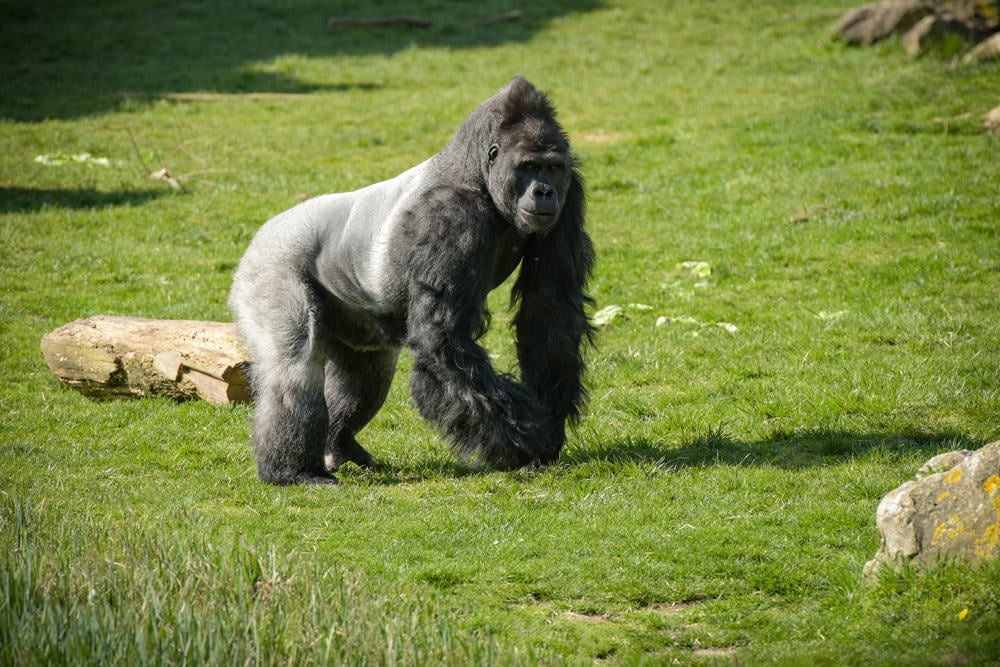
Competition between male gorillas for reproductive access shapes their behavior and physical development. While direct violent confrontations are relatively rare, they can be deadly when they occur. Males compete through several mechanisms, including physical displays of strength, group defense, and attracting females through protection and leadership. Lone silverbacks, males without a group, may challenge established silverbacks to take over their groups or attempt to attract dispersing females to form new groups. When a new silverback successfully takes over a group, he may practice infanticide—killing nursing infants that are not his offspring. This brutal strategy hastens the mother’s return to fertility, allowing the new male to father his own offspring sooner. This infanticide risk is a major factor influencing female transfer decisions and mate choice. Males who can demonstrate reliable protection against outside threats and stable leadership become preferred mates. Physical development in male gorillas, including their massive size dimorphism (males weigh nearly twice as much as females), reflects the intense selective pressure of male-male competition.
Birth and Infant Care

Female gorillas give birth to a single infant after an 8.5-month gestation period. Twins are extremely rare, occurring in less than 0.5% of births. Newborn gorillas weigh approximately 4 pounds (1.8 kg) and are completely dependent on their mothers. Mothers provide continuous care, carrying infants against their chests for the first few months before the young begin riding on their backs. Nursing continues for 3-4 years, and youngsters typically stay in close proximity to their mothers until age 6-8. This extended infant dependency creates a long interbirth interval of approximately 4-6 years between offspring in wild gorillas. The silverback plays an important protective role for infants in his group, sometimes intervening when juveniles play too roughly and often allowing young gorillas to interact with him. While not providing direct care like carrying or feeding, silverbacks create a protective environment that significantly increases infant survival rates. This extended care period represents a substantial parental investment, particularly for females, and shapes many aspects of gorilla social structure and mating behavior.
Group Dynamics and Their Impact on Reproduction
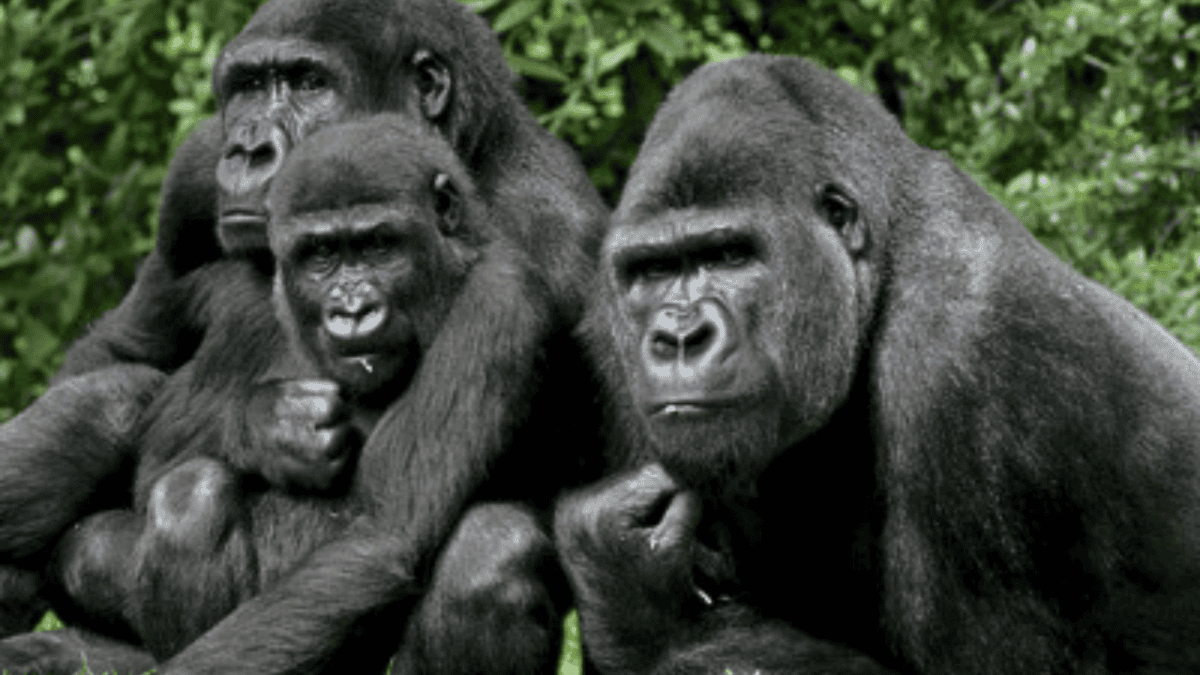
The composition and stability of gorilla groups directly influence reproductive patterns. Larger groups with stable leadership provide better protection against predators and outside male challenges, potentially increasing reproductive success for all members. However, competition for resources may increase in larger groups, potentially affecting female reproductive rates. When a dominant silverback dies or becomes weakened, groups may fracture, with females dispersing to join other males or staying with a son who has matured into a silverback. Research has documented that approximately 60% of mountain gorilla groups disband after the death of the silverback if no successor is available within the group. Group dynamics also influence reproductive suppression—subordinate males in multi-male groups mate less frequently than dominant silverbacks, and young females may experience delayed sexual maturity in some social contexts. These complex interactions between group structure and reproduction highlight the sophisticated social adaptations that have evolved in gorilla societies.
Genetic Diversity and Inbreeding Avoidance

Gorillas have evolved mechanisms to maintain genetic diversity despite their relatively closed social groups. Female transfer between groups serves as the primary method for preventing inbreeding. Young females typically leave their natal groups before breeding, either voluntarily seeking new groups or being “kidnapped” by outside males during intergroup encounters. This pattern of female dispersal prevents mating between fathers and daughters or between siblings. Male gorillas typically remain in their natal group or disperse to become solitary, eventually forming their own groups when they can attract females. Research using mitochondrial DNA analysis has shown that female transfer effectively maintains genetic diversity in wild gorilla populations, with genetic relatedness between mating pairs significantly lower than would be expected by chance. However, in small, fragmented populations, these natural inbreeding avoidance mechanisms may become less effective, creating conservation concerns for isolated gorilla populations.
Reproductive Rates and Population Dynamics
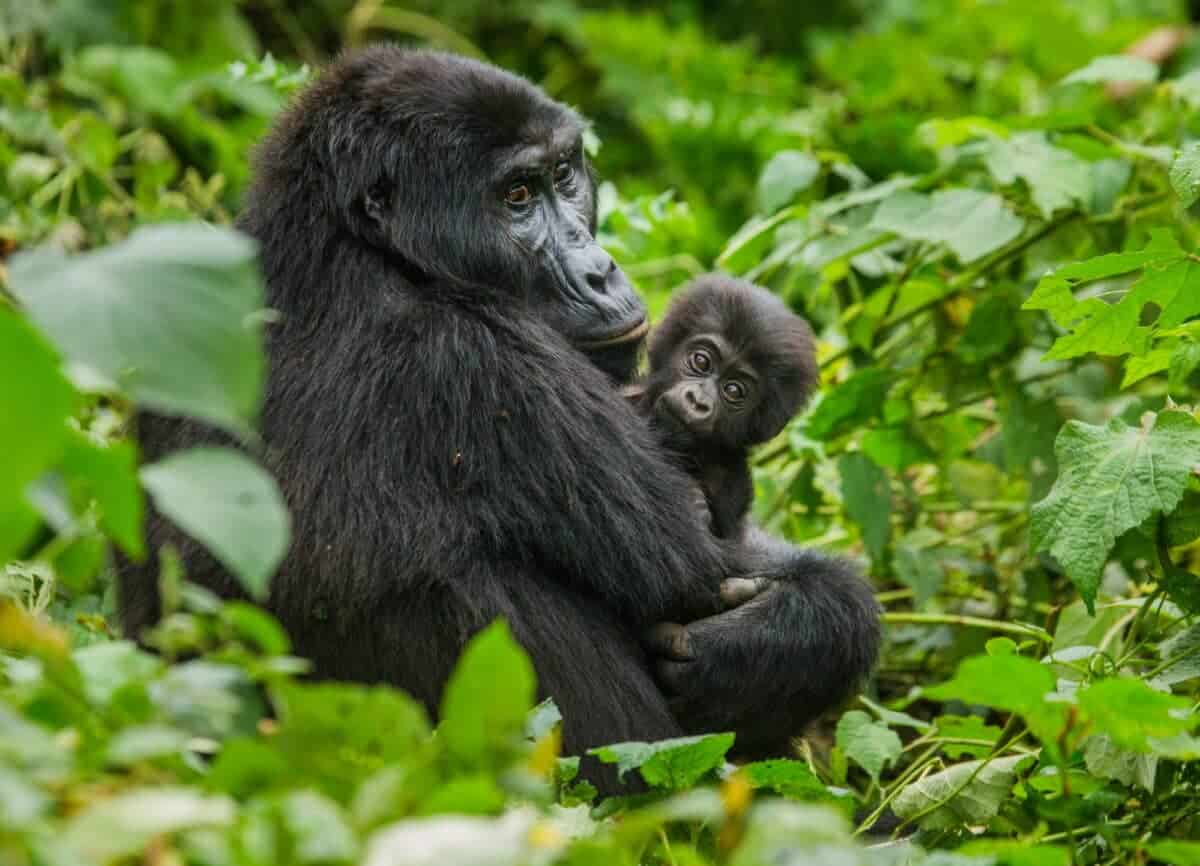
Wild gorillas have relatively low reproductive rates compared to many mammals, which makes them vulnerable to population decline. On average, a female gorilla will produce only 3-4 offspring that survive to adulthood during her lifetime. Several factors contribute to this limited reproductive output: late sexual maturity (females begin reproducing at age 10+), long interbirth intervals (4-6 years between births), single offspring per pregnancy, and high infant mortality rates (estimated at 26-38% mortality before age 3 in wild populations). These reproductive constraints mean gorilla populations can only grow slowly even under optimal conditions. Mountain gorilla census data from the Virunga Volcano region showed an annual population growth rate of approximately 3-4% during favorable conservation periods. This slow reproductive rate makes gorillas particularly vulnerable to hunting, habitat loss, and disease—all threats that currently endanger wild gorilla populations. Conservation efforts must account for these reproductive limitations when developing protection strategies.
Conservation Implications of Gorilla Reproductive Patterns
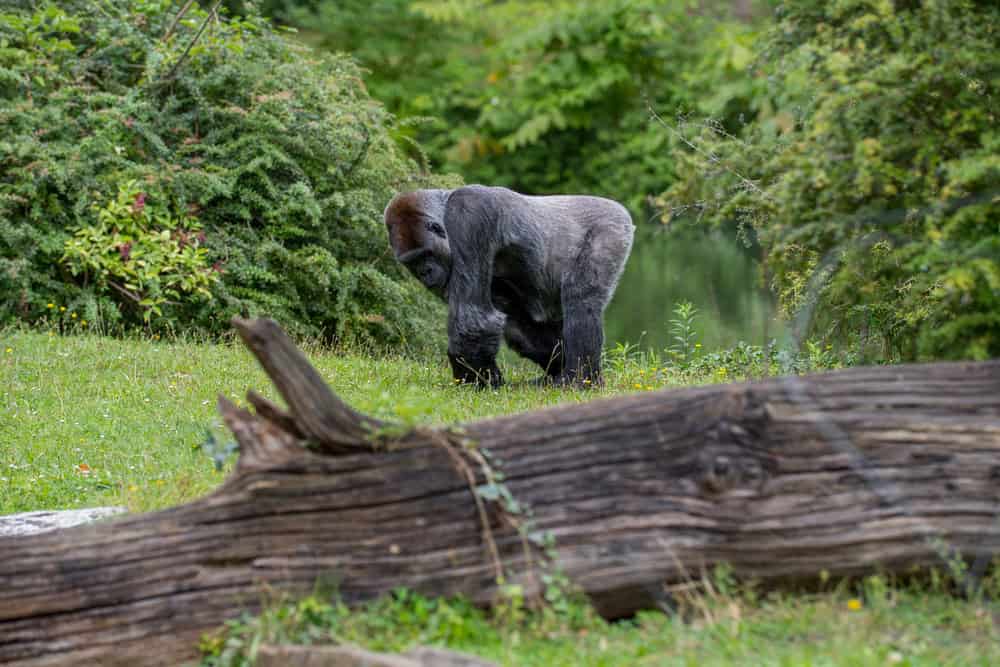
Understanding gorilla reproduction is crucial for effective conservation. The slow reproductive rate of gorillas means populations cannot quickly recover from decline, making protection of existing groups essential. Conservation efforts must focus on preserving intact social groups, as disruption to the social structure directly impacts reproductive success. The importance of dominant silverbacks to group stability suggests that anti-poaching efforts should particularly focus on protecting these key individuals. In severely threatened populations, such as mountain gorillas, conservationists monitor reproductive rates and sometimes intervene with veterinary care for ill females or infants. Captive breeding programs face challenges related to gorilla mating preferences and social requirements, with females often reluctant to mate in unnatural social configurations. The most successful conservation approaches replicate natural social conditions—protecting habitat and allowing natural reproductive behaviors while monitoring and providing targeted interventions when necessary. These efforts have contributed to population increases in mountain gorillas, which have grown from approximately 620 individuals in 1989 to over 1,000 today.
Gorilla mating behaviors represent millions of years of evolutionary adaptations perfectly suited to their forest environments and social structures. The haremic social system centered around a protective silverback provides advantages for infant survival and female security, while female mate choice mechanisms help maintain genetic diversity and select for males that will be effective protectors. The relatively slow reproductive rate of gorillas reflects their investment in fewer, well-cared-for offspring rather than producing many with limited parental care—a strategy appropriate for long-lived, intelligent mammals with complex learning requirements. These reproductive patterns remain remarkably balanced and effective in natural conditions but become increasingly vulnerable as human activities fragment gorilla populations and disrupt their social systems. By understanding the intricacies of gorilla reproduction, we gain not only scientific insight into our closest living relatives but also essential knowledge for ensuring these magnificent primates continue to thrive in their native habitats for generations to come.

- What’s Hiding in the Forests of the Pacific Northwest - July 21, 2026
- Tarsiers: The Tiny Primates with Giant Eyes - July 21, 2026
- Are Zoos Still Ethical in 2025? - July 21, 2026