


Introducing a pet into a child’s life is a significant decision that can provide valuable life lessons about responsibility, empathy, and the natural world. While cats and dogs often top the list of family pets, turtles offer a fascinating alternative that can be particularly well-suited for children. These ancient reptiles combine longevity, relatively straightforward care requirements, and educational value to create an engaging pet experience. Their calm demeanor and unique characteristics make them ideal companions for curious young minds, offering a window into reptile behavior without some of the challenges posed by more high-maintenance pets. This article explores the many reasons why turtles make excellent pets for children, from their care requirements to the valuable lessons they can impart.
Low-Maintenance Care Requirements

Turtles stand out among pets for their relatively low-maintenance nature, making them ideal for busy families. Unlike dogs that require daily walks or cats that need constant attention, turtles are self-contained and independent creatures. They don’t need to be walked, groomed, or given the same level of social interaction as mammalian pets. Most turtle species only require feeding every other day once they’ve reached adulthood, which means less daily commitment than many other pets. Their habitat needs cleaning approximately once a week, depending on the filtration system. This manageable care schedule allows children to learn responsibility without becoming overwhelmed by constant pet demands, creating a balanced approach to pet ownership that fits well with school schedules and family activities.
Educational Value
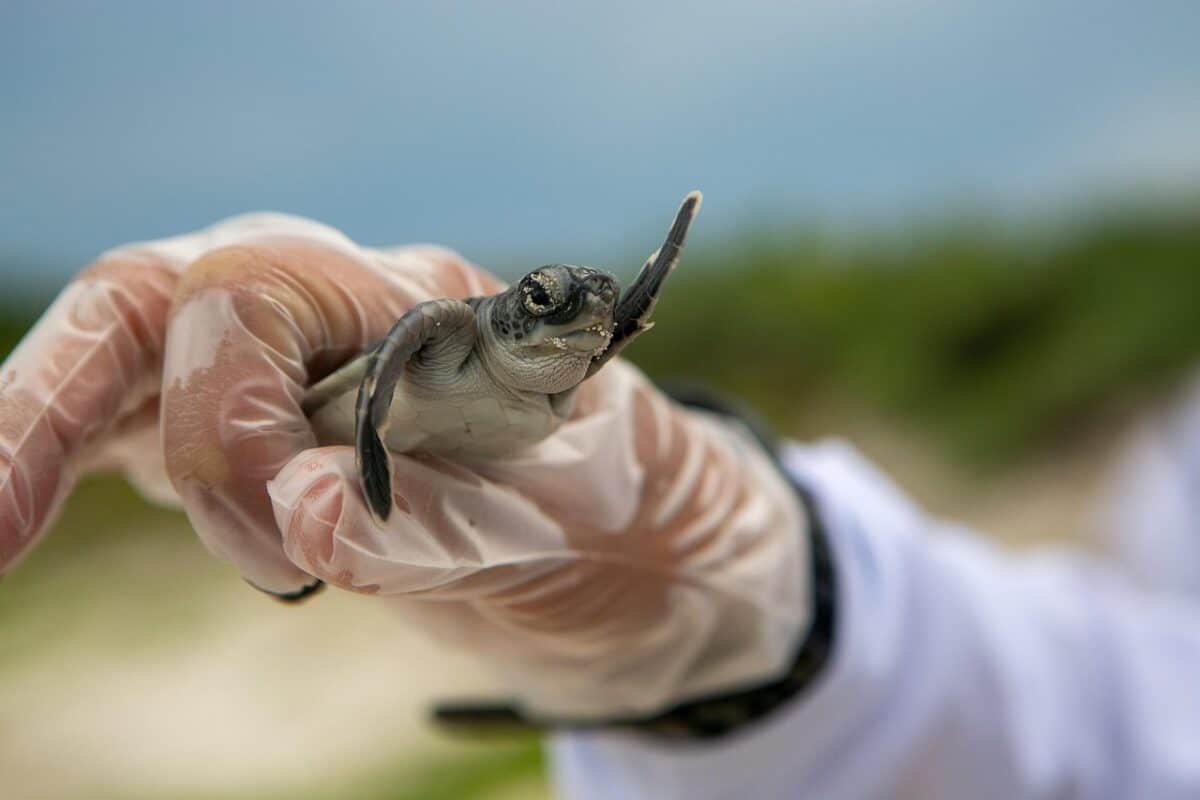
Turtles offer exceptional educational opportunities for children curious about the natural world. These living fossils have existed for over 220 million years, virtually unchanged, making them fascinating subjects for learning about evolution and adaptation. Caring for a turtle provides hands-on lessons in biology, as children observe unique reptilian behaviors like basking, swimming patterns, and dietary preferences. Many turtle owners report that their children develop increased interest in science, frequently researching their pet’s specific needs and natural habitats. The seasonal changes that many turtles undergo, including slight hibernation tendencies, also create opportunities to discuss animal adaptations and life cycles. By documenting their turtle’s growth (which occurs throughout their entire lives, though slows with age), children practice observation skills and develop an understanding of long-term biological processes.
Teaching Responsibility

Caring for a turtle provides children with a structured introduction to pet responsibility that’s achievable even for younger children. The consistent but manageable care routine—including feeding, tank cleaning, water changes, and habitat maintenance—creates natural opportunities for kids to develop accountability. Unlike some pets with more intensive daily needs, turtle care can be broken down into simple, age-appropriate tasks that grow with the child. Young children might help with feeding under supervision, while older kids can gradually take on more responsibilities like water testing or tank maintenance. Parents often report that turtle ownership serves as an excellent “starter pet” experience that helps assess a child’s readiness for more demanding pets later. The concrete nature of turtle care tasks makes it easy to create charts or schedules that help children visualize and track their responsibilities, reinforcing the connection between consistent care and their pet’s wellbeing.
Longevity and Life Lessons

One of the most remarkable aspects of turtle ownership is the potential for these reptiles to become truly lifelong companions. Many common pet turtle species live 20-40 years with proper care, with some varieties capable of reaching 50-100 years. This extraordinary lifespan offers children a unique perspective on long-term commitment that few other pets can provide. As children grow and change through different life stages, their turtle companion remains a constant presence, potentially accompanying them from elementary school through college and beyond. This longevity creates opportunities for deep discussions about life cycles, aging, and commitment. Parents often note that turtle ownership helps children understand that pets aren’t temporary playthings but living beings deserving of lifetime care. The gradual, visible aging process of turtles—from tiny hatchlings to mature adults with developed shells and personalities—provides tangible evidence of time’s passage that children can observe and appreciate.
Allergy-Friendly Option

For families navigating pet allergies, turtles represent an ideal solution that brings animal companionship without the associated health concerns. Unlike furry pets that shed dander—the primary trigger for most pet allergies—turtles have scales and shells that don’t produce allergenic particles. Medical research has consistently shown that reptiles rarely cause allergic reactions, making them suitable for children with asthma or sensitivities to mammalian pets. Pediatric allergists often recommend reptiles like turtles as a first consideration for animal-loving families where fur allergies are present. The hypoallergenic nature of turtles means children can interact with them safely, including handling them (with appropriate hygiene practices) without triggering respiratory symptoms or skin reactions. For many families who thought pet ownership impossible due to allergies, turtles open the door to experiencing the benefits of animal companionship while maintaining a healthy home environment.
Space Efficiency
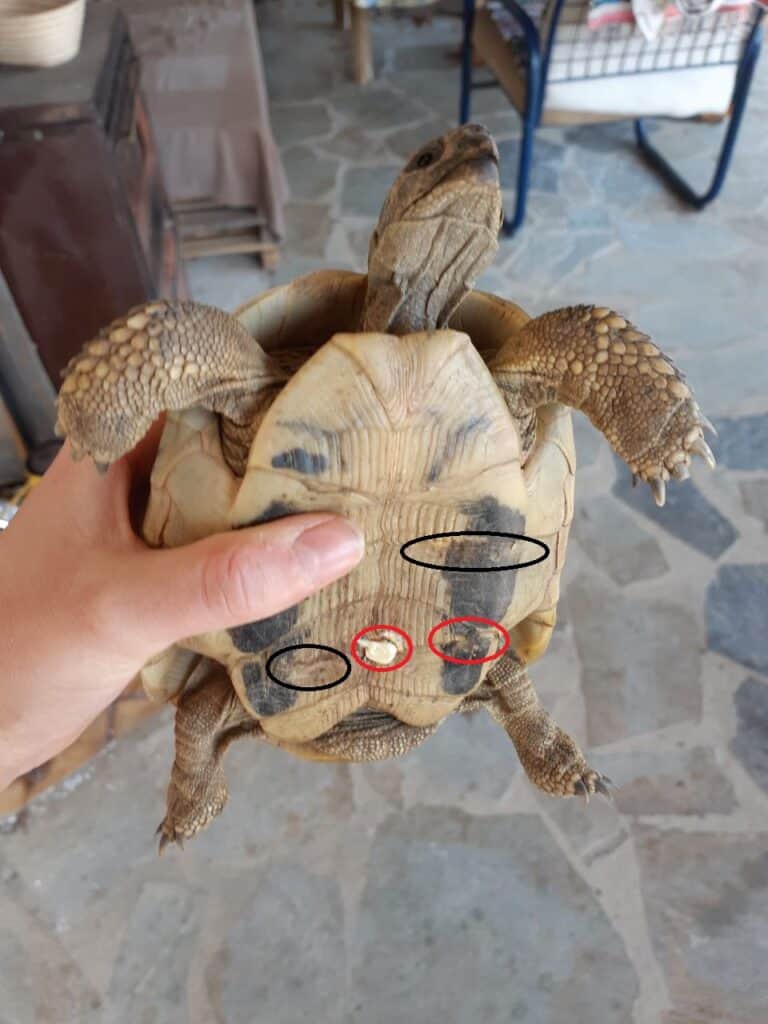
Turtles make excellent pets for families with limited living space, as their habitat requirements are contained and predictable. Unlike larger pets that need room to roam, most common pet turtle species thrive in appropriately sized aquariums or terrariums that can fit comfortably in a child’s bedroom or family living area. Smaller species like musk turtles or spotted turtles may require only 20-30 gallon enclosures as adults, while medium-sized species like red-eared sliders need approximately 10 gallons of tank space per inch of shell length. This defined spatial footprint makes turtles particularly suitable for apartment living or homes without yards. Their self-contained habitats also minimize the impact on home cleanliness, with no concerns about shedding, tracked-in dirt, or damage to furniture that often accompanies larger pets. For urban families or those in compact living situations, turtles provide an accessible entry point to pet ownership that works within spatial constraints while still offering the full experience of caring for another living creature.
Suitable Species for Beginners

While there are over 350 turtle species worldwide, several varieties are particularly well-suited for families with children new to turtle care. Red-eared sliders remain one of the most popular beginner turtles, known for their adaptability, hardiness, and engaging personalities. These semi-aquatic turtles are active swimmers that readily interact with their owners during feeding time. Painted turtles are another excellent option, recognized for their striking shell patterns and relatively small adult size of 4-10 inches. For families seeking an even smaller species, mud and musk turtles typically reach only 3-5 inches and adapt well to aquarium life. Box turtles, while requiring more specific temperature and humidity conditions, offer the advantage of being primarily land-dwelling, which some children find easier to observe and interact with. When selecting a species, families should consider the turtle’s adult size, lifespan (which ranges from 20-100+ years depending on species), temperature requirements, and dietary needs to ensure a good match with their household’s capabilities and commitment level.
Observational Learning

Turtles provide a unique form of interactive learning that differs significantly from mammalian pets. Their habitats function as living ecosystems that children can observe daily, creating a window into natural processes and behaviors. Children develop observational skills as they notice subtle changes in their turtle’s activities—from feeding patterns and basking behaviors to seasonal adjustments like slightly reduced winter activity. Many parents report that turtle ownership naturally encourages children to keep journals documenting their pet’s growth, behavioral changes, and feeding preferences. This quiet observation fosters patience and attention to detail that transfers to other areas of learning. The turtle’s habitat itself becomes an educational tool, as children learn about the nitrogen cycle when establishing a tank, water quality parameters, and the relationship between environment and health. Unlike more demonstrative pets, turtles require children to develop deeper observational skills to understand their more subtle body language and behavioral cues, teaching them to recognize and respond to non-verbal communication.
Distinctive Personalities

Contrary to common misconceptions about reptiles being “emotionless,” turtles develop surprisingly distinct personalities that children can recognize and bond with over time. Many turtle owners report that their pets display individual behavioral patterns—some are naturally more curious and active, while others tend toward shyness or caution. Some turtles show preference for particular foods, recognize their caretakers, and even develop playful behaviors like following fingers moved along the outside of their tank. Research in reptile cognition has increasingly confirmed what turtle enthusiasts have long observed: these animals possess more complex intelligence and emotional lives than previously acknowledged. Children often develop strong attachments to their turtles as they discover these unique personality traits, learning that relationships with pets can take many forms beyond the immediate tactile interactions associated with furry pets. This understanding helps children develop appreciation for different expressions of animal intelligence and sociality, expanding their concept of companionship beyond conventional models.
Safety Considerations
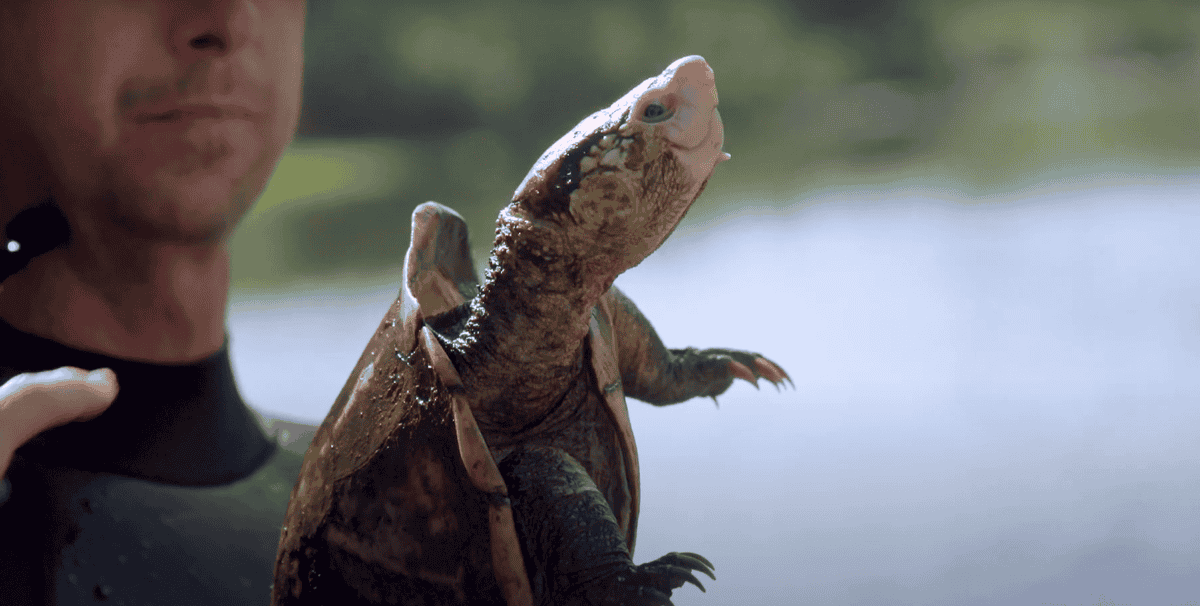
When properly managed, turtles can be among the safest pets for families with children, though several important health precautions must be observed. The primary safety consideration is salmonella, as all reptiles naturally carry this bacteria. Establishing strict handwashing protocols after handling turtles or cleaning their habitat significantly reduces this risk. The CDC recommends that children under five, people with compromised immune systems, or pregnant women avoid direct contact with turtles or their habitat materials. For families with older children, simple hygiene practices—like designating a specific sink for turtle habitat cleaning and maintaining a handwashing station near the turtle tank—create safe interaction routines. Turtle habitats should also be designed with safety in mind, using secure lids to prevent escapes and keeping water levels appropriate to prevent drowning risks for smaller species. When these basic precautions are followed, veterinary experts confirm that turtles present fewer safety concerns than many other pets, with no risks of bites, scratches, or aggressive behavior that sometimes occur with mammals.
Connection to Nature

In today’s increasingly digital world, turtles provide children with a tangible connection to nature and wildlife that many urban or suburban lifestyles otherwise lack. These living representatives of ancient reptile lineages bring a piece of the natural world directly into the home, creating daily opportunities for children to engage with biology beyond screens or books. Turtle care naturally leads to broader environmental awareness as children learn about the wild habitats their pet species originate from and the conservation challenges many turtle populations face worldwide. Research by environmental educators suggests that caring for reptiles often serves as a gateway to greater interest in outdoor activities and nature conservation. Many families report that after getting a pet turtle, their children develop increased curiosity about local wildlife, particularly during outdoor excursions where they might spot wild turtles or similar species. This connection often extends to increased environmental consciousness, as children who care for turtles typically develop stronger understanding of concepts like habitat preservation, water quality, and responsible pet sourcing.
Budget-Friendly Long-Term Care
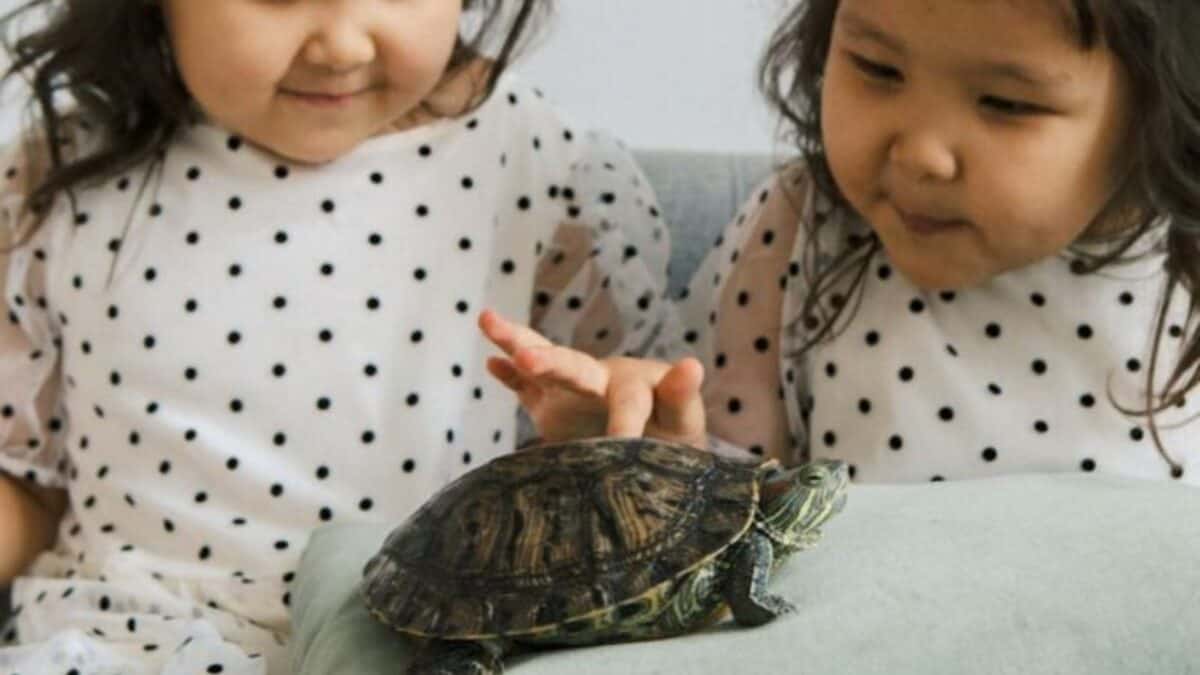
While the initial setup costs for a proper turtle habitat represent a significant investment, the ongoing care expenses for turtles are remarkably economical compared to many other pets. The startup equipment—including an appropriately sized tank, filtration system, heating, UVB lighting, and habitat decorations—typically costs between $150-$300, depending on species requirements and tank size. However, once established, the recurring expenses drop dramatically. Monthly feeding costs for most turtle species range from just $10-20, as their diet primarily consists of commercial turtle pellets supplemented with readily available vegetables and occasional proteins. Veterinary costs remain minimal for properly kept turtles, as they typically require checkups only every 1-2 years in the absence of health issues, compared to the routine vaccinations and preventative treatments needed for mammals. The energy costs for running habitat equipment are negligible, usually adding only a few dollars to monthly utility bills. This financial efficiency makes turtles particularly suitable for families teaching children about budgeting and the economic aspects of pet ownership, providing a realistic long-term care commitment that won’t strain household finances.
Turtles offer a unique and rewarding pet experience that aligns exceptionally well with children’s developmental needs and family lifestyles. Their combination of manageable care requirements, educational value, and fascinating biological characteristics creates opportunities for meaningful connection without overwhelming young caretakers. The longevity of turtles means they can grow alongside children, potentially accompanying them from early childhood through adolescence and beyond, creating a consistent presence during formative years. While turtle ownership requires commitment to proper habitat setup and consistent care routines, the rewards—including the development of responsibility, scientific curiosity, and empathy for different forms of life—make them an excellent choice for families seeking a distinctive pet experience. With appropriate species selection, habitat preparation, and hygienic practices, turtles can introduce children to the joys of animal companionship while inspiring deeper connections to the natural world that surrounds them.

- The Stunning Color Shifts of the Cuttlefish - July 27, 2026
- How Elephants Use Infrasound to Communicate Over Miles - July 27, 2026
- Why Some Dogs Smile and Others Don’t - July 27, 2026