

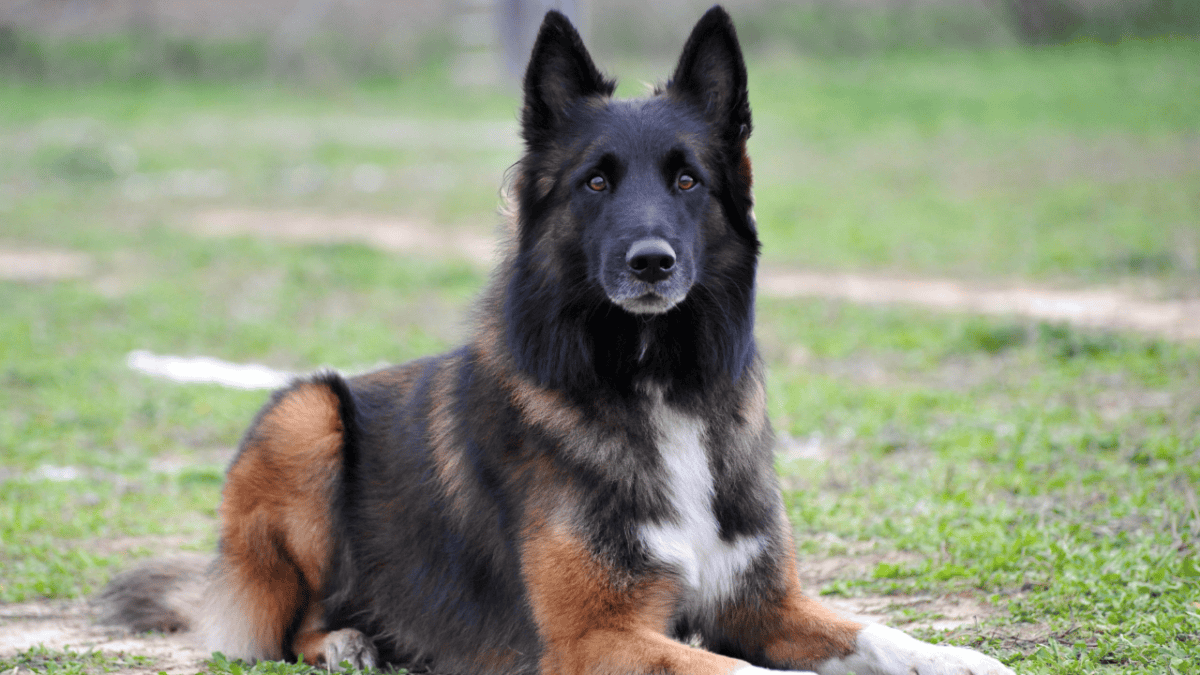
In the wild, survival often depends on cooperation. While many predators are solitary hunters, certain wild dog species have evolved remarkable pack behaviors that enable them to take down prey much larger than themselves. These canid species demonstrate extraordinary levels of coordination during hunts, with complex communication systems and clearly defined roles that would impress even the most sophisticated human tactical teams. Their hunting strategies reflect millions of years of evolutionary refinement, resulting in some of the most efficient predators on the planet. This article explores 13 wild dog species that have mastered the art of coordinated pack hunting, examining their unique approaches, success rates, and the fascinating social dynamics that make their hunting methods possible.
African Wild Dogs Nature’s Relay Racers
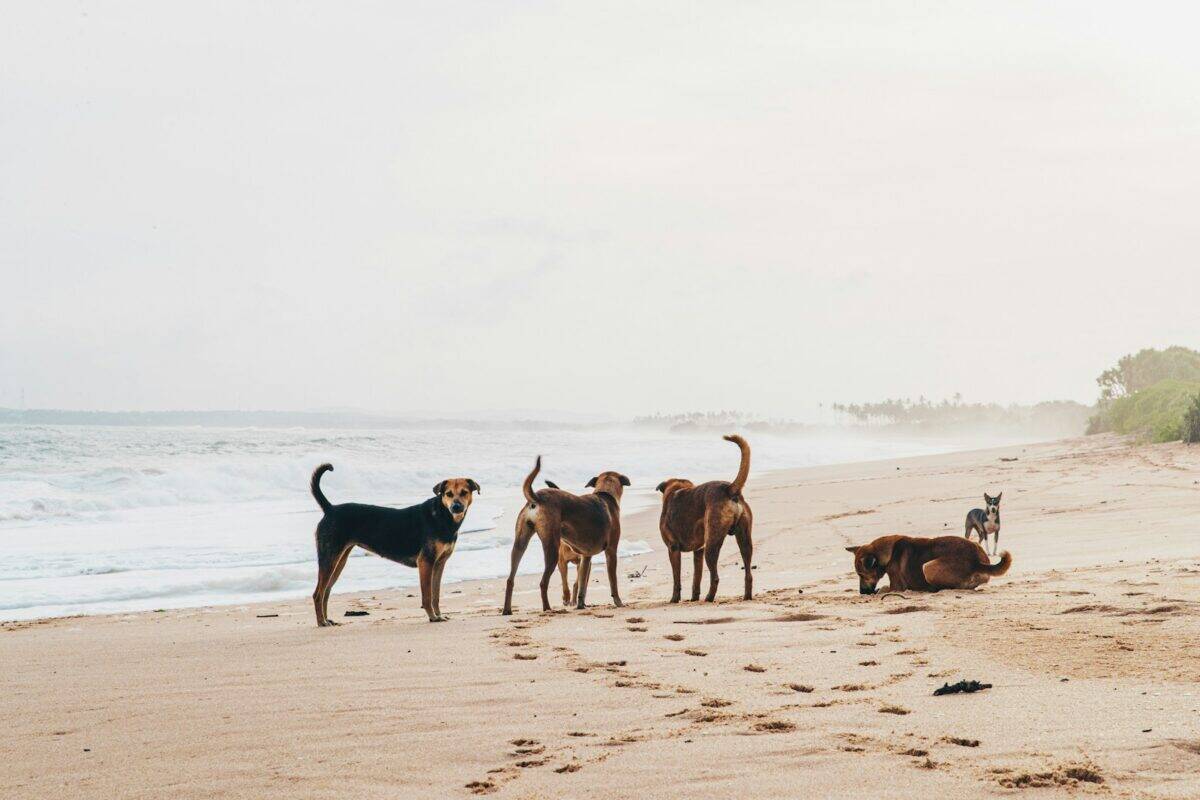
African wild dogs (Lycaon pictus), also known as painted wolves, are arguably the most successful pack hunters in the mammal kingdom, with a hunt success rate of up to 80% – far exceeding lions (30%) or wolves (14%). Their hunting strategy involves remarkable endurance and perfect coordination. A pack of 10-40 individuals will identify prey, often medium-sized antelopes, then pursue them in an exhausting chase that can extend over miles at speeds of up to 44 mph. What makes their technique truly special is their relay system – while some dogs fall back to rest, others push forward, continually rotating positions to maintain relentless pressure on the prey until it collapses from exhaustion. During these pursuits, pack members communicate constantly through high-pitched squeaking sounds and visual cues, adjusting their positions based on the prey’s movements and the terrain. This highly democratic species even votes on hunting decisions through sneezing, with a majority of sneezes indicating group consensus to begin a hunt.
Gray Wolves The Strategic Planners
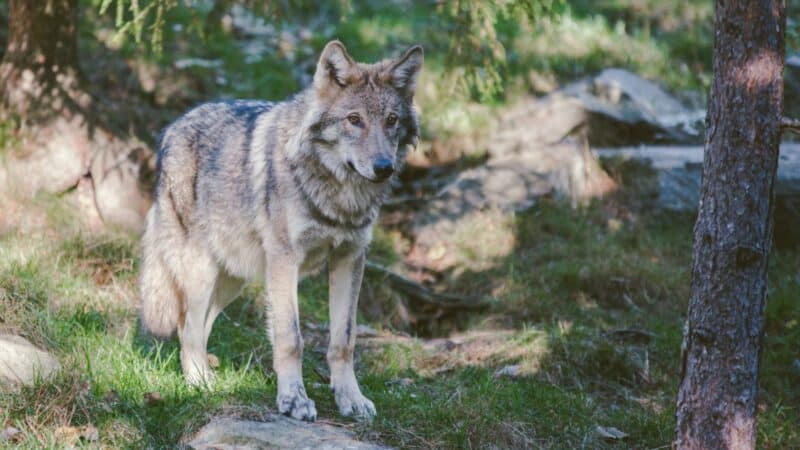
Gray wolves (Canis lupus) employ extraordinary tactical intelligence during their hunts. Packs typically consist of 4-7 individuals (though they can reach up to 15), led by an alpha pair who direct hunting operations. What distinguishes wolf hunts is their elaborate planning phase – they carefully select their target from a herd, typically choosing animals that appear weak, injured, or young. Wolves will strategically position members to cut off escape routes while others initiate the chase. Different wolves fulfill specific roles – some serve as “scouts” who track prey, others as “drivers” who push prey in specific directions, and “ambushers” who wait to intercept. Studies have documented wolf packs spending days tracking large prey like elk or moose before executing precisely timed attacks. Their communication system includes a combination of howls, barks, whines, and body language that allows them to coordinate over vast territories spanning up to 1,000 square miles. Perhaps most impressively, wolves adapt their strategies based on terrain, weather conditions, and the specific type of prey they’re pursuing.
Dholes Asia’s Whistling Hunters

Dholes (Cuon alpinus), also called Asiatic wild dogs, are among the most vocal pack hunters in the canid family. These rusty-red dogs native to Central, South, and Southeast Asia hunt in packs of 5-12 individuals (though historical records document packs of up to 40). What sets dholes apart is their elaborate vocal communication system – they produce an astonishing array of whistles, chatters, and high-pitched screams that allow them to coordinate complex maneuvers through dense forest environments where visual contact is limited. During hunts, dholes use their stamina to wear down prey like deer, wild boar, and occasionally larger animals like gaur (Indian bison). Their hunting technique involves splitting into smaller groups – some members chase the prey toward others waiting in ambush positions. Unlike most canids, dholes have specialized teeth and jaws that allow them to shear through flesh, enabling them to begin consuming their prey while it’s still alive – a brutal but efficient adaptation that lets them eat quickly before tigers or leopards can steal their kill. Despite weighing only 30-50 pounds individually, dhole packs can successfully take down prey ten times their size.
Ethiopian Wolves Specialized Rodent Hunters

Ethiopian wolves (Canis simensis) present a fascinating variation on pack hunting. These critically endangered canids (with fewer than 500 remaining) live in packs of 3-13 individuals in the Ethiopian highlands. Unlike other pack-hunting canids that target large prey, Ethiopian wolves have evolved to specialize in catching rodents, particularly giant mole-rats. Their hunting strategy demonstrates remarkable coordination despite the small size of their targets. Pack members spread out across grasslands, hunting individually but maintaining constant visual contact through their bright reddish coats that stand out against the alpine meadows. When a wolf spots a concentration of rodent activity, it signals to other pack members who quickly join in to form a coordinated hunting party. They employ a fascinating technique where multiple wolves will simultaneously dig into different rodent tunnel entrances, ensuring no escape routes remain open. While each wolf typically catches its own prey, the pack works as a synchronized unit to maximize hunting efficiency across their territory. This collaborative approach to small prey hunting is unique among wild canids and shows how pack coordination can evolve for different ecological niches.
Coyotes Adaptable Team Tacticians
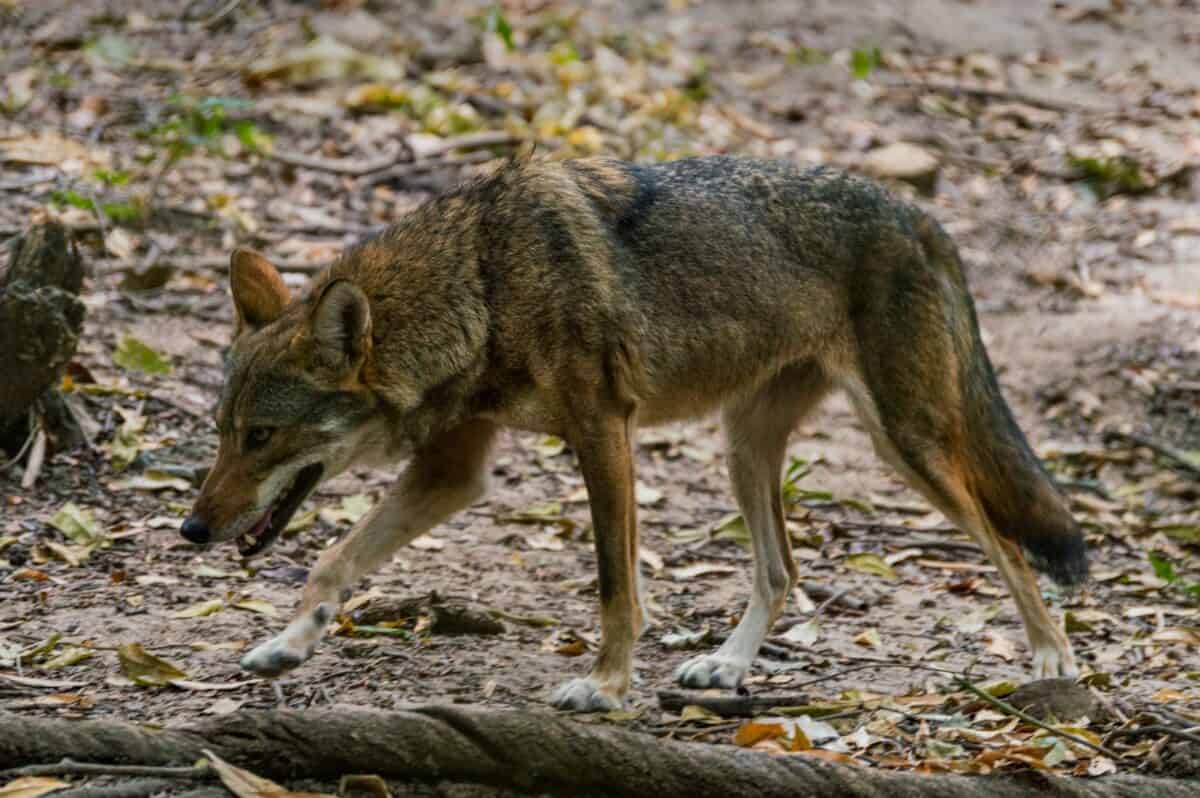
Coyotes (Canis latrans) demonstrate remarkable behavioral flexibility in their hunting approaches. While often portrayed as solitary hunters, research has documented sophisticated coordinated hunting behaviors, particularly in areas where they target larger prey. Coyote packs typically comprise family units of 5-6 individuals, though larger groups form in some regions. Their adaptability is their greatest strength – coyotes adjust their hunting tactics based on prey size, terrain, and seasonal conditions. When hunting large animals like deer, coyotes employ a strategy where several pack members will chase the prey toward others lying in ambush. They’re also known to use diversion tactics where one coyote will distract a protective mother while others target her offspring. In regions where they coexist with wolves, coyotes have been observed adopting and modifying wolf hunting techniques. Perhaps most impressively, studies in Yellowstone National Park have documented coyotes forming temporary hunting alliances with badgers. In these partnerships, coyotes chase prey on the surface while badgers pursue them underground, creating an inescapable hunting team. This ability to coordinate not just within their species but with entirely different animals demonstrates the coyote’s exceptional cognitive flexibility.
Dingoes Australia’s Adaptive Pack Hunters

Dingoes (Canis lupus dingo) have developed hunting strategies uniquely adapted to Australia’s harsh environments. These wild dogs typically form packs of 3-12 individuals, usually comprised of related animals. Their hunting coordination shows remarkable situational awareness and environmental adaptation. When pursuing kangaroos – their preferred large prey – dingoes implement a multi-phase strategy. They begin with a careful stalk where pack members spread out in a semi-circle formation. Once the prey is spotted, several dingoes create a distraction while others quietly move into ambush positions. During the chase phase, dingoes rotate pursuit duties to conserve energy while maintaining constant pressure on the fleeing kangaroo. They demonstrate exceptional skill at herding prey toward natural barriers like cliffs or water bodies. Dingoes also adjust their pack size based on prey type – forming larger groups when targeting large kangaroos but hunting in pairs or trios for smaller prey. Research has documented dingoes using complex vocalizations including howls, growls, and snuffs to coordinate position changes during hunts. Perhaps most impressively, dingoes in certain regions have been observed creating temporary hunting alliances with unrelated packs to target especially large prey, showing a level of social flexibility rarely seen in wild canids.
Bush Dogs Aquatic Pack Hunters
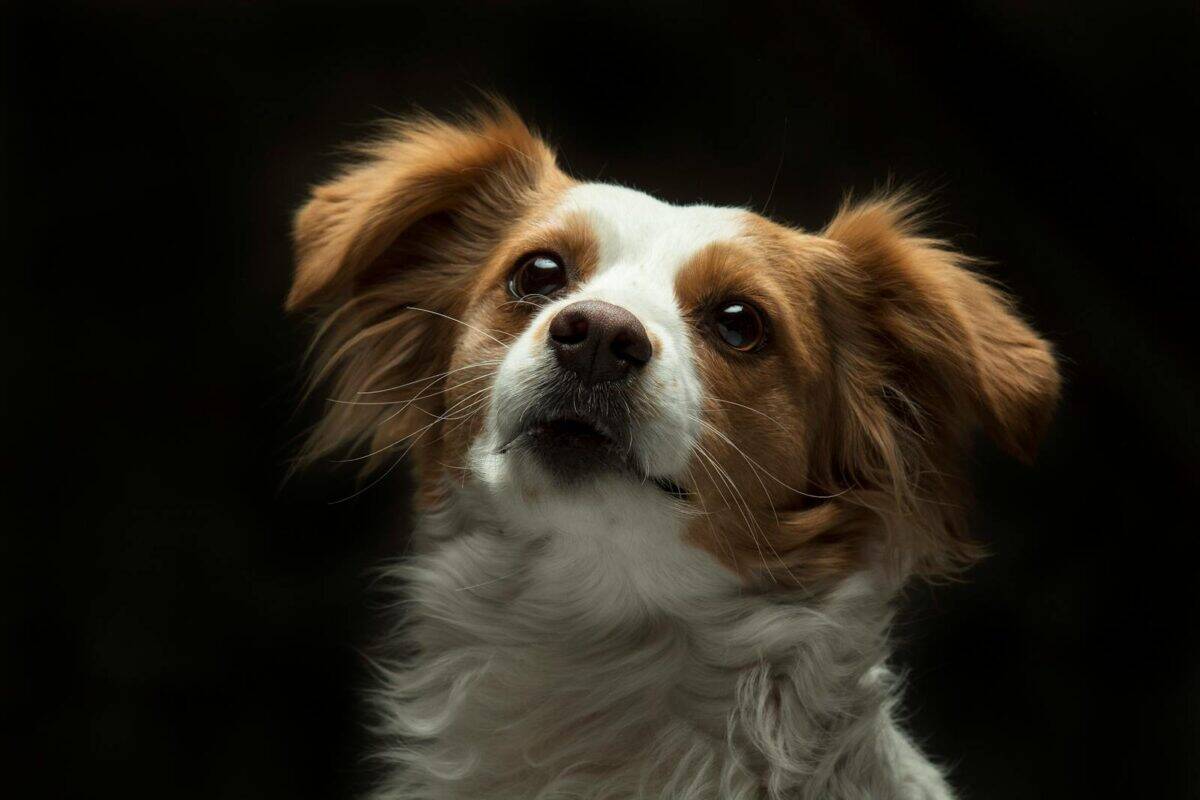
Bush dogs (Speothos venaticus) are among the most unusual canids, with a hunting style that combines aspects of both dogs and otters. Native to Central and South America, these short-legged, stocky dogs typically form packs of 5-10 individuals. What makes their hunting behavior remarkable is their semi-aquatic approach – bush dogs are excellent swimmers and frequently pursue prey through water, a rarity among canids. Their coordinated hunting demonstrates sophisticated spatial awareness. When targeting large rodents like agoutis or pacas, the pack splits into smaller units that move through the underbrush in a leapfrog pattern, with some members flushing prey while others race ahead to cut off escape routes. Their vocalizations during hunts include unique high-pitched whines and bird-like chirps that allow them to maintain contact in dense jungle environments. Perhaps most impressively, bush dogs have been documented using relay swimming techniques when chasing prey across water bodies, with different pack members taking turns pursuing while others rest or position themselves at strategic exit points. This combination of terrestrial and aquatic hunting coordination represents a unique adaptation among canid species.
Jackals Opportunistic Team Hunters
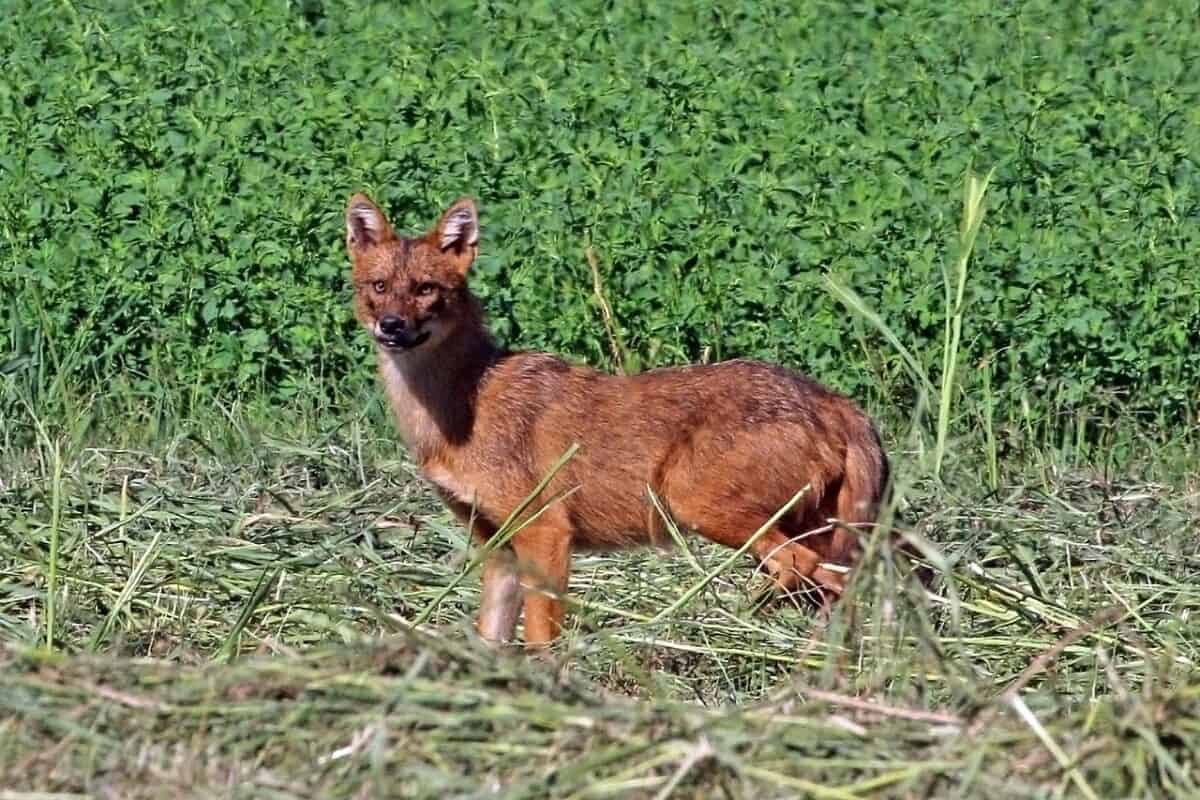
Black-backed jackals (Canis mesomelas), side-striped jackals (Canis adustus), and golden jackals (Canis aureus) demonstrate varying degrees of coordinated hunting behavior across Africa and parts of Asia. While often portrayed as scavengers, jackals actually employ sophisticated cooperative hunting strategies when targeting certain prey. Black-backed jackals, in particular, show impressive coordination when hunting gazelle fawns or small antelope. Mated pairs work in tandem – one jackal will deliberately attract the attention of a mother antelope, drawing her away from her hidden fawn, while the other jackal locates and captures the undefended young. When hunting small animals like hares, jackals use a fascinating encirclement technique where pack members form a gradually tightening ring around the prey’s location. Their communication during hunts includes a complex repertoire of yaps, howls, and body signals. Jackals also demonstrate remarkable opportunistic coordination – they’ve been observed formulating impromptu hunting parties with unrelated individuals when larger prey becomes available. Studies in the Serengeti have documented jackals cooperatively hunting adult gazelles using relay techniques similar to those of African wild dogs, though on a smaller scale. This behavioral flexibility allows jackals to exploit a wide range of prey across diverse ecosystems.
Raccoon Dogs Underrated Team Foragers
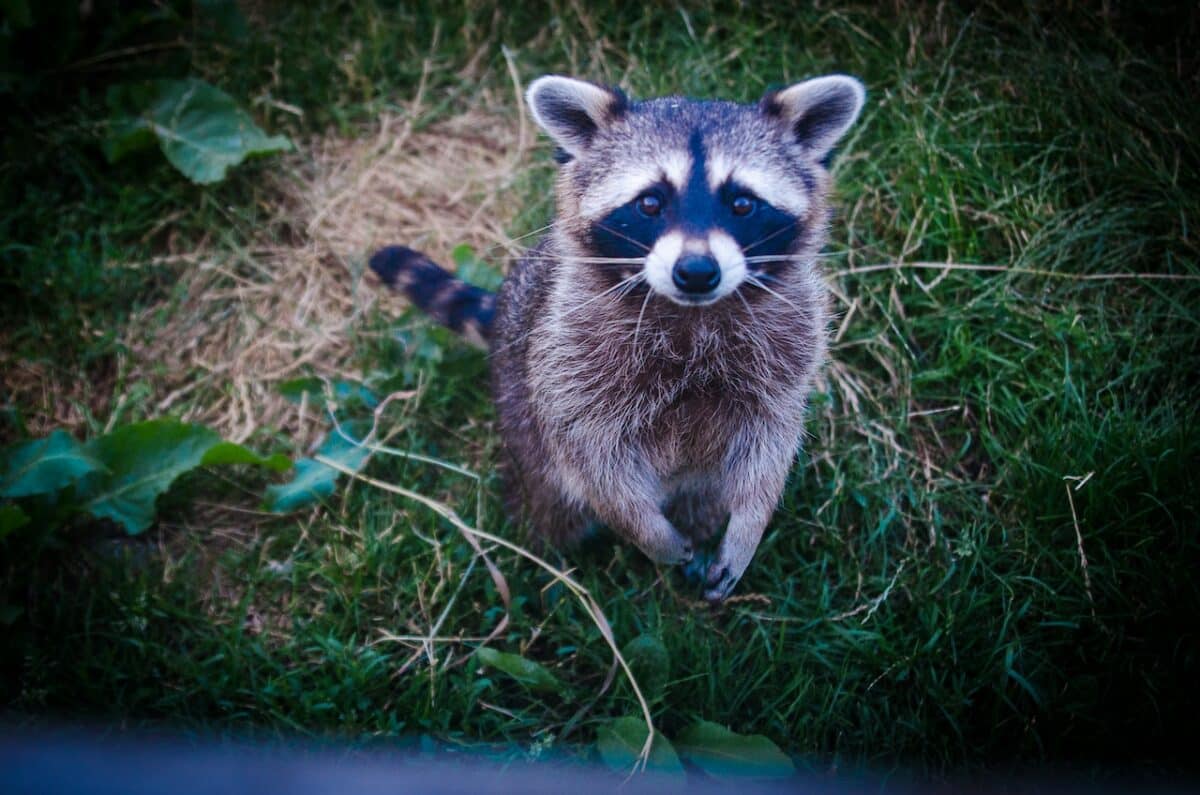
Raccoon dogs (Nyctereutes procyonoides), native to East Asia but now established as an invasive species in parts of Europe, display a less predatory but still highly coordinated form of pack hunting behavior. These omnivorous canids form family groups of 4-5 individuals that work together to maximize foraging efficiency. Unlike the high-speed pursuits of wolves or wild dogs, raccoon dog “hunts” involve methodical, synchronized movements through their territory in search of small prey, eggs, and plant foods. Their coordination is particularly evident during amphibian hunts – family groups will systematically search wetland edges, using their sensitive paws to locate frogs and salamanders hiding in mud or vegetation. Pack members maintain constant communication through soft whines and barks, alerting others when food sources are discovered. During seasonal prey abundances, such as frog or crayfish migrations, raccoon dogs demonstrate remarkable spatial organization – spreading out in precise patterns to cover maximum ground while still maintaining visual contact. While less dramatic than the pursuits of larger canids, raccoon dog foraging coordination represents an important adaptation for this highly successful omnivorous species.
Maned Wolves The Solitary Exceptions

Maned wolves (Chrysocyon brachyurus) of South America present a fascinating evolutionary contrast to pack-hunting canids. Despite their name and wolf-like appearance, these distinctive long-legged canids hunt almost exclusively alone, representing an evolutionary path away from pack behavior. Adult maned wolves form monogamous pairs but hunt separately, employing a methodical stalking and pouncing technique more reminiscent of foxes than wolves. Their diet consists primarily of small animals and fruits. However, during the brief period when they raise young, maned wolves demonstrate rudimentary coordinated hunting behaviors. Researchers have observed parent pairs executing synchronized movements when teaching juveniles to hunt, with adults positioning themselves on opposite sides of prey locations and coordinating their approaches to maximize capture success. These temporary hunting collaborations offer a fascinating glimpse into how pack hunting may have evolved in other canid species – beginning with simple parent-offspring coordination that later extended into more permanent social structures. The maned wolf’s limited cooperative hunting represents an evolutionary intermediate between solitary and pack-hunting canids, providing valuable insights into the development of coordinated predation strategies.
Red Wolves Precision Small-Pack Hunters

Red wolves (Canis rufus), critically endangered natives of the southeastern United States, employ hunting strategies perfectly adapted for their historical habitat of forests, swamps, and coastal prairies. Unlike the larger packs of gray wolves, red wolves typically operate in small family groups of 5-8 individuals. Their hunting coordination demonstrates remarkable precision and role specialization. When targeting white-tailed deer, red wolves use a distinctive “split-and-surround” technique where pack members separate into smaller units that approach prey from multiple angles, effectively cutting off escape routes. Their communication during hunts includes subtle vocalizations and tail positions that allow for silent coordination in dense forest environments. Red wolves show exceptional adaptability in their hunting approaches – they adjust pack spacing and pursuit techniques based on whether they’re moving through open grasslands, wetlands, or thick forests. Research in reintroduction areas has documented red wolves employing different coordinated strategies for different prey sizes – using direct pursuit for rabbits but elaborate ambush techniques for deer. Their hunting success relies less on stamina than on precise positioning and coordination between pack members. These sophisticated small-pack tactics represent a distinct hunting style evolved for the unique ecological conditions of the American Southeast.
Coywolves Hybrid Hunting Innovation

Coywolves – hybrids between coyotes, wolves, and occasionally domestic dogs – represent one of the most fascinating recent developments in canid evolution, particularly in eastern North America. These adaptable hybrids combine hunting behaviors from their parent species into innovative new strategies. Coywolf packs, typically comprising 3-5 individuals, demonstrate hunting coordination that blends the persistence of wolf packs with the opportunistic flexibility of coyotes. Researchers have documented coywolves using remarkably sophisticated urban hunting techniques, including coordinated ambushes near highway edges where deer frequently cross and synchronized harassment strategies to separate young deer from protective mothers. Their communication system includes a diverse vocal repertoire that incorporates elements from both ancestral species. Perhaps most impressively, coywolves show rapid adaptive learning – packs have been observed modifying their hunting techniques after both successful and unsuccessful attempts, suggesting a level of strategic planning rarely documented in canids. In some regions, coywolves employ relay hunting similar to African wild dogs but adapted for fragmented suburban landscapes. This hybrid vigor in hunting behavior may explain their rapid range expansion across eastern North America despite intensive human development.
Domestic Dogs Gone Feral Reclaiming Ancestral Skills

Feral domestic dogs (Canis familiaris) that have established self-sustaining populations in the wild provide a remarkable window into the evolutionary plasticity of canid hunting behavior. While most pet dogs have had pack hunting traits selectively bred out of them, feral populations rapidly reclaim these ancestral behaviors within just a few generations. Studies of feral dog packs in regions from Italy to India document sophisticated coordination during hunts. In rural Italy, researchers have observed packs of 5-8 feral dogs using strategic ambush techniques when hunting wild boar, with different dogs taking positions as drivers, flankers, and blockers – roles remarkably similar to those in wolf packs. In India, feral dog packs demonstrate “swarm hunting” behaviors when targeting small prey, creating moving perimeters that gradually constrict around the target. Their communication includes a complex combination of vocalizations and body language. Most fascinating is the speed at which these coordinated behaviors emerge – within 3-4 generations, feral dog populations develop hunting coordination indistinguishable from their wild ancestors, despite thousands of years of domestication. This rapid behavioral reversion suggests that the neural frameworks for coordinated hunting remain dormant rather than eliminated in domestic dogs, awaiting the proper environmental triggers to re-emerge.
Conclusion: The Evolutionary Marvel of Canid Pack Hunting
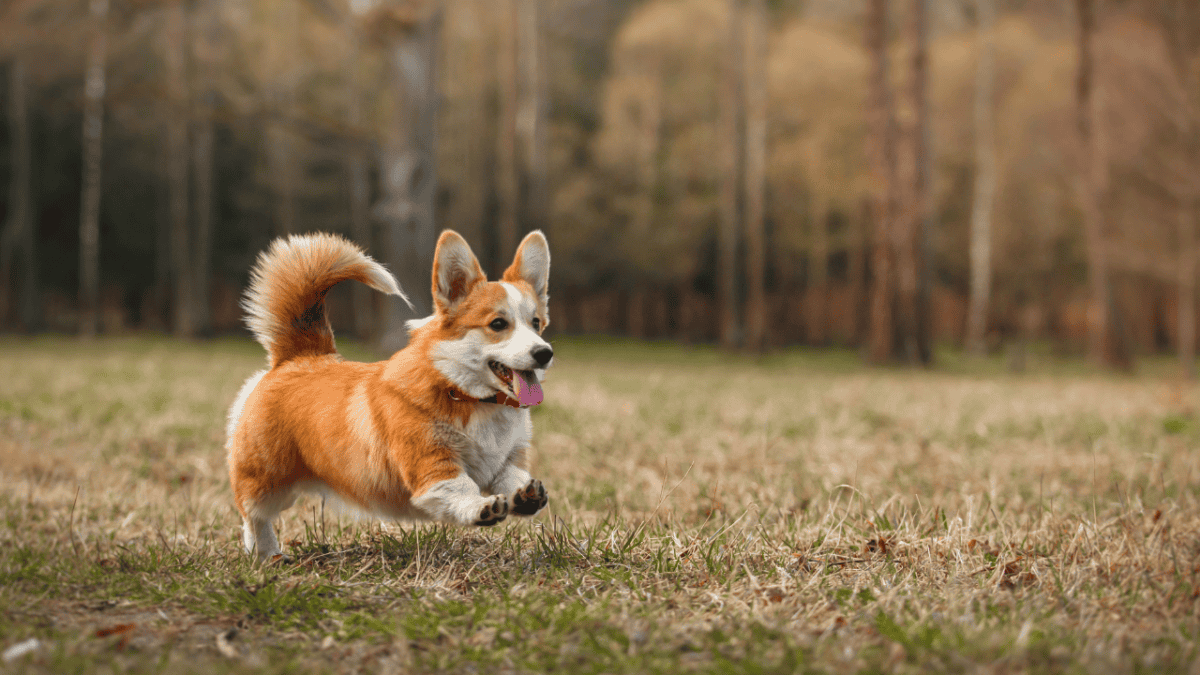
The diverse pack hunting strategies employed by wild dogs across the globe represent one of evolution’s most impressive achievements in cooperative behavior. From the relentless relay runners of the African savanna to the strategic planners of northern forests, these canids have developed coordination systems that allow relatively small predators to take down prey many times their size. Their success relies not just on physical adaptations but on complex communication, role specialization, and spatial awareness that border on tactical planning. These hunting behaviors have evolved independently in multiple canid lineages across different continents, suggesting powerful selective

As a little kid, I fell in love with nature, wildlife, and animals. Living in the USA, South Africa, Italy, China and Germany gave me the opportunity to discover the world's Wildlife. My favorite animals are Mountain Gorillas, Siberian Tigers, and Great White Sharks.
I'm a certified PADI Open Water Diver, went to Everest Base Camp and Trekked Gorillas in Uganda. I hold a Master of Science in Economics and Finance.
Please send any feedback to feedback@animalsaroundtheglobe.com
- 11 Most Endangered Insects Buzzing in America Today - July 22, 2026
- 10 Most Frequently Googled Animal Birth Facts - July 22, 2026
- 10 Incredible Migration Journeys in the Animal Kingdom - July 22, 2026