
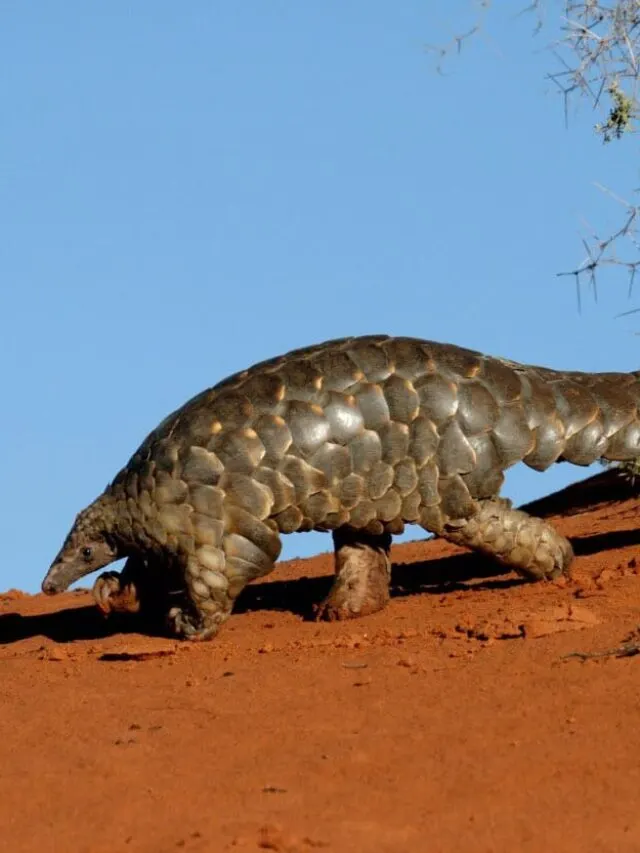
Hidden in the shadows of wildlife conservation efforts are pangolins – remarkable creatures covered in protective scales that ironically make them targets for poachers worldwide. These shy, nocturnal mammals have earned the unfortunate distinction of being the most trafficked mammals on Earth. Despite their ecological importance and unique biological characteristics, pangolins face an existential threat due to rampant illegal trade. Their population has declined dramatically over recent decades, pushing all eight species toward extinction. This article explores the multifaceted reasons behind the pangolin trafficking crisis, the devastating consequences of this trade, and the urgent conservation efforts needed to protect these extraordinary animals before they disappear forever.
What Are Pangolins? Understanding These Unique Mammals

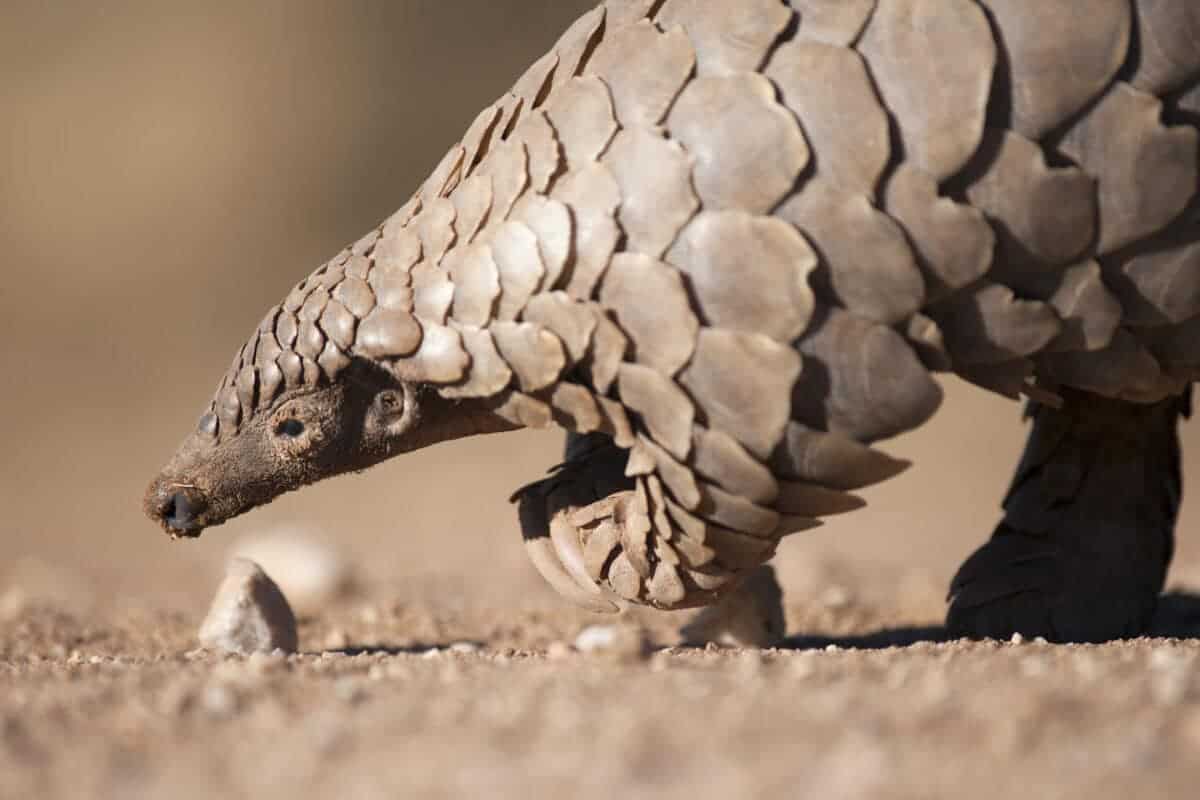
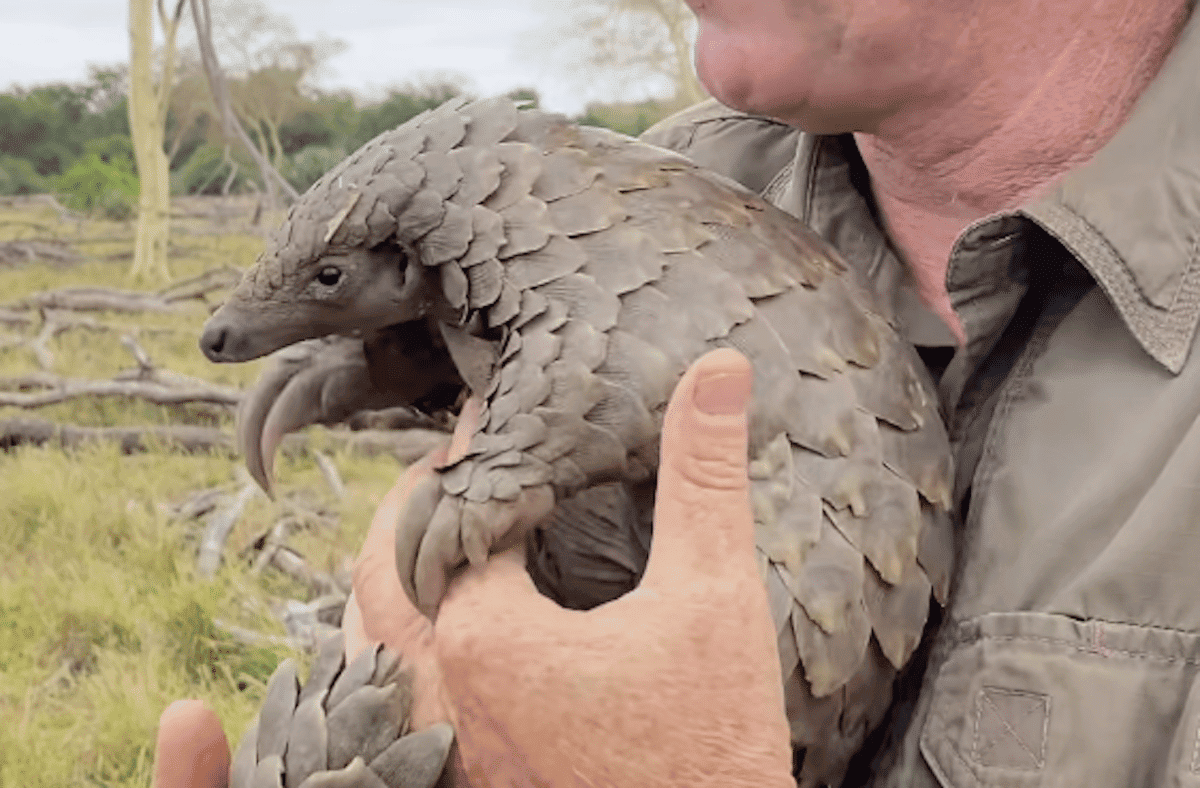
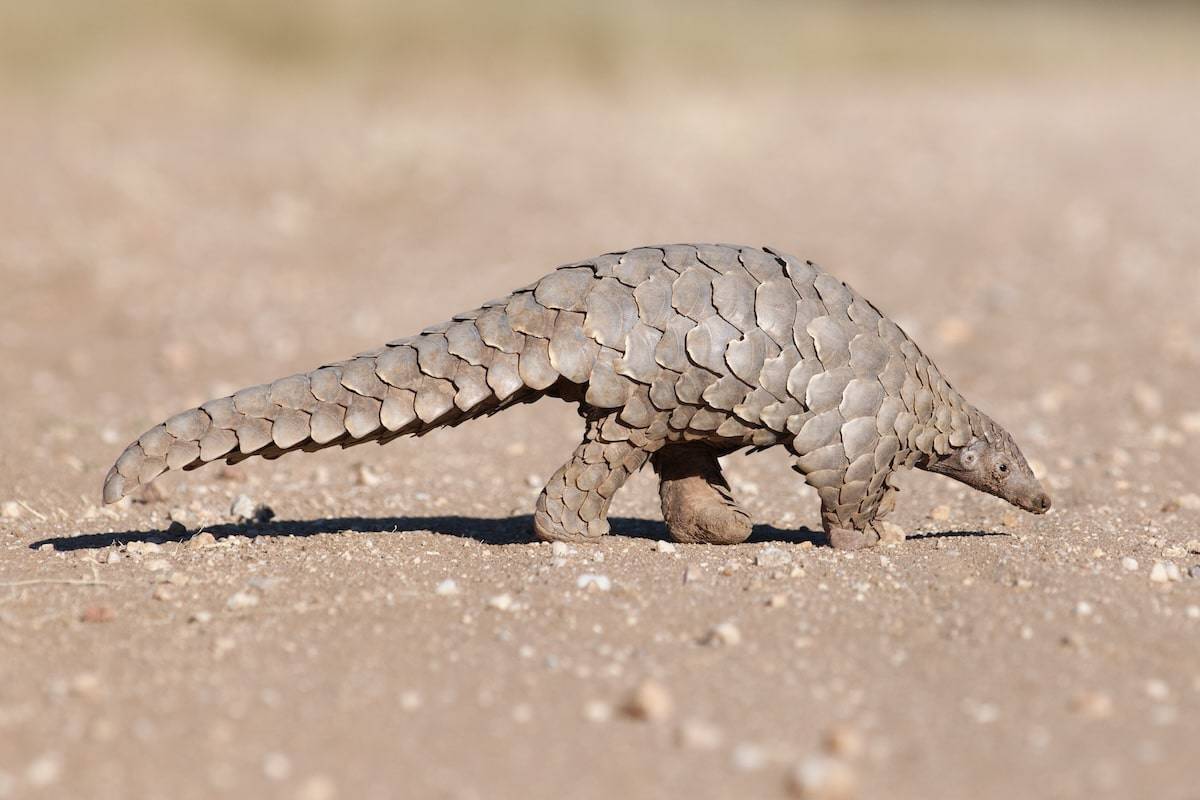
Pangolins are distinctive mammals belonging to the order Pholidota, comprising eight species distributed across Asia and Africa. Often mistaken for reptiles due to their scale-covered bodies, pangolins are actually mammals that nurse their young and maintain warm-blooded physiologies. These remarkable creatures are the world’s only truly scaly mammals, with keratin scales (the same protein found in human fingernails) covering their bodies like protective armor. When threatened, pangolins roll into a tight ball, using their scales as impenetrable shields against predators. They range in size from the small Philippine pangolin weighing about 1-2 kg to the giant ground pangolin of Africa reaching up to 33 kg. With specialized adaptations like powerful claws for digging and long, sticky tongues that can extend up to 40 cm to extract ants and termites from their nests, pangolins have evolved remarkable specializations for their insectivorous diet.
The Staggering Scale of Pangolin Trafficking

The magnitude of pangolin trafficking is profoundly disturbing, with estimates suggesting that over one million pangolins have been poached from the wild in the past decade alone. According to data from the International Union for Conservation of Nature (IUCN), this makes them the most illegally trafficked mammals in the world, surpassing even elephants and rhinos. Seizure records reveal the industrial scale of this trade, with tons of pangolin scales regularly intercepted in shipping containers. In 2019, Singapore authorities made a record-breaking seizure of 12.9 tons of pangolin scales—representing approximately 36,000 pangolins—in a single shipment. Between 2016 and 2019, an estimated 206.4 tons of pangolin scales were confiscated globally, equivalent to roughly 500,000 pangolins. These figures only represent detected cases, suggesting the actual numbers of trafficked pangolins are substantially higher. The sheer volume of this trade has pushed all eight pangolin species onto the IUCN Red List, with three species classified as Critically Endangered.
Medicinal Myths: Traditional Asian Medicine and Pangolin Parts

One of the primary drivers behind pangolin trafficking is their use in traditional Asian medicine, particularly in China and Vietnam. Pangolin scales—despite being composed of keratin with no proven medicinal properties—are ground into powder and used in remedies claimed to treat a wide range of ailments including arthritis, cancer, and asthma. Traditional beliefs hold that pangolin scales can promote blood circulation, stimulate lactation in new mothers, and reduce inflammation. Historical medical texts dating back to the 16th century mention pangolin scales as medicinal ingredients, entrenching these practices in cultural tradition. Modern scientific research, however, has found no evidence supporting these purported health benefits. The demand persists despite the lack of scientific validation, driven by deeply rooted cultural practices and beliefs. This medicinal use accounts for an estimated 70% of all pangolin trafficking, making it the single largest threat to pangolin populations worldwide.
Luxury Consumption: Pangolin Meat as Status Symbol
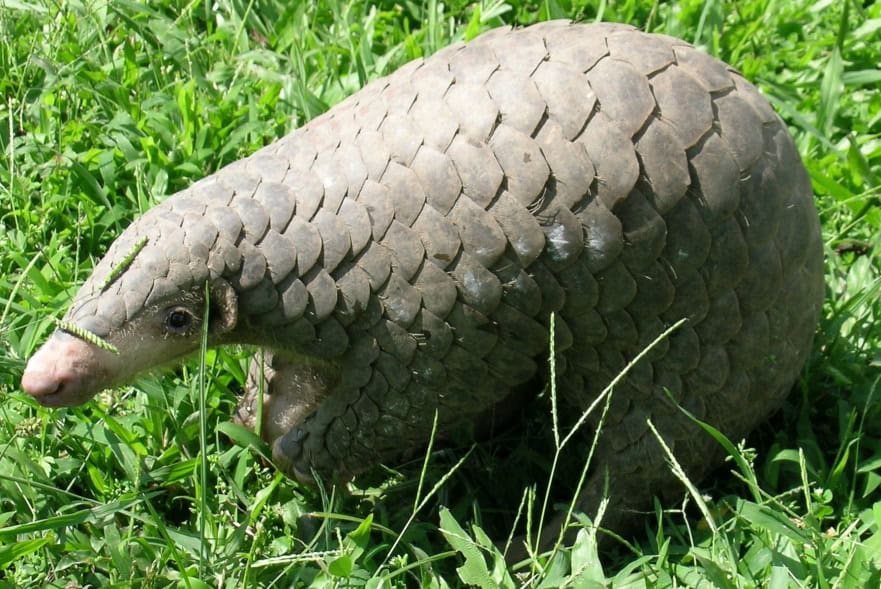
Beyond medicinal use, pangolin meat has become a high-status delicacy in parts of Asia, particularly China and Vietnam, where it can command prices exceeding $200 per kilogram. Considered a luxury item due to its rarity and illegal status, pangolin meat is served in exclusive restaurants to wealthy clientele as a display of affluence and social status. The consumption often involves elaborate preparation rituals, with some establishments allowing customers to select live pangolins before slaughter. This gastronomic demand is especially harmful because it targets whole animals rather than just their scales, compounding population declines. As wild pangolins have become scarcer, prices have increased, creating a perverse economic incentive where greater endangerment leads to higher market value. This luxury consumption represents approximately 30% of the pangolin trade and disproportionately affects certain species, particularly the Chinese pangolin, which has seen population declines of over 90% in some regions.
The Complex Trafficking Networks

Pangolin trafficking operates through sophisticated international criminal networks spanning multiple countries and continents. These operations typically begin with local hunters in rural areas of Africa and Asia who trap pangolins using snares or hunting dogs. The animals or their parts then move through a chain of middlemen who consolidate shipments and arrange transportation across borders. International crime syndicates, often the same organizations involved in other wildlife trafficking, drugs, and weapons, oversee the larger operations. Trafficking routes have adapted in response to enforcement efforts, with smugglers using increasingly sophisticated methods to evade detection. Major transit hubs include Hong Kong, Singapore, and ports in East Africa, with shipments often disguised as legal commodities or hidden among legitimate cargo. Recent investigations have revealed that criminal networks frequently mix pangolin scales with elephant ivory shipments, utilizing established smuggling channels. Technology has facilitated this illicit trade, with social media platforms and encrypted messaging services now commonly used to arrange transactions while minimizing risk of detection.
Why Pangolins Are Particularly Vulnerable

Several biological factors make pangolins especially vulnerable to over-exploitation. Their low reproductive rate—typically producing only one offspring per year—means populations recover extremely slowly from hunting pressure. Pangolins reach sexual maturity relatively late (2-3 years) and have long gestation periods of 3-5 months depending on the species. Their specialized diet of ants and termites makes them nearly impossible to breed successfully in captivity, eliminating captive breeding as a viable conservation strategy. When threatened, pangolins curl into a defensive ball rather than fleeing, making them easy targets for hunters who can simply pick them up. This defense mechanism, highly effective against natural predators, is tragically counterproductive against human poachers. Additionally, most pangolin species are solitary and nocturnal, with extremely shy temperaments and low population densities, making them difficult to study, monitor, and protect. These biological vulnerabilities, combined with intensive hunting pressure, create a perfect storm pushing pangolins toward extinction at an alarming rate.
The Legal Loopholes and Enforcement Challenges

Despite international protection under CITES (Convention on International Trade in Endangered Species), which banned all international commercial trade in pangolins and their parts in 2017, significant enforcement challenges remain. Many range countries lack the resources, capacity, or political will to effectively combat wildlife trafficking. Corruption within enforcement agencies creates opportunities for smugglers to bypass checkpoints or retrieve confiscated goods. Even when seizures occur, prosecutions are rare and penalties often insufficient to deter future trafficking. Legal loopholes in domestic markets complicate enforcement efforts; for example, some countries allowed the sale of stockpiled pangolin scales through legal exemptions until recently. The high value-to-volume ratio of pangolin scales makes them an attractive commodity for traffickers, as a small shipment can yield substantial profits while being relatively easy to conceal. Border detection is challenging due to the difficulty in identifying processed pangolin products without specialized training or equipment. Furthermore, many frontline enforcement officers lack the expertise to distinguish between pangolin species, complicating the application of protection laws that may vary by species.
Ecological Impact: Why Pangolins Matter

Pangolins play crucial ecological roles in their native habitats, making their decline particularly concerning for ecosystem health. As specialized insectivores, a single pangolin can consume up to 70 million insects annually, primarily ants and termites, naturally regulating pest populations that might otherwise damage vegetation and crops. Their foraging behavior aerates soil, improves nutrient cycling, and maintains soil health across their habitats. Pangolins are prolific diggers, creating burrows that provide shelter for numerous other wildlife species after abandonment. Their digging activities also help mix soil layers, contributing to water infiltration and reducing erosion. In some ecosystems, pangolins serve as prey for large predators, forming an important link in the food chain. Studies in African forests have demonstrated that areas with healthy pangolin populations show better seedling establishment and forest regeneration, likely due to their control of termites that might otherwise consume seeds. The decline of pangolins therefore represents not only the loss of a unique evolutionary lineage but also the disruption of important ecological functions with cascading effects throughout their native ecosystems.
The COVID-19 Connection: Pangolins and Zoonotic Disease
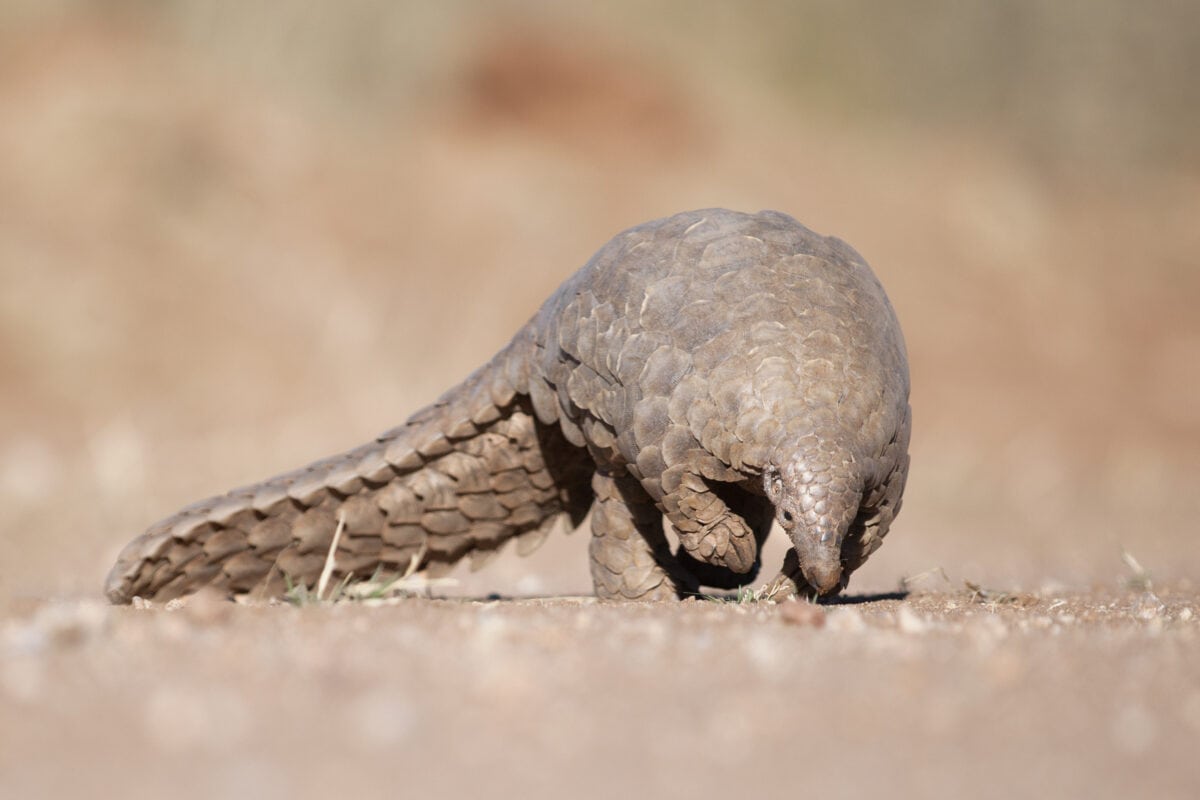
The COVID-19 pandemic brought unexpected attention to pangolins when early research suggested they might be intermediate hosts in the transmission of SARS-CoV-2 to humans. While subsequent studies have not conclusively established pangolins as the source of the pandemic virus, they did confirm that pangolins carry coronaviruses with similarities to SARS-CoV-2. This highlighted the broader public health risks associated with wildlife trafficking and consumption. The cramped, unsanitary conditions typical in wildlife trafficking—where different species are held in close proximity—create ideal environments for pathogens to jump between species and potentially to humans. An estimated 75% of emerging infectious diseases are zoonotic (transmitted from animals to humans), with wildlife trade significantly increasing transmission risks. In response to these concerns, China implemented stricter regulations on wildlife markets in 2020, removing pangolins from the official pharmacopeia of traditional Chinese medicine. While this represented a positive step for pangolin conservation, experts emphasize that disease risk is just one facet of the broader ethical and conservation imperatives for ending pangolin trafficking.
Conservation Efforts and Success Stories
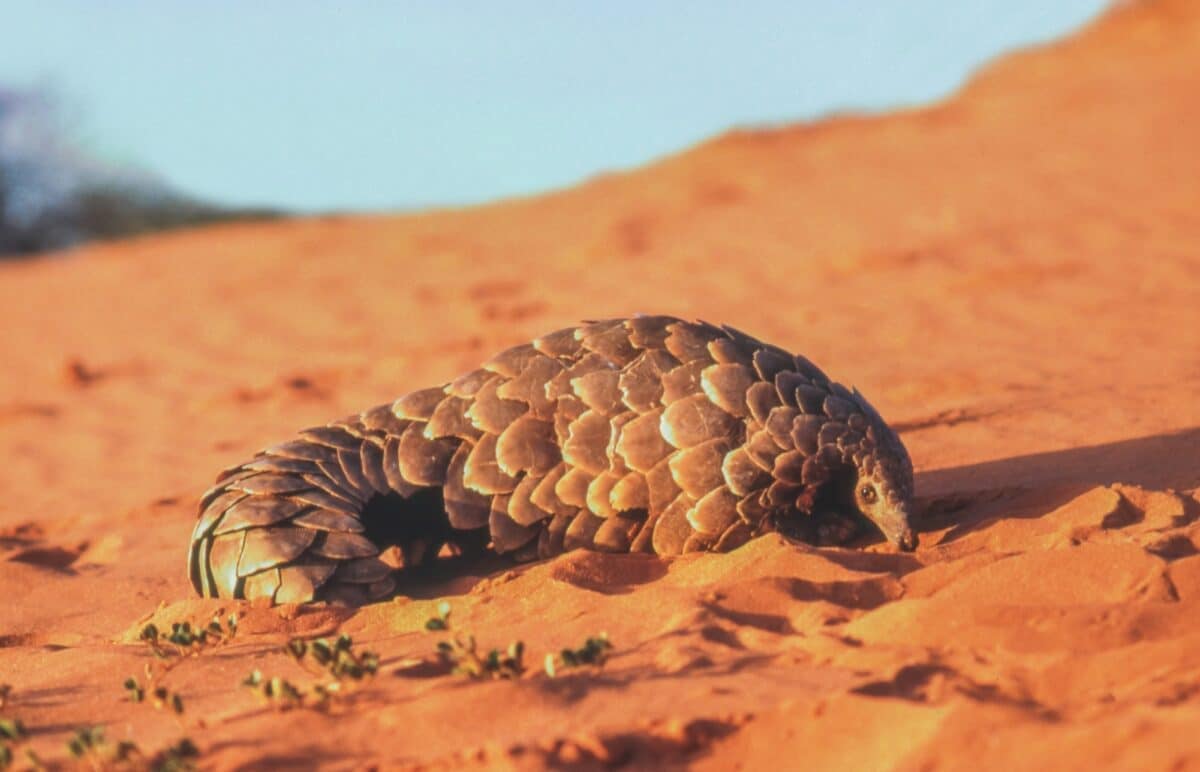
Despite the grim statistics, conservation initiatives are making progress in pangolin protection. Organizations like the Pangolin Specialist Group, Save Pangolins, and the IUCN Pangolin Specialist Group coordinate international efforts to save these mammals. Community-based conservation programs in countries like Uganda, Cameroon, and the Philippines have shown promise by engaging local communities as stakeholders in pangolin protection. These programs provide alternative livelihoods to former hunters and train community members as wildlife monitors and eco-tourism guides. Technological innovations are enhancing anti-trafficking efforts, including DNA forensics that can identify pangolin species from seized scales, helping prosecutors build stronger cases against traffickers. Detection dogs specifically trained to identify pangolin scales have been deployed at major ports and borders in countries including Thailand and Tanzania, substantially increasing interdiction rates. Public awareness campaigns have gained traction, with World Pangolin Day (celebrated the third Saturday in February) helping to raise the profile of these formerly obscure mammals. Some range states have strengthened penalties for trafficking; for example, China upgraded pangolins to the highest protection status in 2020, making penalties for trafficking comparable to those for tigers and elephants.
Demand Reduction Strategies
Long-term solutions to pangolin trafficking must address consumer demand through targeted behavior change campaigns. Research-driven approaches have identified key consumer segments and their motivations, allowing for more effective interventions. In Vietnam, campaigns featuring respected community leaders and celebrities have helped shift perceptions around pangolin consumption. Educational programs in traditional medicine schools and universities now emphasize that pangolin scales lack proven medicinal properties and promote sustainable alternatives. Corporate sector involvement has increased, with traditional medicine associations in some countries publicly rejecting pangolin products. Digital campaigns on social media platforms reach younger generations, creating social pressure against pangolin consumption. Some innovative approaches include partnerships with traditional medicine practitioners to develop and promote plant-based alternatives with similar perceived benefits. Behavioral science techniques, such as emphasizing status through conservation rather than consumption, show promise in redirecting consumer motivations. Comprehensive research by organizations like GlobeScan and TRAFFIC indicates gradual shifts in consumer attitudes, though changing deeply entrenched cultural practices requires sustained, culturally sensitive approaches over extended timeframes.
International Policy Response
The international community has strengthened protections for pangolins in recent years through policy mechanisms. The 2016 CITES Conference of Parties unanimously voted to transfer all pangolin species to Appendix I, providing the highest level of international protection by prohibiting commercial trade. This landmark decision required signatory nations to implement domestic legislation criminalizing international pangolin trafficking. The United Nations Office on Drugs and Crime (UNODC) has integrated pangolin trafficking into its wildlife crime programs, providing technical assistance and capacity building to member states. Regional cooperation mechanisms like the ASEAN Wildlife Enforcement Network facilitate cross-border operations against trafficking syndicates. The United States designated pangolins for protection under the Endangered Species Act and included them in the END Wildlife Trafficking Act, directing resources toward anti-trafficking efforts in range states. Financial institutions have begun incorporating wildlife trafficking, including pangolin trade, into their anti-money laundering frameworks, restricting the flow of illicit funds. International development agencies increasingly include pangolin conservation in funding requirements for biodiversity programs. These multi-level policy approaches create a more comprehensive framework for pangolin protection, though gaps in implementation and enforcement persist in many regions.
Conclusion: The Critical Path Forward for Pangolin Conservation
The fate of pangolins represents one of the most urgent conservation challenges of our time, requiring coordinated global action across multiple fronts. These remarkable mammals—evolutionary distinct and ecologically important—stand at a precarious crossroads where human intervention will determine whether they survive or join the growing list of species driven to extinction by human exploitation. The path forward demands strengthened enforcement against trafficking networks, continued investment in community-based conservation, and culturally nuanced demand reduction strategies that address the root causes of consumption. Perhaps most critically, pangolin conservation requires heightened public awareness and political will to prioritize the protection of species whose value transcends human utility. The modest conservation successes achieved thus far demonstrate that recovery is possible if collective action accelerates. The story of pangolins is not yet written in full—whether they persist as living examples of nature’s ingenuity or become mere footnotes in natural history museums depends on the choices and commitments made in the coming decade.

- Why a Single Blue Whale Can Reshape an Entire Ecosystem - July 22, 2026
- The Truth About Giraffes’ Silent Communication Skills - July 22, 2026
- 10 Fierce Animals That Match Elon Musk’s Fearless Ambition - July 22, 2026