

In the savannas and forests of Africa and Asia, elephant herds demonstrate one of nature’s most remarkable examples of compassion and community care through their treatment of orphaned calves. When young elephants lose their mothers to poaching, disease, or natural causes, the herd doesn’t abandon them to fate. Instead, these sophisticated social creatures rally around orphans, providing essential support that often means the difference between life and death.
This extraordinary behavior isn’t just heartwarming—it represents sophisticated social structures that have evolved over millions of years to ensure species survival. Through collective care, emotional support, and knowledge transfer, elephant herds create a safety net for their most vulnerable members, revealing profound lessons about the depth of animal emotions and the importance of community in surviving life’s harshest challenges.
The Social Structure of Elephant Herds

Elephant herds operate within complex matriarchal societies led by the oldest and most experienced female, known as the matriarch. These family units typically consist of related females and their offspring, with adult males generally living separately after reaching sexual maturity around 12-15 years of age. The average herd contains 8-10 individuals, though extended families may temporarily join to form larger groups of 50-100 elephants.
This social structure provides the foundation for orphan care, as multiple adult females within the herd can step in when a mother is lost. Research by Dr. Cynthia Moss of the Amboseli Elephant Research Project in Kenya has documented how these tight family bonds create a support system where calves benefit from the protection, knowledge, and emotional support of numerous adult relatives. The matriarch’s decades of accumulated wisdom guide the herd through difficult periods including drought, predator threats, and human conflicts—creating stability that particularly benefits vulnerable orphans.
Identifying Orphaned Calves

When a mother elephant dies, the response from the herd is immediate and purposeful. Adult females can recognize an orphaned status through a combination of behavioral signals and vocalizations from the distressed calf. Young elephants emit distinct distress calls that signal their predicament to the herd. These calls occur at specific low frequencies that can travel great distances, alerting relatives who may be separated from the immediate group.
Scientists have documented that elephants produce over 70 distinct vocalizations, with specific sounds dedicated to alarm, distress, and reassurance. Beyond vocalizations, herd members recognize orphan status through the calf’s behavior—increased agitation, searching movements, and attempts to nurse from unrelated females. Researchers at the Elephant Listening Project have recorded how herds respond to these signals with increased attentiveness, protective clustering around the orphan, and comforting touches with their trunks. This rapid identification system ensures that orphaned calves rarely go unnoticed for long within functional herds.
The Role of Allomothers in Orphan Care

One of the most fascinating aspects of elephant orphan care is the emergence of “allomothers”—adult or adolescent females who assume maternal responsibilities for calves that aren’t their own. These surrogate mothers often include grandmothers, aunts, older sisters, or even unrelated females with strong bonds to the original mother. Studies in Amboseli National Park have shown that orphans typically acquire multiple allomothers rather than just one replacement caregiver.
These females coordinate to provide comprehensive care, with different individuals contributing based on their experience and resources. Young female elephants often serve as “apprentice” allomothers, gaining valuable parenting experience before having their own calves. This practice benefits both the orphan and the adolescent females, who develop crucial skills that will improve survival rates for their future offspring. The phenomenon of allomothering demonstrates elephants’ extraordinary capacity for empathy and social cooperation—behaviors once thought unique to humans but now recognized as foundational to elephant society.
Nutritional Support for Orphaned Calves

Perhaps the most immediate challenge for orphaned elephant calves is nutrition. Young elephants normally nurse for 3-5 years, with milk remaining a critical part of their diet for the first two years. When a mother dies, this essential nutrition source is lost. The herd addresses this crisis through remarkable adaptations. In some cases, lactating females within the herd may allow orphans to nurse alongside their own calves, though this depends on having sufficient milk production. More commonly, allomothers accelerate the orphan’s transition to solid foods by guiding them to appropriate vegetation and demonstrating proper foraging techniques.
Researchers at the Sheldrick Wildlife Trust have observed how allomothers use their trunks to place suitable vegetation directly into orphans’ mouths and demonstrate chewing techniques. Additionally, herds with orphans often adjust their movement patterns to remain near water sources and areas with softer vegetation that younger calves can digest more easily. Despite these adaptations, orphans still face significant nutritional challenges, which explains why human conservation facilities focus primarily on providing milk substitutes for rescued elephant calves under three years old.
Emotional Support and Physical Contact

Elephants are highly emotional creatures that process grief, fear, and stress in ways remarkably similar to humans. For orphaned calves, the emotional trauma of losing a mother can be as threatening to survival as the nutritional challenges. Elephant herds address this through deliberate comforting behaviors. Allomothers and other herd members regularly engage in physical contact with orphans, including trunk touches to the face and mouth, body rubs, and protecting the calf by positioning their bodies between the orphan and perceived threats.
Dr. Joyce Poole, who has studied elephant behavior for over 40 years, has documented how these physical interactions trigger oxytocin release—the same “bonding hormone” that facilitates human parent-child attachment. Herds also engage in synchronized behaviors like mud bathing, dust bathing, and play that help integrate orphans into daily routines. Perhaps most poignantly, allomothers often sleep standing over or beside orphaned calves, maintaining physical contact throughout the night. This constant reassurance helps orphans regulate stress hormones and maintain the emotional stability necessary for healthy development.
Protection from Predators and Threats

Young elephants are vulnerable to predation from lions, hyenas, crocodiles, and in some regions, tigers. Orphaned calves face heightened risk because they’ve lost their primary defender. Elephant herds counter this vulnerability by implementing specialized protective formations around orphans. Typically, the youngest members (including orphans) are positioned in the center of the group during travel, surrounded by adult females who create a defensive perimeter.
When threats are detected, adults form outward-facing circles around calves, using their size and tusks as deterrents. Research in Hwange National Park found that herds with orphans display heightened vigilance, with more frequent alarm calls and defensive posturing than those without vulnerable members. The matriarch coordinates these protective responses based on her assessment of the threat level. Studies show that herds led by older, more experienced matriarchs (40+ years old) have significantly higher orphan survival rates than those led by younger females, demonstrating how accumulated knowledge directly benefits the herd’s most vulnerable members.
Knowledge Transfer and Skill Development

Elephants possess remarkable cognitive capabilities and rely heavily on learned behaviors rather than pure instinct. Under normal circumstances, calves acquire survival skills primarily from their mothers over a 10-15 year dependency period. For orphans, this critical knowledge transfer shifts to allomothers and the broader herd. Research by Dr. Karen McComb has demonstrated how these surrogate teachers systematically expose orphans to essential skills including finding seasonal water sources, identifying safe versus toxic plants, using tools to access minerals, and navigating complex social hierarchies.
The teaching methods employed are remarkably deliberate—allomothers often demonstrate behaviors repeatedly, nudge calves into participation, and correct improper execution. One particularly crucial form of knowledge transfer involves migration routes and resource locations. In regions like Botswana’s Okavango Delta, where seasonal movements cover hundreds of miles, this geographical knowledge literally determines survival. Studies comparing orphaned versus mother-raised elephants show that while orphans can acquire most survival skills from allomothers, they typically take longer to become proficient and may never master certain specialized behaviors.
Challenges and Survival Rates
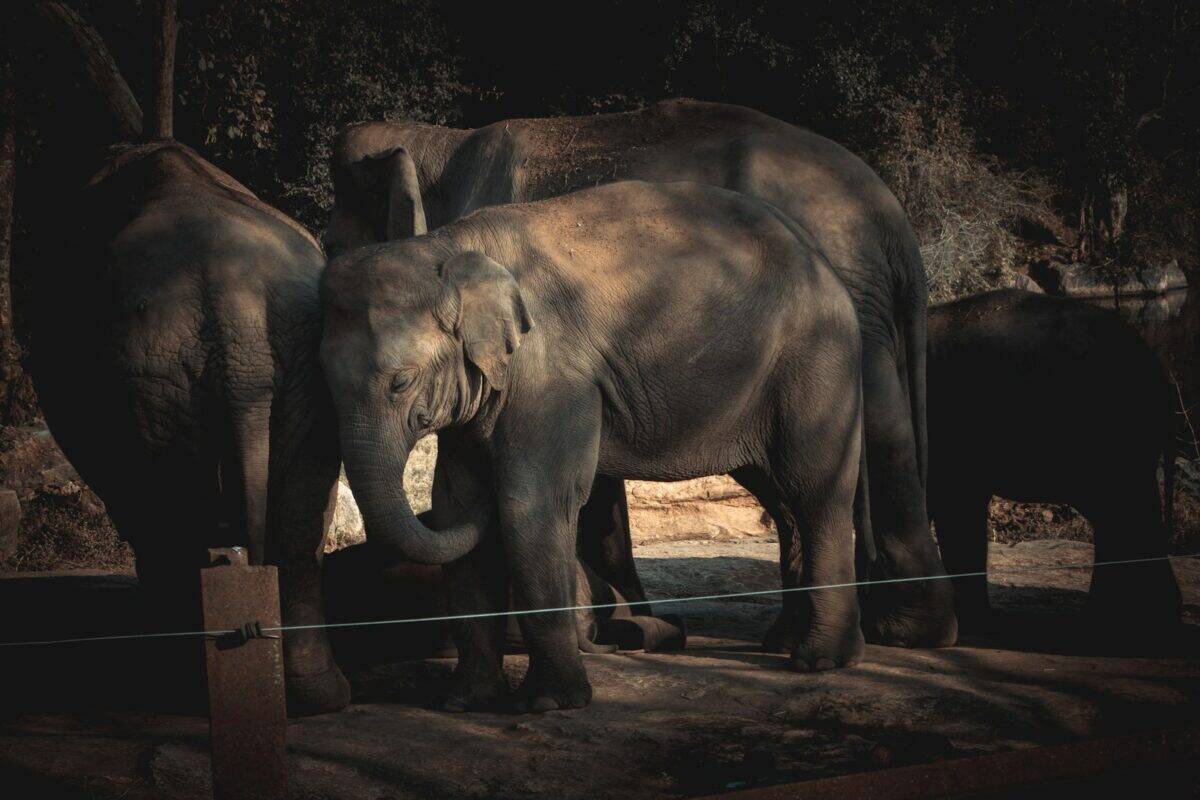
Despite the herd’s best efforts, orphaned elephant calves face significant survival challenges. Statistical analysis from the Amboseli Elephant Research Project indicates that orphans under two years old have approximately a 30% survival rate without human intervention, compared to about 80% for calves with mothers. For orphans between two and five years old, survival rates improve to roughly 60%. These differences stem from several factors. Nutritionally, even with allomother support, orphans typically receive less overall caloric intake than mother-raised calves.
Psychologically, research has documented higher stress hormone levels in orphaned calves, which can suppress immune function and growth. Additionally, orphans often develop more slowly both physically and socially, reaching developmental milestones months or even years behind their peers. The most vulnerable period appears to be the first six months after losing a mother, when calves are still adapting to new caregivers and feeding patterns. If an orphan survives this critical transition period, long-term prospects improve significantly, especially when the herd contains experienced allomothers and a stable social structure.
How Age Impacts Orphan Care

The age at which an elephant becomes orphaned significantly influences both the care they receive and their survival prospects. Calves orphaned under one year old face the steepest challenges, as they remain dependent on milk for most of their nutrition. These youngest orphans require the most intensive allomother involvement, often including multiple females who coordinate care around the clock. For calves orphaned between one and three years, the herd focuses on accelerating the transition to solid foods while maintaining close protective bonds. By ages three to five, orphaned elephants are nutritionally more self-sufficient but still require significant social and emotional support.
Research from Tarangire National Park has documented how older orphans (5-10 years) often form especially close bonds with siblings or cousins near their age, creating mutual support partnerships that can last decades. Interestingly, these older orphans frequently become exceptional allomothers themselves when they mature, showing heightened attentiveness toward other orphaned or vulnerable calves. This pattern suggests that experiencing orphanhood may actually enhance certain prosocial behaviors in elephants who survive the experience—a demonstration of resilience that parallels findings in some human psychology studies.
Male Versus Female Orphans

The gender of an orphaned elephant calf influences both the care received and long-term outcomes. Female orphans typically remain with their birth herd for life, allowing for continuous support and integration. These females generally receive more consistent allomother attention and protection, particularly from maternal relatives. In contrast, male orphans face a significant transition around puberty (12-15 years) when they would naturally begin separating from the maternal herd. Research from Kruger National Park shows that orphaned males often leave their birth herds earlier than non-orphans, sometimes as young as 9-10 years old.
Without maternal guidance through this transition, orphaned males may struggle to integrate into bull groups or develop appropriate social behaviors. Some conservation studies suggest this contributes to behavioral problems later observed in orphaned males, including heightened aggression or poor social adjustment. However, not all differences favor females—male orphans between 5-12 years often receive special attention from adult bulls who occasionally visit the herd, creating mentorship opportunities that female orphans rarely experience. These cross-gender dynamics highlight the complexity of elephant social systems and how they adapt to accommodate different developmental needs.
Human Intervention and Conservation Implications

The elephant’s natural orphan care system, while remarkable, faces unprecedented pressure in the modern era. Poaching, habitat loss, and human conflict have fractured many elephant societies, sometimes eliminating entire family units or creating herds with too many orphans and too few experienced caregivers. Conservation organizations like the Sheldrick Wildlife Trust, David Sheldrick Wildlife Trust, and Elephant Nature Park have developed specialized programs to raise orphaned elephants when natural allomother systems are unavailable. These programs meticulously replicate elements of natural care—from specialized milk formulas to creating artificial herds with human keepers serving as surrogate allomothers.
Successful rehabilitation programs emphasize maintaining wild behaviors and eventually reintegrating orphans into natural herds. Notably, studies of reintroduced orphans show they often become exceptional mothers themselves, suggesting that even human-raised elephants retain the capacity for natural social behaviors. Some conservation models now focus on protecting entire family units rather than just individual elephants, recognizing that the social knowledge contained in intact herds represents an irreplaceable resource for orphan care and species survival. This holistic approach acknowledges that saving elephants requires preserving not just the animals themselves, but the complex social systems that sustain them.
Cultural Variations Between African and Asian Elephants

While both African and Asian elephants demonstrate remarkable orphan care behaviors, notable differences exist between the species. African elephant herds (Loxodonta africana) typically maintain larger, more fluid social groups with complex multi-tiered relationships extending beyond immediate family. This expanded social network often provides orphaned African elephants with access to multiple potential allomothers, including “aunts” from related family units. In contrast, Asian elephants (Elephas maximus) generally form smaller, more stable family groups with fewer extended relationships.
This means Asian elephant orphans usually have fewer potential caregivers, though the bonds with these caregivers may be more intense. Studies in Sri Lanka’s Udawalawe National Park have documented how Asian elephant allomothers often form exclusive relationships with specific orphans, whereas African allomothers more commonly share responsibilities among multiple females. Another distinction involves male involvement—researchers have observed adult male Asian elephants occasionally participating in orphan care, a behavior rarely documented in African elephants. These differences likely reflect evolutionary adaptations to different ecological pressures and habitat types, demonstrating how orphan care strategies have been fine-tuned to specific environmental contexts across millions of years.
Conclusion: The Profound Lessons of Elephant Orphan Care

The elephant’s extraordinary system of orphan care reveals profound truths about both wildlife conservation and the nature of empathy itself. By studying how these intelligent animals support their most vulnerable members, we gain invaluable insights into the deep evolutionary roots of caregiving behaviors that transcend species boundaries. For conservationists, understanding the complexity of elephant social structures underscores why protection efforts must focus on preserving not just individual animals but entire functioning herds with their accumulated knowledge and social bonds intact.
Perhaps most significantly, the elephant’s response to orphaned calves challenges outdated notions about the uniqueness of human compassion, revealing that the capacity for altruism, grief, and community responsibility has parallel expressions throughout the natural world. As elephant populations face unprecedented threats from human activity, their remarkable orphan care systems remind us that what we stand to lose is not merely a species, but an ancient and sophisticated society with much still to teach us about the very foundations of care and community.

- The Perfect Pet for Each Zodiac Sign - July 7, 2026
- The Wild Animal That Embodies Your Zodiac Sign’s Spirit - July 6, 2026
- 7 Steps to Planting Admirably Beautiful Bluebonnets - July 6, 2026