

In recent decades, New Jersey has witnessed a remarkable ecological success story: the resurgence of the American black bear (Ursus americanus) population. Once nearly extirpated from the state due to hunting and habitat loss, black bears have made a dramatic comeback, establishing thriving communities primarily in the northwestern counties but increasingly expanding their range throughout the Garden State. This recovery represents not only a wildlife conservation achievement but also creates new challenges as bears and humans learn to coexist in one of America’s most densely populated states. Let’s explore the fascinating factors behind why black bears are flourishing in New Jersey and what this means for both bears and residents.
A Historical Perspective on New Jersey’s Black Bears

Black bears were once abundant throughout New Jersey, serving as an integral part of the region’s ecosystem long before European settlement. By the mid-1900s, however, the population had dwindled dramatically due to unrestricted hunting, deforestation, and urban development. By the 1950s, the state’s bear population had been reduced to a small number of individuals primarily confined to the remote northwestern corner of New Jersey. In response to this decline, the state classified black bears as a game species in 1953, implementing protective measures. The hunting of black bears was completely prohibited from 1971 to 2003, allowing the population to slowly rebuild. This historical context is crucial for understanding the impressive recovery we’re witnessing today—a testament to both the bears’ remarkable adaptability and the effectiveness of conservation policies when given sufficient time to work.
Population Boom: The Numbers Tell the Story

The recovery of black bears in New Jersey has been nothing short of dramatic when examined through data. In the 1970s, biologists estimated fewer than 100 bears remained in the state. By the early 1990s, that number had grown to approximately 500 bears. The population continued its upward trajectory, with estimates reaching about 3,400 bears by 2014, primarily concentrated in the northwestern counties of Sussex, Warren, Passaic, and Morris. More recent estimates suggest the population may exceed 4,000 bears statewide. This represents one of the highest black bear population densities in North America, with some areas hosting up to 3 bears per square mile. The growth rate has exceeded expectations, with the population showing an estimated annual increase of 7-10% during peak periods of expansion. These numbers not only demonstrate the success of conservation efforts but also highlight the exceptional adaptability of black bears to New Jersey’s varied landscapes.
The Perfect Habitat: New Jersey’s Surprising Bear-Friendly Environment

Despite its reputation as a densely populated, highly industrialized state, New Jersey offers surprisingly ideal habitat conditions for black bears. The northwestern region features the extensive forests of the Highlands and Kittatinny Ridge, providing essential cover and natural food sources. The state’s diverse ecosystem includes oak-hickory forests that produce abundant acorns and nuts—staples of the bear diet. Additionally, New Jersey’s climate offers favorable conditions with relatively mild winters that don’t require extended hibernation periods and productive growing seasons that ensure plentiful food. Perhaps most significantly, the state’s mosaic landscape of forests interspersed with suburbs and agricultural areas creates edge habitats where bears can access diverse food sources while maintaining cover. The proximity of woodlands to human settlements has inadvertently created an ecological niche where adaptable bears can thrive by supplementing natural foods with anthropogenic resources. This combination of natural abundance and human-adjacent opportunities has proven to be a perfect recipe for black bear success.
Dietary Adaptability: How Bears Feast in the Garden State

Black bears’ extraordinary success in New Jersey can be largely attributed to their omnivorous diet and remarkable feeding adaptability. As opportunistic eaters, they consume a diverse range of foods that change seasonally. In spring, they feast on emerging vegetation, insect larvae, and carrion. Summer brings an abundance of berries, fruits, and insects, while autumn provides critical fat-building opportunities through acorns and other nuts. This natural diet is supplemented—sometimes substantially—by human-associated food sources. Agricultural crops like corn and apples provide concentrated nutrition, while unsecured garbage, bird feeders, pet food, and even beehives represent high-calorie opportunities. Research conducted by New Jersey wildlife officials has found that bears in suburban environments can grow 30% larger than their forest-dwelling counterparts due to these supplemental food sources. This dietary flexibility allows New Jersey’s bears to maintain excellent body condition and high reproductive rates, directly contributing to their population growth. Bears that successfully exploit both natural and anthropogenic food sources gain significant competitive advantages in terms of survival and reproduction.
Reproduction Success: Bear Cubs Booming in the Garden State

The reproductive biology of black bears has played a crucial role in their New Jersey comeback story. Female black bears (sows) in the state exhibit exceptionally successful reproduction patterns, largely due to the abundant food resources available. New Jersey sows typically reach sexual maturity at 3-4 years of age—earlier than bears in less productive habitats. They generally produce cubs every other year, with average litter sizes of 2-3 cubs, though litters of 4-5 cubs have been documented in the state. Research by New Jersey Division of Fish and Wildlife biologists has found that well-nourished sows occasionally produce cubs in consecutive years, a phenomenon rarely observed in more challenging environments. Cub survival rates are also relatively high in New Jersey, estimated at 60-70% in most years, compared to the 40-50% typical in more northern forest habitats. The combination of earlier maturity, larger litter sizes, and higher survival rates creates a perfect formula for population growth. This reproductive success directly translates to the rapid population expansion observed over recent decades and explains why management efforts must address female bear survival specifically when population control is deemed necessary.
Legal Protection and Management Evolution

The legal status and management approach to black bears has evolved significantly in New Jersey, directly influencing their recovery. After the hunting moratorium implemented in 1971, bears received decades of protection allowing their numbers to rebound. By the early 2000s, as human-bear conflicts increased, the state developed its first Comprehensive Black Bear Management Policy (CBMP), which was implemented in 2010 and revised in 2015. This policy established a framework for managing bears through various tools including education, research, enforcement of feeding bans, and regulated hunting. From 2003 to 2005, and again from 2010 to 2020 (with some years skipped due to legal challenges), limited bear hunts were held to control population growth. The management approach has been politically contentious, with administration changes frequently altering policy. In 2021, Governor Phil Murphy fulfilled a campaign promise by halting the bear hunt, though it was reinstated in 2022 after reports of increased human-bear conflicts. This fluctuating management approach reflects the challenging balance between conservation success and human tolerance. Throughout these changes, the bear population has demonstrated remarkable resilience, continuing to expand its range and numbers despite periodic hunting pressure.
Urban Adaptation: Bears Learning to Navigate Human Landscapes

One of the most remarkable aspects of New Jersey’s black bear success story is their exceptional ability to adapt to human-dominated landscapes. Studies of bear behavior in the state have revealed sophisticated adaptation strategies. Bears in suburban environments have shifted to more nocturnal activity patterns to avoid human encounters. They’ve developed specialized skills for accessing anthropogenic food sources, from dexterously opening garbage cans to recognizing the routine timing of trash collection. GPS collar research conducted by Rutgers University has shown that some bears navigate complex suburban environments using corridors of remaining forest patches and wetlands as travel routes between feeding areas. Bears have been documented successfully raising cubs in surprisingly close proximity to human developments, sometimes denning within a few hundred yards of homes. Perhaps most striking is their ability to adjust their natural wariness of humans—becoming more tolerant of human presence in areas where they’ve learned people don’t pose immediate threats. This behavioral plasticity helps explain how bears thrive in what might seem unlikely habitat and suggests their continued success in New Jersey’s mixed landscape of development and natural areas.
Human-Bear Conflicts: The Downside of Success

The thriving bear population has inevitably led to increased human-bear interactions, ranging from benign sightings to serious conflicts. According to the New Jersey Division of Fish and Wildlife, reported bear incidents increased from approximately 1,040 in 2019 to over 1,400 in 2021 after the hunting moratorium was reinstated. These incidents include property damage, livestock and pet attacks, home entries, and agricultural losses. While serious human injuries are rare, they do occur—the state recorded three bear attacks on humans between 2014 and 2022. Economic impacts are substantial, with property damage from bears estimated to cost New Jersey residents millions of dollars annually. Bear activity particularly affects the agricultural sector, with damage to crops, beehives, and livestock representing significant losses for some farmers. The psychological impact of knowing bears frequent residential areas creates what researchers call a “landscape of fear” for some residents, limiting outdoor activities and causing anxiety. Managing these conflicts has become a major focus of state wildlife officials, who employ various mitigation strategies including educational campaigns, responding to nuisance bears, and advising on bear-proofing methods. The balance between thriving bear populations and human tolerance represents one of the most significant wildlife management challenges in the state.
Range Expansion: Bears Moving Into New Territory

While black bears were historically confined to northwestern New Jersey after their near-extirpation, their recovery has been accompanied by a significant expansion of their range throughout the state. Bears now establish breeding populations in every New Jersey county, with confirmed sightings even in highly developed areas near New York City and Philadelphia. Satellite tracking studies have documented remarkable bear movements, including individuals traveling over 100 miles in search of new territory. Young male bears typically disperse farthest, sometimes crossing major highways and urban areas in their journeys. Recent research indicates bears are establishing new core populations in central New Jersey, particularly in the Pine Barrens region, which offers extensive forest cover and relatively low human density. Wildlife officials predict continued expansion into southern New Jersey in coming decades as carrying capacity is reached in northern areas. This range expansion demonstrates not only population growth but also the bears’ remarkable ability to traverse and utilize fragmented habitats. The establishment of bears in areas where they’ve been absent for generations presents both ecological benefits and new management challenges as previously “bear-free” communities must adapt to their presence.
Ecological Benefits: The Positive Impact of Returning Bears
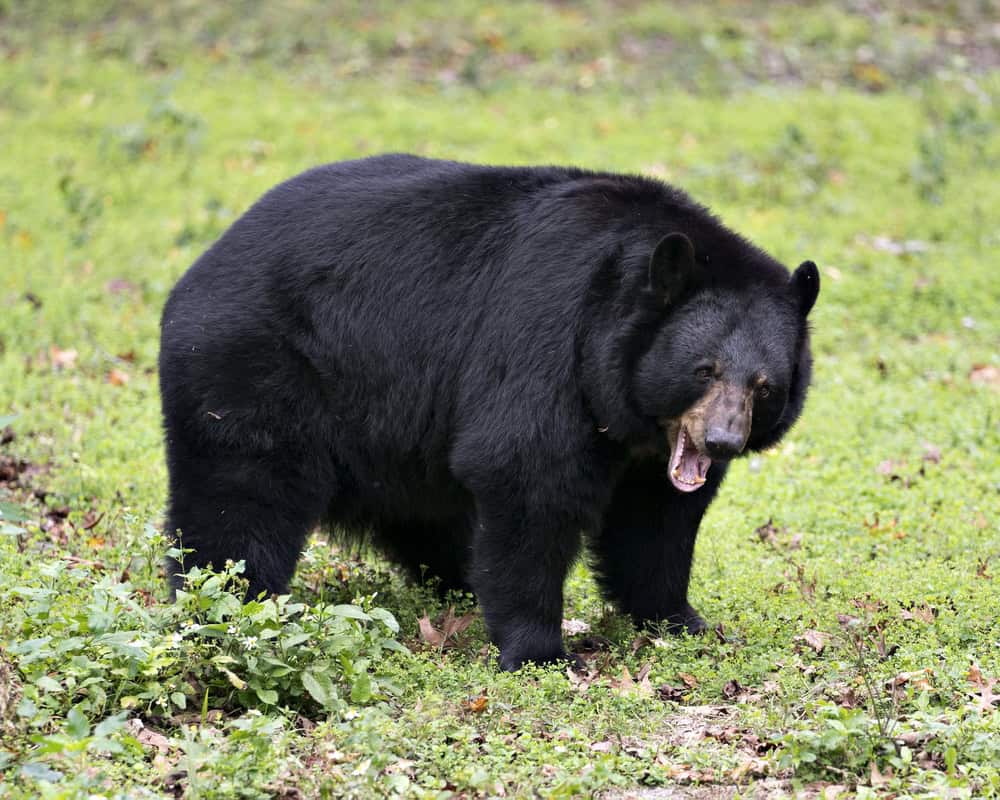
While human-bear conflicts receive significant attention, the ecological benefits of black bears returning to New Jersey’s ecosystems are substantial and often overlooked. As omnivores and seed dispersers, bears play an important role in forest ecology. Their consumption and subsequent distribution of seeds through defecation helps regenerate plant species across wide areas. Research in similar ecosystems has shown that berry-producing plants often thrive in areas with healthy bear populations. Bears’ foraging behavior, including turning over logs and digging for insects, aerates soil and creates microhabitats for other species. Their consumption of insect pests provides natural pest control services in forest systems. As the largest native carnivore in New Jersey, bears influence prey species behavior and distribution, potentially creating trophic cascades that benefit ecosystem health. Even bear carcasses contribute to ecosystem productivity by providing food for scavengers and nutrients to soils. From a conservation perspective, the bears’ success represents a rare positive story of a large carnivore recovering in a human-dominated landscape, demonstrating that coexistence is possible with proper management and education. Their return helps restore ecological processes that existed for thousands of years before European settlement altered the landscape.
Community Response: Living With Bears in the Garden State
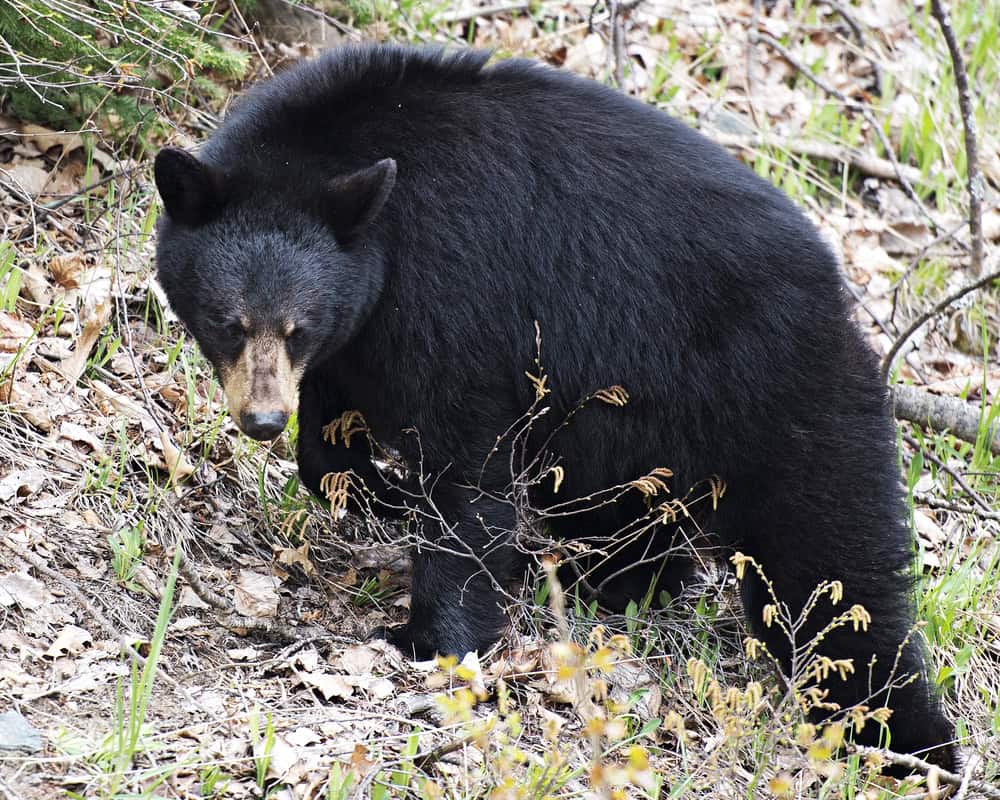
New Jersey communities have responded to increasing bear populations with varying approaches and attitudes. Many municipalities in bear country have implemented ordinances requiring bear-resistant garbage containers and prohibiting intentional or unintentional feeding of bears. Educational programs such as the “Bear Smart” initiative teach residents proper behaviors to minimize conflicts, including securing attractants, making noise while hiking, and appropriate responses during encounters. Community sentiment about bears remains divided, with some residents valuing their presence as part of New Jersey’s natural heritage while others express concerns about safety and property damage. Public opinion surveys conducted by Rutgers University have found that tolerance for bears generally decreases as direct experience with conflicts increases. Conservation organizations have developed volunteer networks to help communities implement coexistence strategies, including dedicated “bear advocates” who assist with public education. Some tourism operations have even begun featuring bears as wildlife viewing attractions, particularly in Sussex County, demonstrating potential economic benefits of bear presence. As bears continue to expand their range, more New Jersey communities will need to develop informed responses to their arrival, learning from the experiences of northwestern regions that have longer histories of human-bear coexistence.
Future Prospects: What’s Next for New Jersey’s Bears?
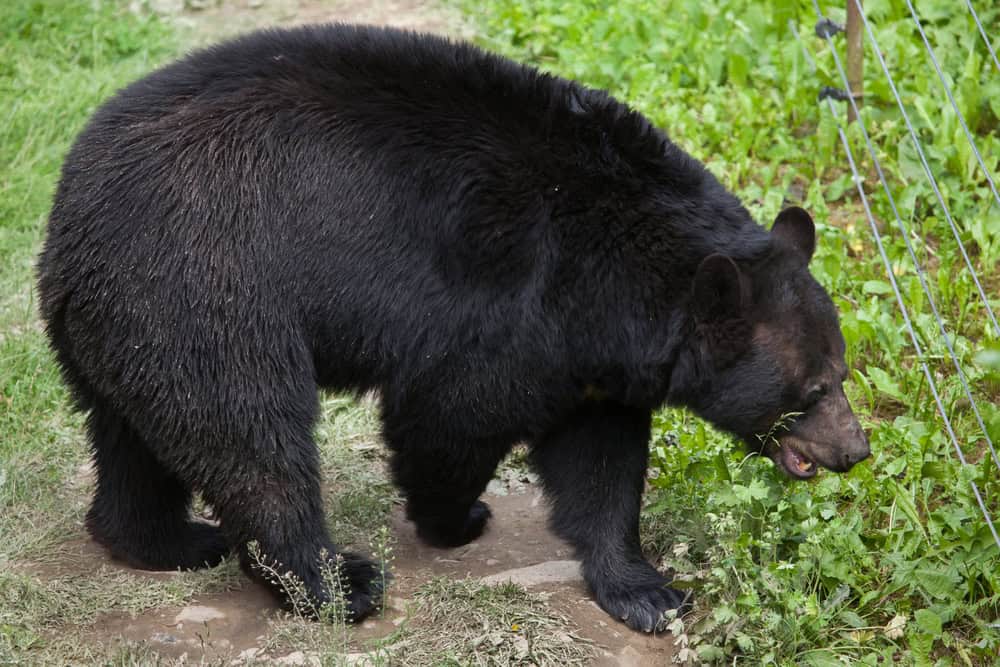
The future trajectory of New Jersey’s black bear population depends on multiple interacting factors including habitat availability, food resources, management policies, and human tolerance. Population modeling by state biologists suggests the potential for continued growth and range expansion if current conditions persist, potentially reaching 5,000-6,000 bears statewide within a decade. However, biological carrying capacity may be less limiting than social carrying capacity—the level of bear presence humans are willing to tolerate. Climate change introduces additional uncertainty, potentially affecting food availability through changes in oak mast production cycles and timing of seasonal foods. Increasing development pressure in New Jersey threatens to further fragment bear habitat, though bears have demonstrated remarkable ability to utilize even highly fragmented landscapes. Management approaches will likely continue to evolve, balancing conservation values with conflict mitigation. Advanced technologies including contraception methods, improved deterrents, and artificial intelligence for predicting conflict hotspots are being developed and may provide new management tools. The experience in New Jersey offers valuable lessons for other eastern states experiencing bear recoveries, potentially serving as both a success story and a case study in the challenges of large carnivore conservation in human-dominated landscapes.
Conclusion: A Remarkable Wildlife Recovery with Complex Implications
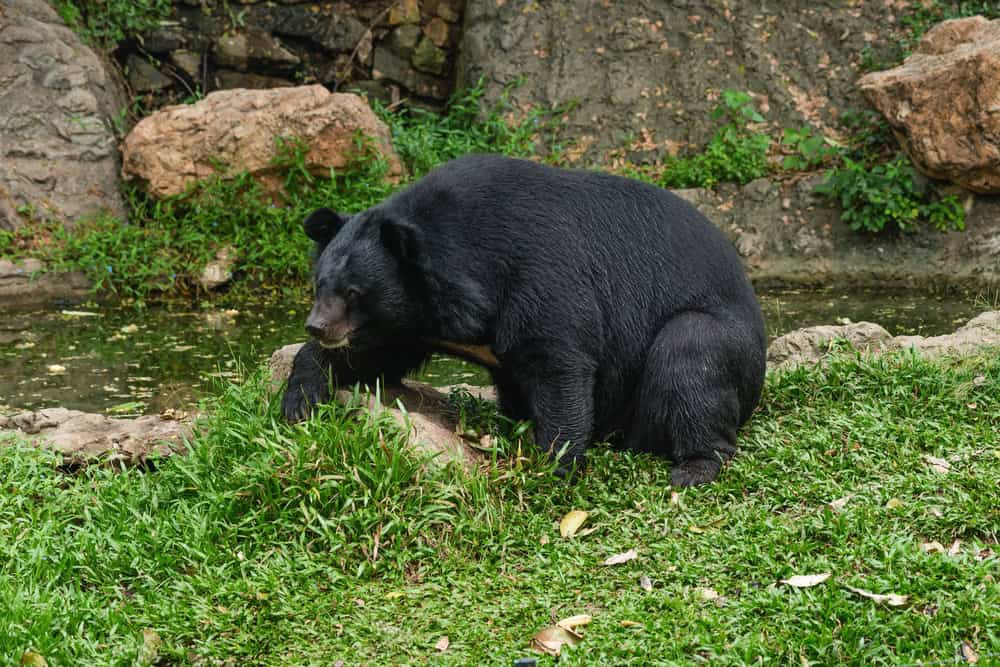
The resurgence of black bears in New Jersey stands as one of the Northeast’s most remarkable wildlife recovery stories, transforming a nearly extirpated species into a thriving population in just a few decades. This success reflects both the bears’ extraordinary adaptability and the effectiveness of conservation measures that gave the population time and space to recover. The bears’ return brings substantial ecological benefits by restoring a key native species to its historical range and reestablishing natural processes that benefit forest ecosystems. However, this success also creates genuine challenges as communities learn to coexist with a large, intelligent predator in one of America’s most densely populated states. The future of black bears in New Jersey will depend on finding sustainable balance points where bears can fulfill their ecological roles while human safety and property concerns are adequately addressed. Whatever path forward emerges, the bears’ remarkable comeback from near-disappearance to abundance demonstrates nature’s resilience when given opportunity—an encouraging lesson for conservation efforts across the region and beyond.

- 10 Animals That Cheat Death in the Most Unexpected Ways - July 19, 2026
- The Shrimp That Punches Like a Bullet - July 19, 2026
- This Tiny Mammal Can Slow Its Heartbeat to One Beat Per Minute - July 19, 2026