

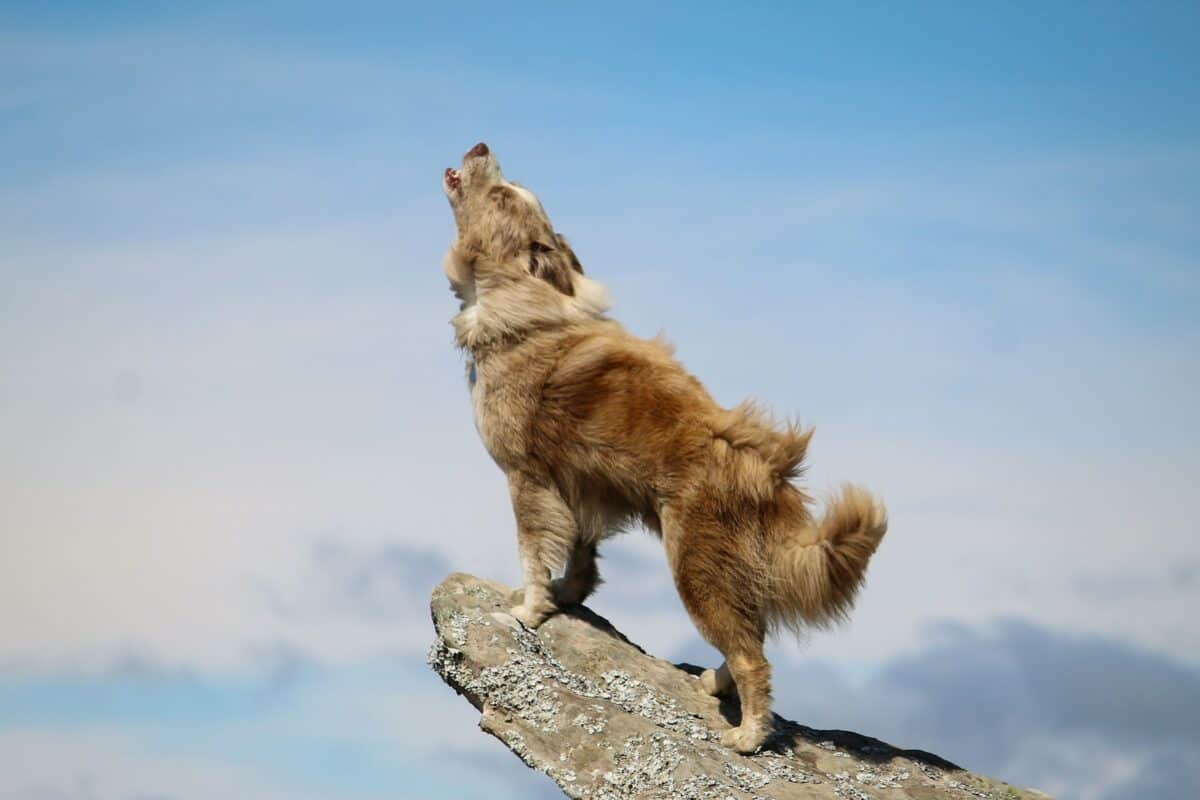
The haunting sound of coyotes howling under a moonlit sky is one of North America’s most iconic wilderness experiences. These adaptable canids have expanded their range across the continent, but certain regions offer particularly memorable opportunities to hear their nocturnal chorus. Whether you’re a wildlife enthusiast, nature photographer, or simply someone seeking connection with the wild, finding prime locations to experience coyote howls can create unforgettable memories. This article explores the best places across the United States to hear coyotes howl at night, examining the factors that make certain locations ideal and providing guidance for those hoping to experience this natural phenomenon.
Understanding Coyote Vocalizations
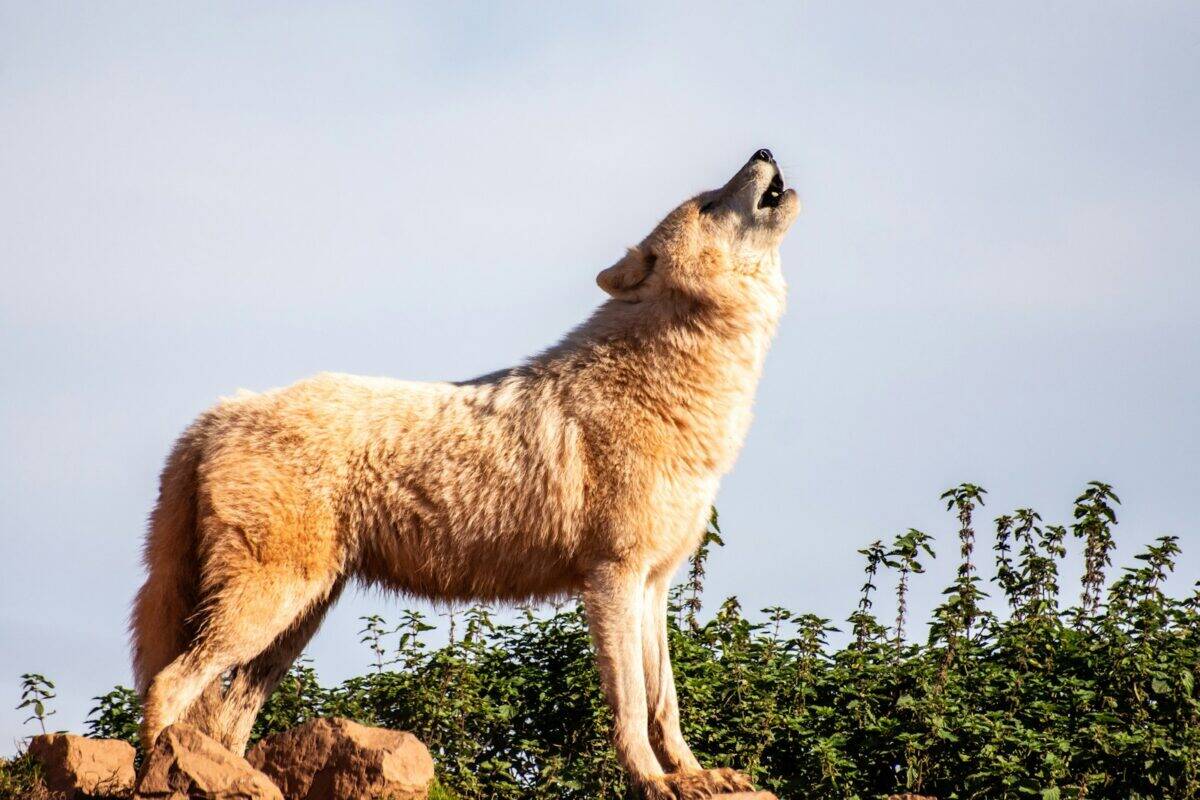
Coyote howls serve multiple purposes in their social structure and survival. These complex vocalizations help coyotes communicate territorial boundaries, coordinate pack movements, and reunite with family members. A typical coyote howl begins with a series of high-pitched yips that transition into prolonged howls, often performed in harmony with other pack members. This creates the illusion of a much larger group, a phenomenon known as the “beau geste effect.” Unlike wolves, whose howls maintain a consistent tone, coyote vocalizations feature dramatic pitch changes, resulting in their distinctive, wavering quality that seems to echo across landscapes. Understanding these communication patterns enhances the appreciation of witnessing this natural behavior in the wild.
Yellowstone National Park: The Premier Destination

Yellowstone National Park stands as perhaps the premier destination in the United States for hearing coyotes howl. The park’s vast, protected wilderness areas provide ideal habitat for these adaptable canids, while its open meadows and valleys allow sound to travel unimpeded across remarkable distances. The Lamar Valley, often called “America’s Serengeti,” offers particularly exceptional opportunities. Here, coyotes thrive alongside wolves, creating fascinating interspecies dynamics. The valley’s expansive views also mean visitors can often spot coyotes while listening to their calls. For the best experience, visit during winter when snow blankets the landscape, temperatures drop, and coyote howls carry even further in the crisp air. The Mammoth Hot Springs area and the Madison River Valley also provide excellent listening opportunities, especially during dawn and dusk.
Grand Canyon National Park: Desert Symphony
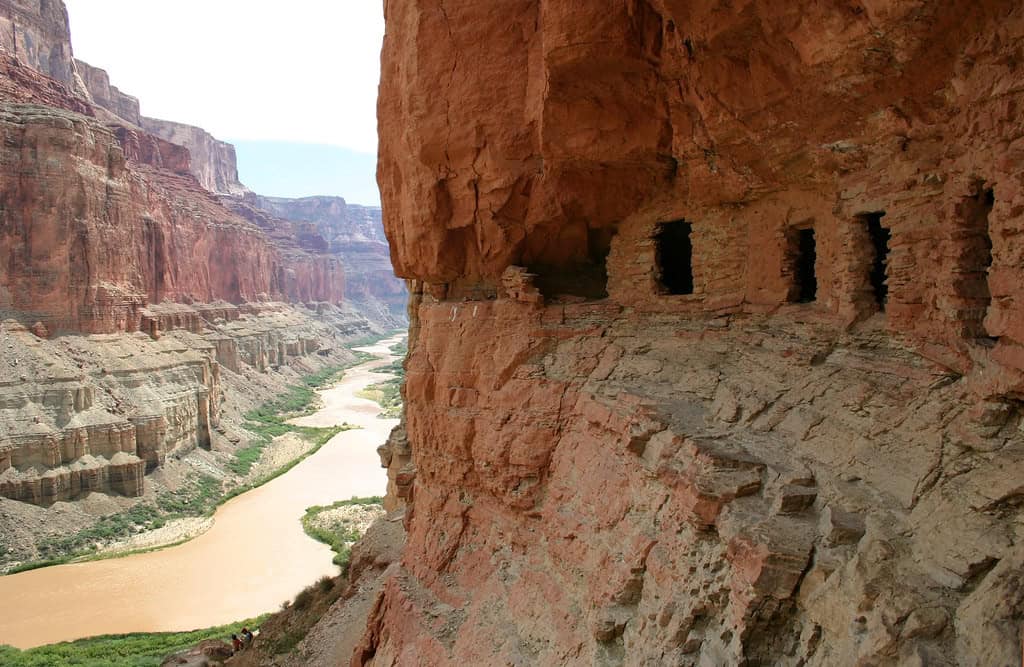
The Grand Canyon creates a natural amphitheater that amplifies and echoes coyote howls across its vast expanses, making it one of the most dramatic places to experience this natural phenomenon. The desert ecosystem surrounding the canyon supports healthy coyote populations, particularly on the less-visited North Rim. Here, the combination of elevation, open space, and minimal light pollution creates ideal conditions for nocturnal wildlife listening. Desert coyotes tend to be more vocal during winter and early spring when breeding season begins. The Desert View Watchtower area and Yavapai Point offer exceptional acoustic experiences, where howls can echo throughout the canyon’s many layers. For a truly immersive experience, permitted backcountry camping in the canyon provides opportunities to hear coyotes calling from multiple directions as their vocalizations bounce off the ancient canyon walls.
Big Bend National Park: Border Country Chorus
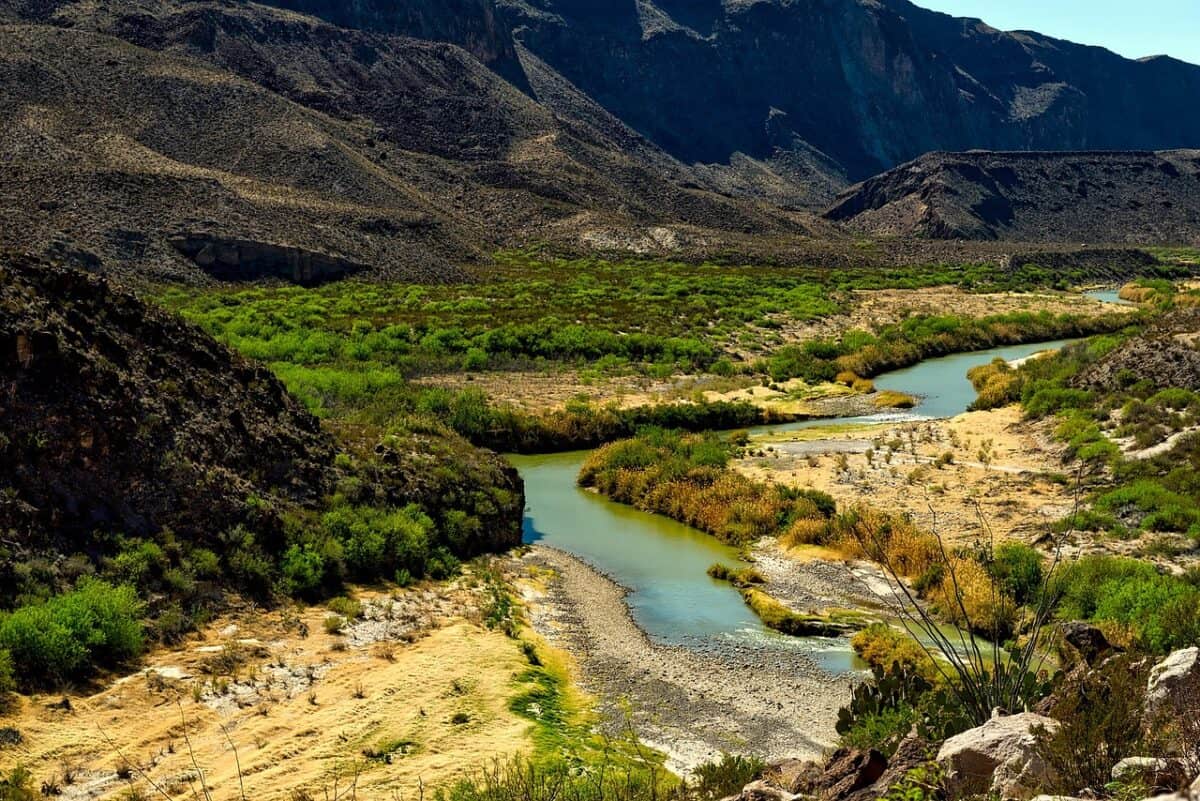
Big Bend National Park in Texas represents one of the most remote and least light-polluted regions in the continental United States, creating perfect conditions for wildlife listening. This vast desert wilderness along the Mexican border hosts healthy coyote populations adapted to the harsh Chihuahuan Desert ecosystem. The park’s dramatic topography, featuring mountains, canyons, and wide basins, creates diverse acoustic environments where coyote howls take on different qualities depending on the terrain. The Chisos Basin, surrounded by mountains that trap and amplify sound, offers particularly memorable listening experiences. During spring and fall, when temperatures moderate, coyotes become more active and vocal. The Rio Grande Village area also provides excellent opportunities, where coyotes from both sides of the international border can sometimes be heard calling to each other across the river, creating a true cross-border chorus that represents the interconnectedness of these desert ecosystems.
Death Valley National Park: Stark Desert Acoustics

Death Valley National Park’s extreme conditions might seem inhospitable, but coyotes thrive in this harsh landscape, and the park’s unique acoustic properties make it one of the most dramatic places to hear their nocturnal serenades. The park’s vast open spaces, minimal vegetation, and surrounding mountains create natural acoustic conditions where sounds travel exceptional distances. The stark silence of Death Valley’s environment means there’s little competing noise to mask coyote vocalizations. Badwater Basin, the lowest point in North America, offers a unique experience where coyote howls can echo off the surrounding mountains and across the salt flats. The Mesquite Flat Sand Dunes provide another distinctive acoustic environment, where the soft sand absorbs some sounds while allowing others to carry across the dunes. Winter and early spring offer the most comfortable temperatures for overnight camping, coinciding with coyote breeding season when howling activity peaks.
Badlands National Park: Prairie Soundscape
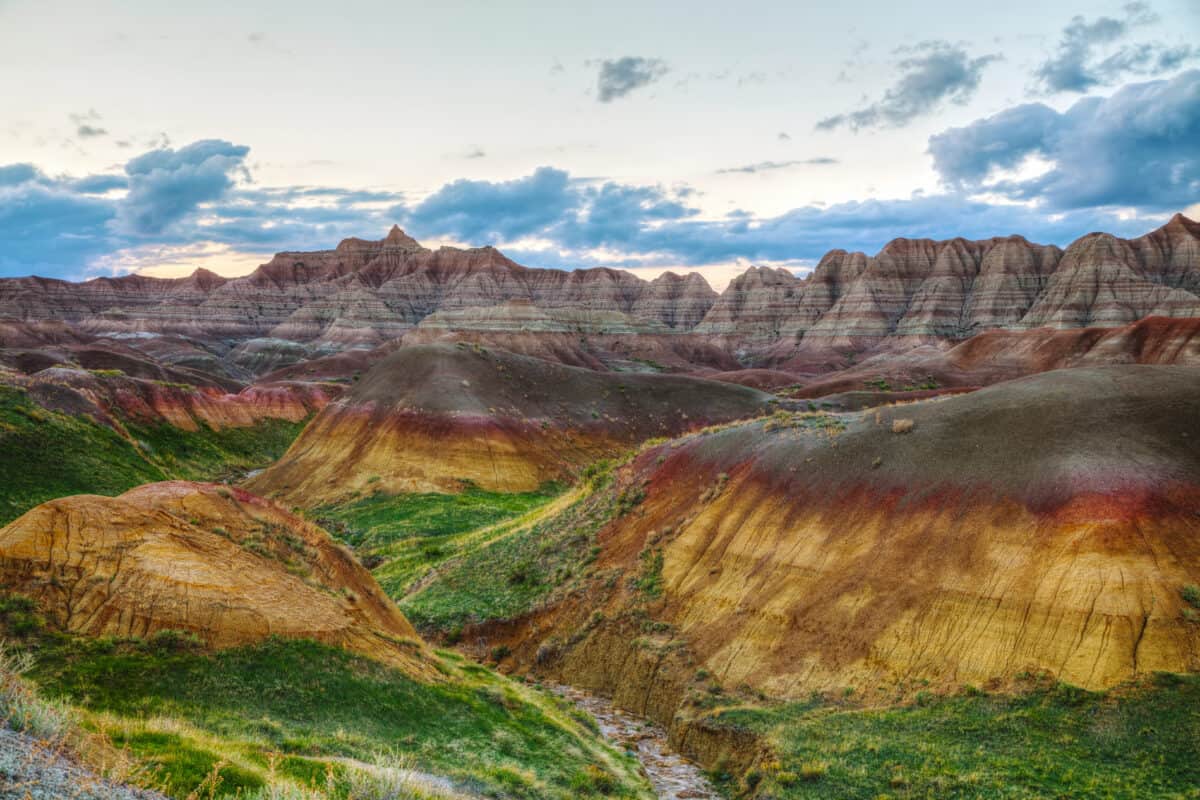
The stark, eroded landscape of Badlands National Park in South Dakota creates an otherworldly setting for experiencing coyote howls. This mixed-grass prairie ecosystem supports abundant coyote populations that have adapted to the region’s extreme temperature variations. The park’s unique topography of pinnacles, buttes, and spires creates natural amphitheaters that capture and project sound in remarkable ways. The Sage Creek Wilderness Area, with its primitive camping opportunities, offers visitors a chance to immerse themselves in this soundscape with minimal human interference. Here, coyotes often communicate across vast distances as evening settles over the prairie. The dramatic landscape not only enhances acoustics but provides elevated vantage points where lucky visitors might glimpse coyotes silhouetted against the horizon while listening to their calls. The Cedar Pass area also offers excellent listening opportunities, particularly in spring when pups are born and pack communications increase in frequency and complexity.
Canyonlands National Park: Desert Acoustics

Utah’s Canyonlands National Park offers some of the most acoustically impressive environments for experiencing coyote howls in North America. The park’s intricate network of canyons, mesas, buttes, and spires creates complex sound pathways that can amplify, echo, and transform coyote vocalizations in surprising ways. The Island in the Sky district provides elevated viewpoints where visitors can sometimes hear howls rising from multiple directions in the canyons below. The Needles district, with its remote backcountry campsites, offers immersive experiences where coyote calls might seem to surround listeners as the sounds bounce between rock formations. The remote Maze district, accessible only to the most prepared adventurers, provides perhaps the most pristine listening environment in the park. Throughout Canyonlands, the combination of extremely low humidity, minimal vegetation, and varied topography creates ideal conditions for sound transmission, particularly during the still hours around dawn and dusk when temperature inversions can further enhance acoustic carrying capacity.
Great Basin National Park: High Desert Harmony
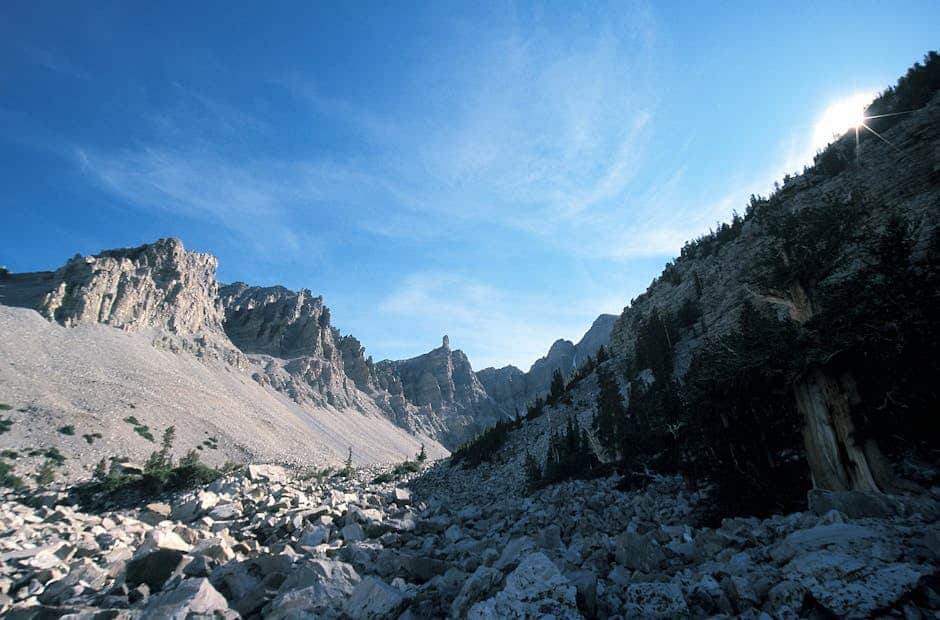
Great Basin National Park in Nevada represents one of America’s least visited and most sonically pristine national parks, creating exceptional conditions for wildlife listening. This high desert environment supports healthy coyote populations that are particularly vocal during winter months. The park’s dramatic elevation changes, from valley floors to 13,000-foot peaks, create diverse habitats and acoustic environments. Wheeler Peak Campground, situated at over 9,800 feet elevation, offers a unique opportunity to hear coyotes calling from the valleys below, their vocalizations drifting upward on mountain thermals. The park’s status as an International Dark Sky Park means minimal light pollution, creating perfect conditions for combined stargazing and wildlife listening experiences. The ancient bristlecone pine forests, home to some of the world’s oldest trees, provide a hauntingly beautiful backdrop for nocturnal wildlife listening, where the twisted trees seem to capture and channel the sound of distant coyote howls.
Point Reyes National Seashore: Coastal Coyote Territory
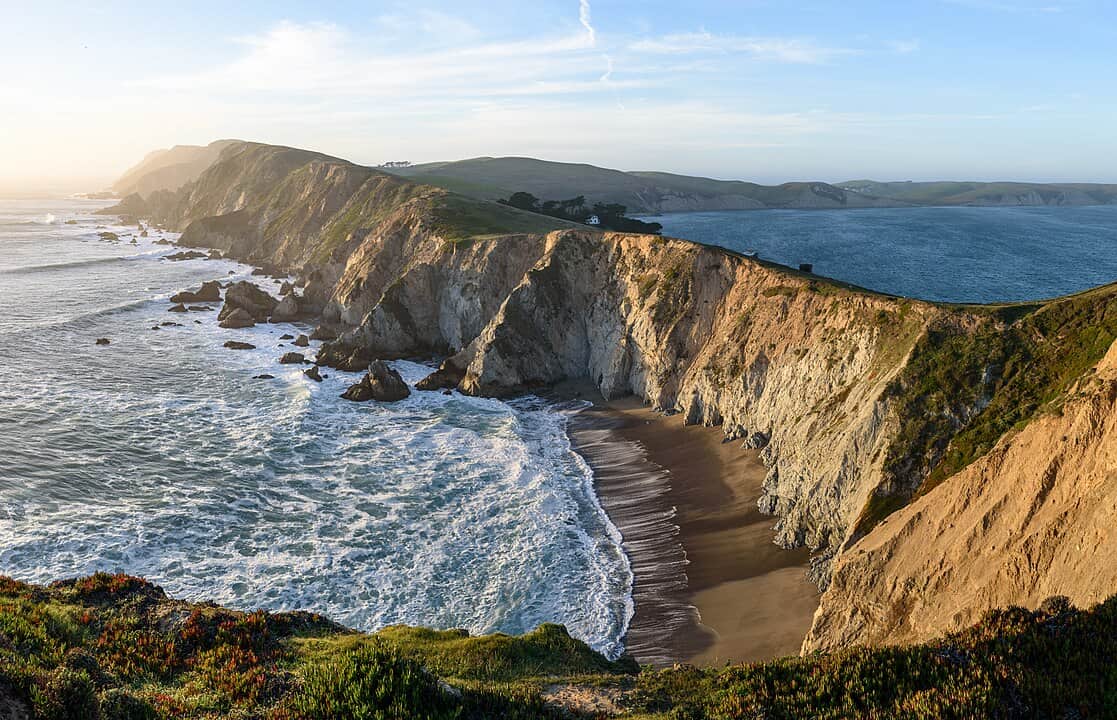
The unique coastal ecosystem of Point Reyes National Seashore in California offers a distinctive coyote listening experience unlike interior locations. Here, coyote howls blend with the rhythmic background of ocean waves, creating a hauntingly beautiful natural symphony. The peninsula’s varied terrain of coastal prairies, forested ridges, and secluded valleys supports a thriving coyote population. The Phillip Burton Wilderness Area provides primitive camping opportunities where visitors can experience undisturbed nocturnal soundscapes. The foggy coastal climate creates interesting acoustic phenomena, sometimes dampening sounds and other times carrying them for surprising distances. Coyotes in this region have adapted unique behaviors and feeding patterns compared to their inland cousins, sometimes incorporating marine resources into their diet, and these ecological differences can be reflected in their vocalization patterns. The Tomales Point Trail area, with its open grasslands and dramatic coastal cliffs, offers particularly good opportunities to hear coastal coyote choruses, especially during fall and winter months.
Great Sand Dunes National Park: Sand and Sound
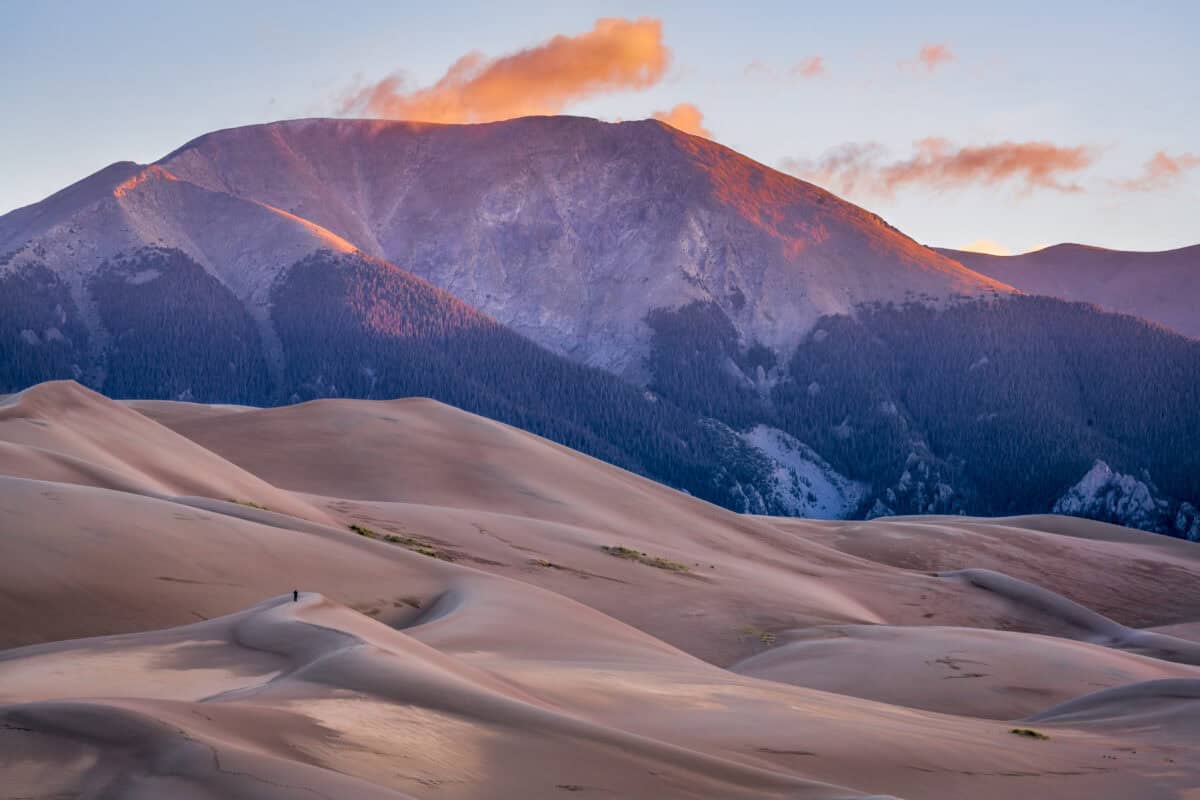
Colorado’s Great Sand Dunes National Park creates one of North America’s most unusual acoustic environments, where massive sand dunes—the tallest in North America—interact with coyote vocalizations in fascinating ways. The park’s remote location in the San Luis Valley ensures minimal anthropogenic noise interference. The sand itself absorbs certain sound frequencies while allowing others to travel, creating unique listening experiences that change based on the listener’s position relative to the dunes. The interface between the dunes and the adjacent Sangre de Cristo Mountains creates habitats where mountain and valley coyote populations interact, sometimes resulting in particularly complex vocal exchanges. The Pinyon Flats Campground offers excellent overnight listening opportunities, while backcountry camping permits allow visitors to sleep among the dunes themselves for a truly immersive experience. The park’s extraordinary natural soundscape is protected as a significant resource, with ranger-led night programs sometimes focusing on wildlife listening skills. Winter and early spring generally offer the best listening opportunities, when coyote breeding season coincides with lower visitation and quieter conditions.
Best Times and Conditions for Coyote Listening
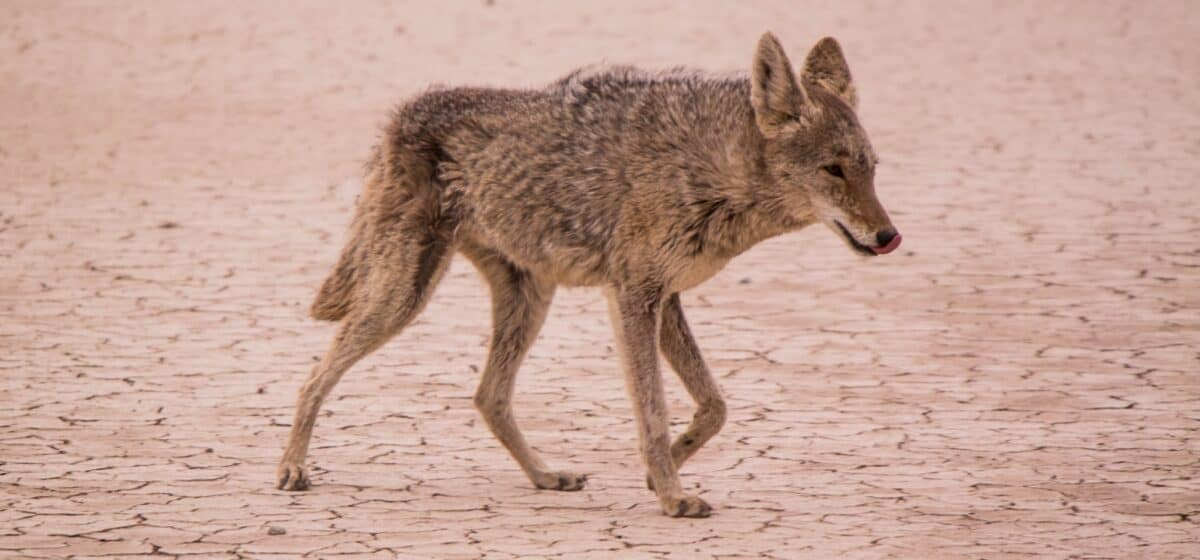
While coyotes can vocalize throughout the year, certain seasonal and environmental conditions dramatically increase your chances of hearing impressive howling sessions. Winter and early spring represent peak seasons, coinciding with breeding activities when territorial behaviors and pack communications intensify. Moon phases significantly impact activity, with full moons providing both increased visibility for observers and heightened coyote activity. The hours around dawn and dusk—particularly the first hour after sunset and the last hour before sunrise—offer the highest probability of vocal activity. Weather conditions also play a crucial role, with still, cold nights creating ideal sound-carrying conditions. Days following storms often feature increased vocalization as separated pack members reestablish contact. Temperature inversions, where cooler air is trapped below warmer air, can dramatically extend the distance coyote howls travel. For the most immersive experience, seek locations with minimal human development, low ambient noise levels, and diverse terrain that allows sound to travel unimpeded across landscapes.
Ethics and Safety When Coyote Watching
Responsible wildlife observation requires balancing our desire for connection with wild nature against the potential impacts of human presence. When seeking coyote encounters, maintain appropriate distances using binoculars or spotting scopes rather than approaching animals directly. Never attempt to provoke howling responses through recorded calls or imitations, as this can disrupt natural behaviors, territorial boundaries, and hunting patterns. If camping in coyote territory, properly store food and waste to prevent habituation to human sources. While healthy coyotes pose minimal danger to adult humans, maintain awareness of your surroundings, especially during dawn and dusk hours when activity peaks. Keep pets leashed in coyote habitat, as domestic dogs may be perceived as territorial competitors or potential prey. Remember that the goal of wildlife observation should be to witness natural behaviors without altering them, preserving both the ecological integrity of these remarkable animals and the authenticity of the experience for future visitors. By practicing ethical wildlife observation, we help ensure these opportunities remain available for generations to come.
The haunting chorus of coyote howls represents one of North America’s most distinctive natural soundscapes, connecting modern listeners to a wilderness experience that has echoed across the continent for thousands of years. From Yellowstone’s snow-covered valleys to Death Valley’s stark desert basins, the United States offers extraordinary opportunities to experience this evocative natural phenomenon in diverse acoustic environments. While each location mentioned provides unique listening experiences, the most memorable encounters often come unexpectedly—a sudden chorus erupting from a canyon at twilight or a lone howl carrying across a moonlit prairie. These moments of connection with wild nature remind us of something essential about the American landscape that persists despite centuries of development and change. By seeking out these experiences mindfully and ethically, we not only create lasting personal memories but participate in a tradition of listening to the land that stretches back to the continent’s earliest human inhabitants, who found meaning and message in the voices of these adaptable, resilient animals.

- Capybaras Love Hanging Out With Other Species - August 4, 2026
- What Happens If You Never Walk Your Dog? - August 4, 2026
- Could Your Pet Be Suffering from Depression? - August 4, 2026