

The earth trembles. A thunderous rumbling grows louder as thousands of hooves strike the ground in unison. The horizon darkens with a moving mass of powerful bodies charging forward with unstoppable momentum. A buffalo stampede in the wild is one of nature’s most awe-inspiring and terrifying phenomena. These dramatic events have shaped ecosystems, influenced predator behavior, and even impacted human history across the plains of North America and the savannas of Africa. But what exactly triggers these massive movements of animals? What happens during these chaotic rushes? And what are the ecological and biological consequences when hundreds or thousands of buffalo decide to run as one?
The Biology Behind the Stampede

Buffalo stampedes are rooted in evolutionary survival mechanisms. Both American bison (Bison bison) and African buffalo (Syncerus caffer) are highly social herd animals with well-developed flight responses. Their nervous systems are wired for quick reaction to potential threats, with specialized sensory adaptations that allow them to detect danger. Buffalo possess exceptional peripheral vision spanning nearly 330 degrees and acute hearing capabilities that can detect subtle sounds of predators.
Their brains are particularly responsive to stress hormones like cortisol and adrenaline, which flood their systems when danger is perceived. This physiological reaction triggers the fight-or-flight response across the entire herd almost simultaneously, creating the conditions for a mass movement. The herd’s collective response amplifies individual reactions, creating a cascading effect where panic spreads rapidly throughout the group—a perfect biological storm that results in the phenomenon we recognize as a stampede.
What Triggers a Buffalo Stampede?

Buffalo stampedes don’t occur randomly—they’re triggered by specific stimuli that the herd perceives as threatening. Predators represent the most common natural trigger, with wolves, lions, or human hunters capable of sending an entire herd into motion. The approach of a storm with thunder and lightning can spook buffalo, as the loud noises and electrical charges in the air create sensory cues similar to danger.
In modern contexts, unfamiliar human activities like low-flying aircraft, vehicle engines, or even camera flashes have been documented triggering stampedes. Buffalo also have remarkable memory—a location where the herd previously experienced danger may trigger heightened alertness or flight response when revisited. Interestingly, research has shown that buffalo herds with older, more experienced members tend to be less prone to false alarms, suggesting a learned component to stampede behavior.
Sometimes, the trigger can be as simple as one animal reacting strongly to a minor disturbance, creating a chain reaction as others respond to the initial animal’s alarm signals rather than the original stimulus.
The Mechanics of Mass Movement

When a buffalo stampede begins, it follows predictable physical patterns that scientists have studied extensively. The initial movement typically starts with a few individuals—often those closest to the perceived threat—who begin running suddenly. Within seconds, neighboring animals react to this movement, creating a wave-like effect of flight response that ripples through the herd at remarkable speed.
Studies of stampeding herds have recorded this transmission of movement spreading at rates of up to 20-25 meters per second across large groups. As the stampede gains momentum, the herd typically forms a distinctive elongated pattern, stretching out in the direction of travel rather than maintaining their normal grazing formation. Individual buffalo can reach speeds of 35-40 mph (56-64 km/h) during a stampede, sustaining this pace for several miles if necessary.
The ground literally shakes under this mass—a large stampede of 1,000 buffalo can generate seismic activity detectable by instruments over a mile away. Perhaps most remarkable is the fluid dynamics of the movement; despite their size and the chaos of the situation, buffalo instinctively maintain minimal distance between neighbors, creating what physicists describe as “collective motion patterns” similar to those observed in schools of fish or flocks of birds, but at a much larger and more powerful scale.
Communication Within the Chaos

Despite the apparent disorder of a stampede, sophisticated communication occurs among buffalo during these events. Vocalizations play a crucial role, with specific alarm calls that differ from normal herd communication. American bison produce sharp, explosive snorts when alarmed, while African cape buffalo emit distinctive warning bellows that can carry for long distances. These acoustic signals help synchronize the herd’s response and direction.
Visual cues are equally important—the raised tail position of a running buffalo signals danger to others, creating a visible wave of alarm postures through the herd. Research has also revealed that buffalo communicate through ground vibrations; they can detect the running movements of distant herd members through their sensitive feet. Perhaps most fascinating is the evidence of what biologists call “quorum sensing,” where a critical threshold of alarmed individuals (approximately 5-7% of the herd) must display flight behavior before the entire group commits to a full stampede.
This threshold mechanism likely evolved to prevent false alarms while ensuring rapid response when genuine threats appear. Even in the midst of a stampede, dominant animals exert influence over the herd’s direction, with matriarchs in African buffalo herds and older bulls in bison groups subtly guiding collective movement away from perceived dangers.
Seasonal and Environmental Factors
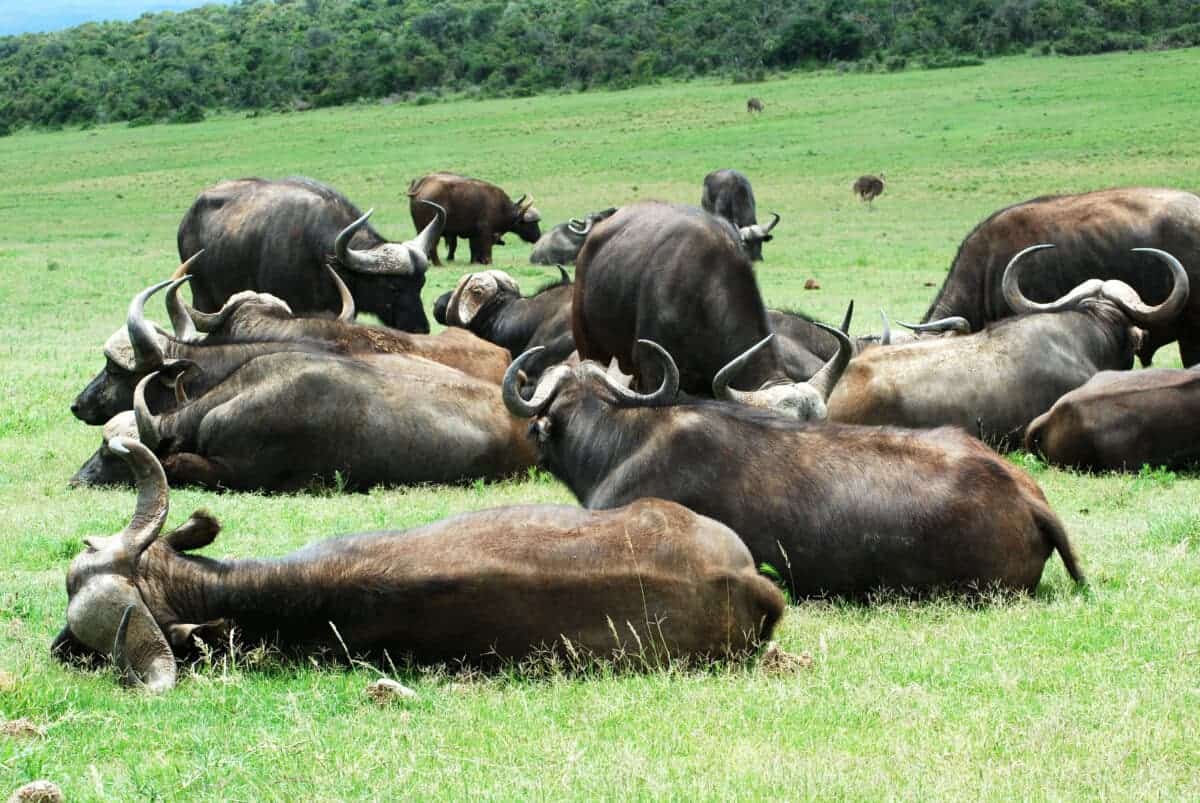
Buffalo stampedes aren’t evenly distributed throughout the year—they follow distinct seasonal patterns tied to environmental conditions and life cycle events. During the dry season in Africa or the height of summer on North American plains, when water and food resources become scarce, buffalo herds become more concentrated around remaining resources. This increased density creates conditions where stampedes can involve larger numbers of animals and spread more quickly through the compressed herd.
The calving season introduces another variable—herds with newborn calves show heightened vigilance and reactivity to potential threats, making stampedes more likely. Buffalo can also anticipate environmental threats—research in Yellowstone National Park has documented bison herds becoming more prone to stampede behavior before major weather events. Climate change may be altering traditional patterns, with some researchers noting increased frequency of stampede events in areas experiencing more extreme weather fluctuations.
Terrain plays a crucial role in both triggering and directing stampedes—herds are more likely to startle in areas with limited visibility such as tall grasslands or broken terrain where threats can remain hidden until they’re dangerously close. Water crossings represent particularly dangerous stampede situations, as the combination of constricted space, changing footing, and natural anxiety about entering water creates perfect conditions for panic to spread through the herd.
Dangers to the Herd Itself
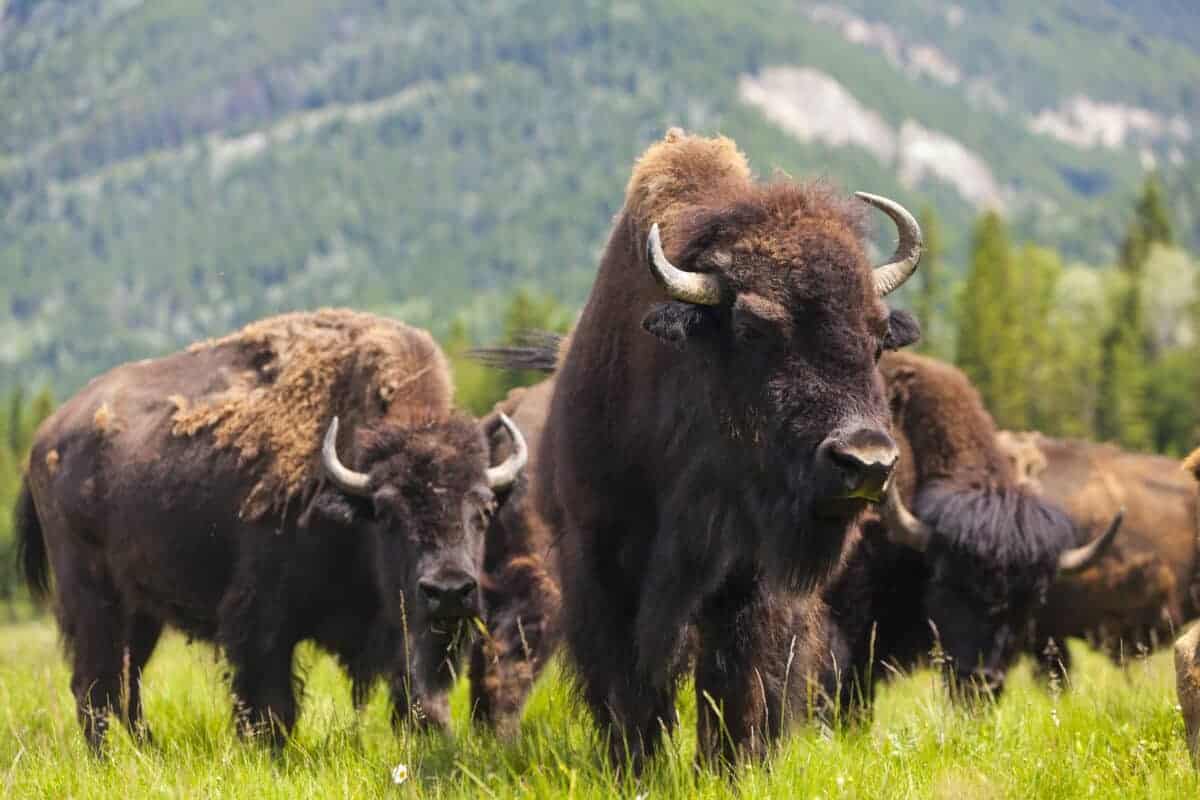
While stampedes evolved as a survival mechanism, they pose significant dangers to the buffalo themselves. The chaotic mass movement often results in injuries as animals collide with each other or stumble at high speeds. Young calves are particularly vulnerable, with mortality rates during major stampedes estimated between 5-15% in some documented events. Physical exhaustion represents another serious risk—buffalo can maintain stampede speeds for impressive distances, but if forced to run beyond their physiological limits, particularly in extreme heat, fatal heat stress can occur.
Perhaps the most dramatic danger comes from geographical hazards—historical accounts and paleontological evidence show mass deaths where stampeding herds encountered cliffs, deep ravines, or unstable river crossings. One of the most famous examples comes from archaeological sites like Head-Smashed-In Buffalo Jump in Alberta, Canada, where indigenous peoples strategically used natural cliff formations to hunt bison by triggering controlled stampedes.
In modern African parks, researchers have documented tragic cases where panicked buffalo herds have trampled each other in blind panic when encountering barriers like fences or steep embankments. The risk is magnified during droughts or wildfires, when buffalo may be already physically compromised and more likely to succumb to the exertion of a prolonged stampede.
Ecological Impact and Landscape Engineering

Buffalo stampedes shape ecosystems through powerful landscape engineering effects. When hundreds or thousands of hooves impact the soil during a stampede, they create significant soil disturbance that can extend 10-15 centimeters deep. This churning action breaks up compacted soil crusts, incorporates organic matter, and creates microdepressions that capture rainwater and seeds. Studies in the Serengeti have shown that areas regularly crossed by stampeding herds have measurably different soil characteristics and plant community composition compared to similar areas without this disturbance.
Trampling during stampedes also creates natural firebreaks by reducing fine fuel loads in heavily impacted corridors. The massive nutrient inputs that occur when herds defecate and urinate simultaneously under stress conditions create nitrogen and phosphorus hotspots that can be detected in vegetation patterns for years afterward. Stampede routes often become distinctive landscape features over time as repeated use creates permanent trails visible from satellite imagery. In North American tallgrass prairies, historical bison stampede corridors created habitat heterogeneity that supported higher overall biodiversity. Modern conservation managers have begun to recognize the ecological importance of these disturbance events, with some protected areas now managed to allow natural herd movements, including occasional stampedes, rather than trying to prevent them entirely.
Predator Strategy and Counter-Strategy

The relationship between predators and buffalo herds has evolved into a sophisticated game of strategy and counter-strategy around stampede behavior. Predators like wolves and lions have developed specific hunting techniques that deliberately trigger controlled stampedes to separate vulnerable individuals from the herd’s protection. African lions often hunt buffalo using coordinated ambush techniques where some pride members deliberately startle the herd while others position themselves to intercept fleeing animals.
Research in Yellowstone has documented wolf packs using terrain features to direct stampeding bison toward areas where some pack members wait in ambush. However, buffalo have evolved equally sophisticated counter-strategies. Both African and American buffalo display what biologists call “mobbing behavior,” where instead of fleeing, the herd may collectively turn and charge potential predators that get too close—effectively reversing the stampede against the threat. Older bulls in bison herds often position themselves at the periphery, serving as early warning systems and sometimes deliberately drawing predator attention away from vulnerable herd members.
The most remarkable counter-strategy may be the defensive circle formation, where adult buffalo form an outward-facing ring around calves and injured herd members when threats are detected, presenting a unified defense that prevents the chaos of a stampede. This dynamic relationship has created an evolutionary arms race where buffalo stampedes aren’t simply panic responses but part of a complex behavioral repertoire shaped by predator-prey coevolution.
Historical Impact on Human Cultures
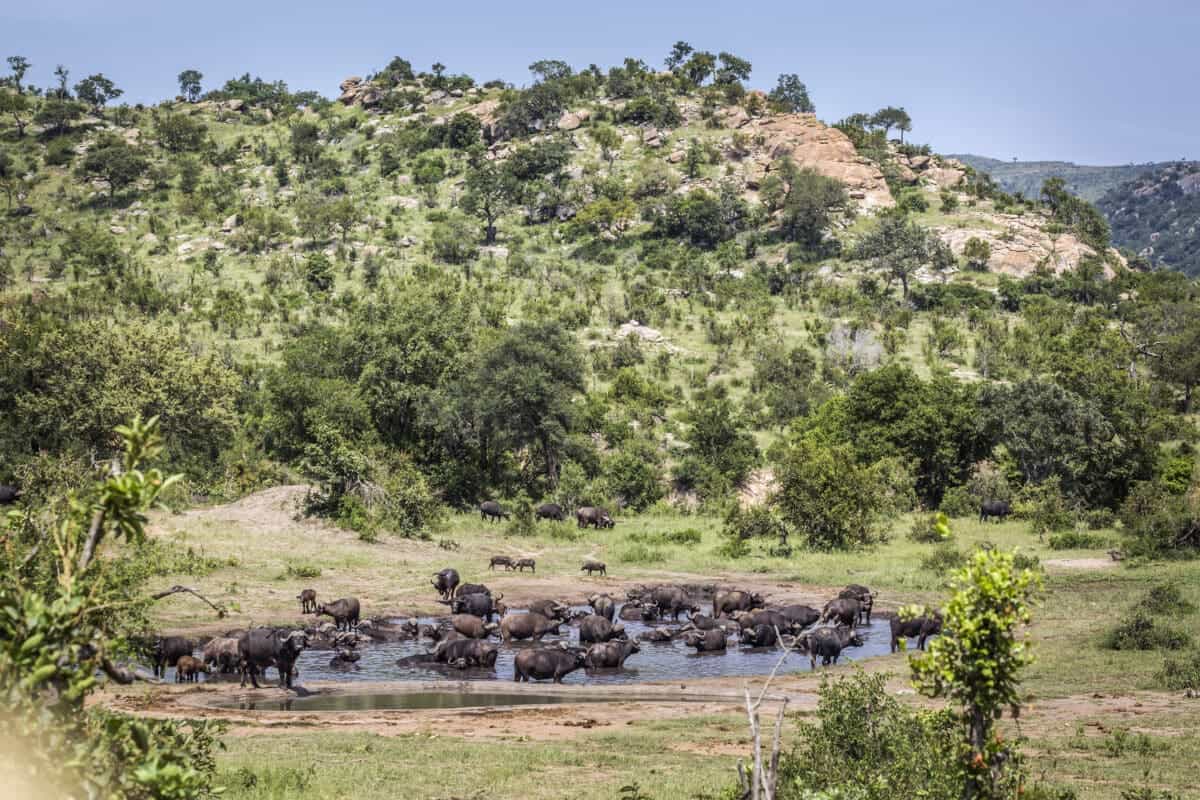
Buffalo stampedes have profoundly influenced human cultures that shared landscapes with these massive herds. Indigenous Plains tribes in North America developed entire cultural systems around buffalo interactions, including specific ceremonies before hunts intended to influence stampede directions. The Plains sign language included detailed signals for communicating about herd movements and stampede risks, demonstrating how central these events were to daily life.
Archaeological evidence shows that some Native American groups constructed sophisticated stone structures called “drive lines” that funneled stampeding buffalo toward harvesting locations, representing complex ecological knowledge about herd behavior during mass movements. In African cultures, age-based initiation ceremonies often included tests of courage related to buffalo encounters, with young men expected to demonstrate calmness when near potential stampede situations. Early European accounts of the American West frequently mentioned buffalo stampedes with a mixture of terror and awe, with several pioneer wagon trains documented as being overtaken by stampeding herds with catastrophic results.
These events entered frontier mythology and literature, influencing how Americans perceived the wilderness. Even modern ranching techniques for handling cattle draw directly from observations of how buffalo move en masse, with curved handling systems designed by animal behavior expert Temple Grandin explicitly modeled on natural buffalo movement patterns during high-stress situations like stampedes.
The Aftermath of a Stampede

Once a buffalo stampede subsides, a complex series of aftermath events unfolds across the ecosystem. The herd itself undergoes a period of reorganization, with scattered groups gradually reconvening through contact calls and movement toward familiar gathering points. Heart rate studies on buffalo show elevated stress indicators for 8-12 hours following stampede events, with animals displaying heightened vigilance behaviors.
The landscape bears immediate evidence of the event, with trampled vegetation, disturbed soil, and distinctive scent trails from stress pheromones that can linger for days. Scavengers and opportunistic predators quickly converge on the stampede path to take advantage of any injured animals or separated calves, creating a secondary wave of predator activity. A macabre but ecologically important aftermath occurs when deaths result from the stampede—these carcasses create significant nutrient pulses that support decomposer communities and scavengers.
Radio-collar tracking studies have shown that herds often avoid the specific location where a stampede was triggered for several weeks afterward, demonstrating spatial memory of threatening areas. Perhaps most interestingly, researchers have documented what appears to be post-event social reinforcement, where herd members engage in increased affiliative behaviors like grooming and physical contact after the stress of a stampede event—suggesting that these dramatic events may actually strengthen social bonds within the group after the immediate danger has passed.
Buffalo Stampedes in the Modern World
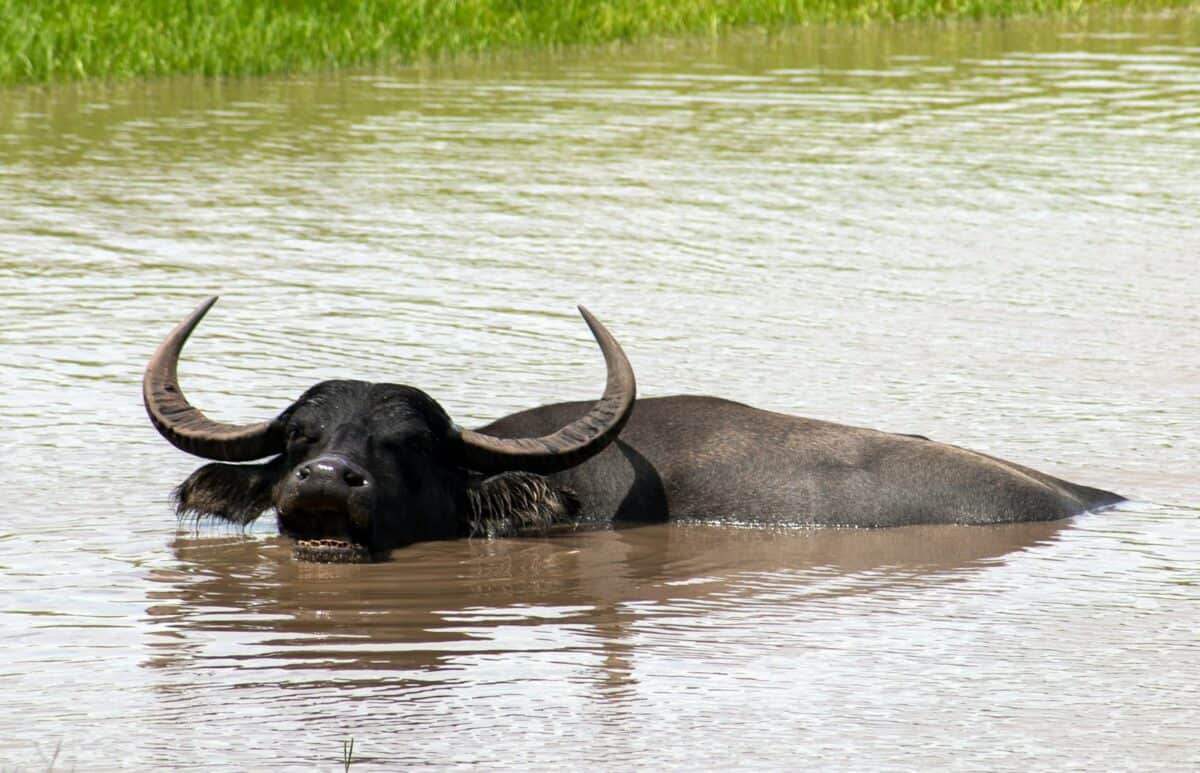
Buffalo stampedes continue to occur in the modern world, though with different contexts and consequences than in historical times. In the protected areas where wild buffalo still exist, park management strategies must account for the potential of stampedes, with specific protocols developed for visitor safety during these unpredictable events. The reintroduction of bison to parts of their historical range creates new management challenges, as these animals bring their stampede behaviors back to landscapes now crossed by roads, farms, and communities.
Wildlife managers often install specialized infrastructure like wildlife underpasses with design features specifically engineered to prevent stampede bottlenecks. Tourism presents another modern dynamic—the desire to see and photograph wild herds has created situations where vehicles and tourist groups have inadvertently triggered stampedes, leading to new regulations in parks across Africa and North America. Climate change appears to be influencing stampede frequency and timing, with researchers noting more unpredictable movement patterns as buffalo herds respond to shifting seasonal cues and more extreme weather events.
Perhaps most encouraging is how modern scientific understanding of stampede behavior is informing conservation strategies—buffer zones around protected areas now incorporate knowledge about typical stampede distances, and corridor planning between fragmented habitats considers the space requirements for these natural movements. Even cattle ranchers working with domestic buffalo have adopted handling practices that respect the animals’ natural tendency toward coordinated movement, creating more humane and effective management approaches based on centuries of observation of wild stampede behaviors.
Witnessing a Stampede: Guidelines for Safety

For those fortunate—or unfortunate—enough to witness a buffalo stampede in the wild, safety considerations are paramount. Wildlife experts emphasize that the single most important safety rule is to never position yourself in the potential path of a stampeding herd. Buffalo have poor frontal vision and limited ability to change direction quickly once in motion, making it nearly impossible for them to avoid obstacles in their path. National parks with buffalo populations recommend maintaining minimum viewing distances of at least 100 meters (328 feet) from herds at all times, with greater distances during sensitive seasons like calving or rut when animals are more reactive. If caught near a developing stampede situation, experts advise moving perpendicular to the herd’s direction rather than trying to outrun them—buffalo can sustain speeds faster than humans for much longer distances.
Vehicles provide inadequate protection during major stampedes, with documented cases of cars being overturned by charging buffalo. Wildlife photographers seeking stampede images should use telephoto lenses and remain at safe elevations or behind substantial barriers. Park rangers and wildlife guides are trained to recognize pre-stampede behaviors, including increased herd vocalization, clustering, and alert postures where animals raise their heads high and test the air—these warning signs should trigger immediate visitor withdrawal from the area. While the sight of a buffalo stampede remains one of nature’s most impressive spectacles, witnessing it must always be balanced with appropriate safety measures and respect for these powerful animals’ space and behavior.
Conclusion: The Enduring Force of Nature’s Living Avalanche

Buffalo stampedes represent one of nature’s most dramatic examples of collective animal behavior—a phenomenon that combines biology, ecology, physics, and even cultural history into a thundering display of natural power. These events, while seemingly chaotic, reveal sophisticated communication systems, evolutionary adaptations, and ecological relationships that have developed over millennia between these massive herbivores, their predators, and the landscapes they inhabit.
As we continue to protect and restore buffalo populations across their native ranges, understanding stampede behavior becomes increasingly important for conservation management, public safety, and appreciating the complex dynamics of healthy ecosystems. While much has changed since the days when tens of millions of buffalo roamed freely across vast, unfenced landscapes, the essence of the stampede—that moment when individual animals become part of something greater, moving as one unstoppable force—remains a powerful reminder of the raw, undiminished energy that still exists in our natural world.

- Why Vaccinations are Important for Small Dogs - August 2, 2026
- How to Get Your Dog to Stop Peeing Around the House - August 2, 2026
- Essential Tips to Keep Your Pets Warm and Safe in Winter - August 2, 2026