

In the vast theater of natural wonders, few performances rival the epic migration of the Bar-tailed Godwit. This remarkable shorebird accomplishes what was once thought physically impossible: a non-stop flight spanning 7,000 miles across the open Pacific Ocean without a single moment of rest, food, or water. This feat of endurance pushes the boundaries of avian physiology and challenges our understanding of what living creatures can achieve. As we explore the extraordinary journey of this unassuming bird, we uncover a testament to the remarkable adaptations that have evolved through millions of years of natural selection.
Meet the Bar-tailed Godwit: The Marathon Flier

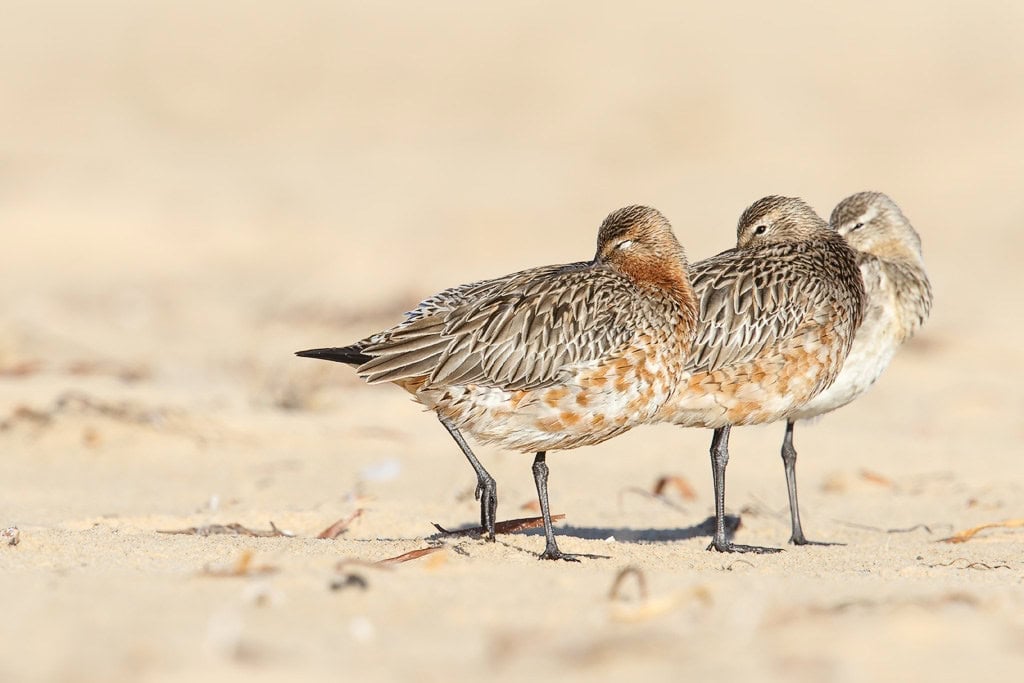
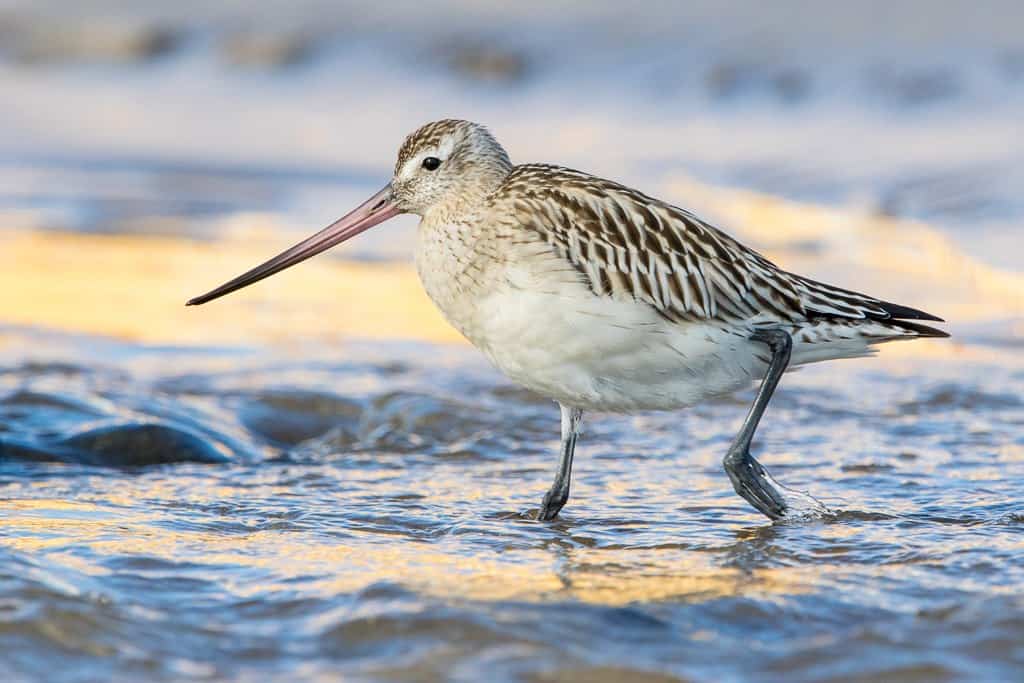
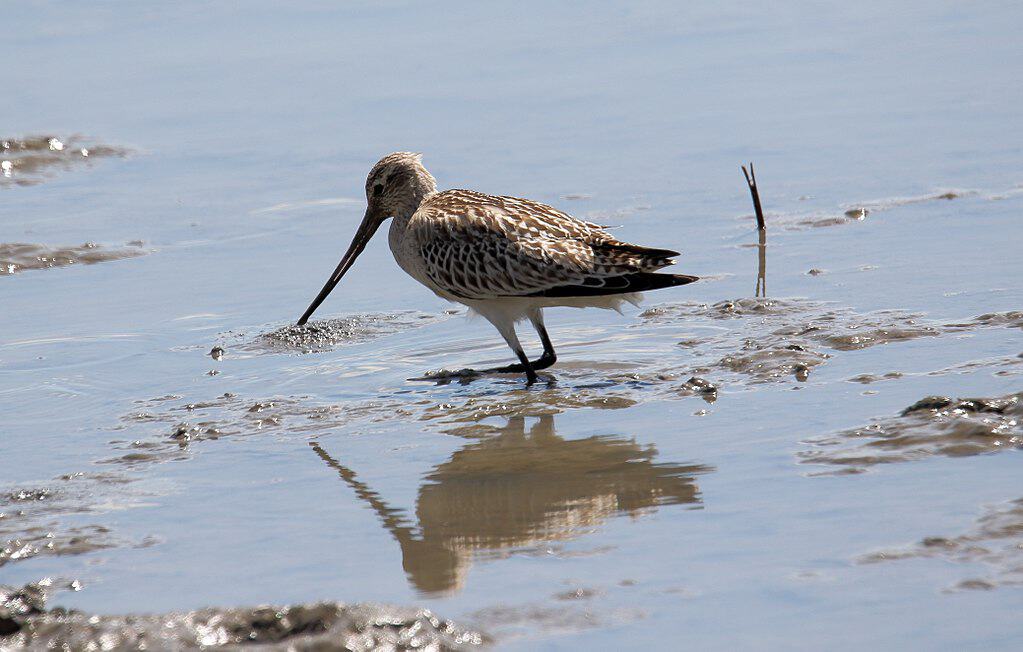
The Bar-tailed Godwit (Limosa lapponica) is a medium-sized wading bird in the sandpiper family, notable for its long, slightly upturned bill and distinctive barred tail. While its appearance might not immediately suggest extraordinary capabilities, this modest exterior conceals one of nature’s most impressive endurance athletes. Standing about 15-16 inches tall and weighing between 7-17 ounces (depending on season and subspecies), these birds have streamlined bodies perfectly adapted for long-distance flight. The Alaskan subspecies (Limosa lapponica baueri) particularly distinguishes itself with its record-breaking migrations between Alaska and New Zealand, a journey that represents the longest known non-stop flight of any bird in the world.
The Record-Breaking Migration Route
The migration path of the Bar-tailed Godwit traces a nearly 7,000-mile arc across the Pacific Ocean, from breeding grounds in Alaska to wintering areas in New Zealand and eastern Australia. What makes this journey remarkable is not just its distance but its uninterrupted nature. Unlike many migratory birds that make multiple stops to rest and refuel, Godwits commit to a single, continuous flight over open ocean with no landmasses for potential stopovers. Tracking studies have documented individual birds maintaining continuous flight for 8-9 days, traveling at average speeds of about 35 miles per hour. In 2020, a male Godwit set a new record when it flew 7,581 miles (12,200 kilometers) from Alaska to New Zealand without stopping, a journey that took 11 days of continuous flight.
Physiological Adaptations: Built for Extreme Endurance

The Bar-tailed Godwit possesses a suite of remarkable physiological adaptations that enable its marathon migrations. Before departure, these birds undergo an extraordinary transformation, nearly doubling their body weight by accumulating fat stores that will fuel their journey. This pre-migratory fattening is so dramatic that internal organs actually shrink to make room for the fat and reduce unnecessary weight. The liver and digestive tract, which aren’t needed during the flight, reduce in size by up to 50%, while flight muscles increase. Their bodies also become highly efficient at converting fat to energy, optimizing fuel consumption during the lengthy journey. Additionally, Godwits can sleep while flying by engaging in unihemispheric sleep—resting one half of their brain while the other half remains alert.
The Remarkable Fueling Strategy

The pre-migration preparation of a Bar-tailed Godwit represents one of the most extreme weight gain strategies in the animal kingdom. In the weeks before departure, Godwits enter a state called hyperphagia, where they feed almost constantly, particularly on marine worms, mollusks, and other invertebrates rich in fats and proteins. This feeding frenzy allows them to increase their body mass by 55-100%, transforming from lean breeding birds into rotund, fuel-laden migration machines. Scientists have calculated that for their journey, Godwits burn approximately 0.41% of their body weight per hour during continuous flight. This carefully calibrated fuel strategy leaves them with just enough energy reserves to complete their journey, with little margin for error. It’s a high-stakes gamble that speaks to the precision of their evolutionary adaptations.
Navigational Prowess: Finding Their Way Across the Ocean
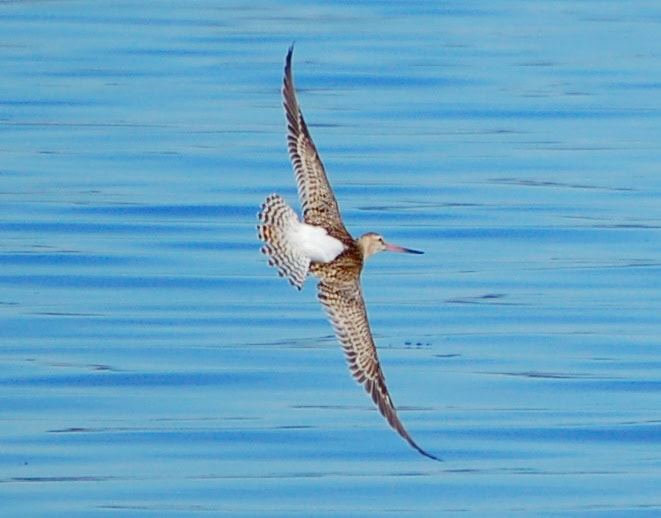
Beyond their physical endurance, Bar-tailed Godwits display extraordinary navigational abilities. Flying over thousands of miles of featureless ocean without landmarks, these birds maintain remarkably precise headings to reach relatively small island destinations. Research suggests they use a combination of navigational tools, including the ability to detect Earth’s magnetic field, celestial navigation using the sun and stars, and possibly even the ability to smell the specific scent of their destination from great distances. Young Godwits appear to have an innate sense of the direction and distance they need to travel, completing the migration successfully even on their first attempt without following experienced adults. This suggests a significant genetic component to their navigational abilities, further demonstrating the deep evolutionary adaptations that enable their remarkable journeys.
Weather and Wind: Flying Nature’s Highways

Bar-tailed Godwits don’t simply power through their migrations regardless of conditions; they strategically time their departures to take advantage of favorable weather patterns. These birds have evolved to detect and exploit specific wind conditions, particularly the tailwinds that develop after the passage of cold fronts. By riding these atmospheric highways, Godwits can significantly reduce their energy expenditure and increase their flight speed. Tracking studies have shown that these birds can achieve ground speeds of up to 55 mph with favorable winds, compared to 35 mph in average conditions. This strategic use of weather systems demonstrates another layer of sophistication in their migratory behavior. However, climate change is altering these traditional wind patterns, potentially creating new challenges for these precisely calibrated migrations.
The Annual Cycle: More Than Just One Great Flight

While the southward migration from Alaska to New Zealand captures most attention due to its non-stop nature, the Godwit’s annual cycle includes an equally impressive return journey. The northward migration typically includes a stopover in the Yellow Sea region between China and the Korean Peninsula, where the birds refuel before completing their journey to Alaskan breeding grounds. This entire annual cycle is precisely timed to align with seasonal resource availability. They arrive in New Zealand as southern hemisphere summer begins, providing abundant food resources. Their arrival in Alaska coincides with the brief Arctic summer, which offers the extended daylight hours needed for feeding and raising young. This annual round-trip migration of approximately 18,000 miles makes the Bar-tailed Godwit one of the planet’s most well-traveled birds.
Conservation Challenges: A Threatened Migration

Despite their remarkable capabilities, Bar-tailed Godwits face significant conservation challenges. Coastal development and habitat loss at critical staging areas threaten their ability to prepare adequately for migration. Particularly concerning is the rapid destruction of tidal flats in the Yellow Sea region, which serves as a crucial stopover site during northward migration. These wetlands are being converted for aquaculture, agriculture, and urban development at alarming rates, with some estimates suggesting over 65% of these habitats have been lost in recent decades. Climate change presents additional challenges by altering the timing of resource availability, disrupting traditional wind patterns, and raising sea levels that further reduce coastal feeding habitats. These pressures have contributed to population declines, with some Godwit populations now classified as near-threatened.
Scientific Significance: Research Breakthroughs
The extraordinary migration of the Bar-tailed Godwit has provided scientists with valuable insights into the limits of avian physiology and the evolution of migratory behavior. The development of lightweight satellite transmitters and geolocators has revolutionized our understanding of their journeys, allowing researchers to track individual birds in real-time across their entire migration. These studies have revealed not only the precise routes and timing of migrations but also how birds respond to changing weather conditions and how they select departure dates. The Godwit’s exceptional endurance has also attracted interest from physiologists studying the limits of animal performance and the mechanisms that prevent muscle damage during extended exercise. This research has implications beyond ornithology, potentially informing human medical research on muscle metabolism and endurance.
Evolutionary Perspective: How Did This Ability Develop?

The evolution of the Bar-tailed Godwit’s extraordinary migratory ability represents a fascinating example of natural selection. Scientists believe this migration pattern evolved gradually over thousands of years, possibly beginning with shorter coastal routes that progressively extended as birds discovered the advantages of more direct pathways. The current transoceanic route likely developed during the Pleistocene period when lower sea levels created more potential stopover points across the Pacific. As sea levels rose after the last ice age, birds that could complete longer flights without stopping gained a selective advantage. This evolutionary pressure likely drove the development of the remarkable physiological adaptations we observe today. The fact that juvenile birds can successfully complete the migration on their first attempt without guidance suggests these behaviors are now deeply encoded in their genetic makeup.
Cultural Significance: Birds That Connect Continents
Beyond their biological significance, Bar-tailed Godwits hold special cultural importance for many indigenous peoples along their migratory routes. In New Zealand, the birds are known as “kuaka” to the Māori people and feature prominently in traditional sayings and legends. One Māori proverb states: “Ka kite te kohanga kuaka, kua rere” (“When the nest of the godwit is seen, they have flown”), referring to something that arrives and departs with little warning. Among several Alaskan indigenous groups, the arrival of Godwits signals the beginning of spring and the return of abundance after the harsh winter. The bird’s transcontinental journey serves as a powerful symbol of connection between distant lands and cultures. Conservation efforts now increasingly recognize the importance of incorporating this cultural knowledge into protection strategies, acknowledging that these birds are not just ecological marvels but also cultural treasures.
Conclusion: A Testimony to Nature’s Extraordinary Capabilities
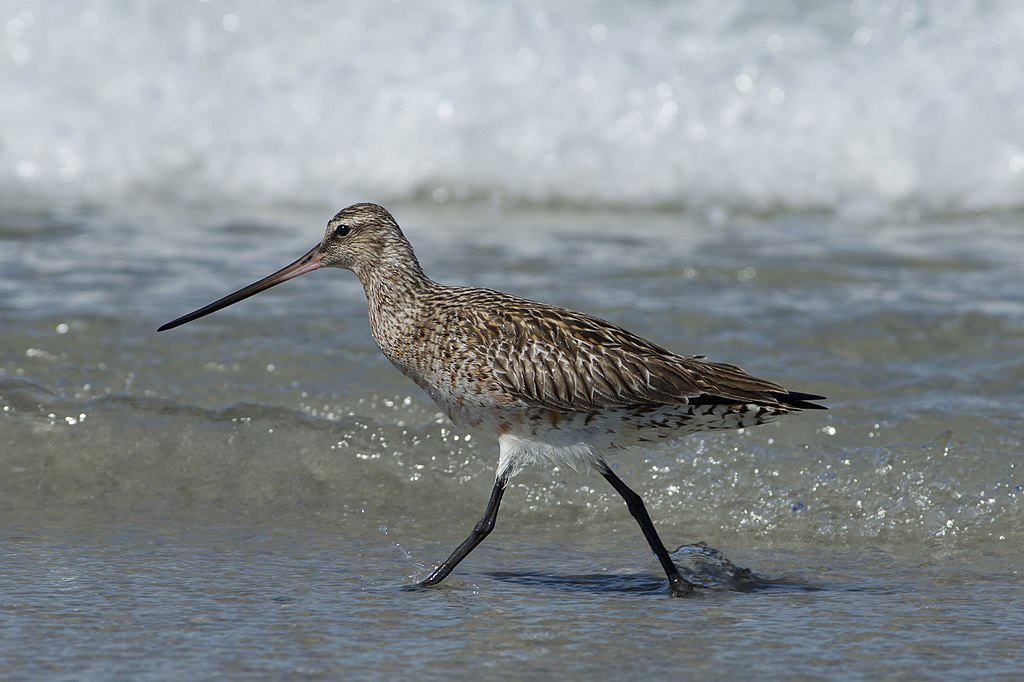
The Bar-tailed Godwit’s 7,000-mile non-stop flight stands as one of the most remarkable feats in the natural world, pushing the boundaries of what we thought biologically possible. This extraordinary migration represents millions of years of evolutionary refinement, resulting in a precisely calibrated system of physiological adaptations, behavioral strategies, and navigational abilities. As we face an era of unprecedented environmental change, the future of these epic migrations depends on coordinated conservation efforts across multiple continents and cultures. The story of the Bar-tailed Godwit reminds us that even after centuries of scientific inquiry, nature still holds wonders that challenge our understanding and inspire our admiration. In these remarkable birds, we glimpse the extraordinary potential that exists within seemingly ordinary creatures—a testament to the power of natural selection and the remarkable diversity of life on Earth.

- The Forgotten Lake Where Flamingos Nest in the U.S. - July 10, 2026
- This U.S. Forest Is Home to the Largest Herd of Wild Elk - July 10, 2026
- The Most Dangerous Lake in the World—And Why It Can Kill Instantly - July 10, 2026