

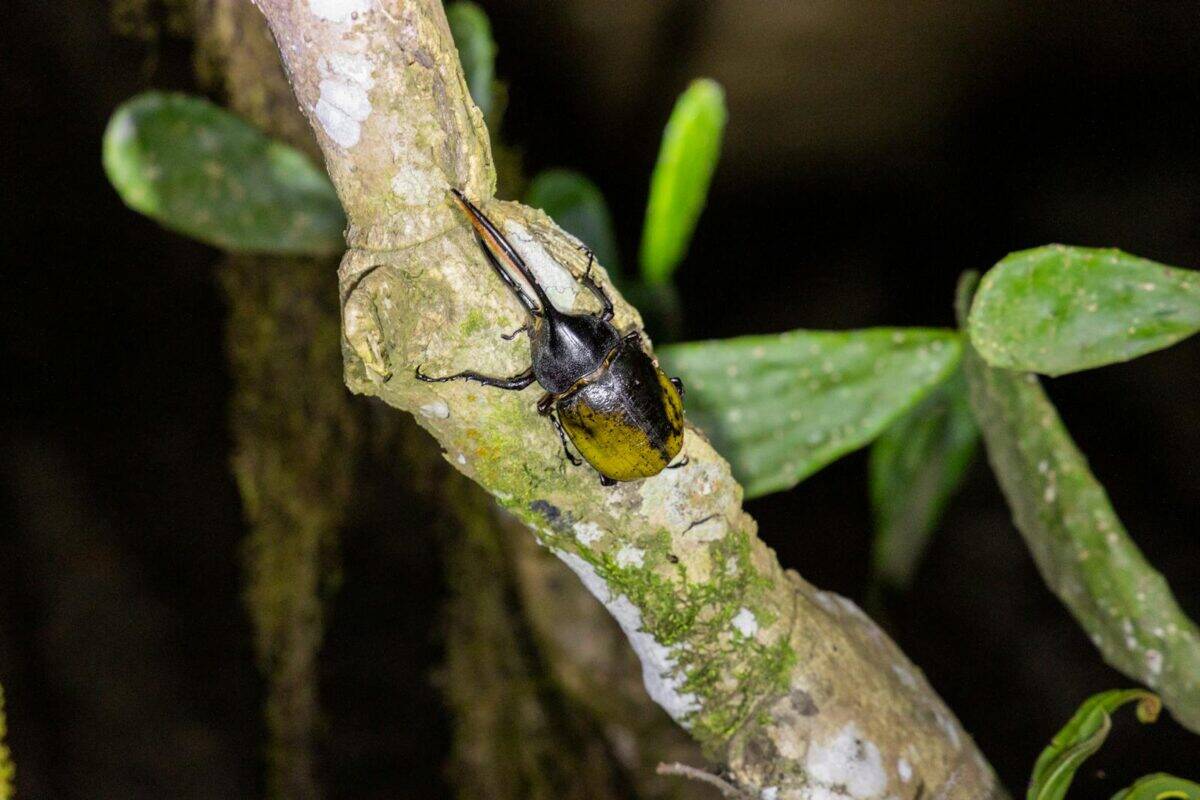
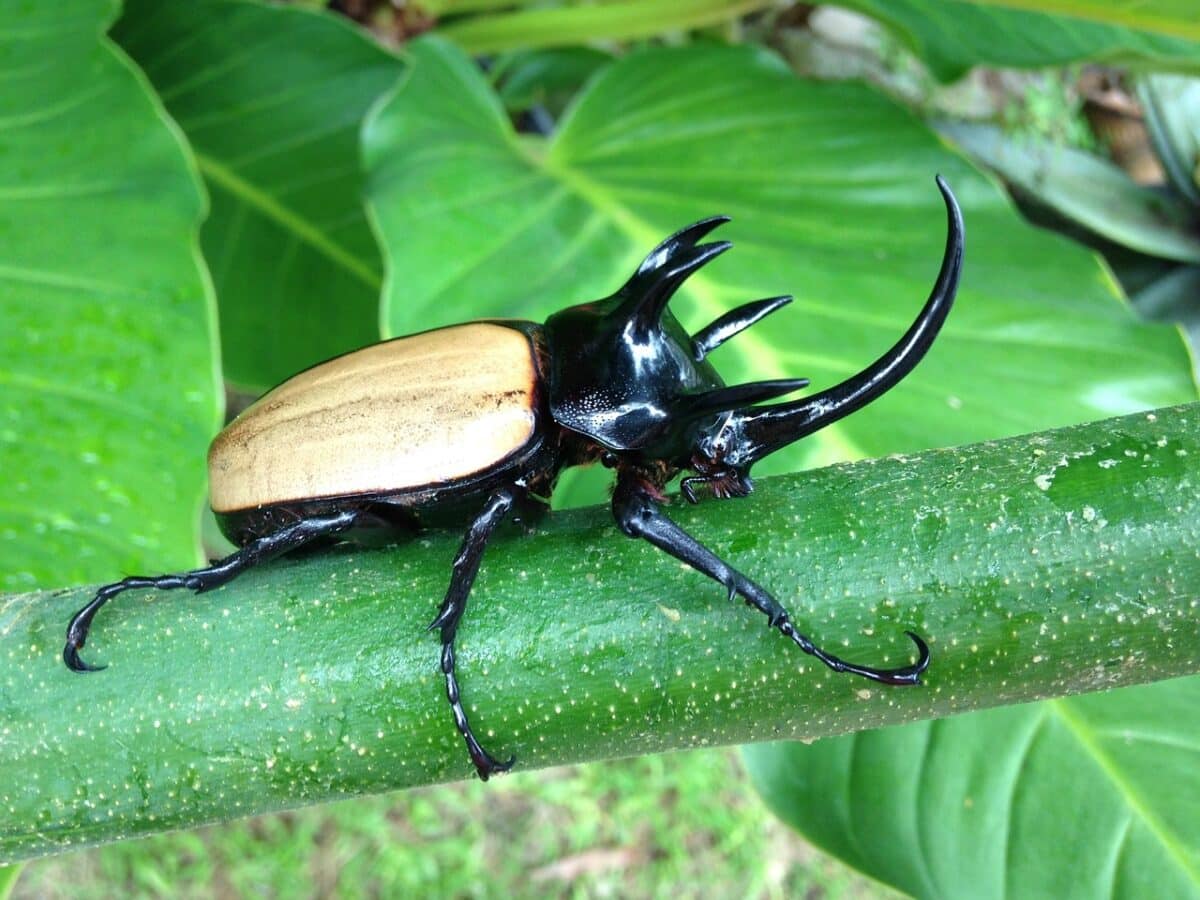
In the insect world, few creatures demonstrate such extraordinary feats of strength as the Hercules beetle (Dynastes hercules). This remarkable insect, named after the mythological Greek hero famed for his incredible strength, lives up to its namesake by possessing the ability to lift a staggering 850 times its own body weight. To put this in perspective, if humans had equivalent strength, we could lift approximately 65 tons—the weight of about 10 adult elephants. This article explores the fascinating biology, mechanics, and evolutionary adaptations that enable these beetles to perform such superhuman feats of strength, making them one of nature’s most impressive powerlifters.
The Magnificent Hercules Beetle: An Introduction
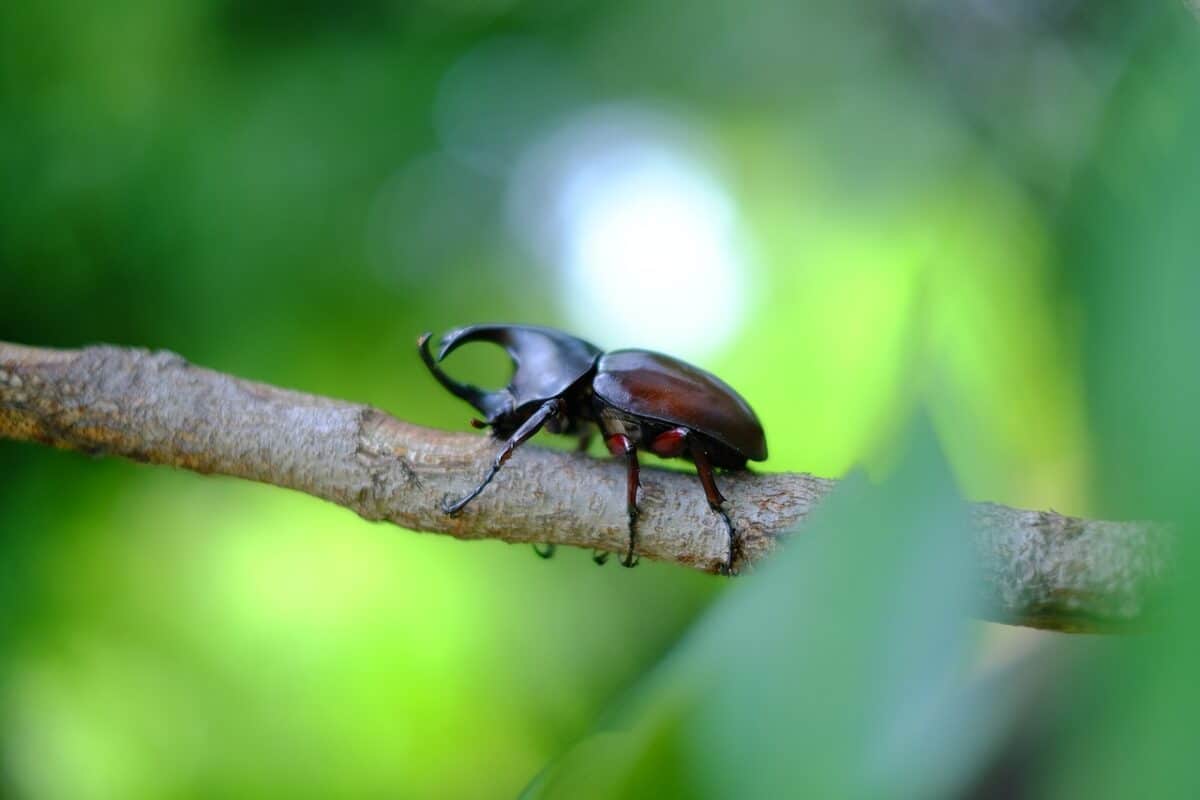
Hercules Beetle. Image via Unsplash
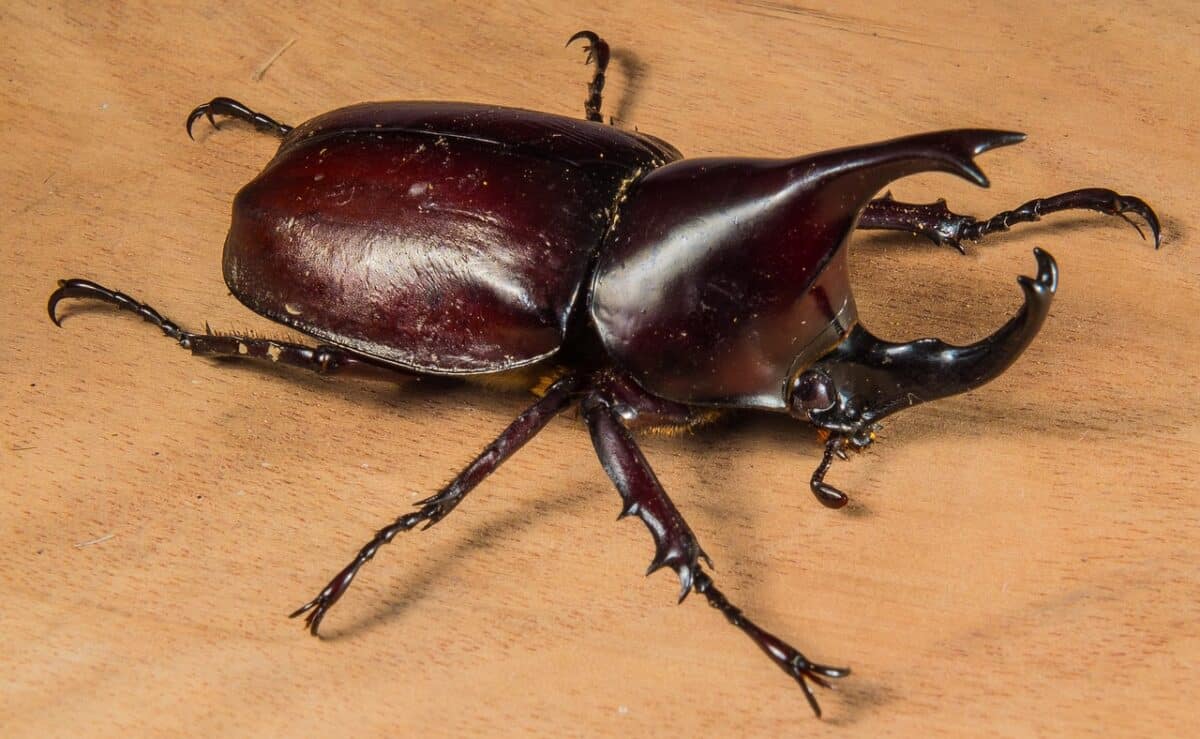
The Hercules beetle belongs to the rhinoceros beetle family (Dynastinae), a subfamily of the scarab beetle group. Native to the rainforests of Central and South America, these impressive insects are among the largest beetles in the world. Males can grow up to 7 inches (17.5 cm) in length, including their distinctive horns, while females are typically smaller and lack the prominent horns. Despite their intimidating appearance, Hercules beetles are harmless to humans and primarily feed on rotting fruit and tree sap. What makes these beetles truly remarkable, however, is not just their size but their incredible strength-to-weight ratio, which far surpasses that of any other animal on the planet.
Understanding the Scale of Beetle Strength
The Hercules beetle’s ability to lift 850 times its own body weight is difficult to comprehend in human terms. Consider that an average Hercules beetle weighs about 100 grams and can lift approximately 85 kilograms (187 pounds). By comparison, even the strongest human weightlifters can typically lift no more than 3-4 times their body weight in controlled lifting exercises. This extraordinary strength-to-size ratio gives the Hercules beetle a significant advantage in its natural environment, allowing it to move large objects, dig through tough substrates, and even carry potential mates. Their strength isn’t just impressive—it’s a crucial evolutionary adaptation that has helped these insects thrive for millions of years.
The Science Behind Insect Super-Strength
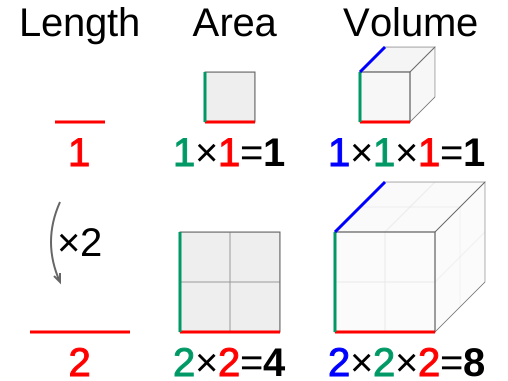
The exceptional strength of the Hercules beetle and other insects can be explained by several scientific principles. First and foremost is the square-cube law, which states that as an object’s size increases, its volume (and therefore mass) grows much faster than its surface area. Conversely, smaller animals have more muscle strength relative to their body weight. This principle explains why insects can lift many times their own weight while larger animals cannot. The Hercules beetle’s exoskeleton also plays a crucial role, providing attachment points for muscles and creating a mechanical advantage through lever-like actions. Additionally, the composition of insect muscle fibers differs from vertebrates, allowing for greater force generation relative to their size.
Exoskeletal Architecture: The Framework for Power
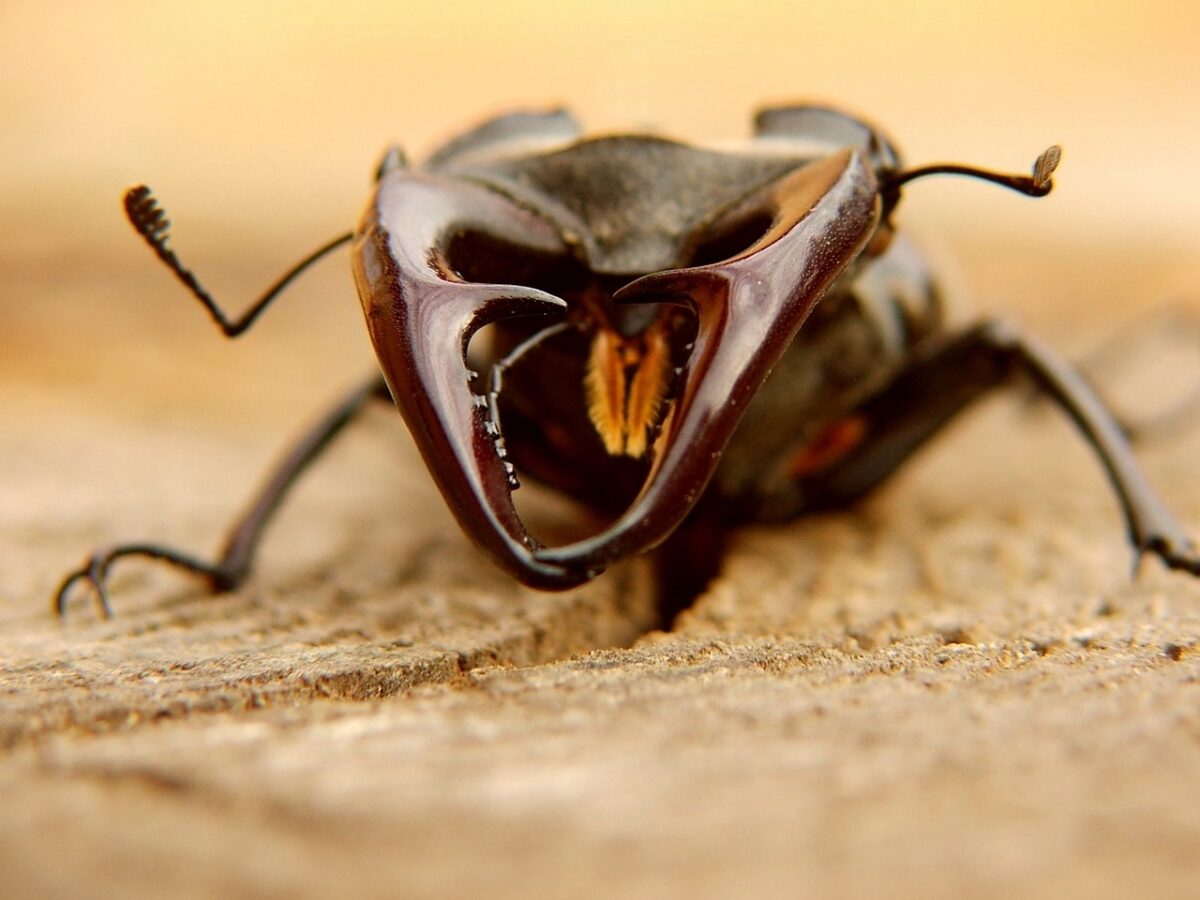
The exoskeleton of the Hercules beetle is a marvel of natural engineering. Made primarily of chitin—a tough, semitransparent substance—the exoskeleton provides rigid support without excessive weight. This external skeleton serves as an attachment point for muscles, creating a system of biological levers that amplify force. Unlike vertebrates, whose muscles attach to internal bones, beetle muscles connect directly to the inside of the exoskeleton, eliminating energy loss in the transfer of force. The beetle’s exoskeleton is also strategically thickened in areas that experience high stress, such as the thorax and legs, while remaining thinner in areas where flexibility is more important. This specialized architecture enables the Hercules beetle to generate and apply enormous forces without structural failure.
Muscle Mechanics: Small But Mighty
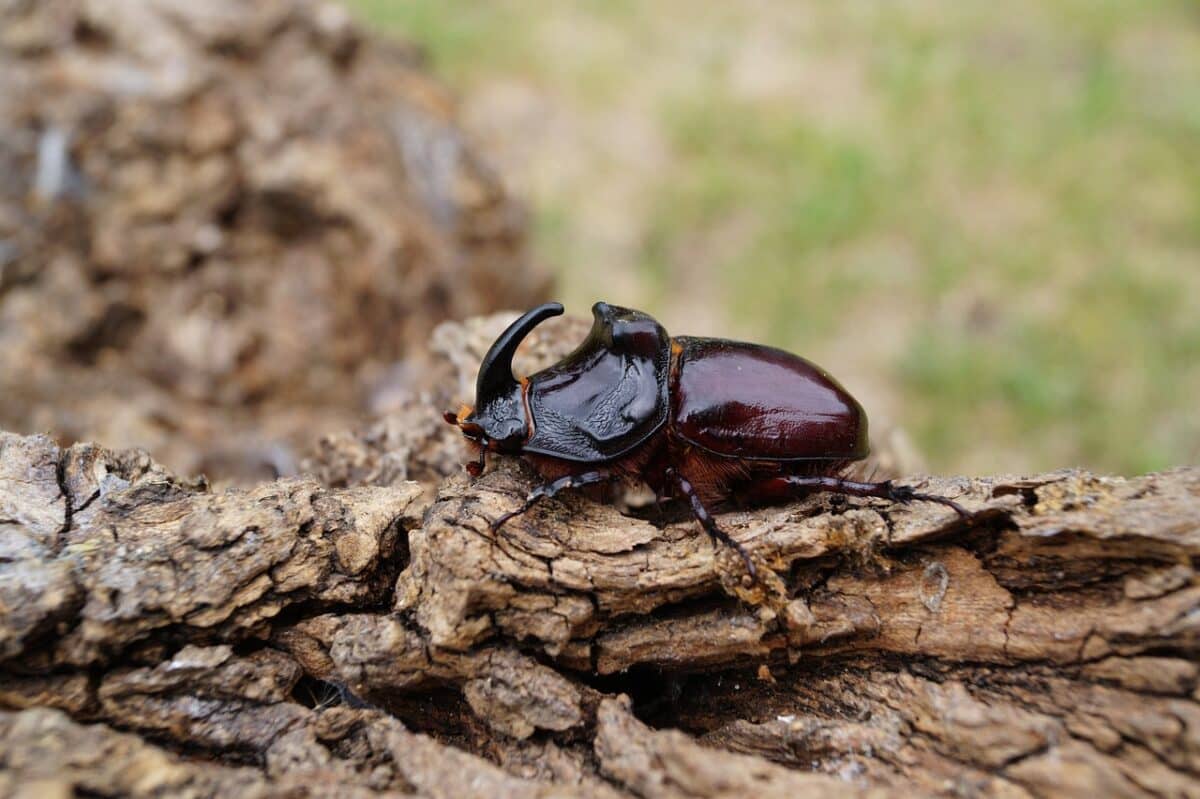
The muscle fibers of the Hercules beetle exhibit several adaptations that contribute to their extraordinary strength. Unlike human muscles, which contain a mix of fast-twitch and slow-twitch fibers, beetle muscles predominantly consist of high-power, fast-twitch fibers. These fibers can generate more force per unit area than mammalian muscles. Additionally, the neuromuscular junctions—where nerves connect to muscles—in beetles are highly efficient, allowing for rapid and synchronized muscle contractions. The arrangement of muscle fibers in the beetle’s legs creates a mechanical advantage, with short muscle fibers pulling on the exoskeleton at optimal angles to maximize force output. These specialized muscle mechanics, combined with the leverage provided by the exoskeleton, enable the Hercules beetle to generate forces far greater than would be expected based on size alone.
Biomechanical Principles at Play
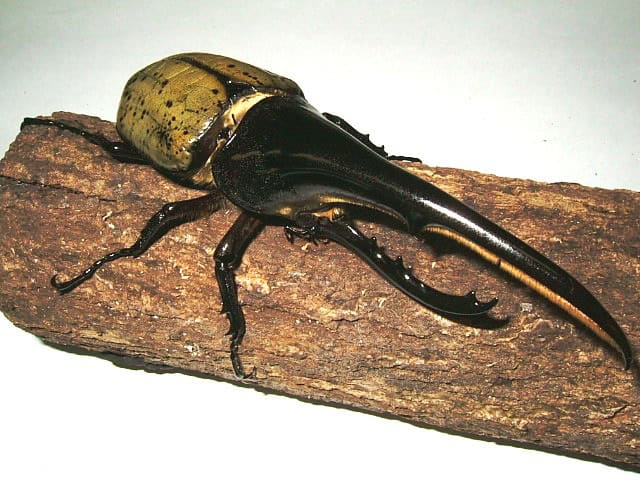
The Hercules beetle’s strength also relies on sophisticated biomechanical principles. One key factor is the beetle’s low center of gravity, which provides stability during lifting. The six legs of the beetle are positioned to create a wide, stable base, distributing weight evenly and preventing tipping during heavy lifting. Each leg functions as a complex mechanical system with multiple joints that can lock into position, creating rigid supports when needed. The beetle’s legs also employ principles of hydraulic pressure, with hemolymph (insect blood) being pumped into the legs to increase rigidity during exertion. These biomechanical adaptations work in concert with the beetle’s muscular system, creating a biological machine optimized for generating and applying tremendous force relative to its size.
Evolutionary Advantages of Super-Strength
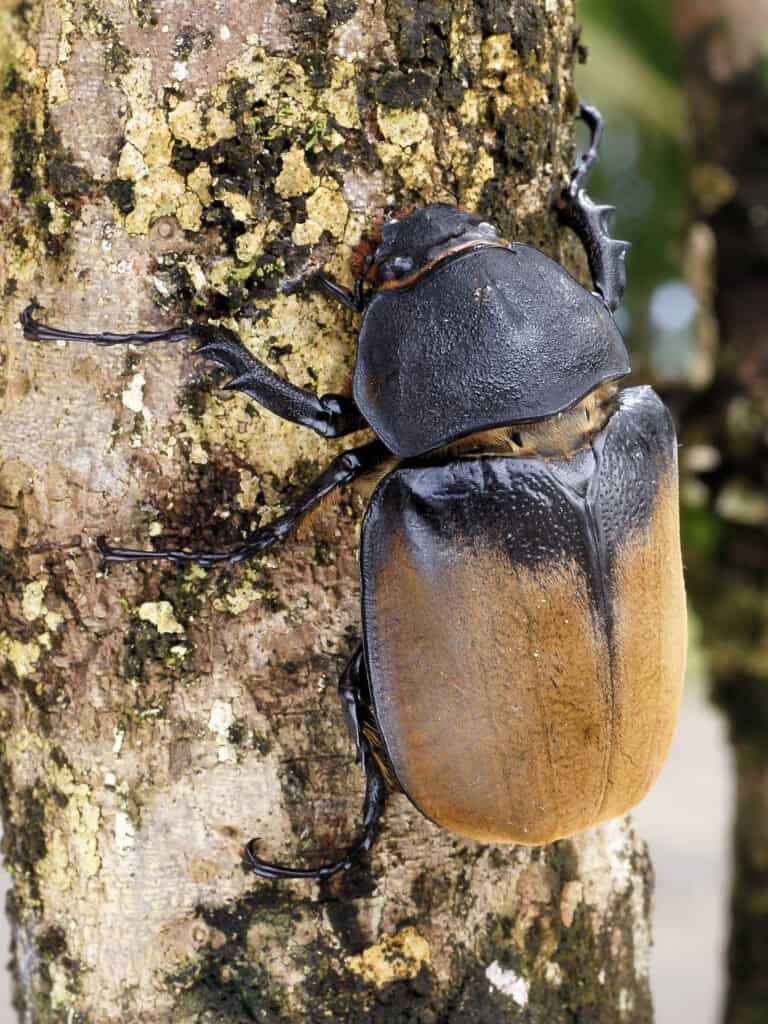
The extraordinary strength of the Hercules beetle didn’t evolve by chance—it provides significant evolutionary advantages. In the competitive rainforest environment, being able to move large objects allows beetles to access food sources hidden beneath forest debris or inside rotting logs. Their strength also enables males to engage in combat for mating rights, using their horns to lift and flip rivals. During the breeding season, male beetles often carry females for extended periods, requiring substantial strength. Additionally, this power allows the beetles to dig efficiently, creating burrows for protection and egg-laying. Over millions of years, natural selection has favored these strong individuals, gradually enhancing the species’ lifting capacity to the remarkable levels we observe today.
Hormonal Compounds: The Chemical Basis for Strength
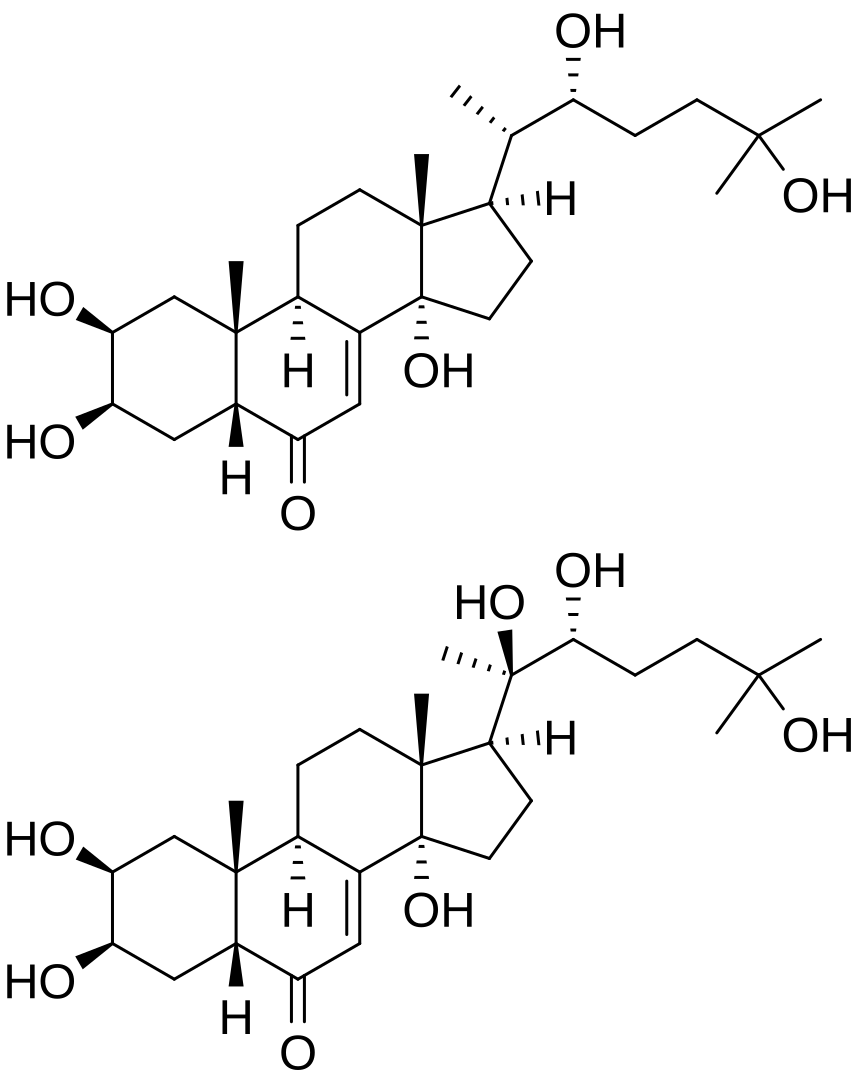
The Hercules beetle’s impressive strength also has a chemical foundation. Insect hormones, particularly ecdysteroids and juvenile hormone, play crucial roles in developing and maintaining the beetle’s powerful musculature. These hormones regulate the synthesis of proteins necessary for muscle development and function. Research has shown that Hercules beetles produce specialized biochemical compounds that enhance muscle performance, including unique proteins that allow for greater elasticity and contractile force in muscle fibers. Additionally, their nervous systems release neurotransmitters that can sustain muscle contractions for extended periods without fatigue—a capability that would cause severe cramping in mammals. This biochemical toolkit provides the Hercules beetle with both explosive power and enduring strength.
Practical Applications in Engineering and Robotics
The Hercules beetle’s extraordinary strength-to-weight ratio has not gone unnoticed by scientists and engineers. Biomimetic researchers study these beetles to develop more efficient robotic systems, particularly in the field of microrobotics. The principles behind the beetle’s exoskeleton have inspired designs for lightweight but strong structural components in various applications, from aerospace to construction. Engineers have also developed artificial muscles based on the contractile properties of beetle muscle fibers, potentially revolutionizing prosthetic limbs and robotic actuators. The beetle’s efficient leverage system has influenced the design of mechanical grippers and lifting devices. By understanding and applying the principles that enable the Hercules beetle’s remarkable strength, scientists continue to develop innovative technologies that mimic nature’s time-tested solutions.
Comparing Hercules Beetles to Other Strong Insects

While the Hercules beetle is renowned for its incredible strength, it’s not the only insect with impressive lifting capabilities. The dung beetle, for instance, can pull 1,141 times its body weight—equivalent to a human pulling six double-decker buses. Leaf-cutter ants can carry leaves weighing up to 50 times their body weight while walking upside down on smooth surfaces. Fire ants can link together to form living rafts and bridges, with individuals supporting many times their weight in the process. However, the Hercules beetle stands out because it combines this extraordinary strength with substantial size, making its feats more visually impressive to human observers. Each of these strong insects has evolved specific adaptations suited to their ecological niches, demonstrating the diverse ways that insect strength can manifest in nature.
Observing Beetle Strength in Action
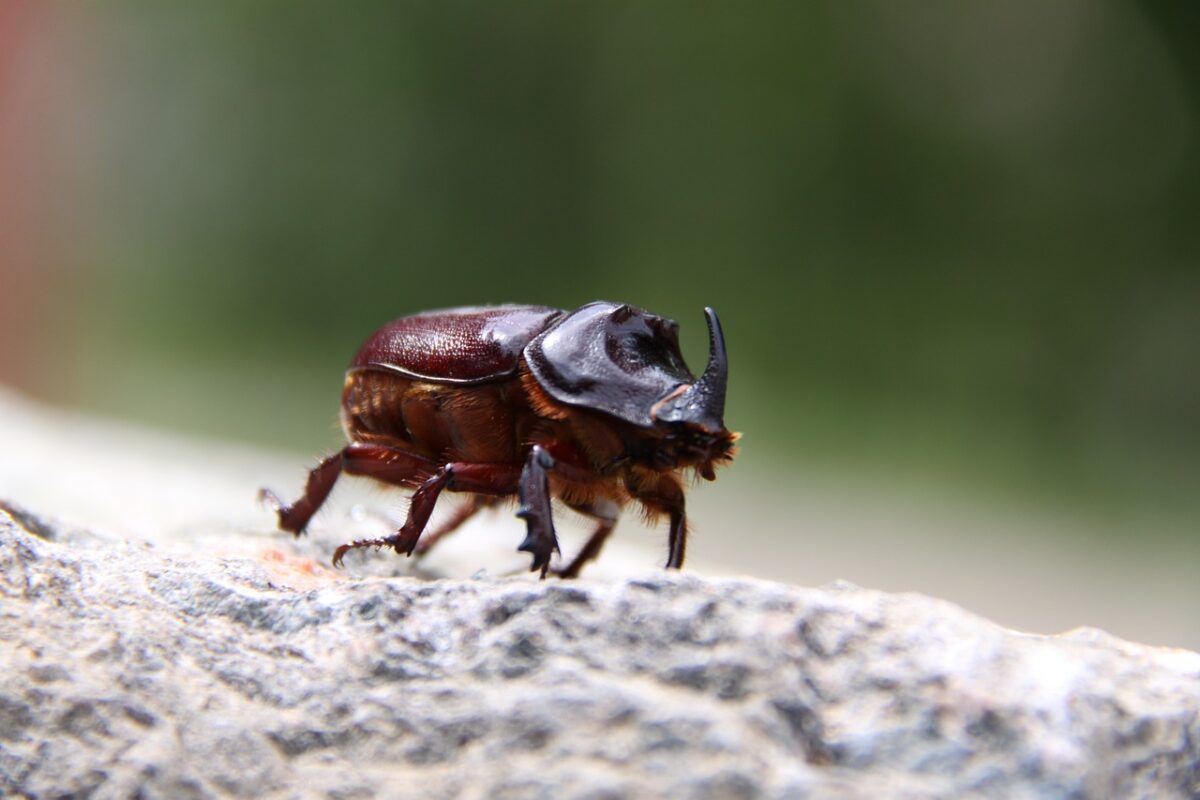
Scientists studying the Hercules beetle’s strength have developed various experimental methods to measure and observe these capabilities in action. Using sensitive force transducers, researchers can precisely quantify the pulling and lifting forces these beetles generate. High-speed cameras capture the biomechanics of beetle movement, revealing how they position their bodies and coordinate their legs during heavy lifting. Some studies have used weighted objects of increasing mass to determine maximum lifting capacity under different conditions. Interestingly, these experiments have shown that Hercules beetles can maintain their impressive strength-to-weight ratio even when lifting awkwardly shaped objects or navigating difficult terrain. In laboratory settings, male beetles have been observed lifting objects equivalent to the weight of a small child, demonstrating that their legendary strength is not merely folklore but scientifically verified fact.
Conservation Challenges and the Future of Hercules Beetles

Despite their impressive physical capabilities, Hercules beetles face significant conservation challenges. Habitat destruction, particularly the logging of rainforests in Central and South America, threatens their natural environment. Climate change also poses risks, as these beetles require specific temperature and humidity conditions to thrive. The international pet trade creates additional pressure, with collectors seeking these impressive insects for display. Some countries have implemented protection measures, regulating the collection and export of Hercules beetles. Conservation efforts focus on habitat preservation and sustainable collection practices where the beetles are abundant. Understanding the remarkable adaptations of these insects provides additional motivation for their conservation—losing such extraordinary examples of evolutionary engineering would represent not only an ecological loss but also the disappearance of potentially valuable insights for biomimetic technology and engineering.
The Hercules beetle’s ability to lift 850 times its own body weight stands as one of nature’s most remarkable feats of strength, demonstrating the extraordinary results of millions of years of evolutionary refinement. Through a perfect integration of exoskeletal architecture, specialized muscle fibers, efficient biomechanics, and biochemical adaptations, these beetles have achieved strength-to-weight ratios that far surpass any human engineering. As we continue to study these impressive insects, we not only gain insights into evolutionary biology but also discover principles that can inform technological innovation. The Hercules beetle reminds us that nature often provides the most elegant solutions to engineering challenges, with designs perfected through the rigorous process of natural selection. In the tiny body of this rainforest beetle lies a testament to the extraordinary capabilities that can emerge when physical form is optimized for function across evolutionary time.

- 10 Animals With Natural Armor - August 15, 2026
- 13 Unexpectedly Aggressive Animals - August 15, 2026
- The States With the Most Cows per Person - August 14, 2026