

Urban wildlife has become an increasingly common sight across America’s metropolitan areas, but perhaps no species has adapted to city life as successfully as the coyote. From Chicago’s downtown Loop to the Hollywood Hills of Los Angeles, these resilient canids have not just survived but thrived in some of the nation’s most densely populated urban environments. Their remarkable ability to adapt and flourish in human-dominated landscapes represents one of the most fascinating stories of urban ecology in recent decades. This article explores how these once-rural predators have transformed into city dwellers, the factors enabling their urban success, and what their presence means for urban ecosystems and human residents alike.
The Urban Coyote Phenomenon
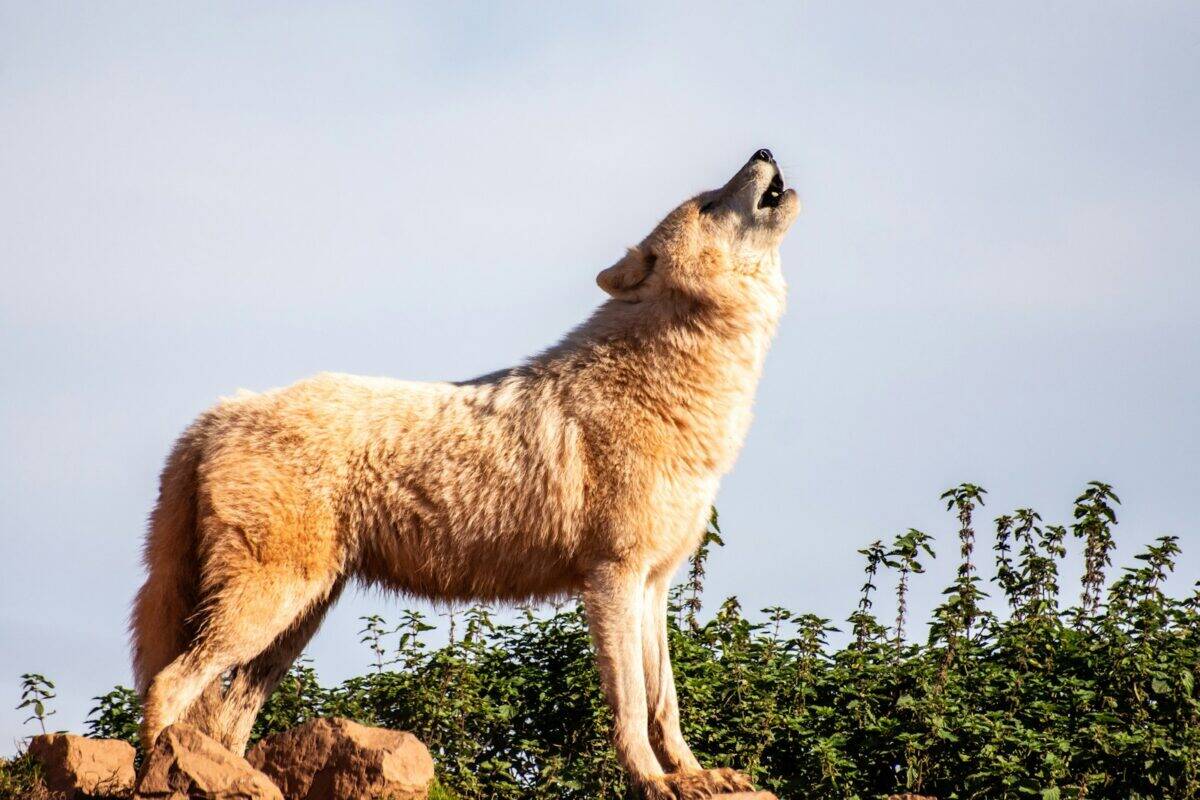
The urban coyote phenomenon represents one of the most dramatic wildlife adaptation stories of the 21st century. Once confined primarily to the prairies and deserts of western North America, coyotes have expanded their range dramatically over the past century. Today, they inhabit every continental U.S. state except Hawaii and have established permanent populations in nearly every major American city. Chicago alone hosts an estimated 2,000-4,000 coyotes, while Los Angeles County may be home to thousands more. These aren’t just transient visitors – research shows that urban coyotes establish territories, reproduce, and maintain multiple generations within city boundaries, creating truly urban populations that may differ behaviorally and ecologically from their rural counterparts.
Coyote Biology and Adaptability
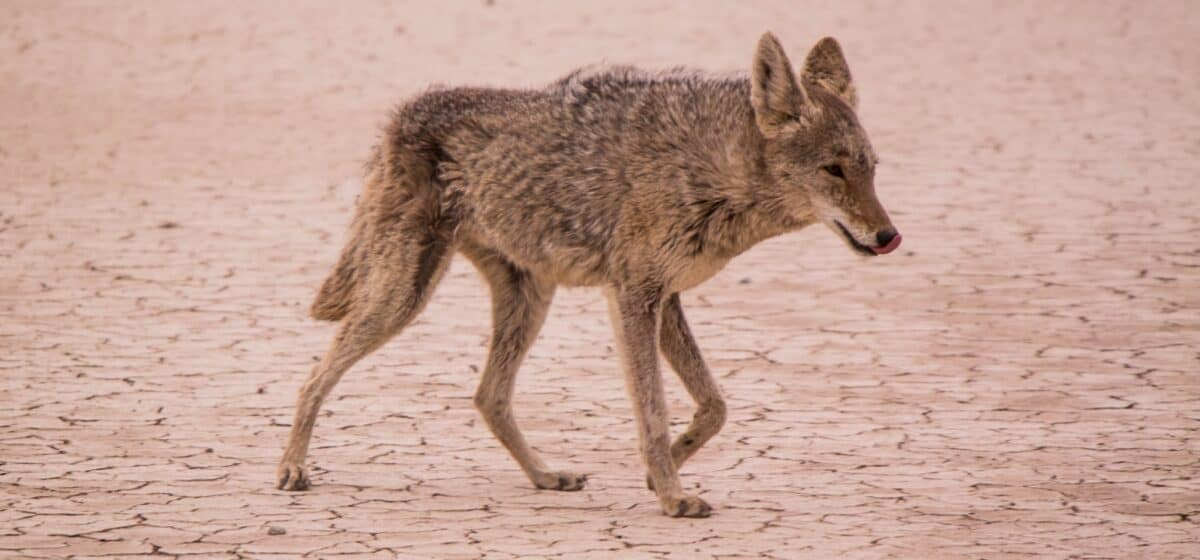
The coyote’s biological characteristics make it uniquely pre-adapted for urban success. Medium-sized predators weighing between 20-50 pounds, coyotes possess incredible dietary flexibility, consuming everything from small mammals and birds to fruits, vegetables, and human garbage. Their reproductive biology also aids their urban conquest – females typically produce 4-7 pups per litter, but can respond to population pressures by increasing litter sizes. Perhaps most importantly, coyotes demonstrate remarkable behavioral plasticity – the ability to rapidly adjust behaviors in response to new environments. Urban coyotes quickly develop nocturnal habits to avoid human activity, learn to navigate road systems, and modify hunting techniques to exploit city-specific food resources. This adaptability allows them to thrive in environments that would challenge less flexible species.
The Urban Advantage: Food Resources

Cities offer coyotes an abundant and diverse buffet that often exceeds what’s available in natural habitats. Urban areas host large populations of rodents, particularly rats and mice, providing a steady protein source for coyotes. Small domestic pets, though comprising a small percentage of their diet according to most studies, represent another potential food source. Urban parks and golf courses harbor rabbits, squirrels, and waterfowl. Coyotes also readily consume fruit from landscape trees, garden vegetables, and anthropogenic food sources like garbage, compost, and intentional feeding by humans. Research from the Urban Coyote Research Project in Chicago found that urban coyotes primarily consumed rodents (42%), fruit (23%), and rabbits (18%), demonstrating their ability to capitalize on naturally occurring urban food resources while generally avoiding human trash – a dietary pattern that differs from some other urban wildlife species.
Urban Habitat Utilization
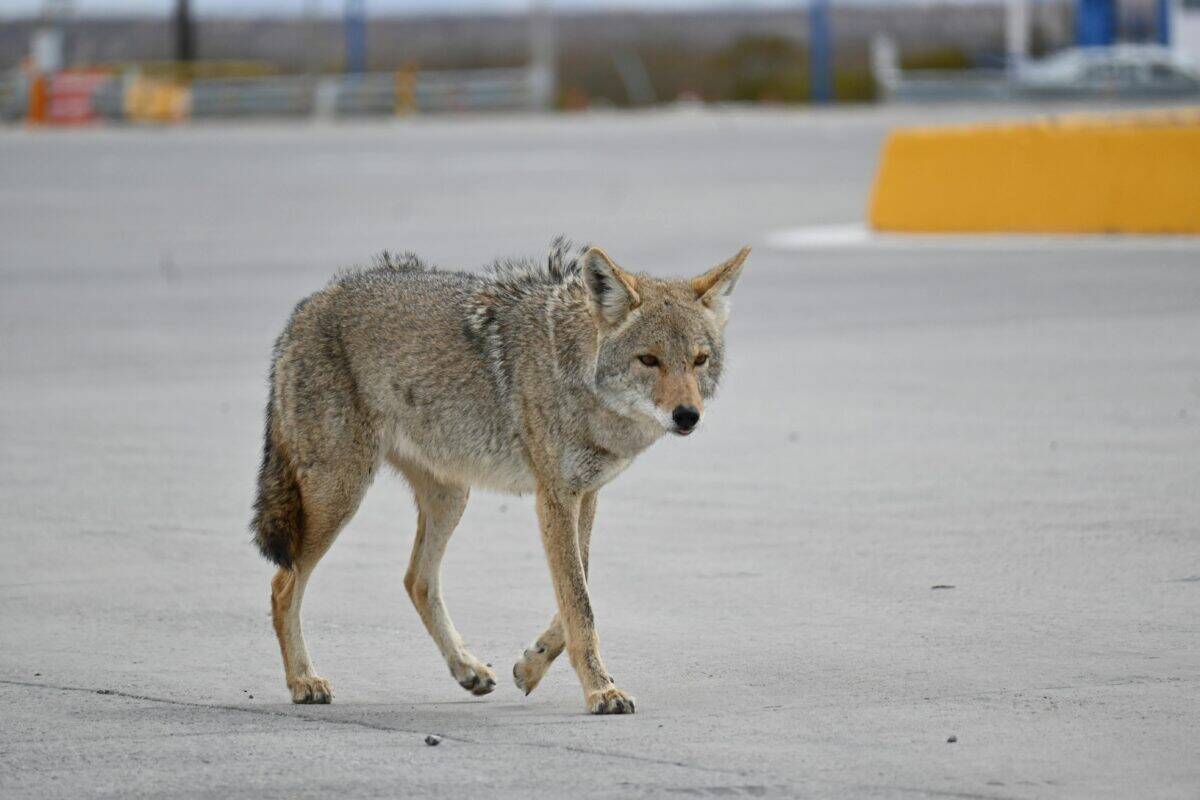
Contrary to popular belief, cities offer surprisingly suitable habitat for coyotes. Urban green spaces like parks, cemeteries, golf courses, and natural areas provide core habitat, while industrial zones, vacant lots, and transportation corridors serve as movement pathways. A study of Chicago’s coyotes found they established territories averaging 2-5 square miles – smaller than typical rural territories due to concentrated resources. Urban coyotes display remarkable ingenuity in finding shelter, denning beneath abandoned buildings, in drainage culverts, within highway medians, and even in secluded sections of active parks. They often select daytime resting areas with physical barriers that block human view while allowing the coyote to monitor its surroundings. This strategic habitat utilization allows coyotes to remain largely unseen despite living in close proximity to millions of people.
Predator Removal and Ecological Release

The absence of natural competitors and predators significantly contributes to urban coyote success. Historically, coyotes faced competition and predation from wolves, mountain lions, and bears – all species eliminated from most urban areas decades or centuries ago. This ecological release from competition allows coyotes to occupy the vacant niche of mid-sized predator. In Chicago, researchers documented coyotes expanding into areas previously dominated by red foxes, effectively displacing the smaller canid. Additionally, while rural coyotes face legal hunting and trapping that can remove 60% of a population annually, urban coyotes enjoy relative protection from such pressures. Most cities prohibit discharge of firearms, trapping, and poisoning, removing the primary source of mortality affecting rural populations. This protection from human persecution, combined with abundant resources and lack of natural enemies, creates ideal conditions for coyote population growth.
Behavioral Adaptations to Urban Life
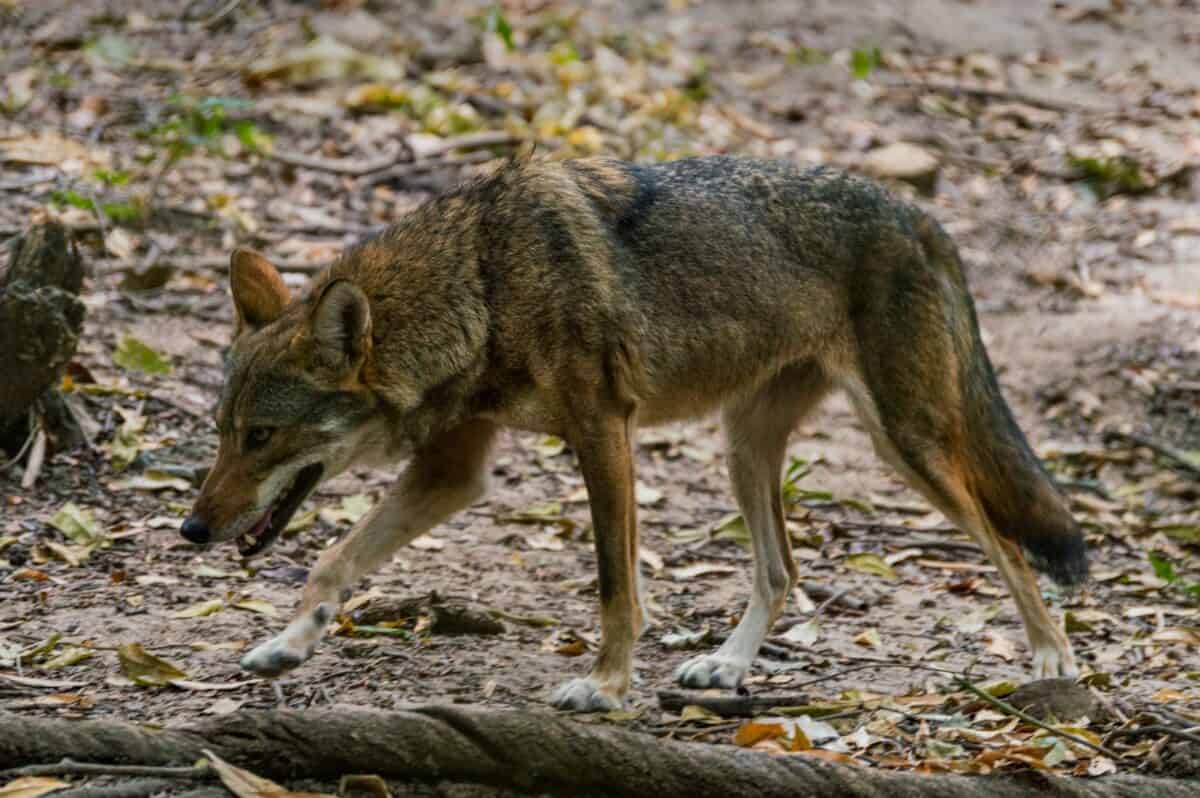
Perhaps the most fascinating aspect of urban coyote success lies in their remarkable behavioral adaptations. Studies comparing urban and rural coyotes reveal significant differences in activity patterns, wariness, and social structure. Urban coyotes shift to primarily nocturnal activity, with over 90% of their movement occurring between dusk and dawn when human activity diminishes. They develop sophisticated responses to human infrastructure – research in Los Angeles documented coyotes waiting for traffic signals before crossing busy intersections. Urban coyotes maintain a careful balance of fear and habituation; they become accustomed enough to human presence to function in developed areas but typically retain sufficient wariness to avoid direct confrontation. Some researchers have noted changes in social structure, with urban coyotes sometimes forming larger packs than their rural counterparts, possibly in response to the patchy distribution of resources and territories in fragmented urban landscapes.
The Chicago Coyote Project: A Case Study

Chicago has emerged as ground zero for urban coyote research through the pioneering work of the Urban Coyote Research Project. Since 2000, this initiative has radio-collared and tracked over 1,000 coyotes, generating the most comprehensive dataset on urban coyote ecology in existence. The project’s findings have revolutionized our understanding of urban wildlife adaptation. Chicago’s coyotes maintain territories throughout the metropolitan area, including some individuals living entirely within dense urban neighborhoods. GPS tracking revealed coyotes regularly crossing major highways, utilizing railroad corridors for movement, and even denning successfully within earshot of the L train. The project documented multi-generational family groups establishing permanent territories and found that Chicago’s coyotes maintain surprisingly natural diets despite urban temptations. Perhaps most remarkably, many Chicago coyotes live their entire lives within the city, never venturing into rural areas, representing a truly urban-adapted population.
Los Angeles: Coyotes in the City of Angels
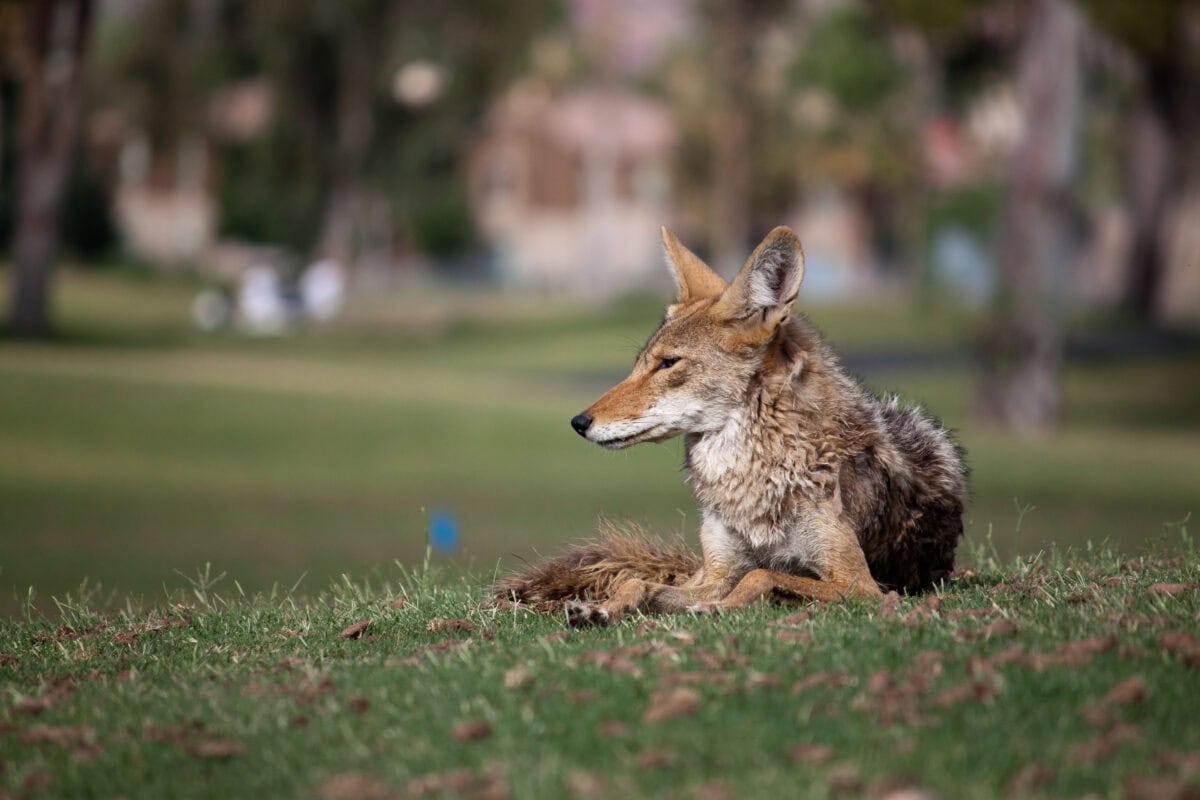
Los Angeles presents a different but equally successful urban coyote story. Unlike Chicago’s relatively recent coyote colonization, coyotes have inhabited the Los Angeles region for thousands of years, adapting as the landscape transformed from chaparral to metropolis. The city’s extensive urban-wildland interface, with development pushing into canyons and foothills, creates ideal conditions for coyote movement between natural and urban habitats. Research from the National Park Service has tracked coyotes moving between the Santa Monica Mountains and dense residential neighborhoods. Los Angeles coyotes display particularly adept use of the city’s extensive network of concrete flood control channels, which serve as protected wildlife corridors connecting isolated habitat patches. The region’s year-round growing season also provides consistent food resources from fruit trees and irrigated landscaping. However, L.A.’s coyotes face unique challenges, including higher rates of exposure to anticoagulant rodenticides that accumulate through the food chain, highlighting the complex pressures facing even successful urban adapters.
Human-Coyote Conflicts

Despite their successful adaptation, urban coyotes inevitably generate conflicts with human residents. The most common concerns involve predation on small pets, particularly cats allowed outdoors and small dogs. While such incidents represent a small percentage of coyote diet, they understandably generate significant emotional distress and media attention. Direct aggression toward humans remains extremely rare but does occur, particularly when coyotes become habituated through intentional feeding. In Southern California, wildlife officials respond to approximately 50-100 reports of coyote aggression annually among a population of millions of people. Most concerning are the small number of incidents involving young children. Studies suggest conflicts increase when residents – intentionally or unintentionally – provide food resources that draw coyotes into closer association with humans. Communities that implement comprehensive coyote management plans focusing on securing food resources and educating residents typically see significant reductions in conflict rates.
Ecological Benefits of Urban Coyotes

While conflicts generate headlines, urban coyotes also provide significant ecological services that often go unrecognized. As apex predators in urban systems, coyotes help regulate populations of smaller mammals, particularly rodents. Chicago researchers documented lower rodent densities in areas with active coyote territories compared to similar habitats without coyotes. This natural rodent control potentially reduces reliance on rodenticides, which can have cascading negative effects throughout the food web. Coyotes also help control populations of Canada geese by predating eggs and goslings, potentially reducing conflicts with this sometimes problematic species. By suppressing populations of mesopredators like raccoons, opossums, and foxes, coyotes may indirectly benefit bird populations that would otherwise suffer higher nest predation rates – a phenomenon ecologists call mesopredator release. Additionally, by scavenging roadkill and other carcasses, coyotes provide valuable cleanup services that reduce disease transmission risks to other wildlife and domestic animals.
Management Approaches and Coexistence Strategies

Cities across North America have developed increasingly sophisticated approaches to managing urban coyote populations. Most successful programs emphasize coexistence rather than elimination, recognizing that complete removal is virtually impossible due to coyotes’ reproductive capacity and ability to quickly recolonize vacated territories. Effective management typically combines public education, habitat modification, and targeted removal of problem individuals. Educational campaigns focus on reducing food attractants, supervising small pets, and appropriate hazing techniques to maintain coyotes’ natural wariness. Communities like Denver have implemented “hazing teams” that respond to daytime coyote sightings with deterrence measures before habituation develops. When conflicts escalate, wildlife officials may employ targeted trapping to remove specific problem individuals rather than attempting wholesale population reduction. Scientific evaluation has shown these integrated approaches significantly reduce conflicts while acknowledging the reality that coyotes have become permanent urban residents.
Future Trends in Urban Coyote Populations

All evidence suggests urban coyote populations will continue to expand and adapt in coming decades. Genetic studies indicate urban coyotes are beginning to develop distinct characteristics from their rural counterparts – potentially the early stages of a new evolutionary trajectory. As cities continue growing and wild habitats shrink, pressure for coyotes to utilize urban environments will likely increase. Climate change may further intensify this trend, as coyotes’ adaptability gives them advantages over less flexible species under changing conditions. Some researchers predict increased hybridization between coyotes and wolves in regions where these species’ ranges overlap, potentially introducing new genetic variations into urban populations. Technology will also shape human-coyote interactions, with cities increasingly deploying remote cameras, predictive modeling, and citizen science platforms to monitor and manage urban wildlife. The most successful communities will be those that develop evidence-based, adaptive management strategies that recognize coyotes as permanent urban residents while minimizing negative interactions.
Conclusion: Learning to Live with Urban Predators
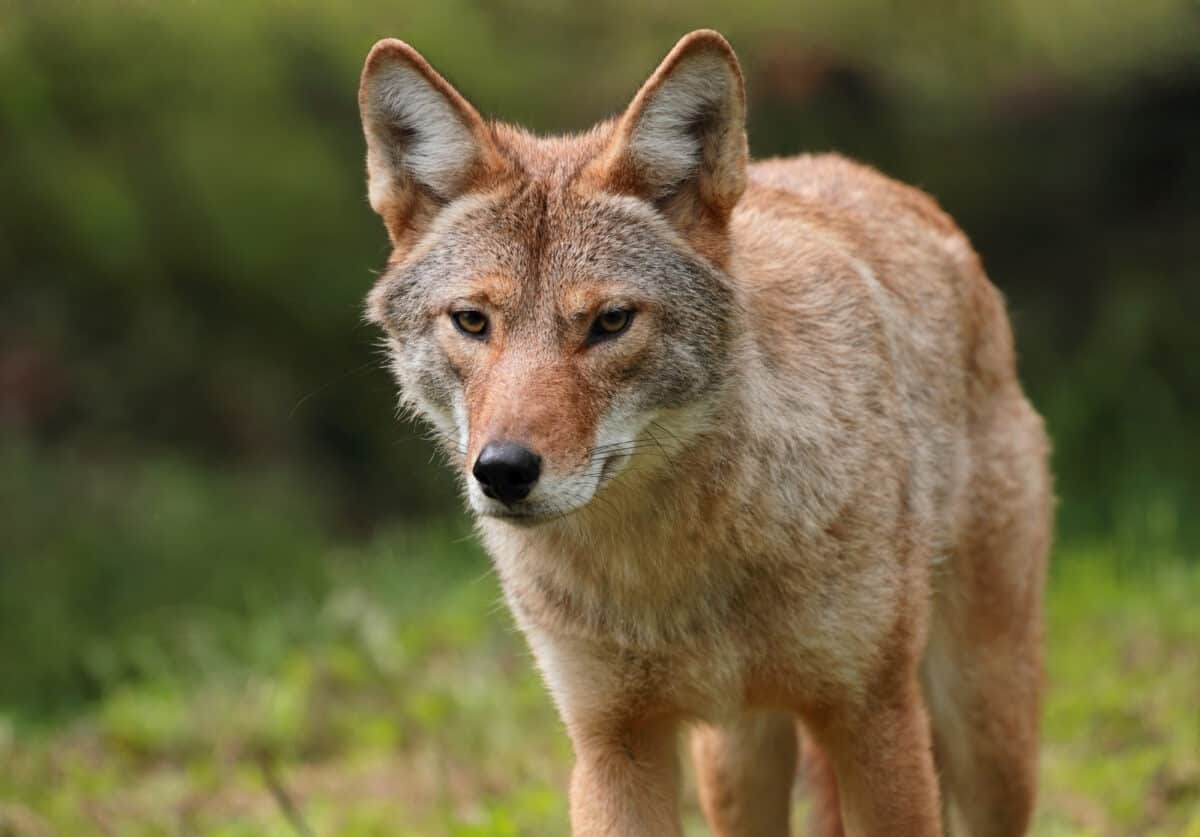
The story of urban coyotes represents both a remarkable natural history success and a profound challenge to our conception of cities as spaces separate from nature. Their adaptation to metropolitan environments like Chicago and Los Angeles demonstrates wildlife’s resilience and opportunism in the face of human-dominated landscapes. As cities continue expanding worldwide, the coyote’s story offers valuable lessons about coexistence between humans and wildlife in shared spaces. Rather than viewing urban coyotes merely as problems to be eliminated, their presence invites us to reconsider cities as complex ecosystems where humans and wildlife can coexist, albeit with carefully considered boundaries and management practices. By studying and respecting these adaptable predators, we gain not only scientific knowledge but also a more nuanced understanding of our own place in the natural world – even within the heart of our most developed landscapes.

- 10 Animals That Cheat Death in the Most Unexpected Ways - July 19, 2026
- The Shrimp That Punches Like a Bullet - July 19, 2026
- This Tiny Mammal Can Slow Its Heartbeat to One Beat Per Minute - July 19, 2026