

When we think of majestic wildlife or beloved animals, vultures rarely make the top of anyone’s list. With their bald heads, hunched postures, and association with death, these birds have long suffered from a serious image problem. Yet behind their seemingly morbid appearance and habits lies an ecological marvel—a creature so perfectly adapted to its niche that ecosystems worldwide would face catastrophic consequences without them. Vultures serve as nature’s most efficient clean-up crew, waste management specialists, and disease preventers all rolled into one remarkable package. From preventing the spread of diseases like anthrax and rabies to recycling nutrients back into the environment, these misunderstood birds provide ecosystem services worth billions of dollars annually. This article explores why vultures, despite their unseemly reputation, truly deserve recognition as the unsung heroes of our natural world.
The Misunderstood Custodians of Nature

Vultures have long been victims of their own specialization. Their association with death and decay has made them symbols of doom in many cultures, portrayed as sinister creatures that circle dying animals waiting for their final breath. This cultural baggage has obscured their critical ecological role. In reality, vultures don’t kill—they clean. They are nature’s most efficient sanitation workers, equipped with specialized adaptations that allow them to safely consume carcasses that would be deadly to most other animals. Their highly acidic stomachs can neutralize dangerous pathogens like anthrax, botulism, and rabies. By removing rotting carcasses from the landscape within hours, vultures prevent these disease reservoirs from contaminating soil and water sources, protecting both wildlife and human populations from potential disease outbreaks.
Nature’s Perfect Recycling System

Vultures represent one of nature’s most elegant solutions to waste management. When a large animal dies, its decomposition without vultures would be a slow, messy process that ties up nutrients and creates disease risk. A committee of vultures (yes, that’s the collective noun!) can strip a large carcass to bone within hours, efficiently returning the nutrients contained in the dead animal back to the ecosystem. Research shows that a single vulture can consume up to 1.3 kg of carrion daily, and some species can locate carcasses from over 4 miles away. This remarkable efficiency means that in healthy ecosystems with abundant vulture populations, very little animal biomass goes to waste. The nutrients are quickly processed and redistributed across the landscape through vulture droppings, completing a vital cycle that keeps ecosystems functioning properly.
Vultures as Disease Barriers

Perhaps the most valuable service vultures provide is disease prevention. Their stomachs produce incredibly strong acids with pH levels around 1.0—strong enough to kill most harmful bacteria and viruses found in decaying flesh. This powerful digestive system allows vultures to safely consume carcasses infected with diseases that would kill other scavengers, effectively removing these disease vectors from the environment. A 2008 study in India documented the consequences when vulture populations collapsed: increased feral dog populations led to 40 million additional dog bites and an estimated 47,000 extra human deaths from rabies. These statistics highlight the critical role vultures play as biological disease barriers between dead animals and human populations. By consuming infected carcasses before pathogens can spread, vultures perform an incalculable public health service.
The Vulture Crisis: A Global Conservation Emergency

Despite their ecological importance, vultures are among the most endangered groups of birds worldwide. Of the 23 vulture species globally, 16 are currently threatened with extinction, according to the International Union for Conservation of Nature (IUCN). The most dramatic decline occurred in South Asia, where populations of three Gyps vulture species crashed by over 99% in the 1990s and early 2000s due to poisoning by the livestock anti-inflammatory drug diclofenac. In Africa, vultures face multiple threats including poisoning (both intentional and unintentional), habitat loss, collisions with power infrastructure, and the illegal wildlife trade. Research suggests that seven African vulture species declined by an average of 62% over three decades. These precipitous declines represent not just a biodiversity crisis but a looming ecological and public health catastrophe, as the vital services vultures provide disappear with them.
Specialized Adaptations for an Extreme Diet

Vultures have evolved an impressive array of adaptations to thrive on a diet that would kill most other animals. Their bald heads—often considered unattractive—are actually practical adaptations that prevent feathers from becoming soaked with blood and attracting bacteria during feeding. Some species have specialized gut bacteria that help neutralize pathogens, while others possess immune systems capable of tolerating exposure to botulinum toxins that can be lethal to humans even in microscopic amounts. Their exceptionally strong digestive acids can dissolve metal and break down tough tissues like hide and small bones. Even their behavior is specialized—many vultures urinate on their own legs, a process called urohydrosis, which serves multiple purposes: the evaporating urine cools them down in hot weather, while the acid in their urine helps kill bacteria they may have picked up while walking through carcasses. These remarkable adaptations make vultures the only creatures perfectly suited to their ecological niche.
Economic Value: Nature’s Free Sanitation Service

The ecological services provided by vultures translate into substantial economic benefits for human societies. A 2020 study estimated that vultures save cattle ranching operations in the Americas millions of dollars annually by removing diseased carcasses that might otherwise infect healthy livestock. In parts of Africa and Asia, the decline of vultures has forced communities to invest in expensive carcass disposal methods or suffer the consequences of increased disease. In India alone, the vulture crisis is estimated to have cost the economy billions of dollars through increased human health costs, veterinary expenses, and waste management demands. A particularly striking calculation from Spain estimated that the natural disposal services provided by that country’s vulture population save farmers and the government approximately €1.5 million ($1.6 million) annually just in carcass collection and incineration costs. Despite providing these valuable services entirely for free, vultures receive almost no economic recognition or protection compared to more charismatic species with far less utilitarian value.
Cultural Significance Across Civilizations

Throughout human history, vultures have held significant cultural and spiritual importance in various civilizations, though these associations have been mixed. In ancient Egypt, the vulture goddess Nekhbet was a symbol of protection and royalty, often depicted on pharaonic crowns. Tibetan Buddhists practice “sky burials,” where human bodies are ritually prepared and left for vultures to consume—a practice considered the most generous final offering one can make. The Zoroastrian Towers of Silence similarly relied on vultures for ecologically sound body disposal. In contrast, Western cultures have historically cast vultures in a negative light, using them as symbols of greed, death, or bad omens. This cultural dichotomy reflects our complex relationship with these birds that perform essential but unsettling functions. Understanding the cultural significance of vultures across different societies can help foster appreciation for these birds beyond their ecological role, potentially supporting conservation efforts by changing public perception.
The Diversity of Vulture Species Worldwide

Vultures comprise two distinct groups that evolved similar traits through convergent evolution. The 16 species of Old World vultures found in Africa, Europe, and Asia belong to the same family as eagles and hawks (Accipitridae). Meanwhile, the seven New World vulture species of the Americas, including the iconic California and Andean condors, belong to the family Cathartidae and are actually more closely related to storks. Despite evolving separately, both groups developed remarkably similar adaptations for their scavenging lifestyle. Species range dramatically in size, from the small Egyptian vulture weighing just 2 kg (4.4 lbs) to the massive Andean condor with its 3-meter (10-foot) wingspan and weight of up to 15 kg (33 lbs). Different vulture species have also evolved specialized feeding strategies—some like the bearded vulture primarily eat bones, while lammergeiers feed almost exclusively on bone marrow. This diversity highlights the various ecological niches vultures fill, with each species making unique contributions to ecosystem health.
The Diclofenac Disaster: Lessons in Unintended Consequences

The catastrophic decline of vulture populations in South Asia stands as one of the most dramatic biodiversity collapses ever recorded. In the 1990s, farmers and veterinarians began widely using diclofenac, an anti-inflammatory drug, to treat livestock. Unknown at the time, the drug causes fatal kidney failure in vultures that consume the carcasses of treated animals. Within a decade, populations of three Gyps vulture species plummeted by more than 99%, with tens of millions of birds lost. The ecological aftermath was immediate and severe. Feral dog populations exploded as they took over the scavenging niche, leading to increased rabies transmission. Religious communities that relied on vultures for traditional corpse disposal faced cultural crises. The disaster demonstrates how even well-intentioned human actions can have devastating ecological ripple effects. Thankfully, after the link was discovered, diclofenac was banned for veterinary use in several countries, and the development of vulture-safe alternatives like meloxicam has offered hope. Captive breeding programs are slowly rebuilding populations, though recovery will take decades. The diclofenac catastrophe now serves as a sobering case study in conservation biology, emphasizing the need for comprehensive testing of veterinary and agricultural chemicals before widespread implementation.
Conservation Strategies and Success Stories
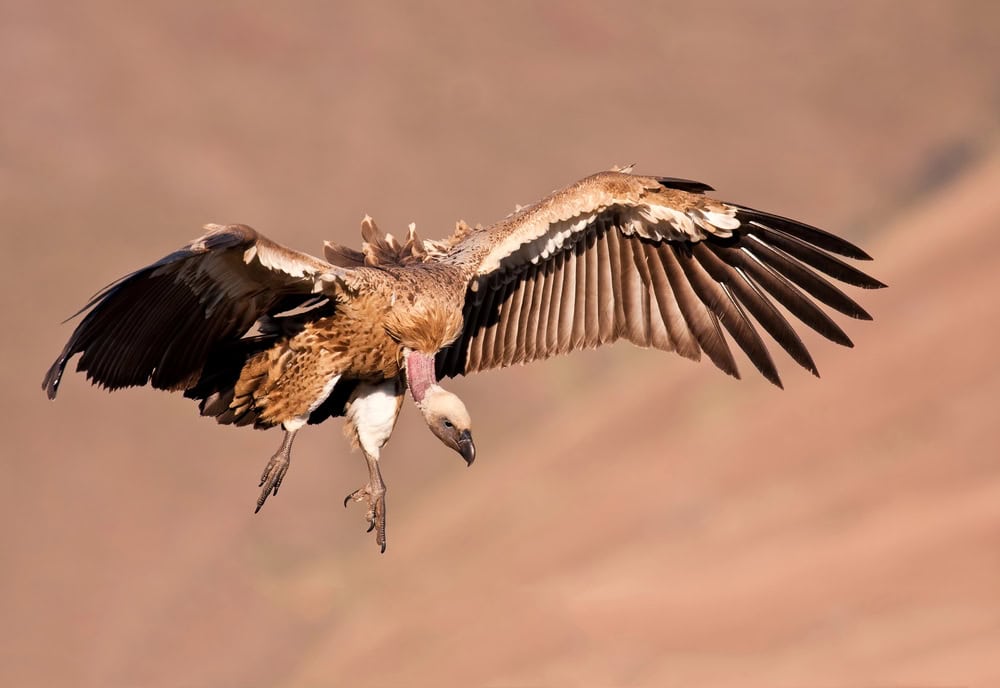
Despite the grim status of many vulture populations, conservation efforts are showing promising results in several regions. In Europe, strict protection measures, supplementary feeding stations (known as vulture restaurants), and public education campaigns have helped the bearded vulture and cinereous vulture recover from near extinction. Spain, which hosts over 90% of Europe’s vultures, has seen populations of griffon vultures triple since the 1970s. In the Americas, the California condor recovery program represents one of conservation’s most intensive and successful efforts. After dropping to just 22 individuals in the 1980s, captive breeding and reintroduction have increased the population to over 500 birds today, with about half living in the wild. These success stories demonstrate that vulture conservation is possible with dedicated resources and science-based approaches. Current conservation strategies focus on multiple fronts: addressing poisoning through anti-poisoning units and working with pastoralists, securing breeding sites, reducing collision risks with power infrastructure, combating illegal wildlife trade, and developing “vulture safe zones” where threats are minimized and food sources protected.
The Devastating Impact of Poisoning
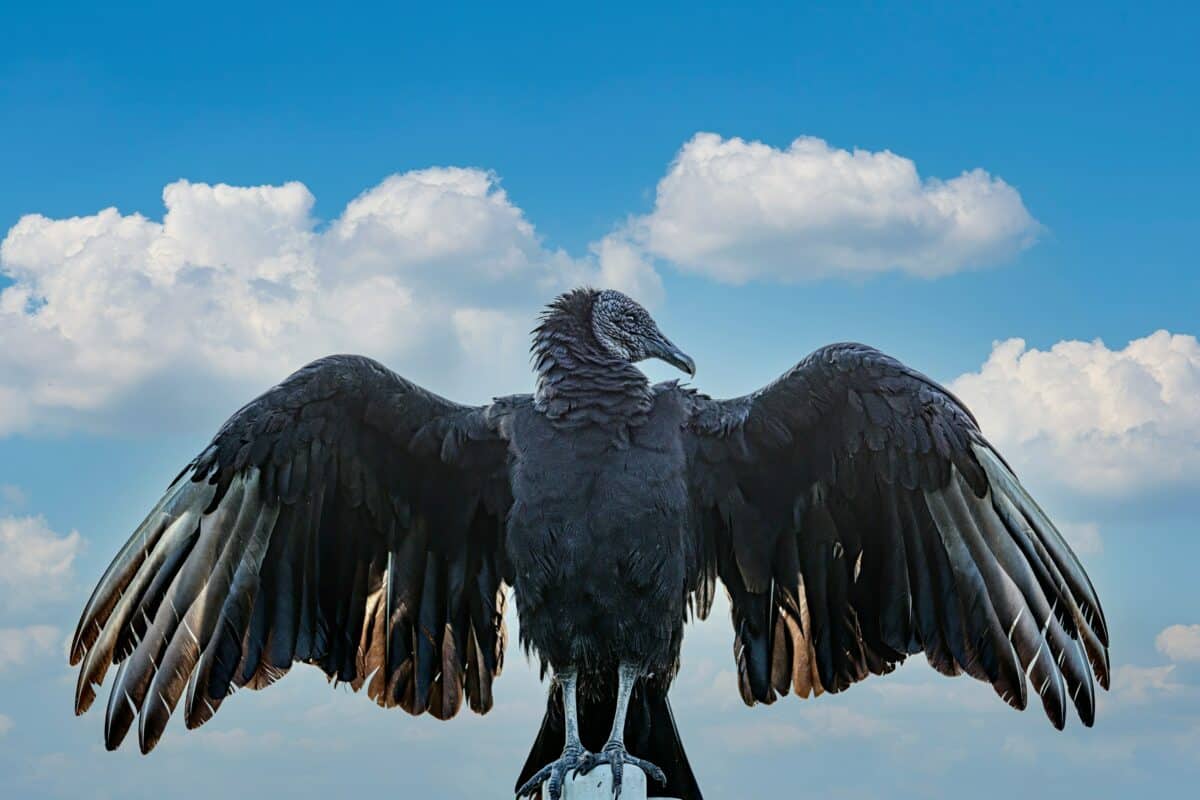
Poisoning—both deliberate and accidental—represents the single greatest threat to vulture populations globally. In Africa, vultures are often the unintended victims of poisoned carcasses set by poachers to eliminate evidence of their activities. When elephants or rhinos are illegally killed, poachers sometimes lace the remains with agricultural pesticides to kill the circling vultures that might otherwise alert authorities to their presence. A single poisoned elephant carcass can kill hundreds of vultures in just a few hours. In other cases, pastoralists seeking to eliminate predators like lions or hyenas that threaten their livestock will poison carcasses, inadvertently killing vultures that feed on them later. In South Asia, despite the veterinary diclofenac ban, illegal use continues in some areas, while other NSAIDs with similar toxic effects have emerged as threats. The use of lead ammunition for hunting creates another poisoning risk, as vultures consuming game animal remains can ingest lead fragments. Addressing these diverse poisoning threats requires multifaceted approaches, including stronger enforcement of existing bans, development of rapid response teams to neutralize poisoned carcasses, and education programs targeting communities where poisoning occurs.
The Future of Vulture Research and Conservation
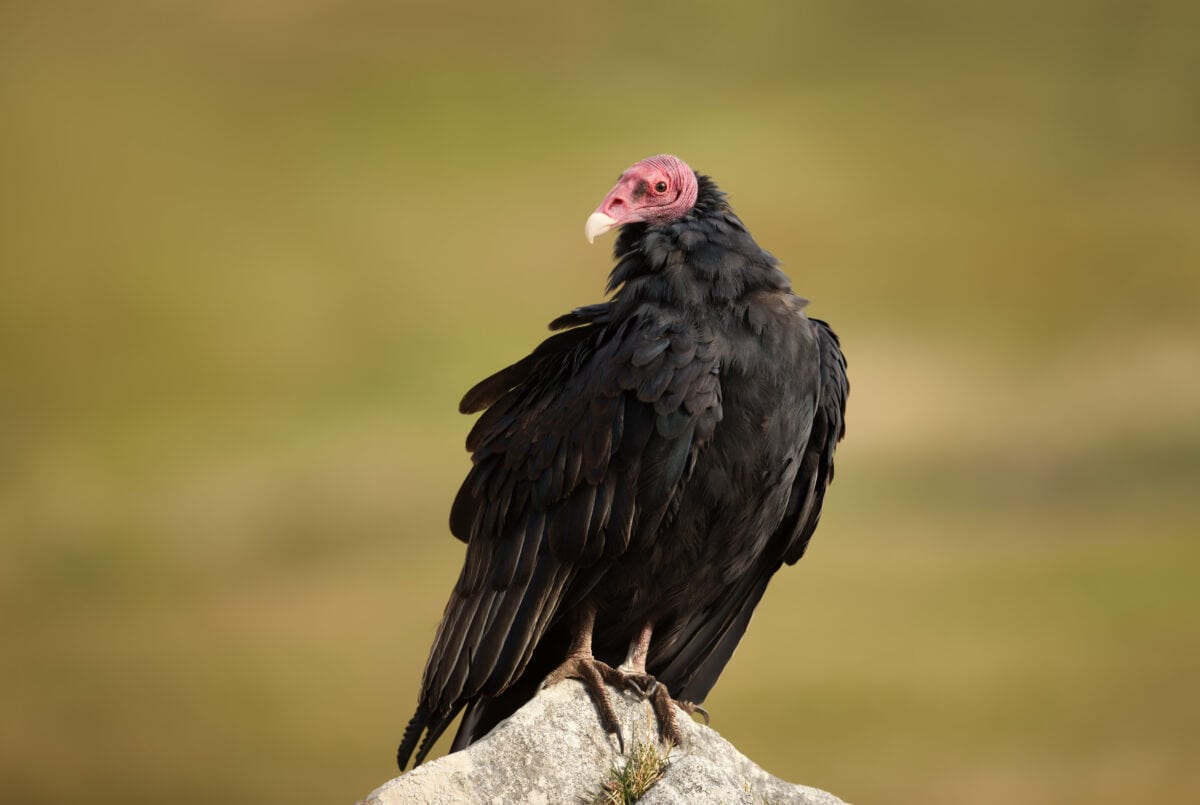
As conservation science advances, innovative research is shedding new light on vulture ecology and opening new avenues for protection. GPS tracking studies are revealing previously unknown migration patterns and identifying critical habitats requiring protection. Genetic research is helping conservationists maintain diversity in captive breeding programs and understand how different populations are related. Toxicological studies continue to screen pharmaceutical compounds for vulture safety before they enter widespread use, hopefully preventing another diclofenac-like disaster. Some promising conservation technologies include vulture tracking systems that can detect unusual movement patterns indicative of poisoning events, allowing rapid response teams to locate and neutralize poisoned carcasses before more birds are affected. Community-based conservation initiatives are increasingly incorporating local stakeholders in vulture protection, recognizing that sustainable solutions must address human needs alongside wildlife concerns. Future research priorities include better understanding the ecosystem-wide impacts of vulture declines, developing more effective anti-poisoning strategies, and quantifying the economic benefits of vulture conservation to help secure funding and political support for protection efforts.
Conclusion: Championing Nature’s Maligned Custodians
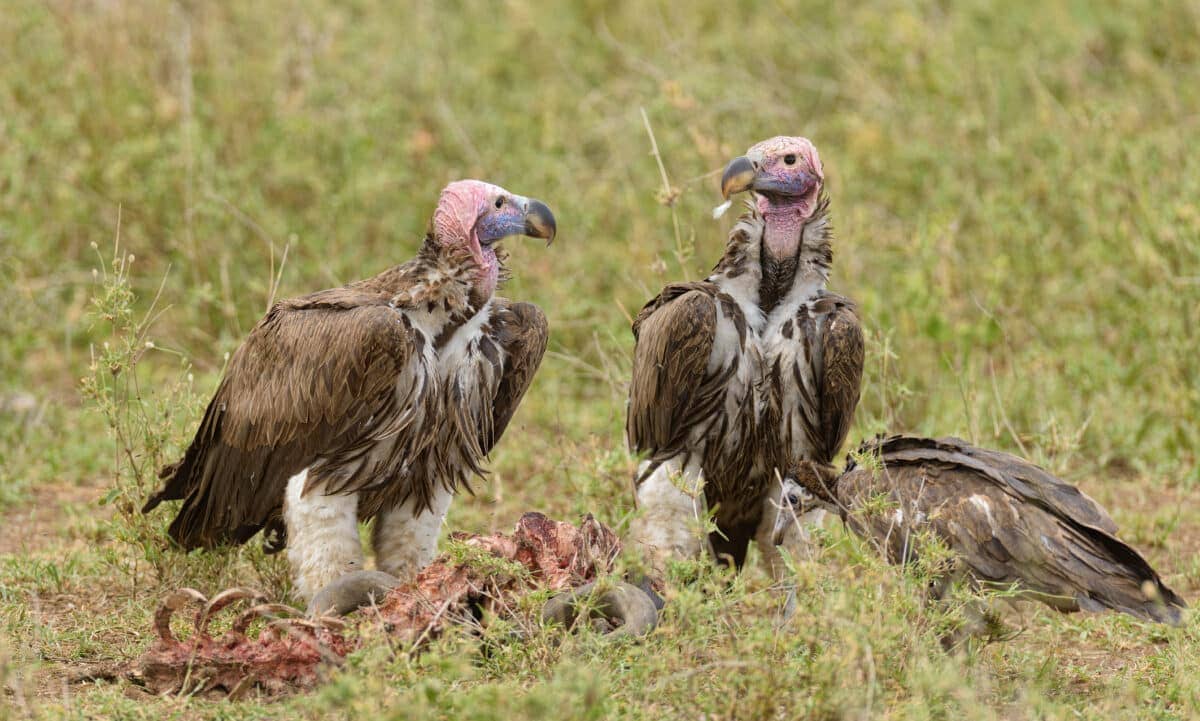
Vultures may never win beauty contests or capture public affection like pandas or dolphins, but their ecological importance far exceeds their public image. As nature’s most efficient recyclers and disease preventers, these remarkable birds perform ecosystem services that benefit countless other species, including humans. The cascading ecological and public health consequences observed when vulture populations collapse provide sobering evidence of just how essential these unsung heroes truly are. As we face increasing biodiversity loss globally, the vulture crisis reminds us that even seemingly unappealing species play vital roles in maintaining healthy, functioning ecosystems. By protecting vultures, we’re not just saving interesting birds—we’re preserving natural systems that clean our environment, prevent disease spread, and maintain balance in ways we’re only beginning to fully understand. The future of vultures and the health of our shared ecosystems depend on our ability to recognize, value, and protect these misunderstood but indispensable guardians of ecological health.

- Introduction to Homoploid Hybrid Speciation - July 14, 2026
- Are Nature Reserves Failing Their Conservation Mission? - July 14, 2026
- The Rarest Reptiles Hidden in America’s Forests - July 14, 2026