
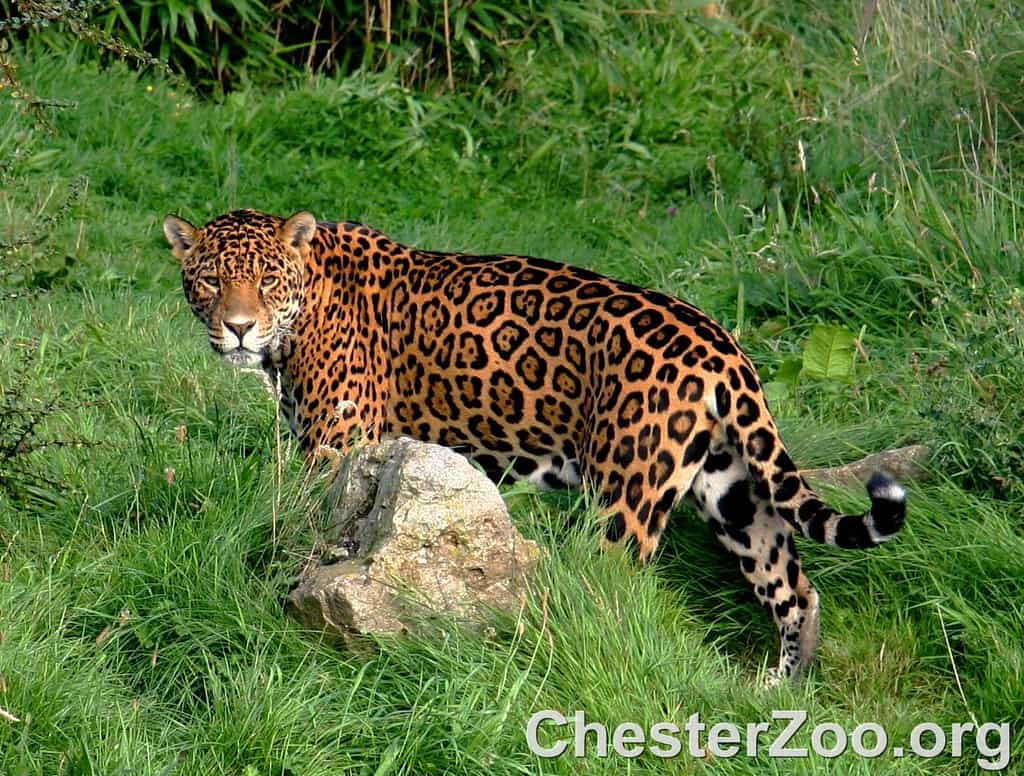
The jaguar prowls through Mexico’s lush forests and dense jungles like a living shadow, embodying power, mystery, and ancient reverence. As the largest cat native to the Americas and Mexico’s apex predator, the jaguar has shaped ecosystems and cultures for millennia. From the spiritual beliefs of the Maya and Aztec civilizations to modern conservation efforts, these magnificent cats continue to capture human imagination while facing unprecedented challenges to their survival. Join us on a journey to discover the remarkable world of the jaguar – a creature whose golden eyes have witnessed the rise and fall of empires across Mexican soil, and whose roar still echoes through the remaining wilderness of this diverse nation.
The Jaguar in Mexican Ecosystems

The jaguar (Panthera onca) stands as the largest and most powerful feline in the Western Hemisphere, occupying a crucial position at the top of Mexico’s food chain. These magnificent predators historically ranged throughout Mexico, from the tropical forests of Chiapas and the Yucatán Peninsula to the arid scrublands of northern Mexico. Today, their strongholds remain primarily in southern Mexico, particularly in the Lacandón Jungle, Calakmul Biosphere Reserve, and along the coast of Quintana Roo.
As apex predators, jaguars play a vital role in maintaining ecological balance. They control populations of herbivores and mesopredators, preventing overgrazing and cascading effects through the ecosystem. Research conducted in Mexican reserves shows that areas with healthy jaguar populations typically display greater biodiversity overall. Their hunting activities help maintain the structure and composition of forests by regulating prey species that would otherwise overconsume vegetation, making jaguars true ecosystem engineers of Mexican wilderness.
Physical Characteristics of Mexico’s Apex Feline

Mexican jaguars typically weigh between 125-210 pounds (56-95 kg), with males being significantly larger than females. Their compact, muscular bodies are built for power rather than the sustained speed of cheetahs, featuring short, sturdy limbs and an exceptionally strong bite force. In fact, jaguars possess the strongest bite relative to body size among all big cats, capable of piercing turtle shells and crushing caiman skulls.
The jaguar’s distinctive coat pattern consists of black rosettes on a golden-yellow to reddish-brown background. Mexican jaguars often display slightly smaller rosettes than their South American counterparts, though there is considerable variation. Melanistic “black panthers” occasionally occur in Mexico, though less frequently than in parts of South America. These jaguars aren’t a separate species but possess a genetic mutation causing excess melanin production. Despite appearing solid black, their characteristic rosette pattern remains visible in certain lighting conditions.
Hunting and Feeding Behavior

Jaguars are opportunistic hunters with remarkably diverse diets. In Mexico, they regularly prey on peccaries, deer, monkeys, tapirs, capybaras, and various reptiles including sea turtles in coastal regions. Unlike other big cats that typically kill by suffocating their prey, jaguars employ a unique killing technique, often delivering a powerful bite directly through the skull between the ears or at the nape to pierce the brain or sever the spinal cord.
What truly sets Mexican jaguars apart is their comfort in water and ability to hunt aquatic prey. In wetland regions, they readily pursue caimans and large fish, demonstrating swimming abilities far superior to those of other big cats. Research in the Sian Ka’an Biosphere Reserve has documented jaguars swimming considerable distances between mangrove islands and even hunting in shallow marine environments. This adaptability allows jaguars to exploit food resources unavailable to other predators, contributing to their ecological dominance in Mexico’s diverse habitats.
Jaguars in Ancient Mexican Mythology

For pre-Columbian civilizations across Mexico, the jaguar represented divine power, fertility, and the supernatural world. The Olmec, Mexico’s earliest complex civilization (1500-400 BCE), created numerous jaguar-human sculptures and artwork, suggesting a profound spiritual connection to these magnificent cats. Archaeological evidence from sites like San Lorenzo and La Venta reveals the centrality of jaguar imagery in Olmec spiritual life.
Among the Maya, the jaguar was associated with the night sun and the underworld journey. The God GIII of the Palenque Triad was a jaguar deity linked to fire and royal power. Mayan kings adopted the jaguar as a symbol of authority, wearing jaguar pelts during ceremonies and taking names like “Jaguar Paw.” The Aztec elite formed exclusive “Jaguar Warrior” military orders, where soldiers donned jaguar skins and helmets carved to resemble jaguar heads. The jaguar was also connected to Tezcatlipoca, the “Smoking Mirror,” one of the principal Aztec deities associated with rulership, night, and sorcery. These ancient connections demonstrate how profoundly the jaguar shaped Mexican cultural identity and spiritual beliefs.
The Jaguar in Modern Mexican Culture

Though no longer worshipped as divine beings, jaguars continue to occupy a special place in contemporary Mexican culture. The cat features prominently in Mexican folk art, particularly in the vibrant alebrijes (brightly colored Mexican folk art sculptures) of Oaxaca and in Huichol yarn paintings where the jaguar often represents spiritual power and transformation. Mexico’s national football team has adopted “Los Jaguares” as a nickname, reflecting the animal’s association with strength and national pride.
In literature and cinema, the jaguar frequently appears as a symbol of Mexico’s wild spirit and indigenous heritage. Notable works include the internationally acclaimed Mexican film “El Rincón de los Jaguares” (The Corner of the Jaguars) and Carlos Fuentes’ short story “Chac-Mool,” which draws on ancient jaguar symbolism. Many conservation organizations in Mexico have incorporated the jaguar into their logos and campaigns, using the cat’s cultural significance to rally support for environmental protection efforts across the country. This continued presence in artistic and cultural expressions demonstrates the jaguar’s enduring importance to Mexican national identity.
Jaguar Conservation Challenges in Mexico

Despite their cultural significance, Mexican jaguars face severe conservation challenges. Habitat loss represents the most significant threat, with approximately 60% of Mexico’s original jaguar habitat already lost to agricultural expansion, livestock ranching, and urban development. The construction of highways and infrastructure projects further fragments remaining habitats, isolating jaguar populations and diminishing genetic diversity. The Maya Train project in southern Mexico has raised particular concerns among conservationists about its potential impact on critical jaguar corridors.
Human-wildlife conflict presents another major challenge. Retaliatory killings following livestock predation remain common in rural areas, with an estimated 100-150 jaguars killed annually in Mexico for this reason. Poaching for the illegal wildlife trade has increased in recent decades, with jaguar parts increasingly sought for traditional Asian medicine markets as substitutes for tiger parts. According to the National Alliance for Jaguar Conservation, Mexico’s jaguar population has declined by approximately 50% over the past three generations, with fewer than 4,000 individuals remaining in the country. Climate change further threatens to alter the delicate ecosystems jaguars depend upon, potentially pushing this iconic species toward extinction without concerted conservation action.
Success Stories in Mexican Jaguar Protection

Despite the challenges, several conservation success stories offer hope for Mexico’s jaguars. The establishment of the Jaguar Conservation Program (JCP) in 2005 marked a turning point in national efforts to protect the species. This collaborative initiative between government agencies, NGOs, and academic institutions has implemented crucial measures including habitat protection, wildlife corridor creation, and conflict mitigation with local communities.
The Northern Jaguar Reserve in Sonora represents another triumph, protecting over 86,000 acres of prime jaguar habitat in one of the northernmost jaguar populations. Their innovative “Cameras for Conservation” program pays local ranchers for photographic records of jaguars and other wildlife on their properties, creating economic incentives for protection rather than persecution. In the Yucatán Peninsula, community-based conservation approaches have shown remarkable results, with jaguar populations in Calakmul Biosphere Reserve actually increasing by an estimated 20% between 2010 and 2020. These examples demonstrate that when science-based conservation strategies are combined with community engagement, jaguar recovery is possible even in human-dominated landscapes.
The Jaguar Corridor Initiative

One of the most ambitious conservation efforts involving Mexican jaguars is the Jaguar Corridor Initiative, an international collaboration aiming to protect jaguar habitat and movement corridors from Mexico through Central America to Argentina. Within Mexico, this initiative has identified crucial connectivity areas, particularly in the Yucatán Peninsula, Istmo de Tehuantepec, and along the Sierra Madre mountain ranges, where jaguars require safe passage between core protected areas.
The initiative employs cutting-edge technology, including GPS collaring and camera trap networks, to track jaguar movements and identify critical corridors. Since 2010, Mexican researchers have collared over 30 jaguars, revealing previously unknown migration routes and habitat requirements. These data have informed the establishment of new protected areas and wildlife crossings over highways. Perhaps most importantly, the initiative promotes international cooperation, recognizing that jaguar conservation transcends political boundaries. The 2018 signing of the Jaguar 2030 Conservation Roadmap by 14 Latin American countries, including Mexico, marked a historic commitment to protecting jaguars and their corridors throughout their range.
Living with Jaguars: Coexistence Strategies

For rural communities in jaguar country, coexistence strategies have proven essential for conservation success. Innovative approaches include the installation of solar-powered LED deterrent systems around livestock enclosures, which have reduced predation by over 80% in pilot projects in Quintana Roo. Community-based monitoring programs have trained local residents to identify jaguar tracks and activity, creating employment opportunities while gathering valuable conservation data.
Economic incentives have proven particularly effective. The development of jaguar-focused ecotourism in regions like Calakmul has created substantial income for communities that previously viewed jaguars primarily as threats to livestock. Insurance programs compensating farmers for verified livestock losses to jaguars have reduced retaliatory killings by addressing the financial burden of coexistence. Educational programs in rural schools highlight the ecological and cultural importance of jaguars, cultivating a new generation of conservation advocates. These multifaceted approaches recognize that jaguar conservation ultimately depends on the support and participation of the people who share the landscape with these magnificent predators.
Scientific Research: Understanding Mexico’s Jaguars

Mexican scientists have made significant contributions to jaguar research, enhancing global understanding of these elusive cats. Long-term studies in the Calakmul Biosphere Reserve have yielded invaluable insights into jaguar population dynamics, revealing that individuals in this region maintain larger territories (up to 400 km² for males) than those in more productive habitats further south. Genetic research led by the National Autonomous University of Mexico (UNAM) has identified distinct genetic clusters within Mexican jaguar populations, information critical for maintaining genetic diversity in conservation planning.
Innovative research techniques have revolutionized jaguar studies in Mexico. Non-invasive methods including scat detection dogs, environmental DNA sampling from water sources, and acoustic monitoring have allowed researchers to study jaguars without direct contact. Camera trap networks now span over 5,000 locations throughout Mexico, generating millions of images analyzed through citizen science platforms and artificial intelligence. These technologies have enabled the first nationwide jaguar census, conducted in 2018, which provided baseline population data essential for measuring conservation progress. Mexican jaguar research exemplifies how cutting-edge science can directly inform effective conservation strategies.
The Northernmost Jaguars: Border Populations

The jaguar populations along the Mexico-United States border represent some of the most vulnerable and scientifically significant groups of these cats. Historically abundant throughout the borderlands, jaguars were systematically eliminated from the United States by the mid-20th century. However, since 1996, several male jaguars have been documented in Arizona and New Mexico, all originating from breeding populations in northern Sonora, Mexico. These northernmost jaguars face unique challenges, including the physical barrier of border walls, which can prevent natural dispersal and genetic exchange.
Conservation efforts in this region require binational cooperation. The Northern Jaguar Project works on both sides of the border to protect habitat and facilitate jaguar movement. Mexican researchers have documented approximately 120-150 jaguars surviving in Sonora, representing the northernmost breeding population. These border jaguars may play a crucial role in potential natural recolonization of the southwestern United States, a process that would represent a remarkable conservation success story. However, this depends on maintaining connected habitats across increasingly developed and politically complex landscapes, highlighting the intersection of conservation with broader social and political issues.
The Future of Jaguars in Mexico

The next decade will be decisive for jaguar conservation in Mexico. Climate models predict significant habitat changes, particularly in the Yucatán Peninsula where rising sea levels threaten coastal jaguar habitat. However, technological advances offer new conservation tools, including environmental DNA monitoring, satellite tracking systems, and artificial intelligence applications for analyzing vast quantities of survey data. These innovations could revolutionize how researchers monitor and protect jaguar populations.
Several ambitious initiatives offer hope for Mexico’s jaguars. The National Strategy for Jaguar Conservation aims to increase Mexico’s jaguar population by 20% by 2030 through habitat protection, corridor establishment, and conflict reduction. Carbon offset programs that preserve jaguar habitat are expanding, creating financial incentives for forest conservation. Perhaps most promising is the growing recognition of indigenous and community conserved areas (ICCAs), which acknowledge the crucial role of traditional knowledge and local governance in biodiversity protection. Communities that have lived alongside jaguars for generations often possess sustainable management practices that benefit both people and predators. By combining these traditional approaches with modern science and adequate funding, Mexico has the opportunity to ensure that the powerful presence of jaguars continues to shape its ecosystems and cultural identity for generations to come.
Conclusion: Mexico’s Enduring Relationship with the Jaguar
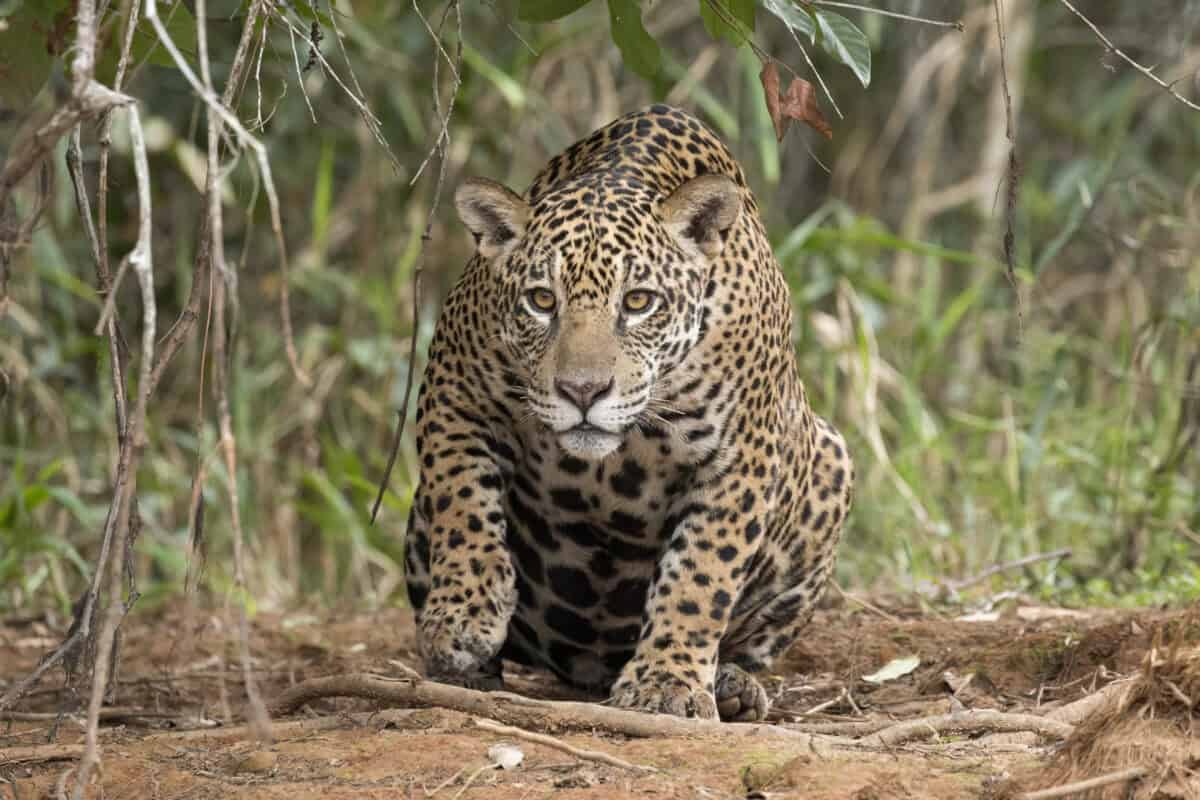
The story of the jaguar in Mexico is one of profound interconnection between a nation and its most iconic predator. From the ancient temples adorned with jaguar imagery to cutting-edge conservation initiatives, Mexico’s relationship with the jaguar has evolved while maintaining its fundamental importance. Despite facing serious threats from habitat loss, human conflict, and climate change, jaguars continue to symbolize the wild heart of Mexico and the country’s natural heritage. The fate of Mexican jaguars lies in achieving a delicate balance between human development and preservation of the landscapes these magnificent cats require for survival. As Mexico continues to navigate this challenge, the jaguar serves as both a measure of conservation success and a powerful reminder of the country’s responsibility to protect its natural and cultural treasures for future generations.

- These Reptiles Show Signs of Affection — Here’s How - August 7, 2026
- Titanoboa: The 42-Foot Snake That Ruled the Jungle - August 7, 2026
- The 11 Most Unique Mating Rituals in the Animal Kingdom - August 7, 2026