

Mexico is a biodiversity hotspot, home to nearly 10% of all species on Earth. This remarkable country spans multiple ecosystems—from arid deserts to lush rainforests, high mountain ranges to coastal mangroves—creating perfect conditions for unique wildlife to evolve and thrive. While famous for its cultural heritage and breathtaking landscapes, Mexico’s extraordinary animal inhabitants deserve equal attention. This article explores eight fascinating animals native to Mexico that showcase the country’s incredible biological wealth and evolutionary marvels.
The Rich Biodiversity of Mexico

Mexico ranks among the top five most biodiverse countries globally, with over 200,000 different species calling it home. This incredible variety stems from Mexico’s unique geographical position bridging North and South America, as well as its dramatic topography creating numerous microclimates. The country’s environmental diversity has led to high rates of endemism—species found nowhere else on Earth. Approximately 50% of Mexico’s plant and reptile species and 30% of its mammals are endemic, making conservation efforts particularly crucial. Understanding these unique animals provides insight into Mexico’s natural heritage and highlights the importance of protecting their increasingly threatened habitats.
8. Axolotl: The Walking Fish That Never Grows Up

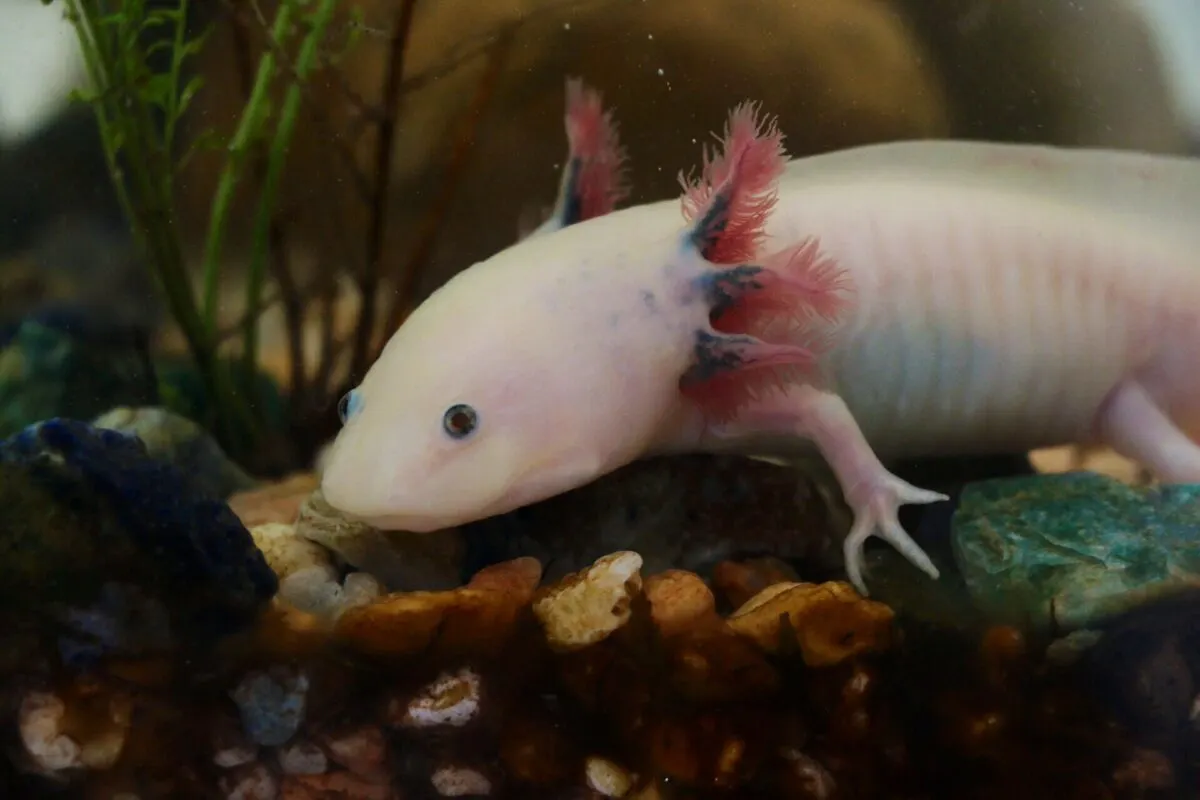
The axolotl (Ambystoma mexicanum) is perhaps Mexico’s most iconic endemic creature. This remarkable amphibian exhibits neoteny, meaning it retains juvenile characteristics—including external gills and an aquatic lifestyle—throughout its life. Found naturally only in Lake Xochimilco and Lake Chalco in the Valley of Mexico, these “walking fish” can regenerate entire lost limbs, organs, and even portions of their brain and heart. Their regenerative abilities have made them invaluable to scientific research. Sadly, the axolotl is critically endangered in the wild, with an estimated population decline of over 99% since the 1980s due to urban expansion, pollution, and introduced predatory fish. While millions exist in captivity worldwide for research and as pets, wild populations may number fewer than 1,000 individuals, making conservation of their native habitat vital for their survival.
7. Mexican Gray Wolf: A Desert Predator Fighting for Survival
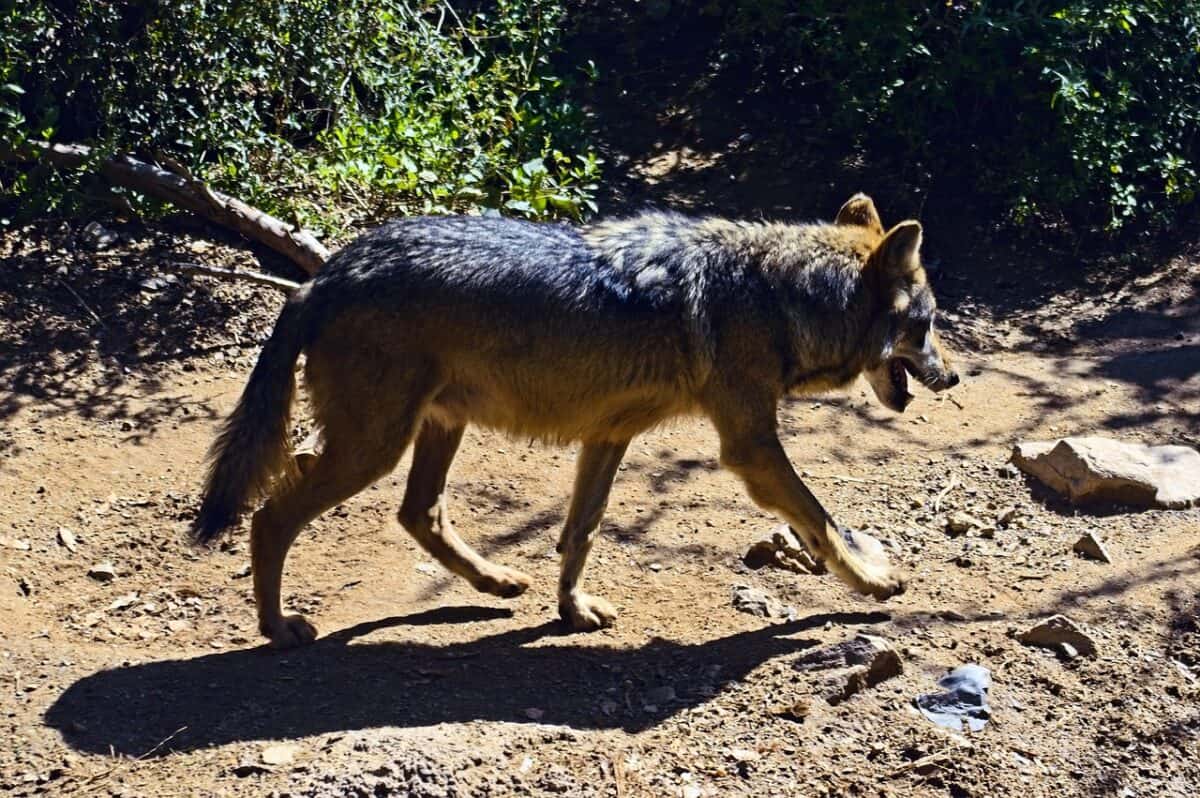
The Mexican gray wolf (Canis lupus baileyi), also known as “el lobo,” is the most genetically distinct and southernmost subspecies of North American gray wolf. Smaller than its northern relatives, this predator once roamed throughout central and northern Mexico and the southwestern United States. These wolves are highly social animals that live in packs typically consisting of an alpha breeding pair and their offspring. By the 1970s, hunting, trapping, and poisoning had driven them to near-extinction, with just seven individuals remaining to form the genetic foundation for all Mexican wolves alive today. Through careful breeding programs and reintroduction efforts, their population has grown to approximately 200 individuals in the wild, though they remain one of North America’s most endangered mammals. Their recovery represents a crucial effort to restore ecosystem balance in their native range.
6. Vaquita: The World’s Most Endangered Marine Mammal

The vaquita (Phocoena sinus) holds the unfortunate distinction of being the most endangered marine mammal on Earth. This tiny porpoise—measuring just 4-5 feet long—is found exclusively in the northern Gulf of California. Vaquitas are immediately recognizable by their distinctive dark rings around their eyes and mouth, giving them a somewhat panda-like appearance. Unlike many marine mammals, they’re extremely shy and avoid boats, making them difficult to study. Their population has collapsed catastrophically in recent decades, primarily due to entanglement in illegal gillnets set for the totoaba fish, whose swim bladders fetch high prices on black markets. Despite protected status and conservation efforts, fewer than 10 vaquitas likely remain in the wild as of 2023. Their precarious situation makes them the poster child for urgent conservation action in Mexican waters.
5. Mexican Mole Lizard: The Subterranean Mystery

The Mexican mole lizard (Bipes biporus) represents one of nature’s most peculiar evolutionary adaptations. Despite its name, it’s neither a mole nor a lizard, but a species of amphisbaenian—limbless reptiles specialized for burrowing. What makes this animal truly remarkable is that, unlike other amphisbaenians, it retains a pair of powerful front limbs while lacking hind legs entirely. Endemic to Baja California, these 20-25 cm creatures spend almost their entire lives underground, using their shovel-like front limbs to dig through sandy soils. They have small eyes covered by translucent scales, relying primarily on chemical and tactile senses to navigate their subterranean environment and locate prey such as insects and small invertebrates. Rarely seen by humans due to their secretive lifestyle, these reptiles represent a fascinating example of convergent evolution with mammals like moles.
4. Mexican Beaded Lizard: A Venomous National Treasure

The Mexican beaded lizard (Heloderma horridum) is one of only two venomous lizard species in the world, the other being its close relative, the Gila monster. Named for the bead-like scales covering its body, this reptile can grow up to 90 cm long and weigh over 4 pounds. Their dramatic black bodies feature distinct patterns of yellow or cream-colored bands or spots. Unlike snakes that inject venom through hollow fangs, beaded lizards have venom glands in their lower jaws and deliver toxins through grooved teeth while chewing their prey. Their venom contains compounds that have led to the development of diabetes medications. Found in tropical dry forests and thorn scrub habitats along Mexico’s Pacific coast, these lizards are officially protected under Mexican law. They face significant threats from habitat destruction and illegal collection for the exotic pet trade, despite their venomous nature and protected status.
3. Mexican Prairie Dog: The Grassland Engineer

The Mexican prairie dog (Cynomys mexicanus) plays a crucial ecological role as a keystone species in the grasslands of northeastern Mexico. Endemic to parts of Coahuila, Nuevo León, and San Luis Potosí, these social rodents live in complex underground colonies called “towns” that can span hundreds of acres and contain thousands of individuals. Their extensive burrowing aerates soil, allows water penetration, and creates habitat for numerous other species. Their constant grazing maintains grassland ecosystems by preventing woody plant encroachment. Unlike some prairie dog species that hibernate, Mexican prairie dogs remain active year-round. Since the 1950s, their population has declined by over 95%, primarily due to agricultural expansion, poisoning campaigns, and habitat conversion. They’re currently classified as endangered, with continued agricultural practices threatening the remaining populations. Conservation efforts include establishing protected areas specifically for these ecosystem engineers.
2. Volcano Rabbit: The Diminutive Highland Dweller
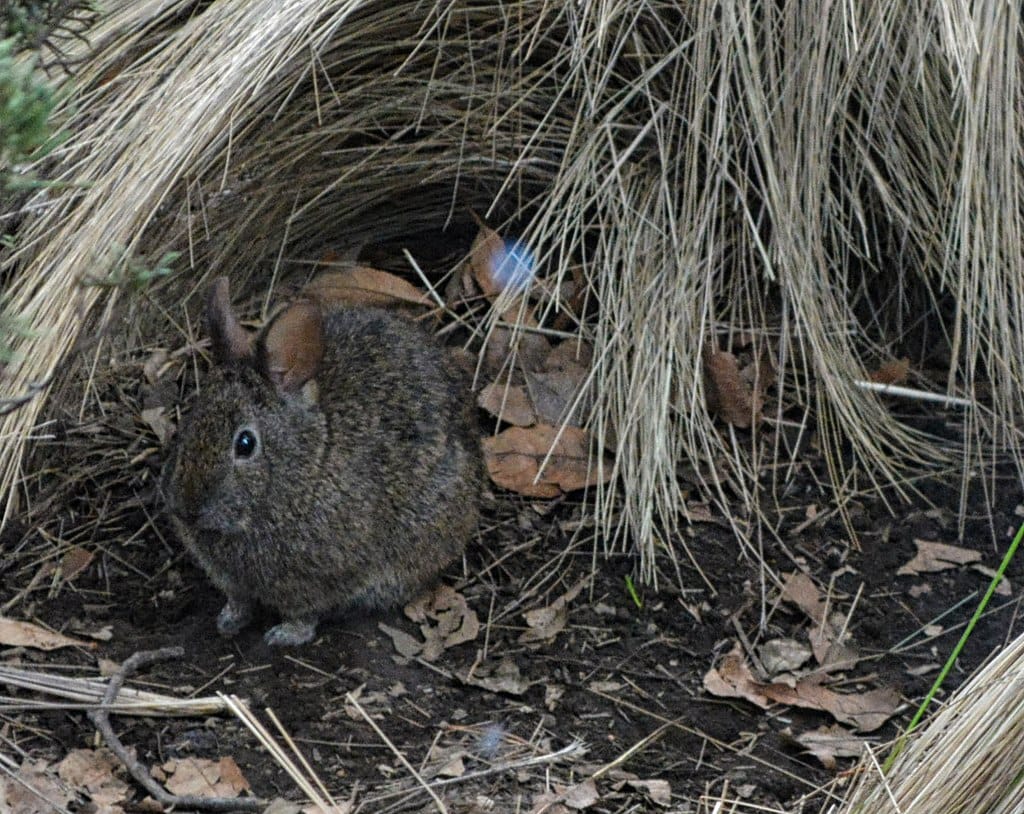
The volcano rabbit (Romerolagus diazi), locally known as “teporingo” or “zacatuche,” is one of the world’s smallest rabbits, weighing just 400-600 grams. This endangered species is found exclusively in the high-elevation pine forests and grasslands surrounding four volcanoes near Mexico City, at elevations between 2,800 and 4,250 meters. Unlike most rabbits, volcano rabbits don’t dig their own burrows but instead create intricate runway systems through dense vegetation and use natural rock crevices for shelter. They’re also unusual among rabbits for their ability to vocalize, producing high-pitched sounds for communication. Their small range—less than 280 square kilometers—makes them particularly vulnerable to habitat loss from urban expansion, agricultural conversion, and frequent forest fires. With an estimated population of fewer than 7,000 individuals fragmented across isolated habitats, conservation efforts focus on habitat protection and controlling illegal logging in their remaining territory.
1. Coahuilan Box Turtle: The Desert Aquatic

The Coahuilan box turtle (Terrapene coahuila) defies typical turtle expectations as the world’s most aquatic box turtle. Endemic to the Cuatro Ciénegas Basin in Coahuila, northern Mexico, these turtles occupy a series of spring-fed marshes and pools within an otherwise arid desert landscape. Unlike most box turtles that spend significant time on land, Coahuilan box turtles spend approximately 90% of their lives in water, only emerging to bask or lay eggs. They feature a hinged plastron (lower shell) that can close completely to protect them from predators. Their unique habitat—essentially wetland islands in a desert sea—has led to specialized adaptations, including webbed feet for swimming and a preference for aquatic vegetation. Restricted to less than 360 square kilometers, they face critical threats from groundwater extraction for agriculture, which has dried up more than 70% of the wetlands in their range since the 1960s. With fewer than 2,500 mature individuals remaining, they are classified as endangered.
Conservation Challenges Facing Mexico’s Endemic Wildlife

Mexico’s unique animals face mounting threats despite national and international protection efforts. Habitat destruction remains the primary challenge, with agricultural expansion, urban development, and infrastructure projects fragmenting critical ecosystems. Climate change poses an increasingly severe threat, particularly to species with narrow ecological niches or restricted ranges, such as the volcano rabbit and Coahuilan box turtle. Illegal wildlife trafficking continues to impact populations of colorful or novel species like the axolotl and Mexican beaded lizard, which command high prices in international pet markets. Invasive species further complicate conservation efforts, with non-native predators and competitors disrupting delicate ecological balances. Water management issues particularly affect aquatic species, with groundwater extraction and pollution threatening the vaquita, axolotl, and other water-dependent animals. Despite these challenges, Mexico has established an extensive system of protected areas covering approximately 13% of its territory, though enforcement and management resources remain limited.
Ecotourism: A Path to Conservation and Awareness

Sustainable ecotourism offers promising opportunities for protecting Mexico’s unique wildlife while supporting local economies. When properly managed, wildlife tourism creates economic incentives for conservation by demonstrating that living animals generate more long-term value than exploited ones. Several Mexican communities have successfully developed ecotourism initiatives centered around endemic species, such as the axolotl canals of Xochimilco and prairie dog viewing areas in Coahuila. These programs often incorporate educational components that raise awareness about conservation needs while providing authentic cultural experiences. For species too rare or sensitive for direct tourism, conservation centers and specialized tours offer alternatives that minimize impact while still generating support. Mexico’s CONANP (National Commission of Natural Protected Areas) increasingly partners with communities to develop sustainable tourism models that balance visitor experiences with biodiversity protection. For travelers interested in Mexico’s unique wildlife, choosing certified eco-friendly operators ensures their tourism dollars contribute to conservation rather than exploitation.
Cultural Significance of Mexico’s Endemic Animals

Many of Mexico’s unique animals hold profound cultural significance, appearing in art, mythology, and national identity for thousands of years. The axolotl features prominently in Aztec mythology, associated with the god Xolotl and believed to possess transformative powers—a belief that eerily parallels their actual regenerative abilities. The creature appears on ancient pottery, codices, and continues as a symbol in contemporary Mexican art and literature. The Mexican wolf figures in numerous indigenous stories as both a spiritual guide and a symbol of wilderness, while also representing family solidarity through its pack structure. Even lesser-known species like the Mexican beaded lizard appear in pre-Columbian art throughout western Mexico. Today, many of these animals serve as conservation ambassadors, with their images appearing on Mexican currency, stamps, and as mascots for environmental campaigns. This cultural connection provides an important foundation for conservation efforts, linking biodiversity protection with national heritage preservation.
Mexico’s extraordinary endemic animals represent biological treasures found nowhere else on Earth, each telling a unique evolutionary story shaped by the country’s diverse landscapes. From the regenerative marvels of the axolotl to the desert-dwelling yet aquatic Coahuilan box turtle, these species demonstrate remarkable adaptations that have allowed them to thrive in specialized ecological niches. Unfortunately, human activities now threaten many of these animals with extinction, making conservation efforts more urgent than ever. By supporting wildlife protection, sustainable tourism, and habitat preservation, we can help ensure these living symbols of Mexico’s natural heritage survive for future generations to appreciate and study. The fate of these unique animals ultimately reflects our broader relationship with the natural world—one that requires balance, respect, and a commitment to biodiversity conservation.

- The Role of Bears in Keeping Forests Healthy - July 10, 2026
- How Tiger Cubs Learn to Hunt From Their Mothers - July 10, 2026
- Wildlife That Thrives in the Carolinas Year-Round - July 10, 2026
Leave a comment
You must be logged in to post a comment.