

In the diverse tapestry of Earth’s evolutionary history, few creatures can claim a lineage as ancient and unbroken as the marine turtles of the family Cheloniidae. Among these remarkable reptiles, one species stands as a living fossil, having navigated the planet’s oceans virtually unchanged since the Triassic period—the leatherback sea turtle (Dermochelys coriacea).
This extraordinary creature has witnessed the rise and fall of dinosaurs, survived multiple mass extinction events, and persisted through dramatic global climate shifts while maintaining its fundamental biological blueprint for an astounding 200 million years. This remarkable evolutionary success story represents one of the most enduring vertebrate designs in natural history, offering scientists precious insights into adaptation, survival, and the deep interconnectedness of marine ecosystems across geologic time.
The Living Fossil: An Evolutionary Marvel

The leatherback sea turtle belongs to a lineage that originated approximately 200 million years ago during the early Jurassic period. While most ancient reptile groups have either gone extinct or evolved dramatically into different forms, the basic body plan and biological characteristics of leatherbacks have remained remarkably consistent.
Paleontological evidence, including fossilized remains discovered across several continents, reveals striking similarities between modern leatherbacks and their ancient ancestors. This evolutionary stability classifies them as “living fossils”—organisms that have experienced minimal morphological change throughout vast stretches of evolutionary time. Unlike other turtle species that developed hard, bony shells, leatherbacks evolved a unique leathery carapace consisting of small dermal bones embedded in tough connective tissue, an adaptation that has served them well across geological eras.
Distinctly Different: Unique Anatomical Features

The leatherback turtle stands apart from all other living turtle species with several distinctive anatomical features that have contributed to its evolutionary longevity. Most notably, instead of the typical hard shell composed of scutes (bony external plates) found in other turtles, the leatherback possesses a leathery carapace composed of a mosaic of thousands of small dermal bones connected by connective tissue and overlaid with oily, rubbery skin.
This flexible shell allows for greater diving depth and reduces weight while maintaining protection. Their massive size—reaching up to 7 feet in length and weighing up to 2,000 pounds—makes adult leatherbacks virtually immune to predation. Additionally, leatherbacks possess specialized physiological adaptations including a countercurrent heat exchange system that allows them to maintain body temperatures up to 18°C warmer than surrounding water, enabling them to venture into colder oceanic regions than any other reptile.
Survivors of Multiple Mass Extinctions

Perhaps the most remarkable aspect of the leatherback turtle’s 200-million-year history is its survival through multiple mass extinction events that wiped out countless other species. They persisted through the end-Triassic extinction (approximately 201 million years ago), which eliminated about 76% of all marine and terrestrial species. More impressively, they survived the Cretaceous-Paleogene extinction event approximately 66 million years ago that famously eliminated the non-avian dinosaurs and approximately 75% of all species on Earth.
Scientists attribute their survival partly to their highly adaptable feeding habits, their ability to travel enormous distances to find food and suitable nesting grounds, and their capacity to dive deeper than any other turtle—reaching depths exceeding 4,000 feet. These adaptive traits allowed leatherbacks to find refuge and resources during periods when many other species faced insurmountable environmental challenges.
Global Distribution: Masters of Ocean Navigation

Leatherback turtles possess one of the widest global distributions of any reptile, navigating ocean basins from the tropical waters of nesting beaches to subarctic foraging grounds. Their remarkable range spans from Alaska and Norway in the north to the southern tips of Africa and New Zealand. This extensive distribution has remained largely consistent for millions of years, as evidenced by fossil discoveries across multiple continents.
These ancient mariners accomplish their incredible journeys using sophisticated navigation abilities that include sensitivity to Earth’s geomagnetic field and the ability to detect subtle changes in ocean currents. Tracking studies have documented individual leatherbacks traveling more than 10,000 miles annually between feeding and breeding grounds. This incredible navigational ability, developed and refined over 200 million years of evolution, represents one of nature’s most impressive adaptations and has been crucial to the species’ long-term survival through changing ocean conditions.
The Jellyfish Specialists: Ancient Dietary Adaptations

Unlike most other sea turtles that consume a varied diet of plants, crustaceans, mollusks, and fish, leatherbacks have evolved as specialist predators of jellyfish and other gelatinous zooplankton—a niche they have occupied for millions of years. This specialization is evident in their unusual mouth structure, which features sharp, pointed cusps and backward-pointing spines in their throats that help them trap and consume slippery prey.
Paleontological evidence indicates this dietary specialization emerged early in their evolutionary history and has remained largely unchanged. A single adult leatherback can consume up to 440 pounds of jellyfish daily, making them critical controllers of jellyfish populations in marine ecosystems. This specialized feeding strategy has proven remarkably successful through geological time, allowing leatherbacks to exploit an abundant food source with minimal competition from other large marine predators.
Prehistoric Breeding Behaviors

The reproductive behaviors of leatherback turtles represent another aspect of their biology that has remained remarkably consistent for 200 million years. Female leatherbacks return to land to nest on the same beaches where they themselves hatched decades earlier—a phenomenon known as natal homing. This ancient breeding strategy involves elaborate nesting rituals where females excavate deep pits in the sand using their powerful rear flippers, deposit approximately 80-100 eggs, carefully cover them, and then return to the sea.
Fossilized nesting sites dating back millions of years show striking similarities to modern leatherback nests, confirming the antiquity of these behaviors. The temperature-dependent sex determination of hatchlings—where warmer nests produce females and cooler nests produce males—is also believed to be an ancient trait that has persisted throughout their evolutionary history, providing flexibility in population sex ratios across changing climatic conditions.
Evolutionary Advantages: Why Their Design Persisted
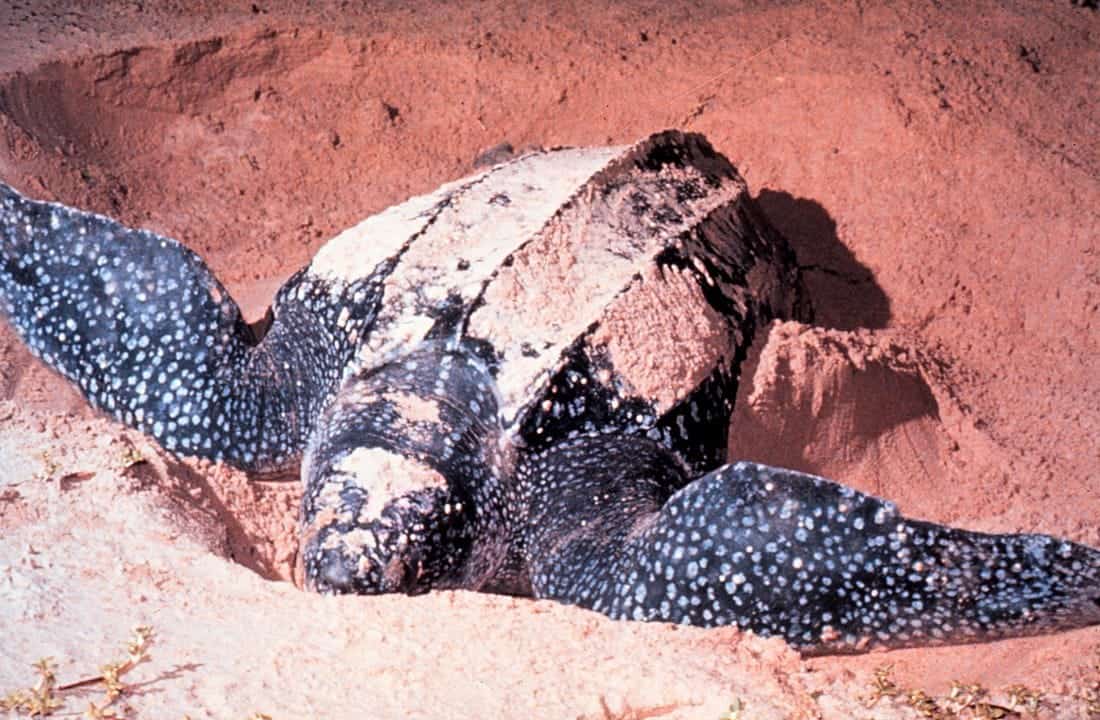
The extraordinary evolutionary longevity of leatherback turtles raises fascinating questions about what made their basic design so successful across 200 million years of changing conditions. Several key adaptations appear to have conferred significant advantages. Their streamlined, teardrop-shaped bodies with powerful front flippers create one of the most hydrodynamically efficient designs in the animal kingdom, allowing for energy-efficient long-distance travel.
Their flexible, lightweight carapace permits deeper diving than any other turtle while still providing adequate protection. Their specialized esophagus lined with backward-pointing spines enables efficient consumption of slippery jellyfish prey. Perhaps most importantly, their remarkable physiological adaptations for temperature regulation—including large body size, specialized oil deposits, a network of countercurrent heat exchangers in their flippers, and adjustable blood flow patterns—allow them to maintain active body temperatures in cold water, enabling exploitation of productive feeding grounds unavailable to other reptiles.
Fossil Record: Tracing Their Ancient Lineage
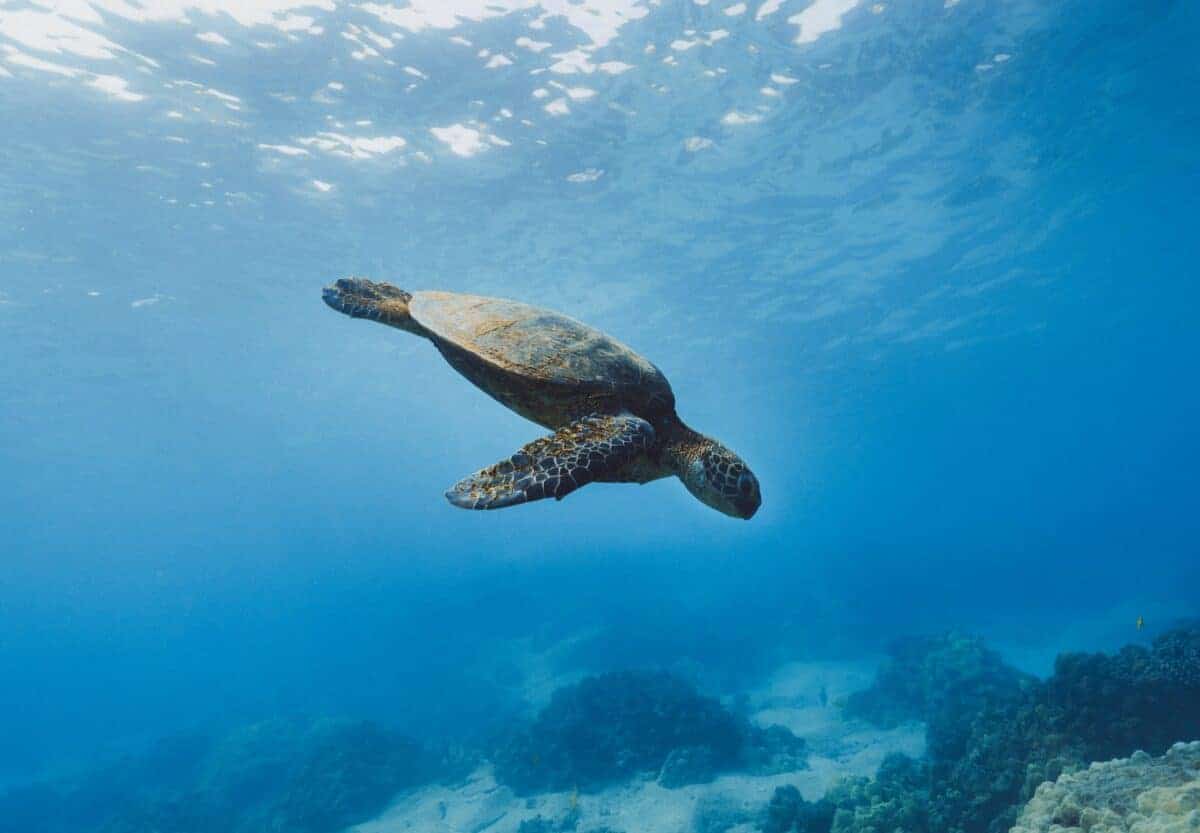
The paleontological evidence for the leatherback’s 200-million-year history comes from fossil discoveries across multiple continents. The oldest known ancestor of modern leatherbacks is Odontochelys semitestacea, dating from approximately 220 million years ago during the late Triassic period. This primitive turtle already displayed the beginnings of the distinctive shell structure that would evolve into the leatherback’s unique carapace.
By the Jurassic period (201-145 million years ago), fossils such as Protostega and Archelon show clear evolutionary connections to modern leatherbacks, including the distinctive mosaic shell structure. The Cretaceous period (145-66 million years ago) saw the emergence of species even more similar to modern leatherbacks, including Pterochelys, with specimens showing the characteristic ridged carapace and streamlined body form. This rich fossil record provides clear evidence of the leatherback’s ancient lineage and the remarkable consistency of their basic body plan over vast stretches of evolutionary time.
Ancient Intelligence: Cognitive Abilities
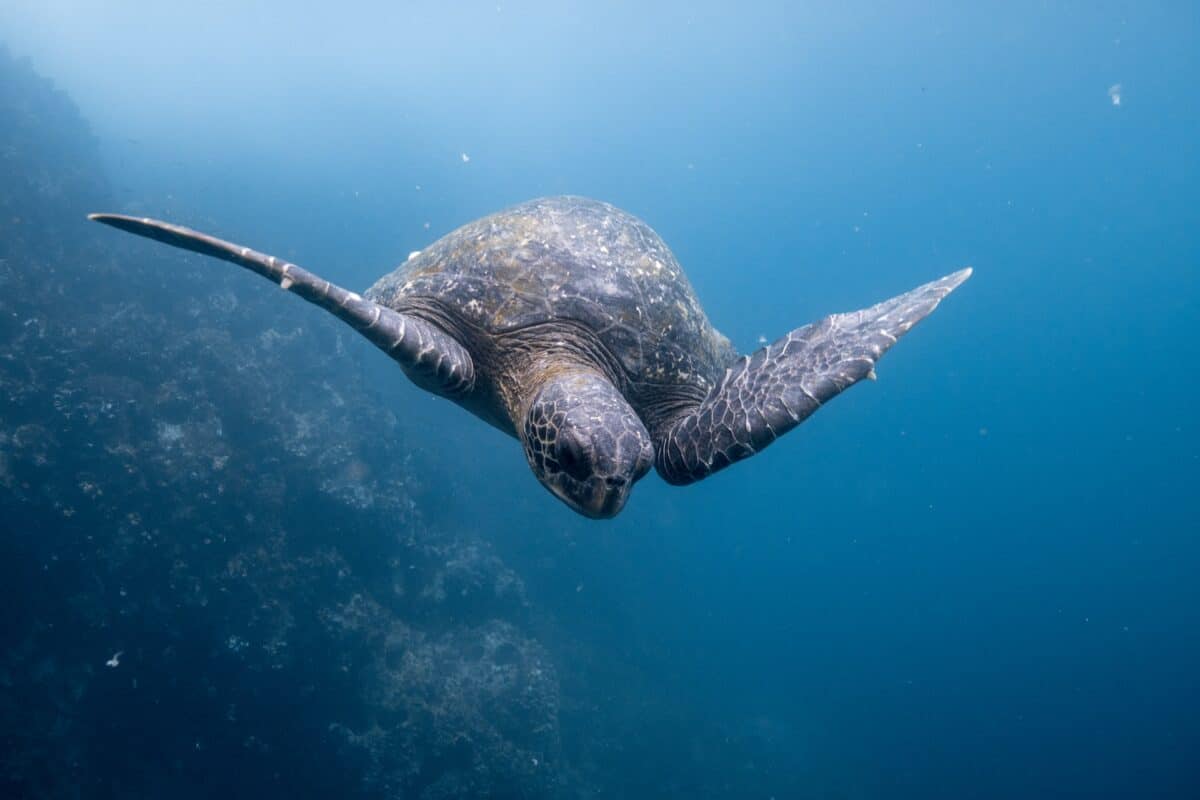
The cognitive abilities of leatherback turtles, while difficult to study directly, represent another aspect of their biology that has likely remained relatively consistent throughout their evolutionary history. Neurological studies of modern leatherbacks reveal sophisticated brain structures associated with navigation, sensory processing, and memory—all critical for their complex migratory behaviors and foraging strategies.
Their ability to navigate across entire ocean basins to return precisely to their natal beaches suggests powerful spatial memory and processing capabilities that have been refined over millions of years. Studies using magnetic resonance imaging have shown that leatherbacks possess well-developed brain regions associated with magnetic field detection, visual processing, and long-term memory storage. These cognitive adaptations, likely present in similar forms in their ancient ancestors, have contributed significantly to their evolutionary success by enabling complex behaviors essential for survival across changing environments and geological timescales.
Modern Threats to an Ancient Lineage

Despite surviving for 200 million years through asteroid impacts, shifting continents, and radical climate changes, leatherback sea turtles now face unprecedented threats from human activities that could end their remarkable evolutionary journey. Commercial fishing operations unintentionally capture thousands of leatherbacks annually as bycatch in longlines and gill nets. Plastic pollution poses a particular danger as leatherbacks frequently mistake floating plastic bags for their jellyfish prey, leading to intestinal blockages and starvation.
Coastal development has destroyed or degraded many traditional nesting beaches, while light pollution disorienting hatchlings and climate change threatens to skew population sex ratios through temperature-dependent sex determination. Egg harvesting and direct hunting of adults continue in some regions despite international protection. Conservation organizations emphasize the tragic irony that this species, having endured for 200 million years through natural catastrophes of almost unimaginable scale, now faces extinction primarily due to human activities spanning just the last century.
Conservation Efforts: Preserving Living History
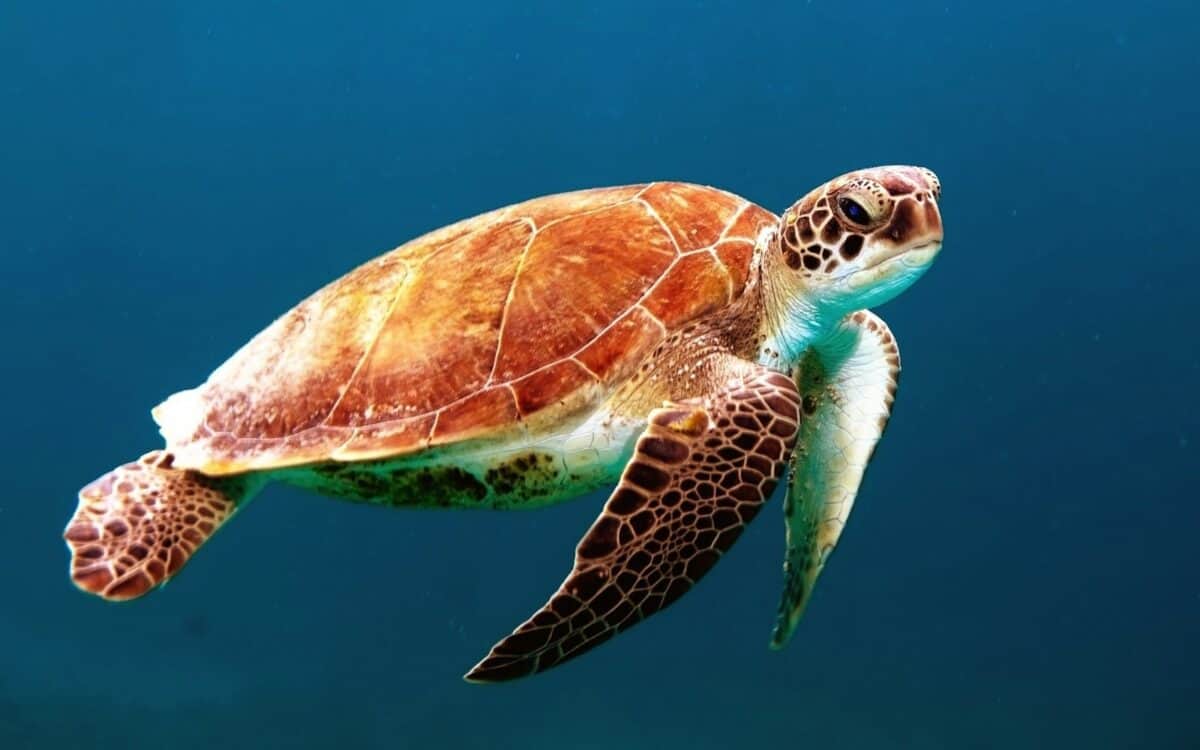
Global conservation initiatives aim to ensure that the leatherback’s 200-million-year evolutionary journey continues into the future. International agreements including the Convention on International Trade in Endangered Species (CITES) and the Convention on Migratory Species provide legal frameworks for protection. Marine protected areas have been established along migration routes and around critical feeding grounds. Technological innovations in fishing gear, including circle hooks and turtle excluder devices (TEDs), have reduced bycatch mortality. Nest monitoring and protection programs on nesting beaches have shown promising results in increasing hatchling success rates. Public education campaigns highlight the leatherback’s unique evolutionary significance and importance to marine ecosystems. Perhaps most encouragingly, satellite tracking programs have generated valuable data on migration patterns and habitat use, enabling more targeted conservation efforts. These multifaceted approaches represent humanity’s attempt to prevent the extinction of a creature that has been an integral part of Earth’s oceans since the age of dinosaurs.
Conclusion: An Evolutionary Testament

The 200-million-year journey of the leatherback sea turtle represents one of the most remarkable success stories in evolutionary history. From their origins in the early days of the dinosaurs through countless environmental changes and extinction events, these magnificent creatures have persisted with a fundamental design so effective it has required minimal modification across geological epochs.
Their continued existence offers scientists invaluable insights into evolutionary processes, adaptation mechanisms, and the deep history of Earth’s marine ecosystems. As we work to preserve this ancient species, we protect not just another endangered animal, but a living connection to Earth’s distant past—a creature that watched dinosaurs rise and fall, continents drift apart, and ice ages come and go while continuing to fulfill its ecological role with quiet persistence. The leatherback turtle stands as a humbling reminder of nature’s resilience and the profound time depths of evolutionary history that shaped our planet’s biodiversity.

- How Each Zodiac Sign Would Fare as an Animal in the Jungle - July 29, 2026
- The Animal That Can See More Colors Than Any Other on Earth - July 25, 2026
- The Most Endangered Sea Turtles Rescued Off U.S. Coasts - July 24, 2026